Break Bad Habits, Build Better Routines
Discover a practical six-step approach to breaking stubborn habits that doesn't rely on willpower alone. Learn to identify triggers, disrupt patterns, and make sustainable changes that actually stick to your schedule.

Bestes Zitat aus Break Bad Habits, Build Better Routines
Habit change isn't about having superhuman discipline; it's about understanding how your brain works and designing systems that make success inevitable.

Diese Audiolektion wurde von einem BeFreed-Community-Mitglied erstellt
How to break bad habits and stick to a schedule

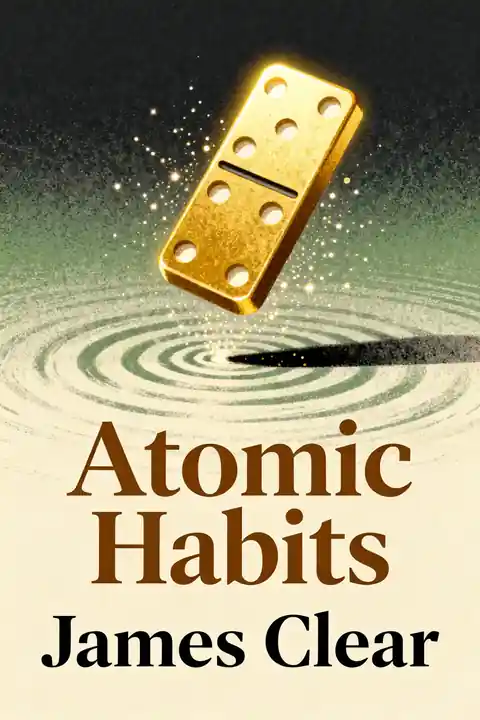
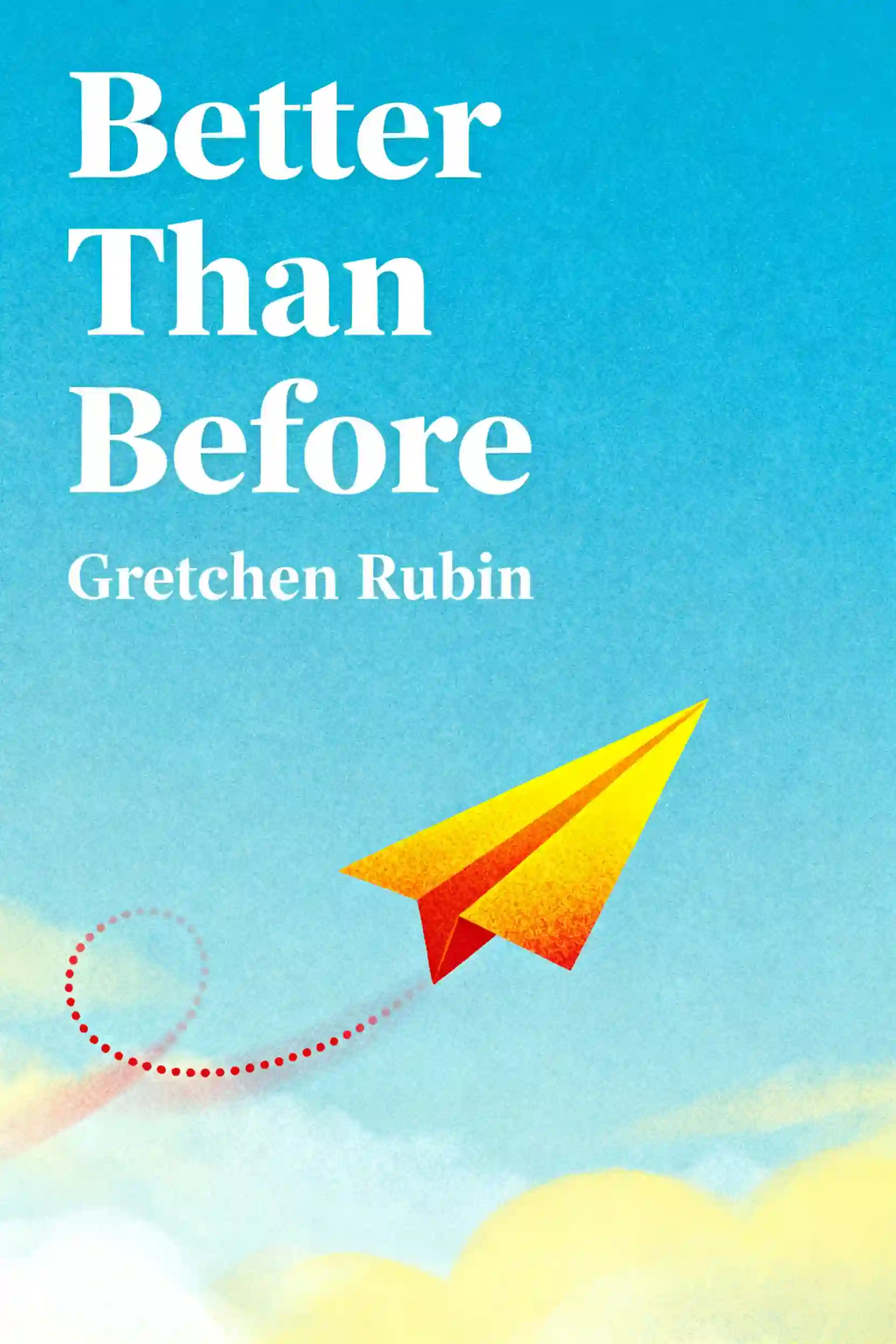
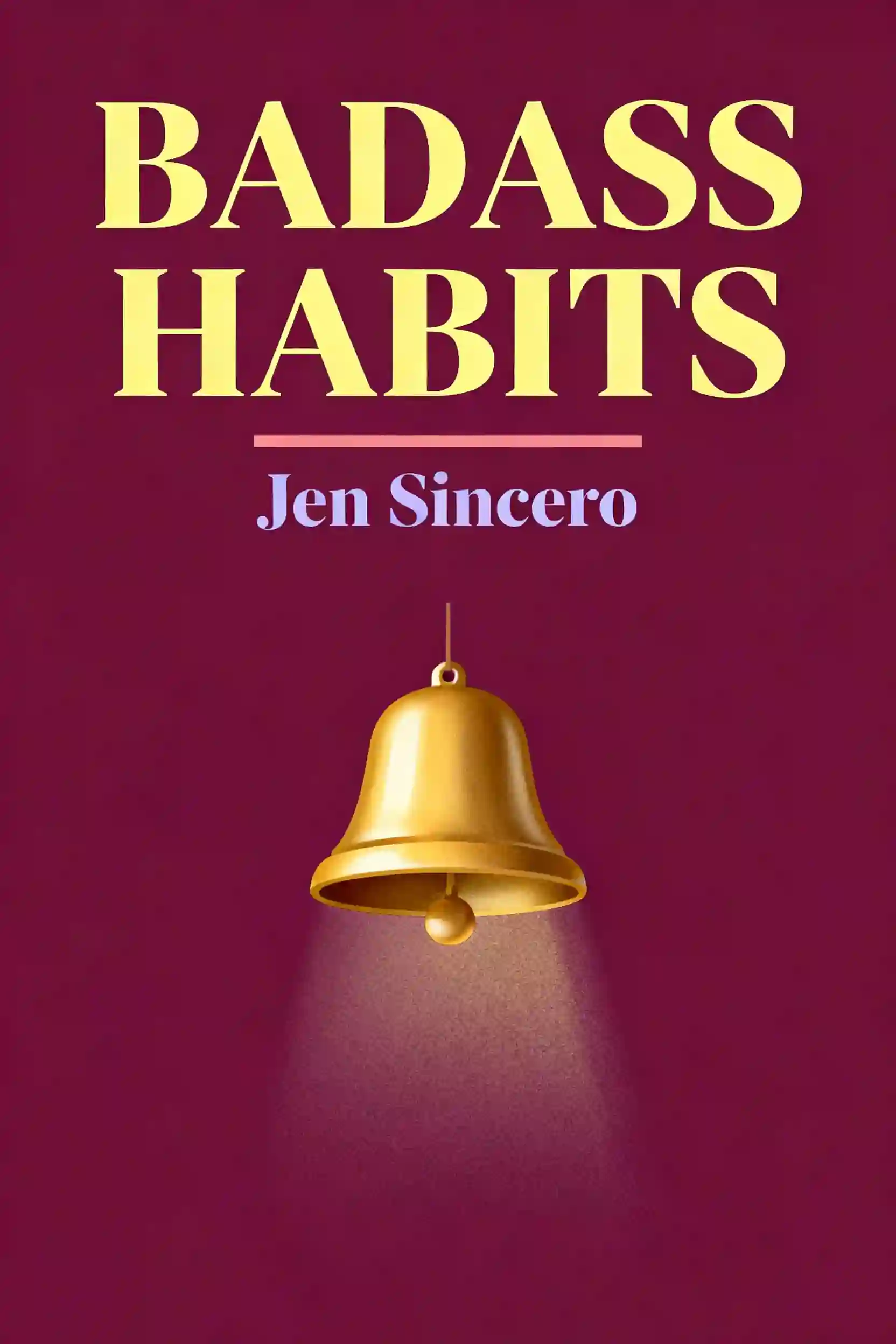
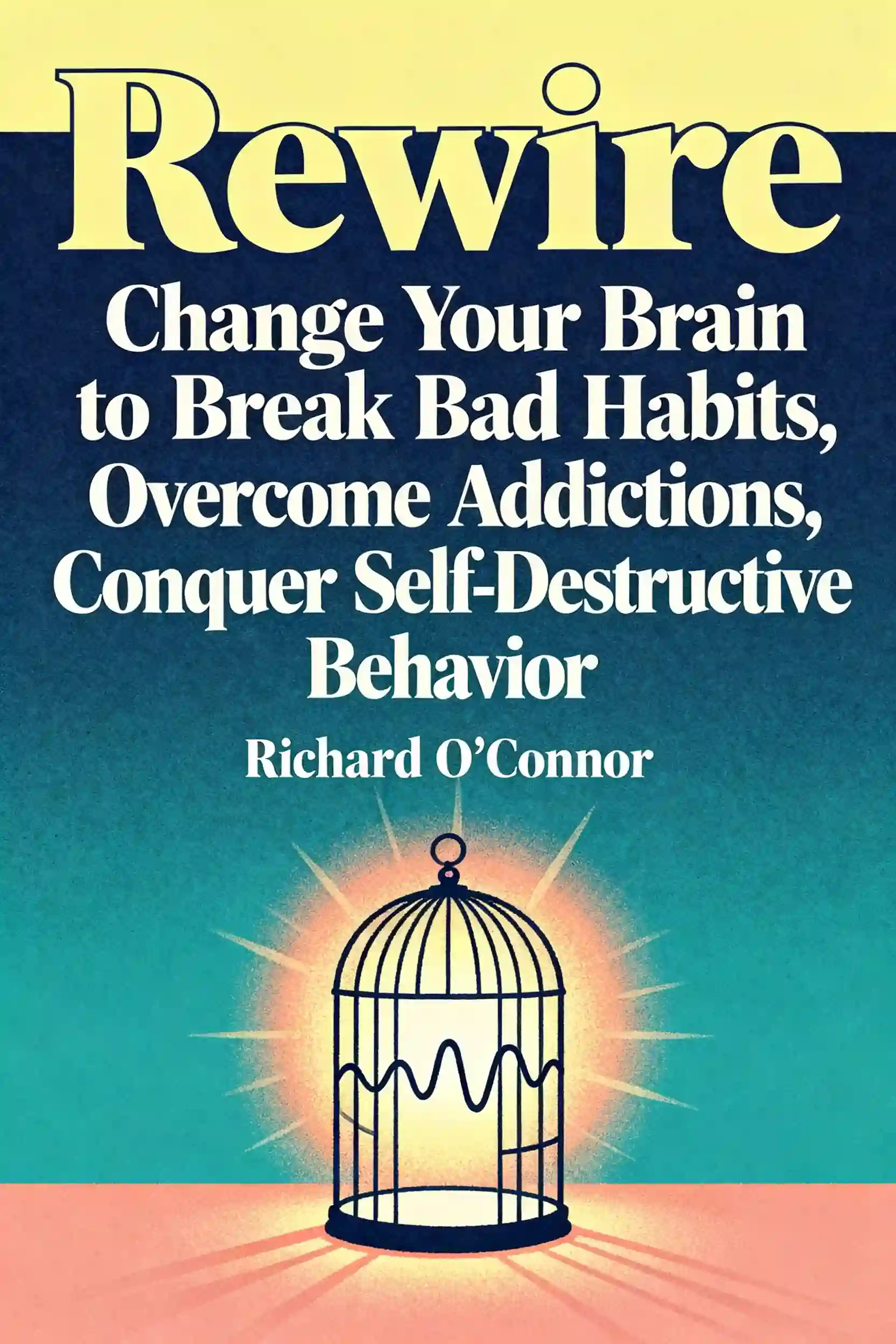
Mehr entdecken

How to build habits.
In an era of constant distraction, mastering behavior architecture is the ultimate competitive advantage. This plan is designed for professionals and individuals seeking to replace friction with flow by leveraging neuroscience and systematic design.
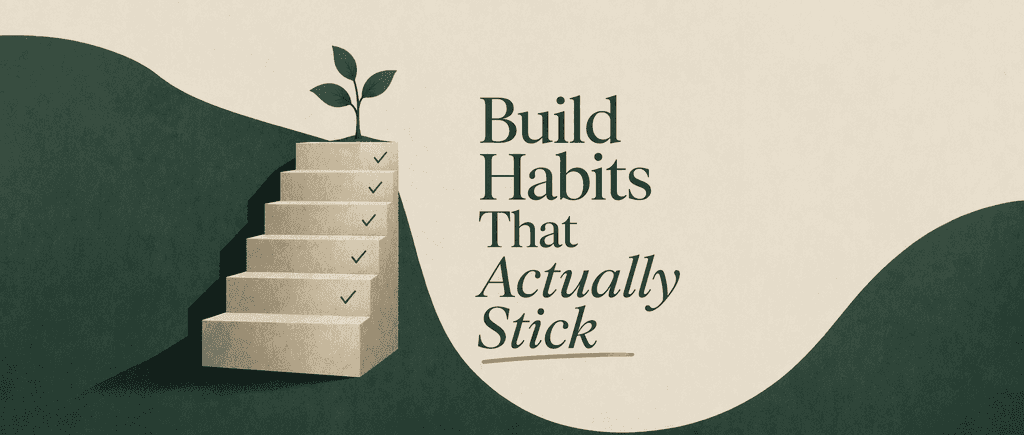
Build Habits That Actually Stick
Despite good intentions, 80% of New Year's resolutions fail by February because most people don't understand how habits actually form in the brain. This learning plan provides science-backed frameworks to design sustainable habit systems that align with your identity and environment, making behavior change automatic rather than exhausting.

The Habit Architect: Building Unbreakable Systems
In an era of constant distraction, the ability to engineer your own behavior is a superpower. This plan is designed for professionals and high-achievers who want to move beyond willpower by building systems that make success inevitable.

Habitudes quotidiennes
Daily habits shape 40-50% of our behaviors, yet most people struggle to build positive routines or break destructive patterns. This learning plan is ideal for anyone seeking to take control of their daily life—whether you're a professional wanting to boost productivity, someone pursuing health goals, or simply looking to become more intentional about how you spend your time and energy.

The Psychology of Habitual Fitness
This plan is essential for anyone who struggles with consistency or relies solely on fleeting willpower to stay active. It bridges the gap between biological impulses and long-term goals, making it ideal for busy professionals or beginners looking to build a sustainable fitness identity.

Break addiction cycles after 5 lost years
This plan is designed for individuals seeking to reclaim their lives after long-term struggle, moving beyond willpower to science-based recovery. It provides a holistic roadmap for those ready to address the neurological, emotional, and social roots of addiction to build a lasting new identity.

Building a disciplined mindset
This plan is essential for professionals and students who struggle with inconsistent motivation and burnout. It provides a scientific and psychological roadmap for anyone looking to replace fleeting willpower with reliable systems and a resilient mental framework.

Build daily reset habits during semester
This plan is essential for students struggling to balance academic rigor with personal well-being. It provides a practical framework for anyone looking to replace burnout with sustainable energy and focused productivity.
Von Columbia University Alumni in San Francisco entwickelt
"Instead of endless scrolling, I just hit play on BeFreed. It saves me so much time."


"I never knew where to start with nonfiction—BeFreed’s book lists turned into podcasts gave me a clear path."


"Perfect balance between learning and entertainment. Finished ‘Thinking, Fast and Slow’ on my commute this week."
"Crazy how much I learned while walking the dog. BeFreed = small habits → big gains."
"Reading used to feel like a chore. Now it’s just part of my lifestyle."

"Feels effortless compared to reading. I’ve finished 6 books this month already."
"BeFreed turned my guilty doomscrolling into something that feels productive and inspiring."

"BeFreed turned my commute into learning time. 20-min podcasts are perfect for finishing books I never had time for."
"BeFreed replaced my podcast queue. Imagine Spotify for books — that’s it. 🙌"

"It is great for me to learn something from the book without reading it."
"The themed book list podcasts help me connect ideas across authors—like a guided audio journey."
"Makes me feel smarter every time before going to work"
Von Columbia University Alumni in San Francisco entwickelt
"Instead of endless scrolling, I just hit play on BeFreed. It saves me so much time."
"I never knew where to start with nonfiction—BeFreed’s book lists turned into podcasts gave me a clear path."
"Perfect balance between learning and entertainment. Finished ‘Thinking, Fast and Slow’ on my commute this week."
"Crazy how much I learned while walking the dog. BeFreed = small habits → big gains."
"Reading used to feel like a chore. Now it’s just part of my lifestyle."
"Feels effortless compared to reading. I’ve finished 6 books this month already."
"BeFreed turned my guilty doomscrolling into something that feels productive and inspiring."
"BeFreed turned my commute into learning time. 20-min podcasts are perfect for finishing books I never had time for."
"BeFreed replaced my podcast queue. Imagine Spotify for books — that’s it. 🙌"
"It is great for me to learn something from the book without reading it."
"The themed book list podcasts help me connect ideas across authors—like a guided audio journey."
"Makes me feel smarter every time before going to work"
"Instead of endless scrolling, I just hit play on BeFreed. It saves me so much time."
"I never knew where to start with nonfiction—BeFreed’s book lists turned into podcasts gave me a clear path."
"Perfect balance between learning and entertainment. Finished ‘Thinking, Fast and Slow’ on my commute this week."
"Crazy how much I learned while walking the dog. BeFreed = small habits → big gains."
"Reading used to feel like a chore. Now it’s just part of my lifestyle."
"Feels effortless compared to reading. I’ve finished 6 books this month already."
"BeFreed turned my guilty doomscrolling into something that feels productive and inspiring."
"BeFreed turned my commute into learning time. 20-min podcasts are perfect for finishing books I never had time for."
"BeFreed replaced my podcast queue. Imagine Spotify for books — that’s it. 🙌"
"It is great for me to learn something from the book without reading it."
"The themed book list podcasts help me connect ideas across authors—like a guided audio journey."
"Makes me feel smarter every time before going to work"
"Instead of endless scrolling, I just hit play on BeFreed. It saves me so much time."
"I never knew where to start with nonfiction—BeFreed’s book lists turned into podcasts gave me a clear path."
"Perfect balance between learning and entertainment. Finished ‘Thinking, Fast and Slow’ on my commute this week."
"Crazy how much I learned while walking the dog. BeFreed = small habits → big gains."
"Reading used to feel like a chore. Now it’s just part of my lifestyle."
"Feels effortless compared to reading. I’ve finished 6 books this month already."
"BeFreed turned my guilty doomscrolling into something that feels productive and inspiring."
"BeFreed turned my commute into learning time. 20-min podcasts are perfect for finishing books I never had time for."
"BeFreed replaced my podcast queue. Imagine Spotify for books — that’s it. 🙌"
"It is great for me to learn something from the book without reading it."
"The themed book list podcasts help me connect ideas across authors—like a guided audio journey."
"Makes me feel smarter every time before going to work"