Affirming the Consequent: Logical Fallacy in Science and Medicine
Explore the affirming the consequent fallacy. Learn how this logical error impacts scientific reasoning, medical diagnoses, and historical discoveries.

Bestes Zitat aus Affirming the Consequent: Logical Fallacy in Science and Medicine
While a logician calls it a 'fallacy,' a scientist might see it as the necessary engine of discovery. We use affirming the consequent to build our best guesses about the past, but we keep the spirit of falsification alive to make sure those guesses are actually tethered to reality.
Generated by Ezra
Teach me affirm the consequent logical fallacy. With good exsamples from science and history and medicine. Where it is used quiet often to build knowledge based on this fallacy

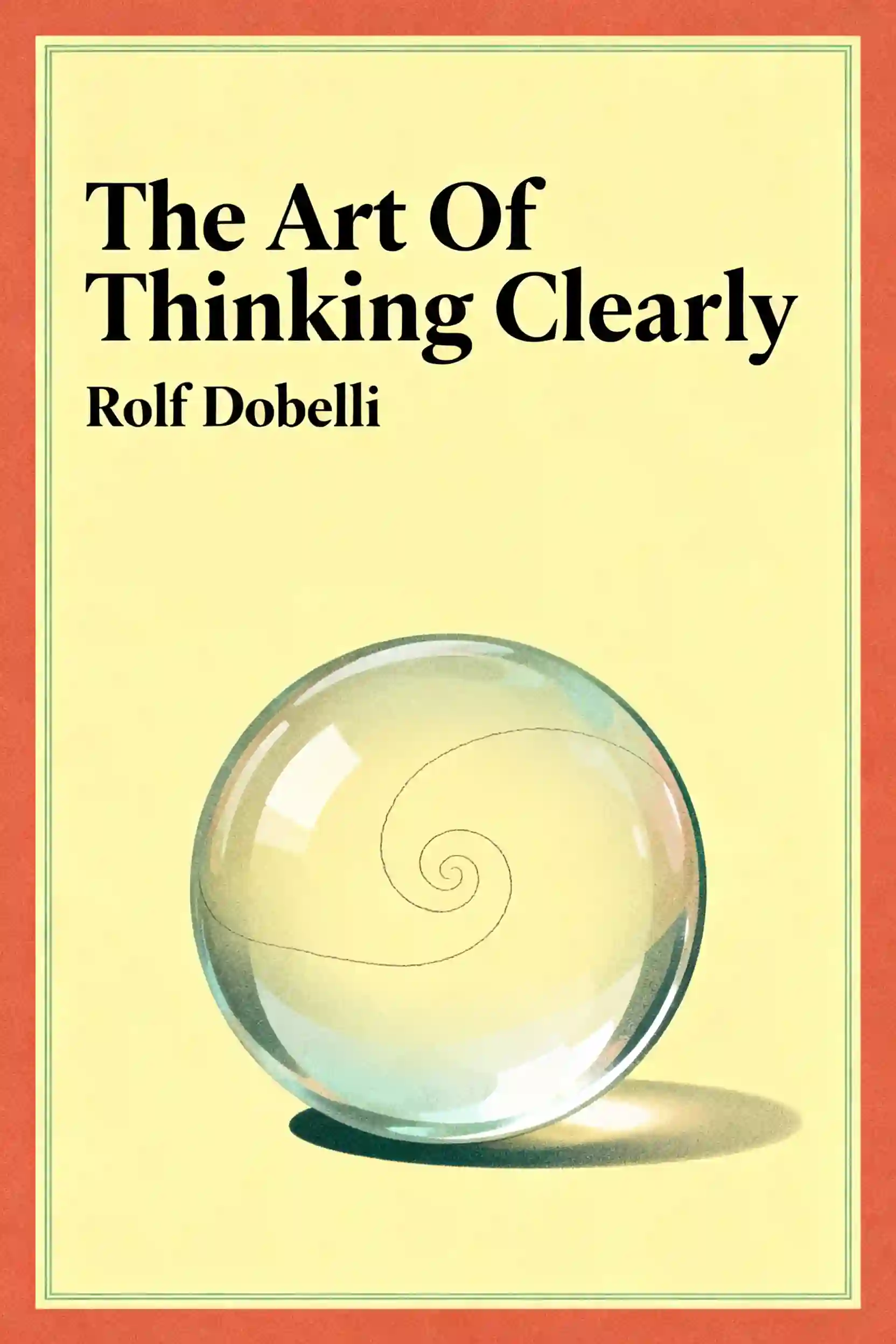
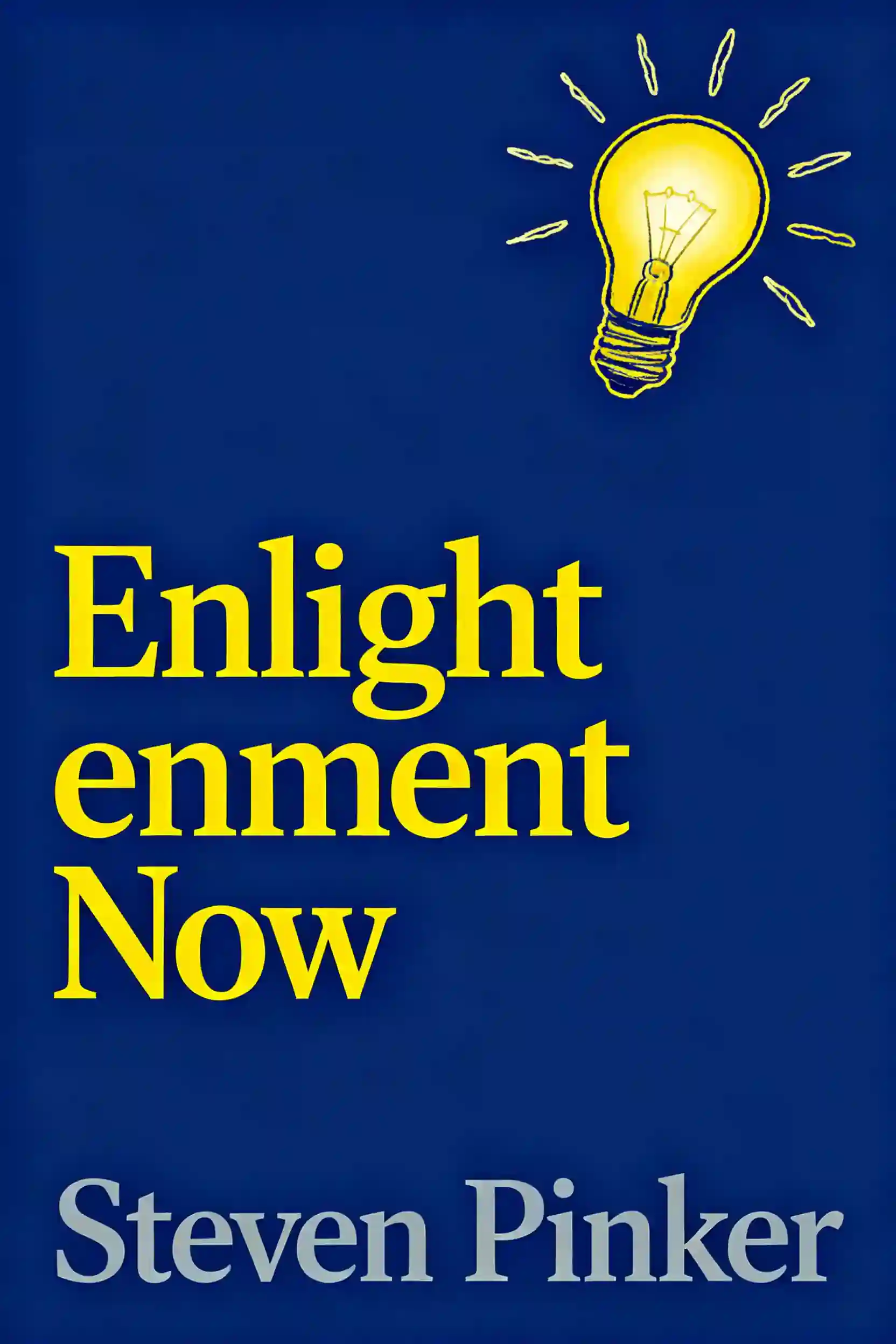
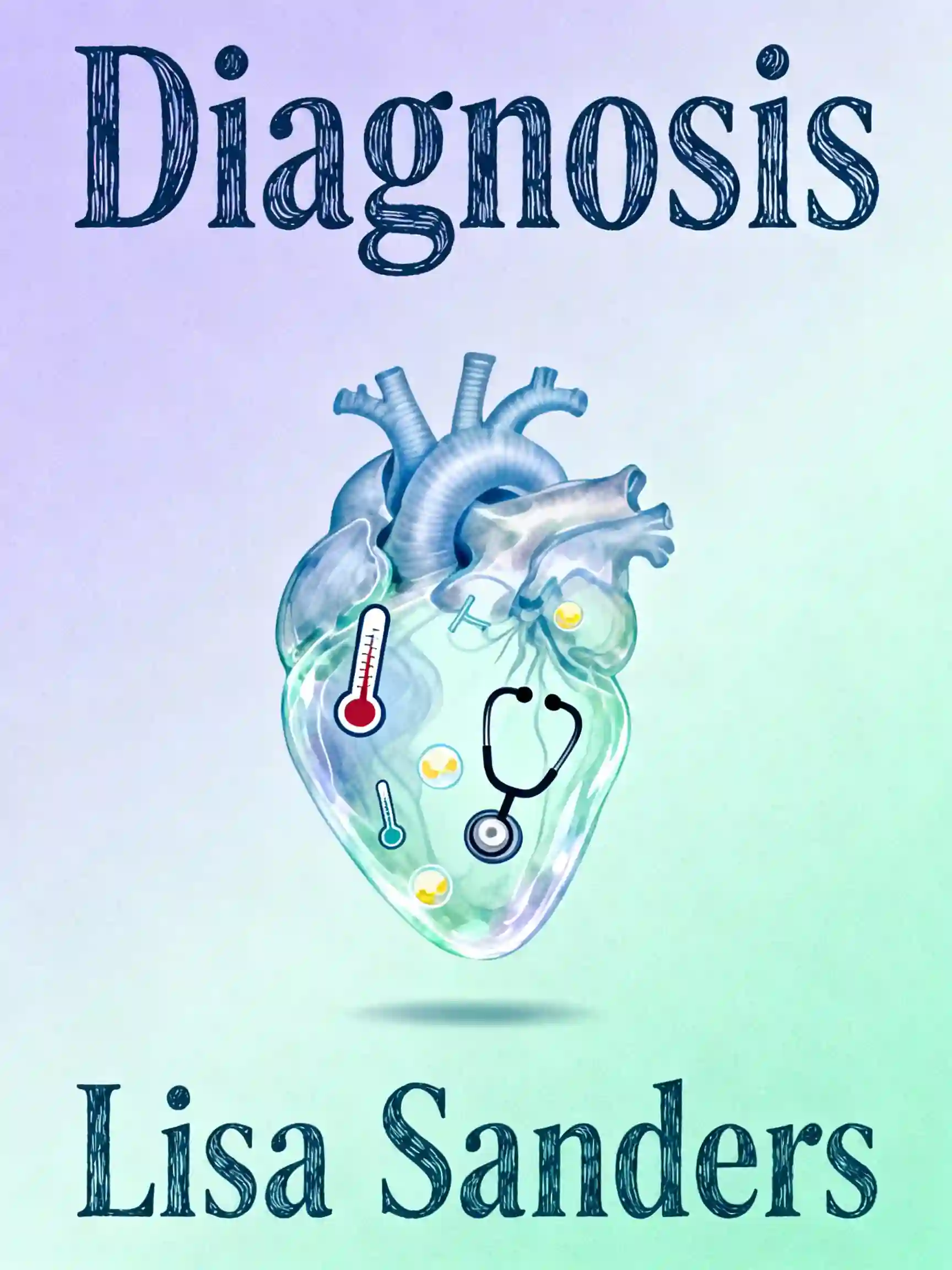
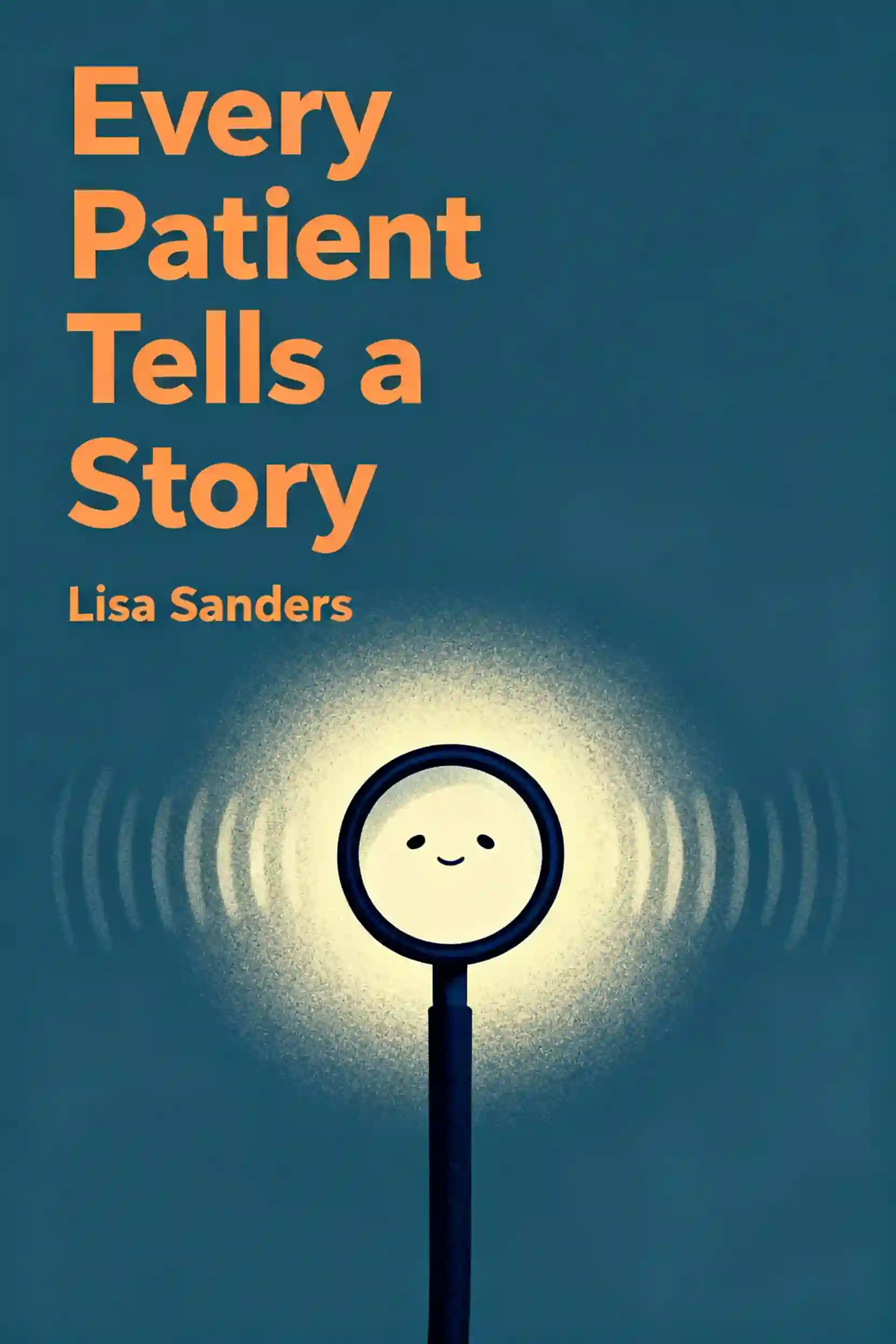
Häufig gestellte Fragen
Affirming the consequent is a formal fallacy in deductive reasoning where one incorrectly assumes that because the 'then' part of a conditional statement is true, the 'if' part must also be true. In formal logic, the structure follows: If P, then Q; Q is true; therefore, P is true. This is invalid because there may be multiple other causes for Q besides P, leading to flawed conclusions in various fields of study.
In medicine, this fallacy can lead to significant diagnostic errors. For example, a physician might reason that if a patient has a specific rare disease, they will exhibit a certain symptom. If the patient has that symptom, the doctor might incorrectly conclude the patient definitely has that specific disease. This ignores the fact that many different conditions can cause the same symptom, highlighting the need for rigorous differential diagnosis to avoid logical pitfalls.
Throughout the history of science, researchers have often struggled with affirming the consequent when interpreting data. A scientist might predict that if their theory is correct, a specific experimental result will occur. When that result is observed, they may prematurely claim the theory is proven. However, since different theories could potentially produce the same result, scientific progress requires constant testing and the consideration of alternative hypotheses to ensure robust knowledge building.
Von Columbia University Alumni in San Francisco entwickelt
"Instead of endless scrolling, I just hit play on BeFreed. It saves me so much time."


"I never knew where to start with nonfiction—BeFreed’s book lists turned into podcasts gave me a clear path."


"Perfect balance between learning and entertainment. Finished ‘Thinking, Fast and Slow’ on my commute this week."
"Crazy how much I learned while walking the dog. BeFreed = small habits → big gains."
"Reading used to feel like a chore. Now it’s just part of my lifestyle."

"Feels effortless compared to reading. I’ve finished 6 books this month already."
"BeFreed turned my guilty doomscrolling into something that feels productive and inspiring."

"BeFreed turned my commute into learning time. 20-min podcasts are perfect for finishing books I never had time for."
"BeFreed replaced my podcast queue. Imagine Spotify for books — that’s it. 🙌"

"It is great for me to learn something from the book without reading it."
"The themed book list podcasts help me connect ideas across authors—like a guided audio journey."
"Makes me feel smarter every time before going to work"
Von Columbia University Alumni in San Francisco entwickelt
"Instead of endless scrolling, I just hit play on BeFreed. It saves me so much time."
"I never knew where to start with nonfiction—BeFreed’s book lists turned into podcasts gave me a clear path."
"Perfect balance between learning and entertainment. Finished ‘Thinking, Fast and Slow’ on my commute this week."
"Crazy how much I learned while walking the dog. BeFreed = small habits → big gains."
"Reading used to feel like a chore. Now it’s just part of my lifestyle."
"Feels effortless compared to reading. I’ve finished 6 books this month already."
"BeFreed turned my guilty doomscrolling into something that feels productive and inspiring."
"BeFreed turned my commute into learning time. 20-min podcasts are perfect for finishing books I never had time for."
"BeFreed replaced my podcast queue. Imagine Spotify for books — that’s it. 🙌"
"It is great for me to learn something from the book without reading it."
"The themed book list podcasts help me connect ideas across authors—like a guided audio journey."
"Makes me feel smarter every time before going to work"
"Instead of endless scrolling, I just hit play on BeFreed. It saves me so much time."
"I never knew where to start with nonfiction—BeFreed’s book lists turned into podcasts gave me a clear path."
"Perfect balance between learning and entertainment. Finished ‘Thinking, Fast and Slow’ on my commute this week."
"Crazy how much I learned while walking the dog. BeFreed = small habits → big gains."
"Reading used to feel like a chore. Now it’s just part of my lifestyle."
"Feels effortless compared to reading. I’ve finished 6 books this month already."
"BeFreed turned my guilty doomscrolling into something that feels productive and inspiring."
"BeFreed turned my commute into learning time. 20-min podcasts are perfect for finishing books I never had time for."
"BeFreed replaced my podcast queue. Imagine Spotify for books — that’s it. 🙌"
"It is great for me to learn something from the book without reading it."
"The themed book list podcasts help me connect ideas across authors—like a guided audio journey."
"Makes me feel smarter every time before going to work"
"Instead of endless scrolling, I just hit play on BeFreed. It saves me so much time."
"I never knew where to start with nonfiction—BeFreed’s book lists turned into podcasts gave me a clear path."
"Perfect balance between learning and entertainment. Finished ‘Thinking, Fast and Slow’ on my commute this week."
"Crazy how much I learned while walking the dog. BeFreed = small habits → big gains."
"Reading used to feel like a chore. Now it’s just part of my lifestyle."
"Feels effortless compared to reading. I’ve finished 6 books this month already."
"BeFreed turned my guilty doomscrolling into something that feels productive and inspiring."
"BeFreed turned my commute into learning time. 20-min podcasts are perfect for finishing books I never had time for."
"BeFreed replaced my podcast queue. Imagine Spotify for books — that’s it. 🙌"
"It is great for me to learn something from the book without reading it."
"The themed book list podcasts help me connect ideas across authors—like a guided audio journey."
"Makes me feel smarter every time before going to work"