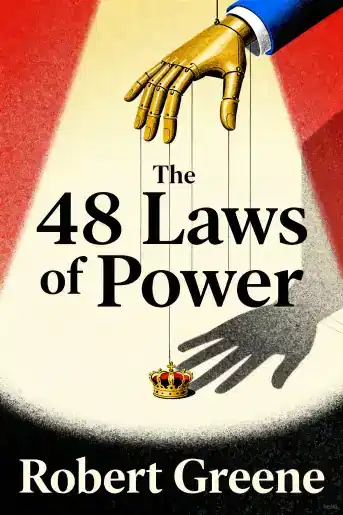
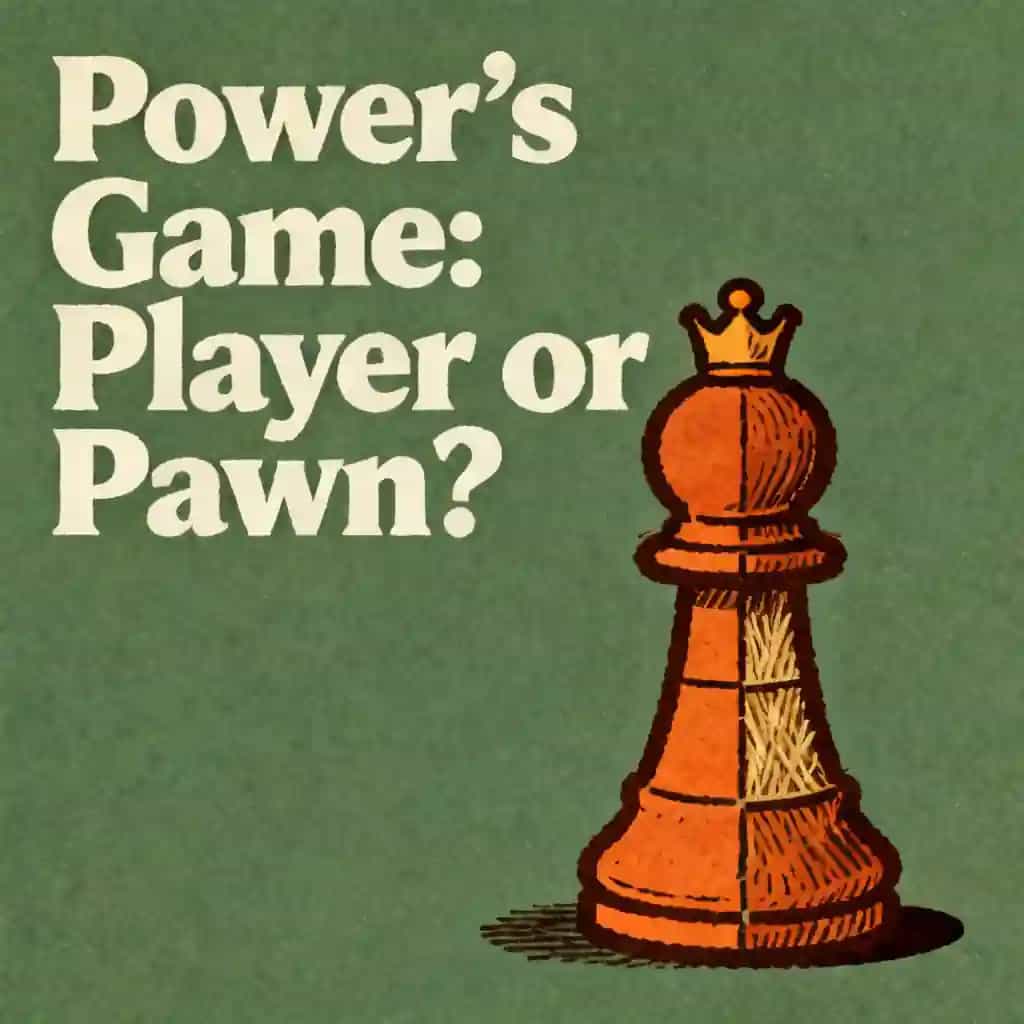
The 48 Laws of Power: Navigating the Social Game
Explore Robert Greene’s The 48 Laws of Power as a social game. Learn how to navigate power dynamics and strategic thinking in this modern civilized war.
Bestes Zitat aus The 48 Laws of Power: Navigating the Social Game
If the game is inescapable, you might as well be an artist at it rather than a 'bungler' who gets crushed because they refuse to see what's happening.
Generated by Aditya
Create a concise, intellectually rigorous audio lesson based exclusively on 'The 48 Laws of Power' by Robert Greene and Joost Elffers. Focus on the underlying system of power as a social game involving perception, status, and strategic behavior. Organize the 48 laws into thematic clusters (e.g., managing reputation, concealing intentions, emotional self-control) rather than a list. Include historical examples from the text, explicit counterarguments where laws might fail, and a final mental model for observing power dynamics. Maintain a skeptical, analytical researcher's tone, distinguishing Greene's arguments from established facts. Adhere to a 3,500-character limit and prioritize spoken-word delivery.


Häufig gestellte Fragen
In The 48 Laws of Power, Robert Greene reframes power dynamics as a social game that occurs in every conversation and office. It is described as a civilized war where individuals must balance the expectation to act fair and democratic with the internal need to be strategic. This paradox requires navigating modern life with a courtier-like awareness of the invisible rules governing human interaction.
Robert Greene defines the civilized war as the modern struggle for influence where people must appear decent and civilized on the outside while remaining strategic or even devious on the inside. Because feeling powerless is unbearable, individuals use these subtle tactics to get things done within a society that publicly values fairness, creating a complex psychological landscape for anyone seeking to understand power.
According to the discussion on Robert Greene's work, trying to opt out of the social game is often a power move in itself. People may flaunt their honesty or lack of ambition as a moral virtue to gain a different kind of influence. Greene is skeptical of the nonplayer, noting that even children use various means to gain control, suggesting that power dynamics are an inescapable part of human nature.
Von Columbia University Alumni in San Francisco entwickelt
BeFreed vereint eine globale Gemeinschaft wissbegieriger Menschen


"Instead of endless scrolling, I just hit play on BeFreed. It saves me so much time."


"I never knew where to start with nonfiction—BeFreed’s book lists turned into podcasts gave me a clear path."


"Perfect balance between learning and entertainment. Finished ‘Thinking, Fast and Slow’ on my commute this week."
"Crazy how much I learned while walking the dog. BeFreed = small habits → big gains."
"Reading used to feel like a chore. Now it’s just part of my lifestyle."

"Feels effortless compared to reading. I’ve finished 6 books this month already."
"BeFreed turned my guilty doomscrolling into something that feels productive and inspiring."

"BeFreed turned my commute into learning time. 20-min podcasts are perfect for finishing books I never had time for."
"BeFreed replaced my podcast queue. Imagine Spotify for books — that’s it. 🙌"

"It is great for me to learn something from the book without reading it."
"The themed book list podcasts help me connect ideas across authors—like a guided audio journey."
"Makes me feel smarter every time before going to work"
Von Columbia University Alumni in San Francisco entwickelt
BeFreed vereint eine globale Gemeinschaft wissbegieriger Menschen
"Instead of endless scrolling, I just hit play on BeFreed. It saves me so much time."
"I never knew where to start with nonfiction—BeFreed’s book lists turned into podcasts gave me a clear path."
"Perfect balance between learning and entertainment. Finished ‘Thinking, Fast and Slow’ on my commute this week."
"Crazy how much I learned while walking the dog. BeFreed = small habits → big gains."
"Reading used to feel like a chore. Now it’s just part of my lifestyle."
"Feels effortless compared to reading. I’ve finished 6 books this month already."
"BeFreed turned my guilty doomscrolling into something that feels productive and inspiring."
"BeFreed turned my commute into learning time. 20-min podcasts are perfect for finishing books I never had time for."
"BeFreed replaced my podcast queue. Imagine Spotify for books — that’s it. 🙌"
"It is great for me to learn something from the book without reading it."
"The themed book list podcasts help me connect ideas across authors—like a guided audio journey."
"Makes me feel smarter every time before going to work"
"Instead of endless scrolling, I just hit play on BeFreed. It saves me so much time."
"I never knew where to start with nonfiction—BeFreed’s book lists turned into podcasts gave me a clear path."
"Perfect balance between learning and entertainment. Finished ‘Thinking, Fast and Slow’ on my commute this week."
"Crazy how much I learned while walking the dog. BeFreed = small habits → big gains."
"Reading used to feel like a chore. Now it’s just part of my lifestyle."
"Feels effortless compared to reading. I’ve finished 6 books this month already."
"BeFreed turned my guilty doomscrolling into something that feels productive and inspiring."
"BeFreed turned my commute into learning time. 20-min podcasts are perfect for finishing books I never had time for."
"BeFreed replaced my podcast queue. Imagine Spotify for books — that’s it. 🙌"
"It is great for me to learn something from the book without reading it."
"The themed book list podcasts help me connect ideas across authors—like a guided audio journey."
"Makes me feel smarter every time before going to work"
"Instead of endless scrolling, I just hit play on BeFreed. It saves me so much time."
"I never knew where to start with nonfiction—BeFreed’s book lists turned into podcasts gave me a clear path."
"Perfect balance between learning and entertainment. Finished ‘Thinking, Fast and Slow’ on my commute this week."
"Crazy how much I learned while walking the dog. BeFreed = small habits → big gains."
"Reading used to feel like a chore. Now it’s just part of my lifestyle."
"Feels effortless compared to reading. I’ve finished 6 books this month already."
"BeFreed turned my guilty doomscrolling into something that feels productive and inspiring."
"BeFreed turned my commute into learning time. 20-min podcasts are perfect for finishing books I never had time for."
"BeFreed replaced my podcast queue. Imagine Spotify for books — that’s it. 🙌"
"It is great for me to learn something from the book without reading it."
"The themed book list podcasts help me connect ideas across authors—like a guided audio journey."
"Makes me feel smarter every time before going to work"


![[faeeb922-3fdb-44bc-b4d5-a5d64a436970:c0000] _OceanofPDF.com_48_laws_of_powers_-_Robert_Greene.epub p1-1](/_next/image?url=https%3A%2F%2Fd1y2du6z1jfm9e.cloudfront.net%2Fassets%2Fpodcast%2Fpurple.png&w=1024&q=50)
![[faeeb922-3fdb-44bc-b4d5-a5d64a436970:c0001] _OceanofPDF.com_48_laws_of_powers_-_Robert_Greene.epub p1-1](/_next/image?url=https%3A%2F%2Fd1y2du6z1jfm9e.cloudfront.net%2Fassets%2Fpodcast%2Fyellow.png&w=1024&q=50)