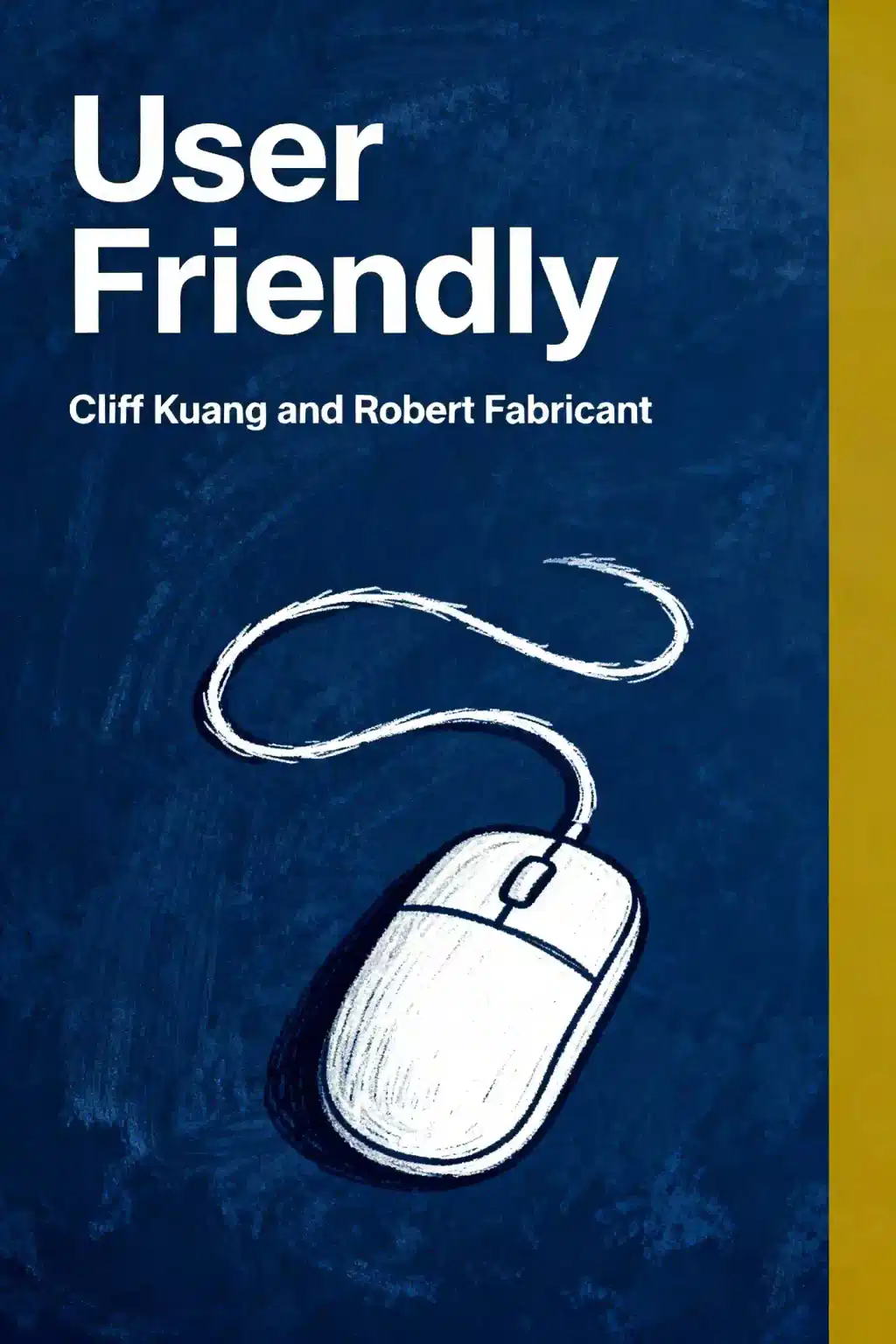
User Friendly: Wie die Welt am Computer erfunden wurde und warum wir sie heute so erleben, wie sie ist
Wie die verborgenen Regeln des Designs die Art und Weise verändern, wie wir leben, arbeiten und spielen
Überblick über User Friendly: Wie die Welt am Computer erfunden wurde und warum wir sie heute so erleben, wie sie ist
„User Friendly“ enthüllt, wie Design unser Leben unsichtbar prägt, und zeichnet die Entwicklung von UX vom Feminismus der 1920er Jahre bis zum Aufstieg des Silicon Valley nach. Als grundlegender Text für das Verständnis unserer Beziehung zur Technologie fordert es Designer heraus, Produkte zu schaffen, die das menschliche Wohlbefinden über süchtig machende Benutzeroberflächen stellen.
Kernthemen in User Friendly: Wie die Welt am Computer erfunden wurde und warum wir sie heute so erleben, wie sie ist
- human-centered design
- user experience history
- error-tolerant systems
- machine-human interaction
- cognitive psychology application
Zitate aus User Friendly: Wie die Welt am Computer erfunden wurde und warum wir sie heute so erleben, wie sie ist
Critical information was "squirreled away out of sight."
Humans might make errors, but they aren't wrong.
Certain combinations of color, light, and line would bring a wave of applause.
Why not use man as the starting point for all design?
The toll was counted in lives lost when technology stopped making sense.
Personen in User Friendly: Wie die Welt am Computer erfunden wurde und warum wir sie heute so erleben, wie sie ist
- Henry DreyfussIndustrial designer who pioneered human-centered design
- Donald NormanCognitive scientist who coined 'user experience'
- Christine FrederickHome economist who applied scientific management to housework
- Fred ScheimannNuclear facility worker during the Three Mile Island crisis
Zusammenfassung von User Friendly: Wie die Welt am Computer erfunden wurde und warum wir sie heute so erleben, wie sie ist herunterladen
Erhalten Sie die User Friendly: Wie die Welt am Computer erfunden wurde und warum wir sie heute so erleben, wie sie ist-Zusammenfassung als kostenloses PDF oder EPUB. Drucken Sie es aus oder lesen Sie es jederzeit offline.