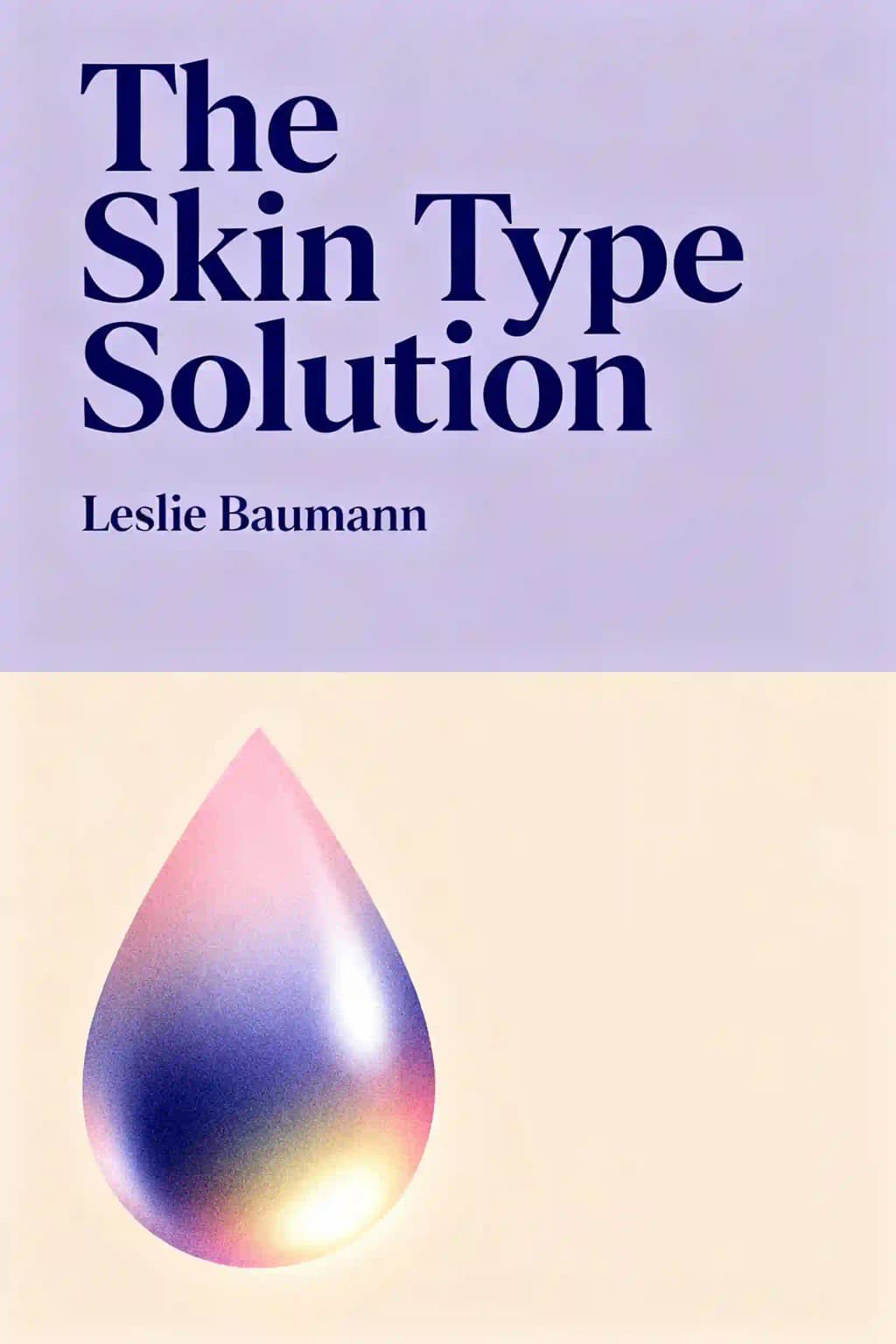
Revolutionizing skincare beyond "dry" and "oily," Dr. Baumann's New York Times bestseller identifies 16 unique skin types, sparking a PBS special and global industry shift. What's your true skin type - and why are dermatologists worldwide adopting her system?
Dr. Leslie Baumann, a board-certified dermatologist and bestselling author of The Skin Type Solution, is a pioneering skincare expert renowned for revolutionizing personalized cosmetic dermatology.
A clinical researcher, she is the founder of the first university-based academic cosmetic dermatology center at the University of Miami. Baumann’s work bridges medical science and practical skincare regimens. Her book—a New York Times bestseller—explores tailored solutions for diverse skin types, informed by her landmark research on injectables like Botox and Juvéderm.
Baumann has also authored the globally recognized textbook Cosmetic Dermatology: Principles and Practice and Cosmeceuticals and Cosmetic Ingredients, establishing her as a leading authority in aesthetic medicine. She contributes to media platforms like the Miami Herald and hosts the YouTube channel SkinTypeSolutions, distilling complex dermatological insights into accessible content.
The Skin Type Solution has been translated into over 10 languages, reflecting its international impact on skincare practices.
The Skin Type Solution by Dr. Leslie Baumann provides a scientifically backed framework for personalized skincare. It introduces the Baumann Skin Typing System, which categorizes skin into 16 unique types using a diagnostic quiz. Readers receive tailored advice on ingredients to avoid, product recommendations across budgets, and regimens to address concerns like aging, acne, and sensitivity.
This book is ideal for anyone seeking a customized skincare approach, particularly those struggling with inconsistent results from generic products. Dermatology professionals, skincare enthusiasts, and individuals with acne-prone, aging, or sensitive skin will benefit from its evidence-based methodology and actionable routines.
Yes, despite being published in 2006, its core principles remain relevant. Dr. Baumann’s skin typing system is still used by dermatologists globally, and the book’s online portal provides updated product lists to address formulary changes.
The system uses a 60-question quiz to classify skin based on four factors: hydration, oiliness, sensitivity, and pigmentation. Combinations of these traits create 16 skin types (e.g., “Oily, Sensitive, Pigmented, Wrinkled”). Each type receives specific ingredient guidelines and product recommendations to optimize skin health.
Dr. Baumann suggests drugstore to medical-grade brands tailored to each skin type. For example, dry-sensitive types may need ceramide-rich moisturizers, while oily-resistant types benefit from non-comedogenic sunscreens. The book avoids promoting specific brands, focusing instead on ingredient efficacy.
While the book acknowledges diet’s impact on inflammation and collagen production, it offers minimal specifics beyond general advice like “eat more fruits and vegetables.” Critics note this as a gap compared to its detailed product analyses.
Dr. Baumann is a board-certified dermatologist, researcher, and bestselling author. She founded the first academic cosmetic dermatology center at the University of Miami, conducted pioneering Botox trials, and authored the leading textbook Cosmetic Dermatology, translated into eight languages.
The book complements but doesn’t replace professional care. It’s designed for at-home skincare optimization, while complex issues (e.g., cystic acne, rosacea) still require medical intervention. Dr. Baumann emphasizes consulting a dermatologist for persistent concerns.
Unlike generic guides, it offers personalized routines via its 16-type system. Paula Begoun (author of Don’t Go to the Cosmetics Counter Without Me) praises its evidence-based approach, calling it “the best book on skincare” for its scientific rigor and lack of brand bias.
Some 2006-recommended products are discontinued, but Dr. Baumann’s SkinTypeSolutions.com provides updated lists. The book’s ingredient-focused advice remains valid, allowing readers to adapt recommendations to current brands.
Critics note occasional oversimplification (e.g., limited dietary guidance) and reliance on self-reported quiz answers, which may misclassify skin types. However, most reviewers praise its practicality and scientific foundation.
Erlebe das Buch durch die Stimme des Autors
Verwandle Wissen in fesselnde, beispielreiche Erkenntnisse
Erfasse Schlüsselideen blitzschnell für effektives Lernen
Genieße das Buch auf unterhaltsame und ansprechende Weise
This system has become the gold standard for personalized skincare.
Sun protection is absolutely essential for preventing wrinkles.
Zerlegen Sie die Kernideen von Skin Type Solution in leicht verständliche Punkte, um zu verstehen, wie innovative Teams kreieren, zusammenarbeiten und wachsen.
Erleben Sie Skin Type Solution durch lebhafte Erzählungen, die Innovationslektionen in unvergessliche und anwendbare Momente verwandeln.
Fragen Sie alles, wählen Sie Ihren Lernstil und gestalten Sie Erkenntnisse, die wirklich zu Ihnen passen.

Von Columbia University Alumni in San Francisco entwickelt
"Instead of endless scrolling, I just hit play on BeFreed. It saves me so much time."
"I never knew where to start with nonfiction—BeFreed’s book lists turned into podcasts gave me a clear path."
"Perfect balance between learning and entertainment. Finished ‘Thinking, Fast and Slow’ on my commute this week."
"Crazy how much I learned while walking the dog. BeFreed = small habits → big gains."
"Reading used to feel like a chore. Now it’s just part of my lifestyle."
"Feels effortless compared to reading. I’ve finished 6 books this month already."
"BeFreed turned my guilty doomscrolling into something that feels productive and inspiring."
"BeFreed turned my commute into learning time. 20-min podcasts are perfect for finishing books I never had time for."
"BeFreed replaced my podcast queue. Imagine Spotify for books — that’s it. 🙌"
"It is great for me to learn something from the book without reading it."
"The themed book list podcasts help me connect ideas across authors—like a guided audio journey."
"Makes me feel smarter every time before going to work"
Von Columbia University Alumni in San Francisco entwickelt

Erhalten Sie die Skin Type Solution-Zusammenfassung als kostenloses PDF oder EPUB. Drucken Sie es aus oder lesen Sie es jederzeit offline.
Have you ever wondered why that miracle cream your best friend swears by left your skin irritated and inflamed? The beauty industry has been operating on a fundamentally flawed premise: that all skin can be categorized into just four types. Dr. Leslie Baumann's revolutionary research proves this couldn't be further from the truth. After studying thousands of patients, she discovered sixteen distinct skin types, each requiring its own specific care regimen. This isn't just another beauty theory-it's a scientifically validated system that has transformed dermatological practice worldwide. The average woman spends over $300,000 on skincare products in her lifetime, yet most of us are using completely wrong products for our skin type. Understanding your unique skin profile isn't just about looking better-it's about saving money, time, and the emotional toll of skincare disappointments.
Your skin's behavior is determined by four key parameters that create your unique profile. First is the oily vs. dry spectrum, measuring your skin's natural hydration level. Your skin barrier functions like a brick wall with cells as bricks held together by lipids. When this barrier weakens, moisture escapes and irritants enter. Oil production, influenced by genetics, hormones, and stress, creates a protective film affecting skin health. The second parameter - sensitive vs. resistant - determines how your skin reacts to products and environment. Resistant skin has a fortress-like barrier preventing irritants from penetrating deeper layers. Sensitive skin (affecting over 40% of people) includes four subtypes: acne (affecting 40-50 million Americans), rosacea (facial redness), stinging (intense reactions without visible signs), and allergic (inflammatory responses to specific ingredients). Pigmented vs. non-pigmented measures your likelihood of developing dark spots, regardless of ethnicity. Those with pigmented skin tend to develop melasma (affecting up to 70% of pregnant women), sun spots, or post-inflammatory hyperpigmentation after trauma. Wrinkled vs. tight evaluates your skin's aging tendencies. While genetic aging is inevitable, environmental factors like smoking (accelerating aging by up to 10 years), pollution (causing up to 25% of facial aging), and sun exposure (causing up to 90% of visible aging) can be controlled. Consistent sunscreen use can reduce skin aging by 24% over four years - even when started later in life.
The Baumann questionnaire, developed through research with over 100,000 patients, examines skin behavior after washing, appearance under lighting, makeup wear, and responses to environmental changes. For oily vs. dry assessment, it analyzes pore size and sebum production. Scores range from 11-44, with scores above 33 indicating oily tendencies and below 22 suggesting dry characteristics. The sensitive vs. resistant parameter explores product reaction history, diagnosed conditions like rosacea or eczema, and environmental trigger responses. The pigmented vs. non-pigmented assessment examines melanin behavior, including hyperpigmentation patterns and sun reactions. The wrinkled vs. tight evaluation analyzes current skin condition and future aging trajectory through family patterns and lifestyle factors. Your scores generate one of sixteen possible skin types, each requiring specific approaches to address multiple concerns simultaneously. The system recognizes that skin type isn't static - seasonal changes, hormonal fluctuations, stress, and environmental conditions can cause temporary shifts in skin behavior, requiring periodic reassessment.
About 20% of adults have oily, sensitive skin (OSPW, OSPT, OSNW, and OSNT)-a challenging combination requiring oil control without triggering sensitivity reactions. OSPW types typically have sun damage history, combining oil production with sensitivity, pigmentation issues, and accelerated wrinkles. They need non-irritating sunscreens that won't increase oiliness. OSPTs experience cycles of breakouts followed by brown spots, as treating acne becomes complicated by sensitivity. The silver lining? Oil production decreases with age, and sebum may have protected your skin from some wrinkles. OSNWs contend with facial redness and acne that can cause social discomfort. These fair-skinned individuals burn easily, flush readily, and may develop rosacea early. Even minimal sun exposure can trigger prolonged flare-ups. OSNTs mainly struggle with facial flushing in social settings, though they typically age well without significant wrinkles or dark spots. For all oily, sensitive types, seek products that control oil while reducing inflammation. Ingredients like aloe vera, chamomile, and niacinamide are beneficial, while harsh detergents, alcohols, and synthetic fragrances should be avoided.
If your skin tolerates almost anything while producing excess oil, you likely have one of the oily, resistant types (ORPW, ORPT, ORNW, or ORNT). This resilience is both blessing and challenge - you can experiment freely, but your protective barrier requires more potent formulations to achieve results. ORPWs face excessive oiliness, enlarged pores, stubborn hyperpigmentation, and premature wrinkles. Though persistent, these issues respond well to aggressive treatments. ORPTs have a more manageable skin type with advantages outweighing drawbacks. Their skin maintains healthy appearance with excellent aging resistance and natural sun protection from melanin. ORNWs often experience minimal concerns early on, leading to complacency. Many navigate teenage years with only occasional breakouts, never developing specialized care routines until aging signs appear suddenly later. ORNTs represent the ideal combination - naturally flawless, uniformly-toned, luminous skin with minimal maintenance needs. All oily, resistant types benefit from higher concentrations of active ingredients. These skin types can successfully use stronger percentages of retinoids, alpha hydroxy acids, and vitamin C that sensitive skin couldn't tolerate.
Dry, sensitive skin types (DSPW, DSPT, DSNW, and DSNT) face challenging conditions with chronically dry, flaky skin that reacts to numerous ingredients. DSPWs experience extreme hyperreactivity, often suffering from conditions like eczema with severe irritation and inflammation due to compromised barrier function. DSPTs struggle with both severe dryness and sensitivity. In people of color, this dryness appears as "ashiness" - grayish white flakes against darker skin tones. DSNWs contend with unpredictable skin that can shift from calm to irritated without warning, facing a paradox where desperately dry skin needs moisture, yet many hydrating products trigger reactions. DSNTs typically have fair, delicate skin with a porcelain-like quality that demands vigilant protection. All dry, sensitive types must prioritize repairing and maintaining the skin barrier through ingredients like ceramides and essential fatty acids while avoiding irritants and protecting from environmental extremes to prevent flare-ups.
Understanding your unique skin type eliminates the guesswork and trial-and-error that frustrates many skincare consumers. Once you identify your specific type among the sixteen possibilities, you can select products formulated for your exact needs rather than wasting money on inappropriate options. The system helps you recognize when professional dermatological intervention might be necessary and empowers you with knowledge beyond marketing claims. You'll learn to read ingredient lists critically and identify which trendy ingredients actually benefit your specific skin type. Your skin is as unique as your fingerprint. The beauty industry's traditional approach of categorizing everyone into four basic types has failed millions. By understanding the complex interplay of oil, sensitivity, pigmentation, and aging tendencies that create your unique skin profile, you can achieve what seemed impossible: skin that looks and feels its absolute best. Your perfect skin solution isn't about following trends - it's about honoring your skin's individual nature and giving it exactly what it needs.