Kapitel 1
The Industrial Corn Takeover: How One Crop Conquered America
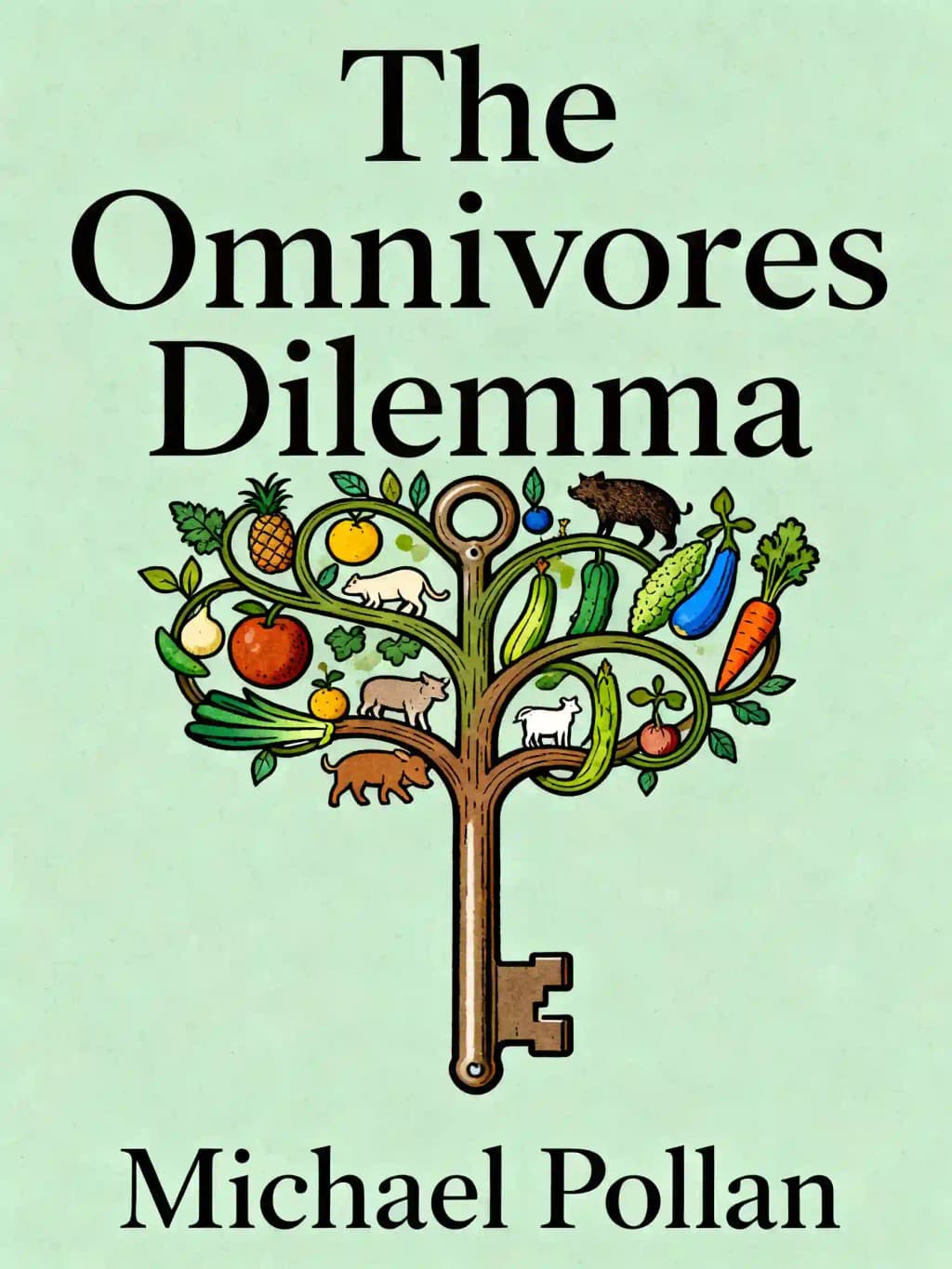
When you stand in a modern American supermarket surrounded by over 45,000 products, you might believe you're witnessing tremendous food diversity. Look closer. That illusion shatters when you realize a single species-corn-lurks behind most of those colorful packages. The Twinkie in your hand? Primarily corn. That non-dairy creamer? Mostly corn derivatives. Even the meat in the butcher section was likely corn-fed. This agricultural monoculture represents one of the most profound transformations in human food history.
Corn's conquest of America is a remarkable evolutionary success story. This plant, originally domesticated in Mexico, evolved a unique reproductive strategy that made it entirely dependent on humans for survival. Unlike other grains that can self-seed, corn's kernels remain trapped in a tough husk unless humans intervene. This "evolutionary bargain" created a symbiotic relationship-corn feeds us, and we ensure its continued existence by planting it each year.
What makes corn particularly suited for industrial agriculture is its sex life. Corn's unusual reproductive arrangement-with male tassels at the top and female silks below-allows for controlled hybridization. Native Americans understood this and developed diverse corn varieties for different environments. Modern agricultural science amplified this process, creating hybrids that thrive when planted in dense, uniform stands-essentially transforming corn into the perfect factory crop.
The result? Americans today are, quite literally, walking corn. Isotope analysis of American hair and tissue reveals that corn carbon makes up a shocking percentage of our physical bodies. Through clever industrial processing, we've turned a single crop into countless forms, creating the illusion of diversity where little exists. We've become, as the Maya believed of themselves, "people made of corn"-though unlike them, most of us remain blissfully unaware of this fundamental transformation.
Kapitel 2
The Modern Farm: A Factory in Disguise
Picture George Naylor's Iowa farm: 129 people fed by one farmer growing endless rows of corn and soybeans. This remarkable efficiency hides a troubling paradox-despite feeding so many, Naylor's farm can't feed his own family directly. The corn he grows isn't edible without industrial processing, and his operation can barely sustain itself financially without government subsidies and off-farm income.
The modern farm has become a strange entity-incredibly productive yet economically fragile. When I visited Naylor's farm to help plant corn, the process revealed how far we've strayed from traditional agriculture. We planted thirty thousand identical hybrid corn seeds per acre, creating what Naylor calls a "city of corn." These densely packed plants, genetically identical and dependent on synthetic fertilizers, represent the triumph of industrial logic over biological diversity.
This transformation has come at a steep cost. Iowa's landscape, once home to diverse crops and livestock, has been reduced to a corn-soybean duopoly. The disappearance of animals from farms has enabled this monoculture by eliminating the need for diverse feed crops and pasture. Meanwhile, rural towns like Churdan have become ghost towns as farm consolidation pushes people off the land.
What enabled this radical transformation? The answer lies partly in synthetic nitrogen fertilizer, developed after World War II from repurposed munitions factories. The Haber-Bosch process, which fixes atmospheric nitrogen into a form plants can use, freed corn from its natural fertility limits. Before synthetic fertilizer, farmers needed diverse crop rotations and animal manure to maintain soil fertility. After its introduction, they could grow corn continuously on the same land, setting the stage for today's industrial monoculture.
The economic forces driving this system are perverse. Despite record harvests, corn prices have fallen below production costs, creating what Naylor calls the "plague of cheap corn." Farmers respond to falling prices not by cutting production but by planting more corn to maintain cash flow-a vicious cycle that drives prices even lower. This paradoxical response, which Naylor illustrates as the "Naylor Curve," defies conventional economic logic but makes sense when farmers have few alternatives and face mounting debts.
Kapitel 3
From Field to Feedlot: Corn's Journey Through Animals
Where does all this excess corn go? Much of it travels to places like Garden City, Kansas, where vast feedlots transform corn into meat. These cattle cities-urban grids housing thousands of animals-represent another industrial innovation: the transformation of herbivores into corn-consuming machines.
The contrast between traditional ranching and feedlot finishing couldn't be starker. On South Dakota's Blair Ranch, cattle graze naturally on prairie grasses, moving frequently to mimic the patterns of wild bison. This approach works with the animals' biology and the land's ecology. But at the feedlot, nature's logic is inverted. Cattle, evolved to eat grass, are forced to consume corn because it's cheap and fattens them quickly.
This biological mismatch creates problems. Corn acidifies the bovine rumen, causing health issues that require constant antibiotic intervention. The feedlot becomes a strange pre-modern city, complete with waste management problems and pharmaceutical dependencies. The cattle's journey from pasture to feedlot represents a semi-circular food cycle-grass converted to corn, corn fed to cattle-with fossil fuels providing the energy to make this inefficient process economically viable.
Why pursue such a biologically questionable system? Economics again provides the answer. Cheap corn creates incentives to find new uses for it, and fattening cattle quickly maximizes profits in a system where time equals money. The industrial logic that transformed farms has similarly transformed animal husbandry, prioritizing throughput over biological appropriateness.
Kapitel 4
Processing Plants: Breaking Down and Rebuilding Our Food
After leaving the farm, most corn enters massive processing facilities where it's deconstructed into components that form the building blocks of processed foods. These mills separate corn into its constituent parts-starch, oil, protein, fiber-which then become ingredients in thousands of products.
The evolution of corn milling illustrates our increasing technical control over food. Early techniques used acids to break down corn starch into simpler sugars. Modern methods employ specific enzymes to create precisely calibrated sweeteners like high-fructose corn syrup (HFCS). This technological marvel-converting one plant into countless derivatives-represents the triumph of industrial ingenuity over natural constraints.
This processing revolution has shifted power in the food system from farmers to corporations. Companies like Cargill and Archer Daniels Midland transform raw agricultural commodities into value-added ingredients, capturing profits that once might have gone to farmers. The economics are compelling: a bushel of corn worth a few dollars can be processed into products worth many times more.
The result is a food system where processing, not farming, generates the most value. This shift has profound implications for how we eat. Processing allows manufacturers to bypass the natural limits of seasonality and geography, creating products that are available anywhere, anytime. It also enables the creation of novel foods with precisely engineered tastes, textures, and shelf lives-foods designed to maximize appeal and consumption rather than nutrition.
Kapitel 5
The Republic of Fat: How Corn Sweetened America
America's relationship with excess corn has created recurring public health crises. In the early 19th century, corn whiskey was so abundant that alcoholism became a national epidemic-the original "republic of fat." Today, we face a similar crisis with obesity, driven partly by our overconsumption of corn in the form of HFCS.
The parallel is striking. In both cases, agricultural overproduction created pressure to find new ways to consume the surplus. In the 1800s, distilling corn into whiskey was the solution. Today, processing corn into sweeteners has had similar effects, flooding our food system with cheap calories that our bodies haven't evolved to handle in such quantities.
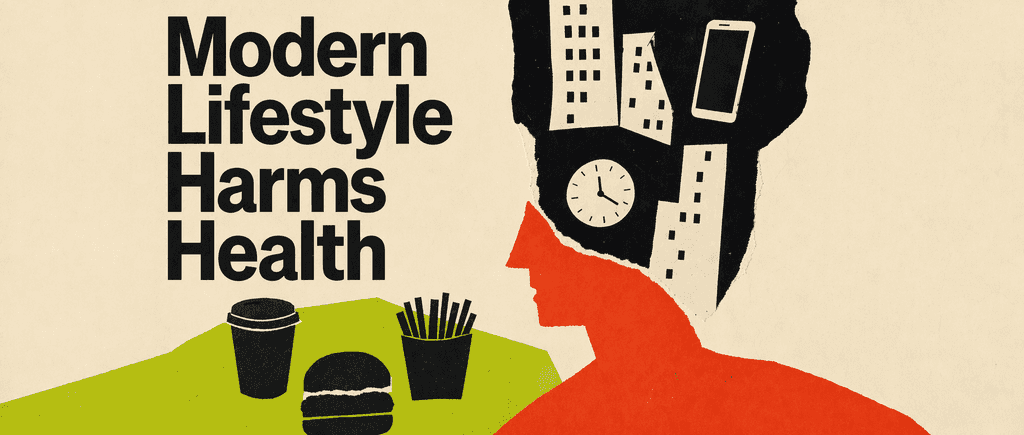
The ubiquity of HFCS in processed foods has contributed to rising obesity rates and related health problems. Yet despite growing awareness of these issues, our food system continues to prioritize abundance and convenience over health. The industrial food chain, optimized for efficiency and volume, delivers calories more cheaply than at any point in human history-but at what cost to our wellbeing?
Kapitel 6
Fast Food Nation: The Ultimate Industrial Meal
The culmination of the industrial food chain appears on the plastic trays of fast-food restaurants nationwide. A McDonald's meal-consumed in a car, the ultimate expression of eating on the go-represents corn's total victory. The soda is sweetened with corn syrup. The chicken nuggets contain corn flour and corn oil. Even the beef patty comes from corn-fed cattle.
This meal embodies the industrial food chain's priorities: speed, consistency, and convenience above all else. Food becomes fuel, consumed quickly without much thought to its origins or composition. The experience is designed to be frictionless, with standardized products that taste identical whether you're in Maine or California.
But something is lost in this efficiency. The connection between eater and eaten becomes abstract. Food becomes a commodity rather than a relationship. The pleasure of eating-one of humanity's most fundamental experiences-is reduced to the quick satisfaction of cravings engineered by food scientists.
When analyzed in a mass spectrometer, the carbon in fast food reveals its corn origins. We've created a food system that presents the illusion of diversity while delivering mostly repackaged corn. Our supposed omnivory has narrowed dramatically, even as our apparent choices have multiplied.
Kapitel 7
Pastoral Alternatives: The Grass-Based Food Chain
Not all modern agriculture follows the industrial model. At Polyface Farm in Virginia's Shenandoah Valley, Joel Salatin practices a radically different approach centered on grass rather than corn. Salatin calls himself a "grass farmer," recognizing that this often-overlooked plant forms the foundation of a sustainable food system.
Sitting in Salatin's lush pasture on the first day of summer, the contrast with industrial agriculture becomes clear. Here, animals move through carefully managed paddocks, mimicking natural grazing patterns. Cattle graze intensively for short periods before moving to fresh pasture. Chickens follow days later, spreading the manure and eating insect larvae. This choreographed dance of animals creates a self-reinforcing cycle of fertility.
Salatin's approach represents a fundamentally different relationship with nature. Rather than fighting biological systems through monoculture and chemical inputs, he works with them, creating synergies between different species. The result is a farm that produces abundant food while building soil fertility rather than depleting it.
The economics are different too. By selling directly to consumers and local restaurants, Salatin captures more of the food dollar than commodity farmers. His products-eggs with vibrant orange yolks, chickens with actual flavor-command premium prices because they offer qualities that industrial food can't match.
This grass-based system requires more human involvement and attention than industrial agriculture. Salatin and his team constantly observe and respond to conditions, moving animals at just the right time to maximize both their welfare and the land's productivity. This approach demands both physical labor and ecological knowledge-a stark contrast to the mechanized simplicity of industrial farming.
Kapitel 8
Big Organic: When Alternative Goes Mainstream
The success of pioneers like Salatin inspired a broader organic movement that has now become a major industry. Walking through Whole Foods reveals how far organic has come from its countercultural roots. The store's "Supermarket Pastoral" narrative-evocative descriptions of happy animals and caring farmers-sells a compelling story alongside organic products.
This narrative addresses real concerns about industrial food, offering reassurance that organic products align with values like sustainability and animal welfare. But the reality of "Big Organic" often falls short of this pastoral ideal. Many organic products come from industrial-scale operations that, while avoiding synthetic chemicals, otherwise resemble conventional agriculture.
The journey of Cascadian Farm illustrates this transformation. Founded by Gene Kahn as a small hippie farm in Washington state, it eventually became a brand owned by General Mills. This evolution from alternative to mainstream required compromises, as the idealistic vision of organic farming confronted the realities of scaling up to meet growing demand.
The organic standards themselves reflect this tension. When the USDA developed regulations for organic certification, fierce battles erupted over what practices should qualify. Big food companies successfully lobbied for allowances that made industrial-scale organic production viable, including provisions for confined animal operations and certain synthetic additives in processed organic foods.
Visiting an industrial organic farm reveals both the benefits and limitations of this approach. Earthbound Farm in California's Salinas Valley grows organic greens on thousands of acres using methods that, while chemical-free, otherwise resemble conventional agriculture. Their spring mix travels through the same national distribution system as conventional produce, requiring substantial energy for refrigeration and transportation.
Similarly, "free-range" organic chickens often live in conditions only marginally better than conventional birds. At Petaluma Poultry, Rosie the organic chicken technically has outdoor access, but the small concrete porches attached to the large sheds rarely see much use. The birds, the same fast-growing Cornish Cross breed used in conventional production, live short lives focused on efficient weight gain.
An organic industrial meal, while free from pesticides and synthetic hormones, still embodies many of the same contradictions as conventional fast food. The ingredients may travel thousands of miles, burning fossil fuels along the way. The processing and packaging consume substantial resources. The fundamental disconnection between eater and eaten remains.
Kapitel 9
The Complexity of Grass: A Different Way of Seeing
Understanding grass-based agriculture requires a perceptual shift. To most people, grass is an undifferentiated green backdrop. To a cow or a grass farmer, it's a diverse community of plants with distinct qualities and growth patterns. This difference in perception reflects deeper philosophical differences between industrial and ecological approaches to food.
Joel Salatin's rotational grazing system demonstrates this alternative perspective. By carefully managing when and how animals graze, he maximizes both the productivity of the land and the quality of the animals' diet. Cattle are moved daily to fresh paddocks, ensuring they always eat grass at its nutritional peak. This approach requires constant observation and adjustment-a stark contrast to the set-it-and-forget-it mentality of industrial agriculture.
The economics of grass farming also differ fundamentally from commodity agriculture. Rather than maximizing yield of a single crop, grass farmers optimize the overall productivity of a diverse ecosystem. They measure success not just in pounds of meat produced but in soil built, carbon sequestered, and landscape health improved.
This approach demands a different relationship with time. Industrial agriculture accelerates natural processes through chemical inputs and genetic manipulation. Grass farming works within biological timeframes, respecting the growth cycles of plants and animals. This patience yields dividends in sustainability and resilience, even if it doesn't maximize short-term output.
Kapitel 10
The Ethics of Eating Animals: Navigating Moral Complexity
The question of whether to eat animals presents one of the most challenging aspects of the omnivore's dilemma. Reading Peter Singer's "Animal Liberation" while eating a steak creates a cognitive dissonance that's hard to resolve. Singer's arguments against "speciesism" challenge the conventional moral hierarchy that places human interests above those of other animals.
The ethical questions become particularly acute when considering factory farming. These systems prioritize efficiency over animal welfare, often causing suffering that's difficult to justify morally. Confined spaces, unnatural diets, and genetic manipulation for rapid growth create conditions that would shock many consumers if they witnessed them directly.
Yet the vegetarian alternative comes with its own dilemmas. Abandoning meat means stepping outside culinary traditions that have defined cultures for generations. Family gatherings, holiday celebrations, and social bonding often center around shared meals that include meat. The vegetarian must navigate these situations, potentially feeling isolated or disruptive.
The question of animal suffering adds another layer of complexity. While animals clearly feel pain, philosophers debate whether they experience suffering in the same way humans do. Some argue that suffering requires self-awareness and language-capacities that may be uniquely human. Others contend that the similar neurological responses to pain across species suggest comparable experiences of distress.
A middle path emerges when considering animal happiness rather than just suffering. At farms like Polyface, animals express natural behaviors and appear genuinely content. Chickens scratch in the pasture, pigs root in the forest floor, and cattle graze on diverse grasses. This suggests the possibility of an ethical symbiosis between humans and domesticated animals-one where both parties benefit from the relationship.
The vegan utopia, where humans abstain from all animal products, presents its own contradictions. From a farmer's perspective, sustainable agriculture often requires animal integration for nutrient cycling and pest management. Even plant agriculture causes animal deaths through habitat disruption, harvesting, and pest control. There may be no way to eat without some impact on other creatures.
Perhaps the focus should shift from whether to eat animals to how those animals live and die. The lack of transparency in industrial meat production-companies' refusal to allow cameras in slaughterhouses-suggests a system that can't bear public scrutiny. In contrast, farms that practice humane husbandry and slaughter have nothing to hide. They recognize that death is part of life but strive to ensure that the animals in their care have good lives and dignified deaths.
Kapitel 11
Hunting and Gathering: Reconnecting with Food's Origins
To truly understand our relationship with food, I decided to create a meal entirely from ingredients I had hunted, gathered, or grown myself. This project wasn't about practical solutions to feeding the world but about exploring the most direct food chain possible-one where I took personal responsibility for every bite.
Hunting transforms perception. Walking through the woods with a rifle creates a heightened awareness unlike everyday experience. Every sense sharpens as you scan for movement, listen for sounds, and try to think like your prey. This state of attention feels primal, connecting to instincts buried beneath layers of civilization.
My first hunting attempt ended in failure when I wasn't ready for a sudden opportunity. The second succeeded, resulting in a large wild pig. The emotional response surprised me-pride mixed with gratitude toward the animal itself. The subsequent field dressing brought me face-to-face with the reality of turning a living creature into meat, a process both viscerally challenging and profoundly educational.
Gathering wild mushrooms offered different lessons. Under Angelo Garro's guidance, I learned to "get eyes on" for chanterelles, developing the perceptual skills to spot them amid the forest floor. The process revealed how much of nature remains invisible until we learn to see it. The mysterious life cycle of fungi-appearing unpredictably yet following patterns we only partially understand-highlighted how much remains beyond human control or comprehension.
Foraging creates a different relationship with the landscape than either farming or shopping. Rather than imposing order on nature or abstracting food into commodities, the forager must work within nature's patterns, accepting both abundance and scarcity. This relationship lacks the control of agriculture but offers a freedom and connection that modern food systems often sacrifice for convenience.
Kapitel 12
The Perfect Meal: A Celebration of Connection
The culmination of my journey was a meal made entirely from ingredients I had personally hunted, gathered, or grown. Planning this feast required navigating practical challenges-seasonal availability, preservation methods, and the limits of my own skills. Some aspirations proved impossible, like gathering salt from San Francisco Bay, which revealed itself as an industrial landscape rather than a pristine natural resource.
Preparing the meal took an entire day, with each ingredient requiring specific attention. Wild pig became pork shoulder and pate. Gathered mushrooms were carefully cleaned and cooked. Garden vegetables were harvested at peak ripeness. The process connected me to the traditional labor of cooking in a way that opening packages never could.
When guests arrived, the meal became a celebration of connection-to the land, to each other, and to the processes that sustain us. The conversation flowed naturally around topics of food, nature, and community. The flavors were distinctive and vibrant, reflecting the unique origins of each ingredient. The wild pig tasted distinctly of the acorns it had eaten, creating a flavor profile impossible to replicate with industrial meat.
The transparency of this meal-knowing exactly where each ingredient came from and what it took to obtain it-created a different kind of satisfaction than conventional eating. Nothing was hidden or abstracted. The ecological footprint was visible and comprehensible. The labor involved was acknowledged rather than outsourced and forgotten.
This perfect meal wasn't a practical model for feeding billions but a reminder of what's been lost in our industrial food system. The connection between eater and eaten, the appreciation for nature's gifts, the communal aspect of sharing food-these elements have been sacrificed for efficiency and convenience. Yet they represent fundamental aspects of human experience that perhaps we shouldn't surrender so easily.
Kapitel 13
Confronting the Omnivore's Dilemma in Modern Life
The omnivore's dilemma-what should we eat when we can eat almost anything?-has become more complex in the modern world. Traditional cuisines once solved this problem through cultural wisdom accumulated over generations. These food traditions balanced nutrition, pleasure, and sustainability in ways that modern eaters, bombarded with conflicting advice and marketing messages, struggle to achieve.
America's lack of a stable food culture makes us particularly vulnerable to dietary confusion. Without strong culinary traditions to guide us, we swing between extremes-embracing carbophobia one decade and fat-free diets the next. Food marketers exploit this uncertainty, constantly creating new products and eating occasions to drive consumption.
How can we navigate this complexity? Perhaps by becoming more conscious of the food chains that sustain us. The industrial system offers convenience and abundance but often at the cost of health, environmental sustainability, and connection. The organic alternative provides some improvements but frequently reproduces industrial logic with fewer chemicals. The local, diversified approach exemplified by Polyface Farm offers a more fundamental reimagining of our relationship with food.
Each meal represents a choice about what kind of food system we want to support. Do we prioritize convenience and low prices above all else? Are we willing to pay more for food produced in ways that align with our values? How do we balance personal preferences with broader concerns about sustainability and ethics?
There's no single right answer to the omnivore's dilemma. Each person must navigate these questions based on their own circumstances and values. But asking the questions-becoming conscious of the implications of our food choices-is itself a radical act in a system designed to keep production methods obscure and consumers passive.
Perhaps the most valuable lesson from this journey is the importance of connection-to the land, to the animals and plants that feed us, and to the people who grow our food. When we know where our food comes from and understand what it took to produce it, we eat with greater awareness and appreciation. This consciousness doesn't solve all problems, but it provides a foundation for making choices that nourish not just our bodies but also the communities and ecosystems we depend upon.
The omnivore's dilemma will never disappear entirely. As creatures who can eat almost anything, we will always face choices about what to put on our plates. But we can approach these choices with greater wisdom, seeking not just immediate gratification but also deeper satisfaction-the kind that comes from eating in ways that sustain rather than deplete the world around us.