
The Architecture of Happiness: The Secret Art of Furnishing Your Life

Überblick über The Architecture of Happiness
Why are our homes and buildings so crucial to our happiness? Alain de Botton's acclaimed philosophical journey - named one of 2006's best nonfiction books - reveals how architecture shapes our psychology, challenging us to see our surroundings as extensions of our ideal selves.
- Architecture shapes happiness by aligning spaces with emotional needs.
- Beautiful buildings reflect universal principles of order and complexity.
- Homes reveal our ideals through design choices and personal artifacts.
- Alain de Botton argues architecture mirrors our best selves.
- Spaces influence behavior more than functionality alone.
- Architecture’s psychological power lies in balancing familiarity and aspiration.
- Well-designed spaces reduce chaos and inspire personal growth.
- Beauty in buildings satisfies emotional cravings, not just visual tastes.
- Alain de Botton links architectural styles to visions of happiness.
- Architecture replaces natural landscapes while enhancing human dignity and beauty.
- Order in design calms; subtle complexity sparks joy.
- Buildings communicate values through proportions, materials, and light.
Über den Autor von The Architecture of Happiness
Alain de Botton, a Swiss-born British bestselling author and philosopher, delves into the relationship between design and human emotion in The Architecture of Happiness.
A graduate of Cambridge University and King’s College London, de Botton effectively bridges academic philosophy with accessible non-fiction, particularly in his exploration of how environments impact well-being. His diverse body of work, including titles such as Status Anxiety and Essays in Love, dissects the complexities of modern life through psychological and cultural perspectives.
Furthermore, as the founder of The School of Life, a global institution focused on emotional education, de Botton is committed to the practical application of philosophical ideas in everyday life.
Recognized for his engaging TED Talks and insightful media commentary, he has achieved international acclaim, selling millions of books translated into 30 languages. The Architecture of Happiness stands as a seminal work in design theory, lauded for its profound insights into the influence of beauty and space on our inner lives.
FAQ zu The Architecture of Happiness
What is The Architecture of Happiness by Alain de Botton about?
The Architecture of Happiness explores how our built environment shapes emotional well-being, arguing that architecture subliminally influences moods, values, and aspirations. De Botton examines historical and modern designs to propose that beautiful spaces reflect—and inspire—human virtues like balance, harmony, and dignity. The book blends philosophy, psychology, and case studies to link aesthetics with personal fulfillment.
Who should read The Architecture of Happiness?
This book suits architects, design enthusiasts, and anyone curious about how surroundings impact mental states. It’s ideal for readers seeking a philosophical lens on everyday spaces, from homes to public buildings. De Botton’s accessible style also appeals to fans of his other works like Status Anxiety or How Proust Can Change Your Life.
Is The Architecture of Happiness worth reading?
Yes, for its unique synthesis of philosophy and design. De Botton challenges superficial trends, urging readers to see architecture as a mirror of societal values. While not a practical design manual, it offers profound insights for rethinking spaces. Critics note its abstract themes, but its interdisciplinary approach remains influential.
What are the key concepts in The Architecture of Happiness?
- Beauty as a moral guide: Buildings express ideals like order or humility.
- Architectural therapy: Spaces can heal emotional wounds or inspire growth.
- Cultural relativism: Beauty standards evolve but retain universal principles.
De Botton emphasizes that design choices reflect—and shape—our “best selves.”
How does Alain de Botton define beauty in architecture?
Beauty arises from structures that balance novelty and familiarity, mirroring human virtues like courage or sincerity. De Botton contrasts minimalist and ornate styles, arguing true beauty aligns with psychological needs rather than fleeting trends. He cites examples like the Taj Mahal’s “serene melancholy.”
What philosophical influences shape The Architecture of Happiness?
De Botton draws on Schopenhauer’s view of art as a consolation and Proust’s emphasis on memory in aesthetics. Stoic ideas about harmony and Nietzsche’s concept of “life-affirming” spaces also underpin his thesis.
What are memorable quotes from The Architecture of Happiness?
- “We owe it to […] our walls to make them stand in complicity with our highest ambitions.”
- “Architecture’s power to move us lies in its symbolic dialogue with our vulnerabilities.”
These lines underscore architecture’s role as a silent partner in self-improvement.
How does The Architecture of Happiness compare to De Botton’s Status Anxiety?
Both books dissect societal influences on well-being, but Architecture focuses on physical spaces instead of social hierarchies. While Status Anxiety critiques materialism, Architecture offers solutions through intentional design.
What criticisms exist about The Architecture of Happiness?
Some argue it overstates architecture’s impact on individual happiness, neglecting economic/practical constraints. Others find its examples Eurocentric, though De Botton addresses cultural variability in later chapters.
How can The Architecture of Happiness influence home design?
The book encourages prioritizing emotional resonance over trends—e.g., using materials that evoke warmth or layouts fostering connection. De Botton suggests rooms should “speak” to aspirations, like tranquility or creativity.
Why is The Architecture of Happiness relevant in 2025?
As remote work and urbanization reshape living spaces, its lessons on designing for mental health gain urgency. The book’s emphasis on sustainability and human-centric spaces aligns with modern architectural movements.
What other books explore similar themes to The Architecture of Happiness?
- The Eyes of the Skin by Juhani Pallasmaa (sensory architecture).
- A Pattern Language by Christopher Alexander (timeless design principles).
- The Death and Life of Great American Cities by Jane Jacobs.
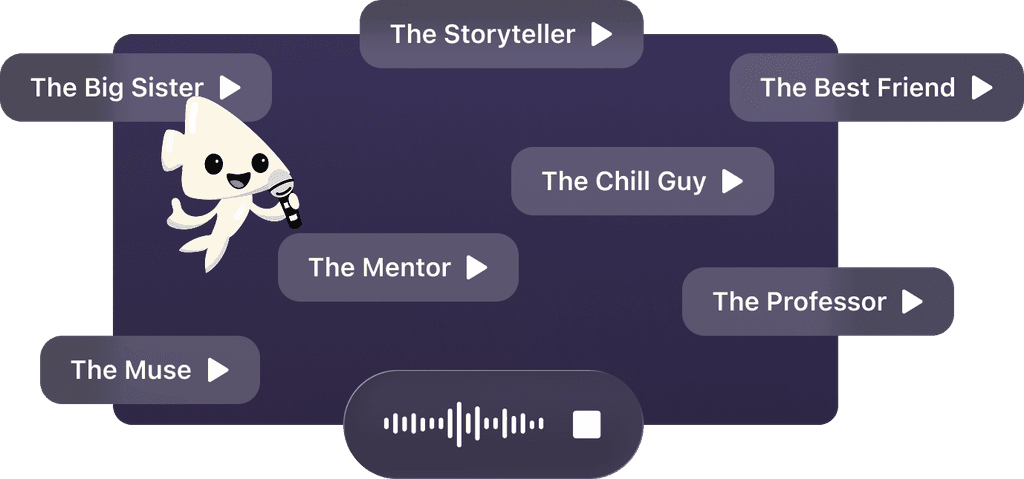
Erlebe das Buch durch die Stimme des Autors
Verwandle Wissen in fesselnde, beispielreiche Erkenntnisse
Erfasse Schlüsselideen blitzschnell für effektives Lernen
Genieße das Buch auf unterhaltsame und ansprechende Weise
Personen in The Architecture of Happiness
- Alain de BottonAuthor and philosopher exploring architecture
- St. Bernard of ClairvauxCistercian monk who practiced visual asceticism
- Horace WalpoleCreator of the world's first Gothic revival house
Kernthemen in The Architecture of Happiness
- environmental psychology
- architectural aesthetics
- emotional well-being
- built environment
- identity and space
Zitate aus The Architecture of Happiness
Architecture serves as both physical shelter and emotional sanctuary.
Buildings render vivid to us who we might ideally become.
Buildings hide the bankruptcies, delays, fears and dust of their creation.
Unrestricted choice, however, borders dangerously close to chaos.
We want buildings to both shelter us and speak to us of whatever we find important.
Entdecke Deine Art zu Lernen
 Kurzfassungs-Modus
Lesen oder hören Sie die Zusammenfassung von The Architecture of Happiness in 8 Minuten
Zerlegen Sie die Kernideen von The Architecture of Happiness in leicht verständliche Punkte, um zu verstehen, wie innovative Teams kreieren, zusammenarbeiten und wachsen.

 Spaß-Modus
Lektionen aus The Architecture of Happiness erzählt in 23-Min Geschichten
Erleben Sie The Architecture of Happiness durch lebhafte Erzählungen, die Innovationslektionen in unvergessliche und anwendbare Momente verwandeln.
 Personalisieren-Modus
Erleben Sie The Architecture of Happiness in Ihrem eigenen Lernstil
Fragen Sie alles, wählen Sie Ihren Lernstil und gestalten Sie Erkenntnisse, die wirklich zu Ihnen passen.
Von Columbia University Alumni in San Francisco entwickelt
"Instead of endless scrolling, I just hit play on BeFreed. It saves me so much time."


"I never knew where to start with nonfiction—BeFreed’s book lists turned into podcasts gave me a clear path."


"Perfect balance between learning and entertainment. Finished ‘Thinking, Fast and Slow’ on my commute this week."
"Crazy how much I learned while walking the dog. BeFreed = small habits → big gains."
"Reading used to feel like a chore. Now it’s just part of my lifestyle."

"Feels effortless compared to reading. I’ve finished 6 books this month already."
"BeFreed turned my guilty doomscrolling into something that feels productive and inspiring."

"BeFreed turned my commute into learning time. 20-min podcasts are perfect for finishing books I never had time for."
"BeFreed replaced my podcast queue. Imagine Spotify for books — that’s it. 🙌"

"It is great for me to learn something from the book without reading it."
"The themed book list podcasts help me connect ideas across authors—like a guided audio journey."
"Makes me feel smarter every time before going to work"
Von Columbia University Alumni in San Francisco entwickelt
"Instead of endless scrolling, I just hit play on BeFreed. It saves me so much time."
"I never knew where to start with nonfiction—BeFreed’s book lists turned into podcasts gave me a clear path."
"Perfect balance between learning and entertainment. Finished ‘Thinking, Fast and Slow’ on my commute this week."
"Crazy how much I learned while walking the dog. BeFreed = small habits → big gains."
"Reading used to feel like a chore. Now it’s just part of my lifestyle."
"Feels effortless compared to reading. I’ve finished 6 books this month already."
"BeFreed turned my guilty doomscrolling into something that feels productive and inspiring."
"BeFreed turned my commute into learning time. 20-min podcasts are perfect for finishing books I never had time for."
"BeFreed replaced my podcast queue. Imagine Spotify for books — that’s it. 🙌"
"It is great for me to learn something from the book without reading it."
"The themed book list podcasts help me connect ideas across authors—like a guided audio journey."
"Makes me feel smarter every time before going to work"
"Instead of endless scrolling, I just hit play on BeFreed. It saves me so much time."
"I never knew where to start with nonfiction—BeFreed’s book lists turned into podcasts gave me a clear path."
"Perfect balance between learning and entertainment. Finished ‘Thinking, Fast and Slow’ on my commute this week."
"Crazy how much I learned while walking the dog. BeFreed = small habits → big gains."
"Reading used to feel like a chore. Now it’s just part of my lifestyle."
"Feels effortless compared to reading. I’ve finished 6 books this month already."
"BeFreed turned my guilty doomscrolling into something that feels productive and inspiring."
"BeFreed turned my commute into learning time. 20-min podcasts are perfect for finishing books I never had time for."
"BeFreed replaced my podcast queue. Imagine Spotify for books — that’s it. 🙌"
"It is great for me to learn something from the book without reading it."
"The themed book list podcasts help me connect ideas across authors—like a guided audio journey."
"Makes me feel smarter every time before going to work"
"Instead of endless scrolling, I just hit play on BeFreed. It saves me so much time."
"I never knew where to start with nonfiction—BeFreed’s book lists turned into podcasts gave me a clear path."
"Perfect balance between learning and entertainment. Finished ‘Thinking, Fast and Slow’ on my commute this week."
"Crazy how much I learned while walking the dog. BeFreed = small habits → big gains."
"Reading used to feel like a chore. Now it’s just part of my lifestyle."
"Feels effortless compared to reading. I’ve finished 6 books this month already."
"BeFreed turned my guilty doomscrolling into something that feels productive and inspiring."
"BeFreed turned my commute into learning time. 20-min podcasts are perfect for finishing books I never had time for."
"BeFreed replaced my podcast queue. Imagine Spotify for books — that’s it. 🙌"
"It is great for me to learn something from the book without reading it."
"The themed book list podcasts help me connect ideas across authors—like a guided audio journey."
"Makes me feel smarter every time before going to work"

Zusammenfassung von The Architecture of Happiness herunterladen
Erhalten Sie die The Architecture of Happiness-Zusammenfassung als kostenloses PDF oder EPUB. Drucken Sie es aus oder lesen Sie es jederzeit offline.


