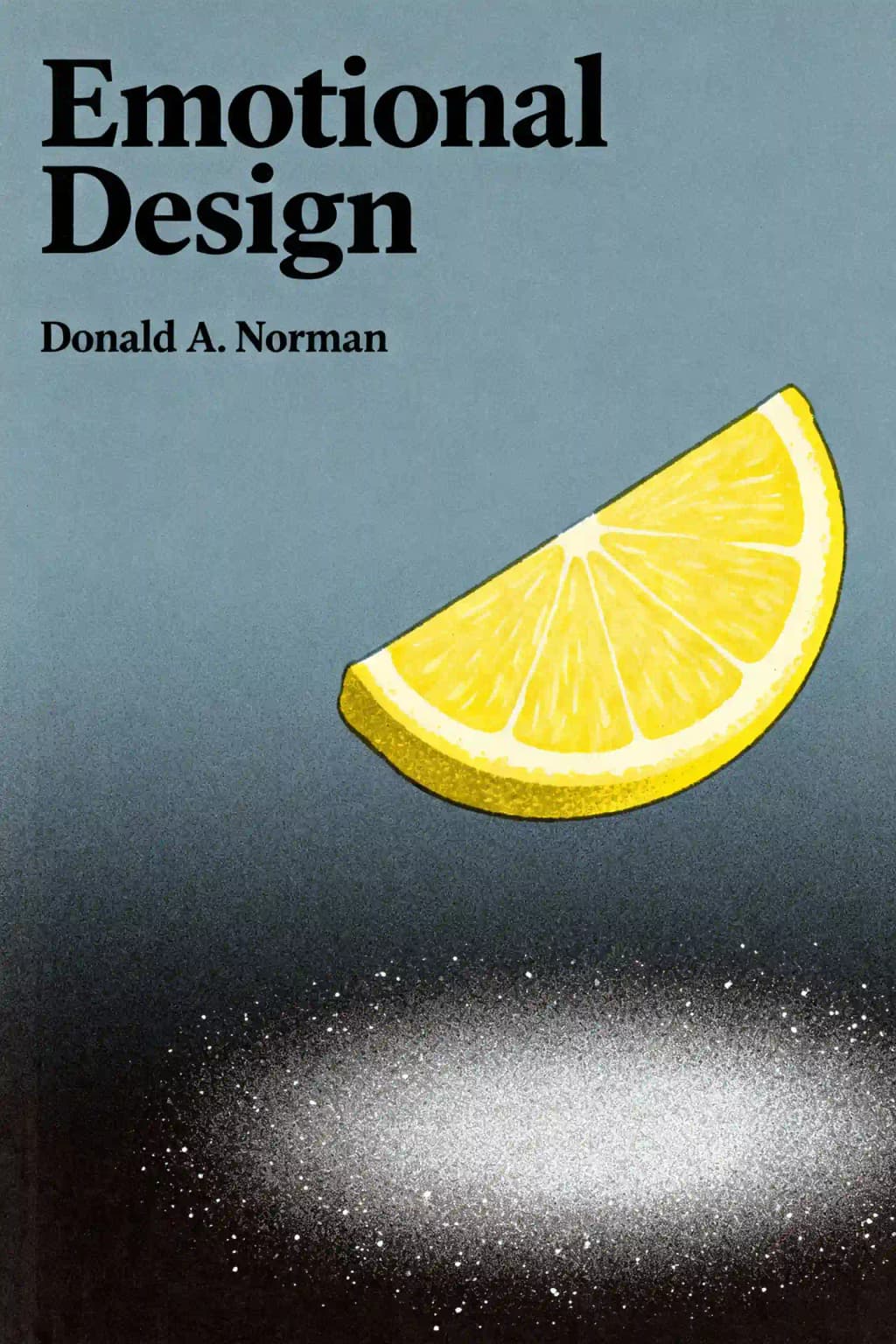
Why do some products captivate while others frustrate? Norman's groundbreaking "Emotional Design" reveals how aesthetics influence functionality. Featured in Wired and Scientific American, it revolutionized design thinking with its three-level framework. Discover why attractive things actually work better - a revelation reshaping industries worldwide.
Erlebe das Buch durch die Stimme des Autors
Verwandle Wissen in fesselnde, beispielreiche Erkenntnisse
Erfasse Schlüsselideen blitzschnell für effektives Lernen
Genieße das Buch auf unterhaltsame und ansprechende Weise
Imagine owning a teapot that's completely unusable-handle and spout on the same side-yet you cherish it deeply. This paradox sparked Donald Norman's exploration into why we form emotional connections with everyday objects. His collection includes an unusable teapot, a beautiful Michael Graves design, and an ingeniously engineered brewing vessel. Yet despite owning these masterpieces, he typically uses a simple brewing ball while displaying the teapots as art that brightens his day. This contradiction reveals a profound truth: our relationship with objects extends far beyond functionality. The science behind this emotional connection is surprisingly concrete. When Israeli scientist Noam Tractinsky investigated why aesthetically pleasing ATMs were perceived as more functional despite identical operations, he discovered that positive emotions fundamentally change how our brains work. Psychologist Alice Isen's research confirmed that people in good moods think more creatively and solve problems more effectively. Even small mood enhancers-like receiving a modest gift or watching comedy-significantly improved problem-solving abilities. When we feel good, we explore more alternatives and become more tolerant of minor difficulties. This explains why attractive products genuinely work better for us-they put us in positive emotional states that enhance our cognitive abilities. The connection between beauty and function isn't just perception; it's neurochemistry.
Zerlegen Sie die Kernideen von Emotional Design in leicht verständliche Punkte, um zu verstehen, wie innovative Teams kreieren, zusammenarbeiten und wachsen.
Destillieren Sie Emotional Design in schnelle Gedächtnisstützen, die die Schlüsselprinzipien von Offenheit, Teamarbeit und kreativer Resilienz hervorheben.

Erleben Sie Emotional Design durch lebhafte Erzählungen, die Innovationslektionen in unvergessliche und anwendbare Momente verwandeln.
Fragen Sie alles, wählen Sie die Stimme und erschaffen Sie gemeinsam Erkenntnisse, die wirklich bei Ihnen ankommen.

Von Columbia University Alumni in San Francisco entwickelt
"Instead of endless scrolling, I just hit play on BeFreed. It saves me so much time."
"I never knew where to start with nonfiction—BeFreed’s book lists turned into podcasts gave me a clear path."
"Perfect balance between learning and entertainment. Finished ‘Thinking, Fast and Slow’ on my commute this week."
"Crazy how much I learned while walking the dog. BeFreed = small habits → big gains."
"Reading used to feel like a chore. Now it’s just part of my lifestyle."
"Feels effortless compared to reading. I’ve finished 6 books this month already."
"BeFreed turned my guilty doomscrolling into something that feels productive and inspiring."
"BeFreed turned my commute into learning time. 20-min podcasts are perfect for finishing books I never had time for."
"BeFreed replaced my podcast queue. Imagine Spotify for books — that’s it. 🙌"
"It is great for me to learn something from the book without reading it."
"The themed book list podcasts help me connect ideas across authors—like a guided audio journey."
"Makes me feel smarter every time before going to work"
Von Columbia University Alumni in San Francisco entwickelt

Erhalten Sie die Emotional Design-Zusammenfassung als kostenloses PDF oder EPUB. Drucken Sie es aus oder lesen Sie es jederzeit offline.