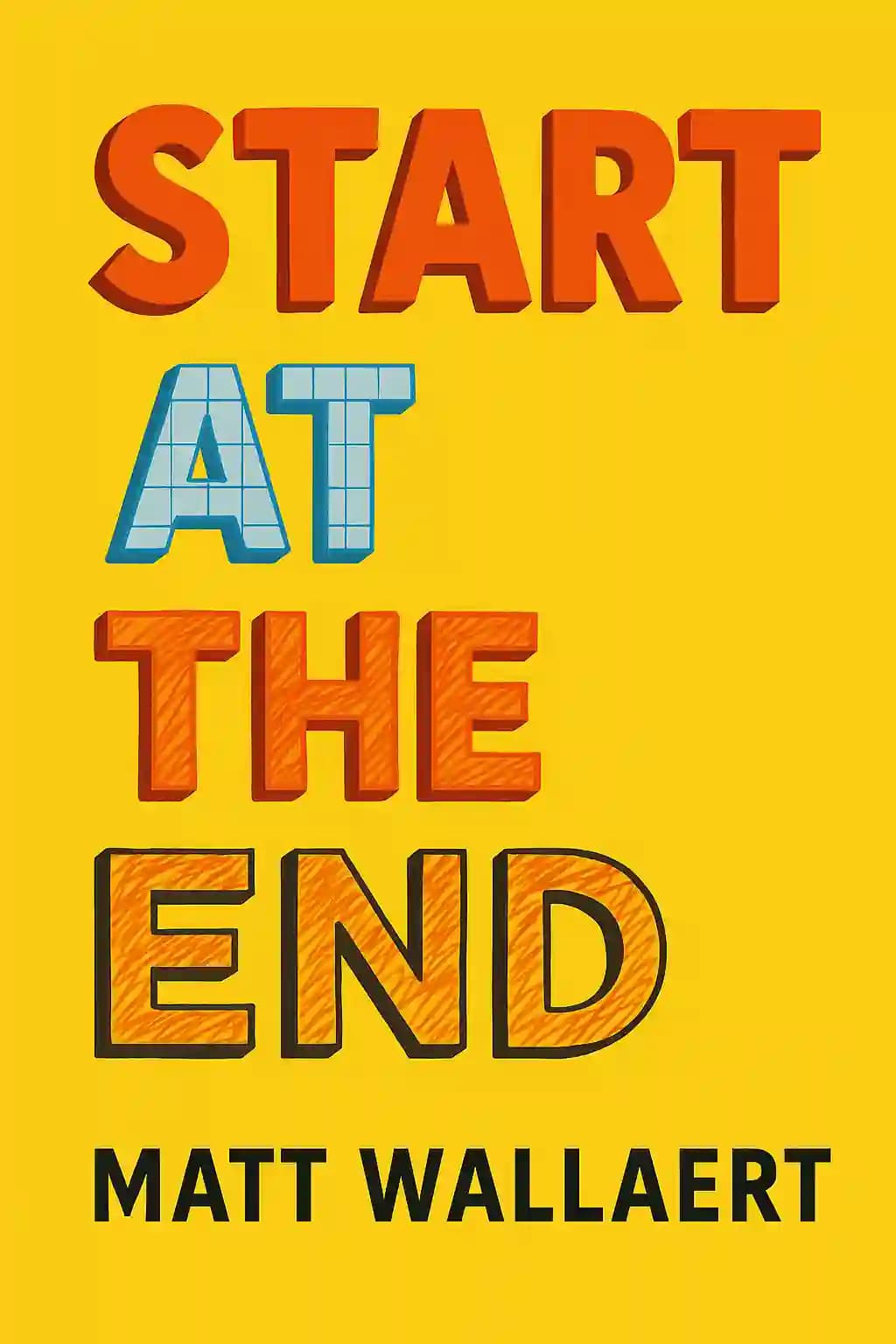
Zusammenfassung von Das Ende am Anfang
Wie man Produkte entwickelt, die Veränderungen bewirken
Überblick über die Zusammenfassung von Das Ende am Anfang
Matt Wallaerts „Start at the End“ revolutioniert das Produktdesign, indem es den Fokus zuerst auf Verhaltensresultate legt. Mithilfe seines „Intervention Design Process“ – veranschaulicht durch die Erfolgsgeschichten des Apple iPhones und der Flamin' Hot Cheetos – zeigt dieser Verhaltenswissenschaftler auf, warum die meisten Innovationen scheitern: Sie vergessen zu fragen: „Welches Verhalten ändern wir eigentlich?“
Kernthemen der Zusammenfassung von Das Ende am Anfang
- behavioral design
- intervention design process
- inhibiting pressures
- behavioral gap analysis
- evidence-based product development
Die besten Zitate aus der Zusammenfassung von Das Ende am Anfang
Start with the behavior you want to create, then work backward.
Evidence over assumptions.
Love isn't measurable or observable.
Effective behavioral statements should be bold rather than timid.
Rather than directly controlling behavior, we must influence these underlying forces.
Figuren in der Zusammenfassung von Das Ende am Anfang
- Matt WallaertAuthor and behavioral scientist
Zusammenfassung von Das Ende am Anfang herunterladen
Erhalten Sie die Das Ende am Anfang-Zusammenfassung als kostenloses PDF oder EPUB. Drucken Sie es aus oder lesen Sie es jederzeit offline.








![[start-with-why-by-simon-sinek:c0000] Start With Why p1-1](/_next/image?url=https%3A%2F%2Fd1y2du6z1jfm9e.cloudfront.net%2Fassets%2Fpodcast%2Fpurple.png&w=1024&q=50)
![[start-with-why-by-simon-sinek:c0001] Start With Why p1-1](/_next/image?url=https%3A%2F%2Fd1y2du6z1jfm9e.cloudfront.net%2Fassets%2Fpodcast%2Fgreen.png&w=1024&q=50)
![[start-with-why-by-simon-sinek:c0002] Start With Why p1-1](/_next/image?url=https%3A%2F%2Fd1y2du6z1jfm9e.cloudfront.net%2Fassets%2Fpodcast%2Fyellow.png&w=1024&q=50)
![[start-with-why-by-simon-sinek:c0003] Start With Why p1-1](/_next/image?url=https%3A%2F%2Fd1y2du6z1jfm9e.cloudfront.net%2Fassets%2Fpodcast%2Fblue.png&w=1024&q=50)