Kapitel 1
Reclaiming Your Cycle: The Hidden Power Within Every Woman
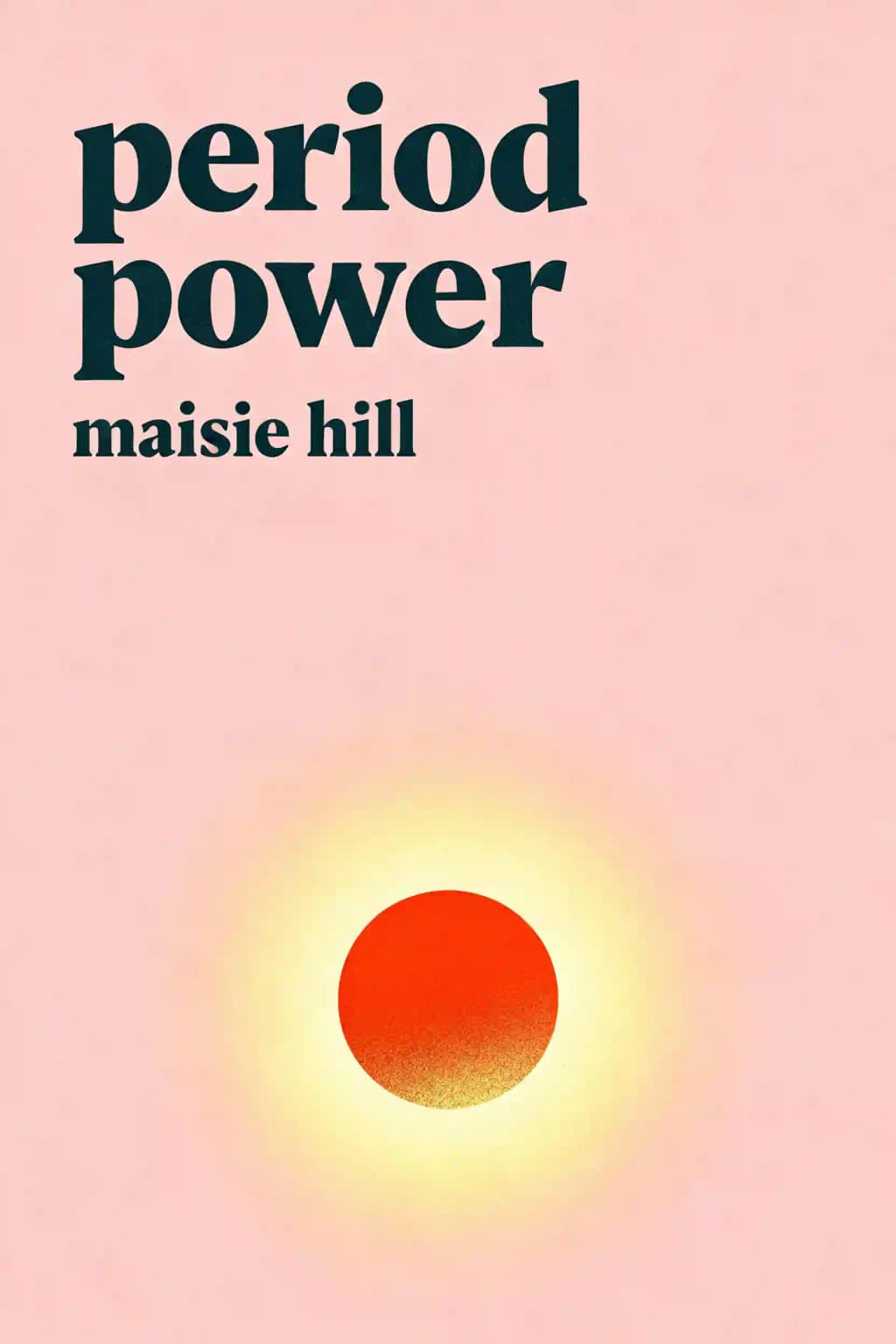
Period Power by Maisie Hill isn't just another women's health book-it's a revolutionary manifesto that's changing how we think about menstruation. Endorsed by celebrities like Emma Watson and praised by The Guardian as "life-changing," this book has sparked a movement of cycle awareness that's empowering women worldwide. What makes this book particularly groundbreaking is how it transforms something traditionally viewed as a burden into a source of power and insight. Since its 2019 publication, it has helped countless women transform their relationship with their bodies, moving beyond shame and confusion toward understanding and self-advocacy. In a culture where menstruation remains taboo despite affecting half the population, Hill's work stands as both cultural critique and practical guide-offering women the knowledge that should have been theirs all along.
Kapitel 2
The Magnificent Architecture of Female Anatomy
The journey to understanding your menstrual cycle begins with knowing your body. While most of us received woefully inadequate education about our reproductive anatomy, this knowledge is fundamental to eliminating shame and recognizing when something isn't right.
Our genital development starts identically in the womb. For the first six weeks after conception, all embryos have similar genital structures. Around week seven, embryos with male genetics begin producing hormones that masculinize the genitals, while female embryos continue developing without these hormones, forming the uterus, cervix, and fallopian tubes. Essentially, we all start with the same parts that develop differently based on hormonal influence.
Most people confuse the vulva with the vagina. The vulva encompasses all external genitalia-the mons pubis, labia minora and majora, clitoris and its hood, plus the openings to the vagina and urethra. The vagina is actually the internal tube connecting your vulva to your womb. Research shows 60% of British women couldn't identify the vulva on a diagram, highlighting our concerning lack of sex education.
The clitoris contains 8,000 nerve endings-double that of a penis-and exists solely for pleasure. Despite only being fully mapped in 1998, it's actually larger than an average flaccid penis. Only the glans (tip) is visible, with most of the structure internal. The clitoris changes size throughout your life and menstrual cycle, increasing 20% around ovulation and decreasing premenstrually. Hormonal birth control can cause "clit shrinkage," while menopause triggers growth. Only 18% of women orgasm through penetration alone, with most requiring clitoral stimulation.
Labia vary widely in thickness, length, shape, hairiness, and color-all variations are normal. Unfortunately, porn's narrow visual reference has distorted perceptions of normal vulvas, with even children as young as nine seeking labiaplasty surgery.
The cervix is the narrow entrance to the womb that typically remains closed except during ovulation, menstruation, and childbirth. It changes position throughout your cycle-lower during menstruation when penetrative sex might be uncomfortable, and higher during ovulation. The cervix produces protective mucus that becomes slippery and egg-white-like during fertile days to help sperm travel.
The uterus is an incredibly dynamic organ that responds sensitively to hormonal signals. Shaped like an upside-down pear, it sits between the bladder and rectum. Most uteruses tip forward (anteverted), but about 25% tip backward (retroverted). The fallopian tubes extend from each side of the upper uterus, functioning like funnels to catch released eggs and guide them toward the womb.
The ovaries are pearl-colored, almond-sized glands that produce mature eggs and generate hormones. Unlike men who continuously produce sperm, women are born with all their eggs-meaning part of you once existed inside your grandmother. At 20 weeks gestation, a female fetus has 7 million egg cells, which decreases to 1 million at birth and 400,000 by puberty. From puberty onward, follicles containing immature eggs begin developing daily, though only about 400 will ever be released during ovulation throughout a lifetime.
Kapitel 3
The Hormonal Dance: Understanding Your Menstrual Cycle
The menstrual cycle revolves around two pivotal moments: menstruation (the discharge of blood) and ovulation (the release of an egg). These events define the cycle's two main phases: the follicular phase, which runs from day 1 of your period through ovulation when ovarian follicles grow and eggs mature; and the luteal phase, which begins at ovulation and continues until your next period starts.
While the follicular phase varies in length depending on when you ovulate (in a "textbook" 28-day cycle-which only 12.4% of women actually have-ovulation occurs around day 14), the luteal phase typically remains fixed at about 14 days. This entire process is orchestrated by several hormones, beginning with gonadotropin-releasing hormone (GnRH) from the hypothalamus, which signals the pituitary gland to release other hormones.
Hormones are powerful messenger molecules that travel through your bloodstream to create specific responses in the body. Produced in glands throughout your body-from your brain to your ovaries and adrenals-hormones work through a lock-and-key mechanism, with each hormone seeking specific receptor sites to trigger reactions.
Your period reflects your overall health, influenced by everything from diet and stress to relationships and exercise. What's fascinating is that your current cycle is affected not just by recent events but by what happened months ago-follicles take over a year to develop. Day 1 of your cycle is the first day of full menstrual flow (not spotting). Just before your period begins, falling progesterone and estrogen trigger prostaglandins, which constrict blood vessels in your endometrium, causing cells to die and shed. These same prostaglandins cause uterine contractions and sometimes affect your bowels too, explaining period cramps and digestive changes.
Tracking your basal body temperature each morning can help identify ovulation-temperatures stay around 36-36.5C before ovulation, then rise by 0.2C after ovulation due to progesterone's warming effect. This temperature drops when progesterone falls before your period, but remains high if conception occurs.
Towards the end of your previous cycle, a group of immature follicles begin competing to be the egg that makes it to ovulation. By day 6, one dominant follicle emerges, producing estrogen-your "Beyonce hormone" that rules the first half of your cycle. As this follicle ripens, estrogen levels climb, thickening your womb lining and stimulating your cervical glands to produce cervical fluid.
Throughout your cycle, you'll experience changing cervical fluid. After your period, you might feel dry or slightly moist before producing sticky, rubber cement-like fluid. Next comes creamy, milky, lotion-like fluid. Finally arrives the most fertile mucus-clear, slippery egg white-consistency fluid that can stretch for inches. This isn't gross; it's normal and ideal, particularly if you're trying to conceive.
After releasing an egg, the empty follicle becomes the corpus luteum, producing progesterone-the dominant hormone of your luteal phase. During this phase, your cervical fluid dries up overnight, becoming pasty and crumbly. Your cervix lowers, closes and firms. Progesterone's warming effect causes a detectable rise in basal body temperature. If implantation doesn't occur, the corpus luteum disintegrates around day 26 of a 28-day cycle, ending its secretory function and initiating menstruation.
Kapitel 4
The Cycle Strategy: Harnessing Your Inner Seasons
Now that you understand your body's inner workings, we can explore how hormonal fluctuations influence your daily life and how to harness them to improve your career, relationships, and health. Your energy, mood, appetite, sleep, sexual desire, creativity, productivity, focus, sociability, and need for movement all vary throughout your cycle.
The Cycle Strategy divides the menstrual cycle into four distinct phases corresponding to seasons:
• Winter: Menstruation
• Spring: Pre-ovulation
• Summer: Ovulation
• Autumn: Premenstruum (week before period)
Each season has unique superpowers and challenges. Whether your cycle is short, long, irregular or absent, this approach remains relevant. Many find that conscientious tracking naturally regulates their cycles.
Tracking your menstrual cycle is perhaps the simplest yet most powerful form of self-care available. Unlike joining a gym or starting a diet, it requires minimal effort-just one minute daily to notice how you feel and record it. As you chart your experiences, you'll recognize patterns, even predicting your mood and energy down to specific days. This predictability benefits relationships, giving those close to you insight into your unique rhythms.
Cycle tracking can be as simple as fifteen seconds daily or as deep as journaling for half an hour. For beginners or the time-pressed, try the "one word" method-simply write down a single word that encompasses how you feel each day. You can use apps like Clue, keep notes on your phone, or create a spreadsheet to compare experiences month-to-month.
After each cycle, review your tracking experience. Using a menstrual dial or diary with color-coding helps identify when each "season" begins and ends, revealing your cycle's predictability patterns. Use this knowledge proactively by marking warnings in your calendar for consistently challenging days. This helps you plan when to work hard, rest, exercise, socialize, or take personal time.
Kapitel 5
Winter's Wisdom: The Power of Retreat and Release
Winter marks both death and rebirth as one cycle ends and another begins. As hormones collapse to their lowest levels at period onset, many experience physical fatigue, emotional vulnerability, and a sense of separation from the world. This "void time" signals an opportunity to prepare mentally and physically.
Winter offers four distinct superpowers to harness during menstruation:
SET BOUNDARIES: With increased vulnerability during bleeding, determine what you need to safeguard yourself-whether it's solitude or intimacy. Learn to say no to obligations that drain you and yes to what nourishes.
NOURISH: Fill your cleared space with restorative, pleasurable activities solely for you-or embrace the uncomfortable but rewarding practice of sitting in silence with yourself.
REST: Most menstruators naturally need rest at period onset. Though this raises feminist questions about taking time off, some form of rest during Winter benefits both your body's menstrual process and allows energy to build for the more productive Spring and Summer seasons.
RELEASE: Winter is prime time for letting go-not just blood, but pent-up feelings, unhelpful relationships, situations, and limiting beliefs.
RECEIVE: When you create space and stay present during Winter, you'll be gifted with insights and creative solutions to problems. Learn to trust your instincts and messages that come while bleeding.
Four key pitfalls can undermine your Winter experience:
CARRYING ON WITHOUT AWARENESS: With light or uneventful periods, staying present becomes challenging. Set reminders to slow down, even by just 5 percent.
IGNORING THE CALL TO RETREAT: When you feel the urge to step back, arrange what you can to follow this instinct. Even twenty minutes of true surrender can help before putting your game face back on.
GUILT: It's easy to feel guilty about easing up or taking time off, but look around-has the world collapsed because you removed yourself for an hour?
RUSHING OUT: As estrogen slowly increases while you're still bleeding, you might feel a premature surge of energy. Try holding back to preserve energy for your transition into Spring.
In our culture of constant productivity and growth-at-all-costs, rest becomes a radical act-and Winter is the perfect time to embrace it. Take your cue from nature: nothing blooms year-round, so why should we?
Kapitel 6
Spring's Awakening: Harnessing Your Rising Energy
Spring marks the transition from Winter's hibernation to a lighter, brighter energy. As estrogen increases-your "Beyonce hormone"-you'll feel energized, motivated and interested in the world again. This phase brings enthusiasm, creativity, and increasing self-esteem. Your memory improves, mental agility sharpens, and you'll feel drawn to take on challenges.
The transition between Winter and Spring can be challenging-you might either race out of Winter delighted to leave the darkness behind, or find it hard to leave Winter's powerful introspection. Though tempting to let your renewed energy propel you forward like a jetpack, try to maintain connection to your period's anchor by remembering the intention you set at the cycle's beginning.
Spring brings four key superpowers: Potential (sensing spaces where you can grow), Build and expand (using rising estrogen as fertilizer for your energy, stamina and self-esteem), Curiosity and exploration (following emerging pathways and opportunities), and Play (embracing childlike qualities and physical movement).
Despite feeling confident, Spring brings vulnerabilities: Exposing yourself too soon (revealing ideas before they're ready), Succumbing to pressure (feeling pushed to be serious when play is valuable), Tiredness (indicating you're doing too much throughout your cycle), and Distraction (as peaking estrogen drives you to seek connection).
Spring's sense of possibility makes it ideal for exploring different avenues-both daily projects and bigger life directions. With "helicopter vision," you can see multiple possibilities without needing to fully commit. Protect your new ideas like seedlings-don't expose them prematurely. Keep them close until they're strong enough to share, and be selective about whom you share with to avoid having your enthusiasm dampened.
Spring brings back your spark and interest in others, making it when relationships truly flourish. Make space for play, flirtation, and pencil in dates to try "All The Fun Things with All The Fun People." Your child-like energy perfectly matches your kids', making this an ideal time for fun activities and bonding that might feel impossible during other cycle phases.
Spring is ideal for pushing yourself with anaerobic exercise that makes your heart pound and sweat pour. High-intensity interval training (HIIT), weightlifting, kickboxing, spinning, and other intense activities align perfectly with your higher tolerance for endurance and pain, increased oxygen uptake, and better recovery capacity.
Kapitel 7
Summer's Radiance: Your Peak Performance Phase
Summer heralds the final hormonal push toward ovulation, with estrogen peaking alongside LH and testosterone. This powerful combination creates a state of flow, inner strength and flexibility. You'll feel confident, capable, and sexually appealing, with increased productivity and playfulness-perfect for stretching yourself professionally and personally.
Your hormones are biologically designed to make you look good, feel good, and seek connection, all to support reproduction. However, you can channel this hormonal surge toward pleasure, athletic performance, and professional achievement. Summer is about raising your game and enjoying life to the fullest.
Your Summer phase grants you several superpowers: Invincibility (feeling like the queen of your domain, handling challenges with grace); Productivity (tackling challenging work without breaking a sweat); Expansion (walking taller, making eye contact, experiencing soaring self-esteem); and Connection (communicating effectively in relationships, friendships, and professional settings).
Summer brings a delicious duality-you're both an active agent making strides and passively receiving opportunities without effort. The hormonal high feels like "amazing sex on a warm Summer's day followed by a delicious nap in streaming sunlight."
While Summer is the season to embrace opportunities, be mindful of when you'll need to fulfill these commitments. Loading your calendar with activities during your upcoming Autumn phase could backfire spectacularly. Peaking estrogen can make even the most focused person scatterbrained. You might sit down to work but find yourself unable to concentrate-blame estrogen, which wants you out "strutting your stuff."
Summer is your time to raise your game, take risks, and dedicate long hours to projects. Your oral ability peaks before ovulation-ideal for meetings, interviews, public speaking, and asking for promotions. Use your voice to amplify others who aren't being heard, especially in male-dominated settings.
The combination of estrogen and testosterone approaching ovulation transforms sexual desire. Estrogen increases genital blood flow and produces slippery cervical fluid, while your cervix moves upward making penetrative sex more comfortable. Orgasms often come easier during this phase.
The sharp testosterone rise pre-ovulation makes the start of Summer your peak performance time for exercise. This is when you're likely to hit personal bests, whether that means walking further, improving your running time, or lifting heavier weights. However, be mindful of your form-studies show the anterior cruciate ligament (ACL) of the knee is 4-8 times more likely to be injured during this phase.
Kapitel 8
Autumn's Clarity: Embracing Your Inner Truth-Teller
After ovulation, you'll experience a subtle or dramatic shift in how you feel and behave. Your Summer high might extend for several days or even a week, but eventually, you'll notice yourself becoming quieter and more introspective. If you're sensitive to estrogen's first post-ovulation drop, you might find yourself abruptly dumped into Autumn the day after ovulation-feeling cranky, agitated, sad, tired, or all of these.
Identifying your transition day into Autumn can revolutionize how you feel about your premenstrual phase. For many, these are the days where you feel terrible and self-critical, only realizing why when your period arrives. By charting your cycle, you can predict when you'll experience these wobbles and plan accordingly, moving from meltdowns to compassion and dignity.
Despite its challenges, Autumn brings valuable superpowers. You develop deep thought and focus as your energy turns inward-this is your chance to concentrate deeply and complete projects before the cycle ends. You gain "helicopter vision," allowing you to see the bigger picture in projects or situations that have been occupying your mind.
Autumn also brings decision-making clarity and heightened intuition. Scientific research confirms that gut instincts are astonishingly accurate 90% of the time, making this the perfect phase to trust your instinctive responses, especially when it comes to saying no. Use this time to decide what's truly important enough to carry into your menstruation and next cycle.
Just as pruning gardens in autumn creates vigor for the following seasons, strategic pruning in your Autumn phase creates more balance in subsequent cycles. This is when you should examine, take stock, and eliminate what isn't working-whether in work projects, relationships, or possessions.
The key to navigating this phase is trusting your "inner bitch"-that uncensored internal voice that strengthens during premenstruum. If you ignore her wisdom, she'll start screaming, creating storms. Before losing control, determine what she's asking of you. Does she want you to set better boundaries, spend time alone, stop letting others walk over you, disconnect from work emails during off-hours, or put your needs first?
Your inner critic emerges powerfully during Autumn, remembering all your past hurts and trying to protect you from further pain using outdated methods. During premenstruum, research shows you're more likely to interpret others' expressions negatively, fueling your critic's rampage. To manage your critic, try several approaches: harness Summer energy by completing tasks to give your critic something substantial to work with; maintain basic self-care; slow down; recognize your critic is keeping you focused on what matters; and actively engage with your critic.
Autumn can still be productive, but tasks and environment must match this phase's energy. What's typically needed is time to focus, work slowly, and stay under the radar so you can concentrate effectively. Shifting your diary to suit where you're at is ideal-you might struggle with new ideas but excel at reviewing and decision-making.
Kapitel 9
Life's Transitions: Navigating Hormonal Shifts Beyond Your Cycle
There are specific times when hormones go off-piste or your relationship with your cycle changes. The Cycle Strategy is adaptable-it evolves with you through teen years, hormonal birth control, fertility issues, pregnancy, motherhood, being transgender, and menopause.
Your first period can be shocking if you haven't been informed, or desired if your friends already have theirs. Teen cycles are commonly anovulatory, with only about half of cycles including ovulation in the first two years, increasing to 75% by five years. As sexual desire emerges during Spring and Summer phases, masturbation offers a safe way to explore your body and discover what feels good before involving others.
While hormonal birth control offers benefits, it often comes with inadequate discussion of side effects and alternatives. The pill prevents ovulation rather than supporting it, resulting in withdrawal bleeds, not true periods. Research shows that even four months after discontinuation, sex hormone-binding globulin (SHBG) levels remain elevated, potentially causing permanent changes to sexual function. The pill decreases testosterone availability, negatively impacting desire, while also causing genital tissue changes.
Fertility challenges can be deeply traumatic. The monthly cycle becomes a painful reminder of this struggle, with even positive phases becoming sources of tension. The pressure to conceive can erode the natural powers associated with each phase of the cycle, dismantling a person's identity and self-worth. The Spring phase, normally associated with hope and possibility, becomes particularly difficult as women may protect themselves from disappointment by suppressing positive expectations.
Cycle awareness provides excellent preparation for pregnancy and parenthood. Though you won't menstruate while pregnant, you'll experience a different, longer cycle with distinct phases. The first trimester resembles an extended Winter-a time of adjustment and often exhaustion. The second trimester brings Spring, marked by renewed interest in colorful foods, increased energy, and possibly returning libido. Summer follows as the "honeymoon period" when energy and mood improve while movement remains comfortable. Autumn arrives in the third trimester, bringing slowness, blood sugar fluctuations, mood swings, and fatigue.
Parenting while managing your menstrual cycle presents unique challenges. When basic needs like hydration, regular meals, and sufficient sleep are difficult to meet, tending to relationships and personal ambitions becomes even harder. Spring and Summer phases offer ideal parenting energy, while Autumn and Winter phases become particularly challenging with children.
Menopause itself only lasts one day-it's reached after a full year without periods. What we commonly call "menopause" is actually perimenopause, the transitional period before it. Most women experience menopause between 44-56 (average age 50). As egg reserves deplete and quality diminishes, fertility declines and cycles become irregular. Initially, your pituitary gland compensates by producing more follicle stimulating hormone (FSH), shortening your cycle's first phase and creating more frequent cycles. Eventually, estrogen levels also fall, causing vaginal dryness, painful sex, bladder issues, hot flushes, night sweats, sleep disturbances, and memory problems.
Kapitel 10
The Foundations of Hormonal Health: Self-Care Essentials
The wellness world can be overwhelming with conflicting research and trends, but certain fundamentals remain crucial for hormonal health. When making changes, follow these recommendations: Make one change at a time; start by adding positive behaviors rather than eliminating negative ones; break large goals into manageable chunks; create detailed plans that address potential obstacles; and seek support from groups, loved ones, or affordable practitioners.
When meeting new clients with reproductive health issues, I immediately investigate their gut health, as healthy digestion is fundamental to overall wellbeing. When your gut functions properly, it extracts nutrients efficiently, maintains strong immunity, and eliminates waste effectively. Poor gut health leads not only to digestive issues like bloating and constipation but also hormonal imbalances, skin conditions, infections, and even depression.
Your gut lining has a surface area the size of a tennis court with tightly controlled junctions between cells that determine what enters your bloodstream. When these junctions break down due to stress, infections, toxins or aging, you develop "leaky gut"-allowing undigested food, bacteria and toxins to enter the bloodstream and trigger inflammation.
You're more microbe than human-over 100 trillion microorganisms live in and on your body, outnumbering your cells ten to one. Far from being harmful invaders, your microbiome forms the bulk of your immune system, performs 99% of metabolic functions, and produces every hormone in your body. The gut bacteria even include a specialized group called the estrobolome that regulates estrogen levels-when imbalanced, it causes recirculation of estrogen that should be excreted, leading to estrogen dominance.
The liver is essential for estrogen detoxification, which occurs in two phases. When detoxification is impaired, excess estrogen recirculates, causing heavy periods, breast tenderness, PMS, and other issues. Estrogen exits the body through bile and intestines via poo. When gut bacteria are imbalanced or when you're constipated, estrogen gets reabsorbed into circulation instead of being eliminated.
Rather than following meticulous diets, start by adding vegetables, protein, and healthy fats to your diet before removing processed foods and sugar. Eat breakfast within an hour of waking-never skip it if you want balanced hormones. Include protein and healthy fat to stabilize blood sugar. Consume 8-10 servings of vegetables and fruits daily with variety in colors. Fat isn't the villain we've been led to believe-it's essential for brain health, hormone production, and satiety.
Women experience sleep differently from men, with differences emerging at menstruation onset. As hormones fluctuate, they regulate sleep-wake cycles, with sleep disorders increasing throughout life-53% of perimenopausal women report poor sleep quality. Just one night of poor sleep increases appetite, disrupts blood sugar, reduces fat-burning ability, triggers inflammation, lowers immunity, and makes you less stress-resilient.
Endocrine disruptors are synthetic substances that mimic hormones, disrupting your body's natural hormone function. Found everywhere-in plastics, pesticides, chemicals, and water systems-they work by either tricking your body into thinking they're natural hormones, blocking hormone receptors, or interfering with hormone production.
Kapitel 11
When Things Fall Apart: Addressing Common Menstrual Problems
A healthy menstrual cycle isn't necessarily a standard 28-day cycle-only 12.4% of women have exactly that. Normal cycles range from 21-35 days, though the optimal range for fertility is 26-32 days. Periods typically last 2-7 days, with 5 days being ideal. Mild cramping that doesn't require painkillers is normal, but pain affecting your back, hips or thighs isn't.
Women often accept menstrual problems as inevitable, but they shouldn't. Research shows healthcare providers take women's pain less seriously, spend less time with female patients, and often dismiss physical symptoms as emotional-especially for women of color. Become your own advocate and build a healthcare team that listens.
Despite PMS being commonly discussed, the medical community still debates its existence and causes. With over 150 potential symptoms affecting up to 90% of menstruators, PMS encompasses physical, emotional and behavioral changes occurring premenstrually. PMDD, recognized as an extreme form of PMS, creates a "Jekyll and Hyde" experience where sufferers feel normal after menstruation begins until ovulation, then experience severe symptoms including depression, irritability, anxiety, and suicidal thoughts.
Primary dysmenorrhea affects up to 84% of menstruators, but severe pain requiring medication or disrupting activities isn't normal despite being common. Period pain occurs when the uterine lining releases excess prostaglandins during breakdown, causing contractions. Those with severe cramping typically produce higher levels of these algesic substances that prime the nervous system for pain, causing nausea and digestive issues.
Endometriosis treatment requires specialized surgical skills, with only a handful of qualified surgeons in the UK and around 150 out of 400,000 gynecologists in the US capable of proper excision surgery. Contrary to common belief, pregnancy doesn't cure endometriosis, and hysterectomy is rarely appropriate since endometriosis typically exists outside the uterus. Surgery isn't always necessary-diet, nutrition, acupuncture, herbs, and physical therapy can help manage symptoms either alone or alongside surgery.
When periods stop for over three months without pregnancy, breastfeeding, menopause, or hormonal birth control as the cause, investigation is essential. Many doctors prescribe birth control to induce bleeding, but these are withdrawal bleeds, not true periods. This approach doesn't address the underlying issue and can prevent recovery from hypothalamic amenorrhea.
Heavy periods often stem from hormonal imbalances-excess estrogen and/or insufficient progesterone-making them common during adolescence and perimenopause. You likely know you have heavy periods if you soak through protection quickly, need nighttime changes, double up on period products, experience flooding or large clots, find it difficult to leave home during your period, and feel exhausted from blood loss.
PCOS affects up to 15% of people with ovaries worldwide, making it the most common hormonal disorder in reproductive-age individuals. The Rotterdam criteria now requires two of three conditions: ovarian dysfunction (fewer than ten periods yearly), clinical/biochemical signs of excess androgens (acne, hirsutism, high androgen levels), and polycystic ovaries.
I wrote this book to help you understand your body during your menstruating years. Despite 80% of women experiencing reproductive health symptoms (with half reporting menstrual issues), less than half seek medical help regardless of severity. Tracking your cycle can transform your relationship with your body. When I suffered monthly pain, I feared my period and only cared for myself when forced to by symptoms. By listening to my body throughout my entire cycle and seeking proper support, I discovered a deeper awareness that ultimately led to creating this book. Where will Period Power take you?