Überblick über Nice Racism
Robin DiAngelo's "Nice Racism" unmasks how progressive white people unknowingly perpetuate racial harm. This NYT bestseller, endorsed by Michael Eric Dyson as a "field guide for personal transformation," challenges readers: Are your anti-racist intentions actually causing damage? Discover what Beverly Tatum calls essential guidance for effective action.
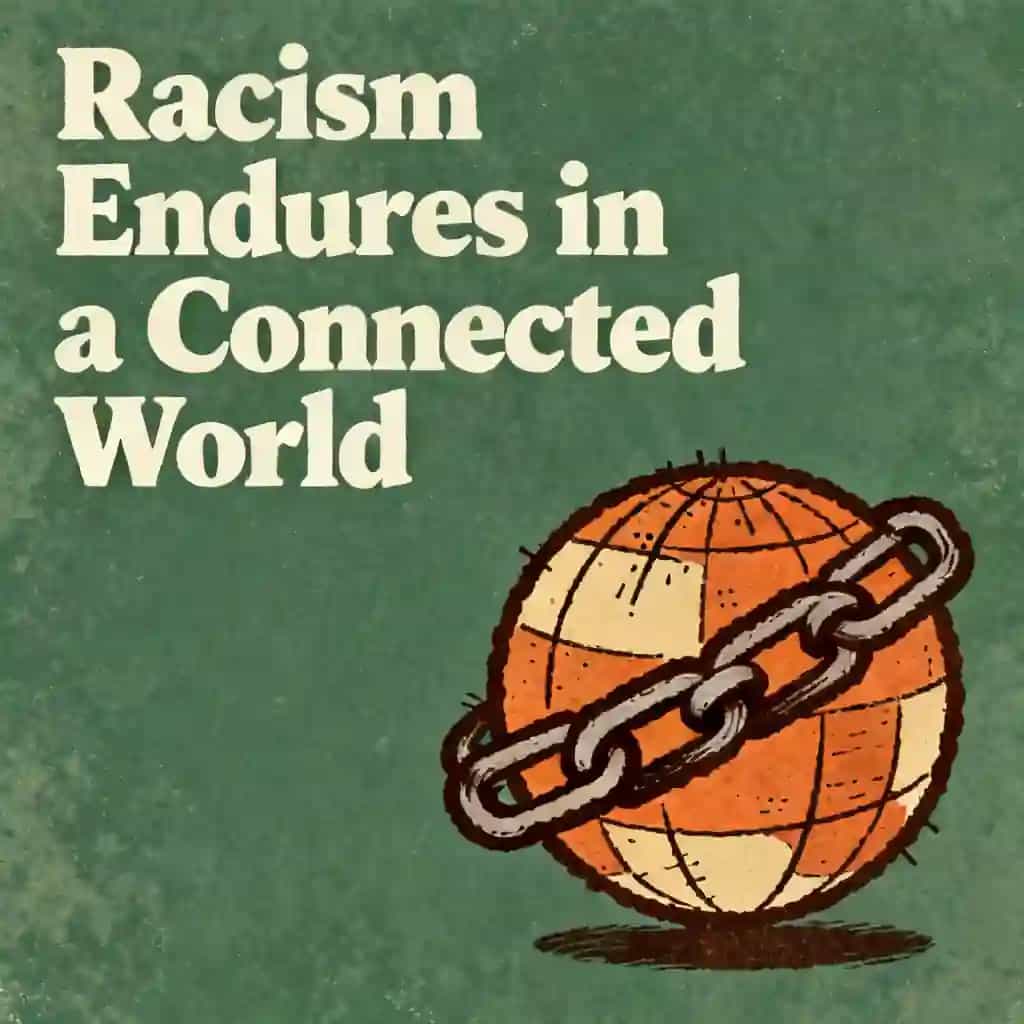
- Nice racism exposes how progressive whites perpetuate harm through performative allyship
- White fragility shifts to racial shame paralysis in anti-racism education settings
- Dirty power dynamics manifest when whites prioritize comfort over systemic change
- Authentic anti-racism requires surrendering individualism and acknowledging collective white identity
- Spiritual bypassing in racial justice work creates new forms of segregation
- Racial gaslighting occurs when niceness culture dismisses BIPOC lived experiences
- White progressives maintain supremacy through neighborhood segregation and school choice patterns
- Anti-racism accountability demands leaning into discomfort rather than seeking forgiveness
- Robin DiAngelo challenges white allies to replace shame with sustainable humility
- Nice racism thrives through microaggressions disguised as compliments to BIPOC
- White supremacy persists through liberal colorblindness and "not racist" self-images
- Lifelong anti-racist practice requires abandoning checklist mentalities for iterative learning
Über den Autor von Nice Racism
Robin Jeanne DiAngelo, author of Nice Racism: How Progressive White People Perpetuate Racial Harm, is a leading anti-racism educator and New York Times bestselling author renowned for her incisive critiques of white supremacy. A former tenured professor of multicultural education at Westfield State University and current affiliate associate professor at the University of Washington, DiAngelo grounds her work in 25+ years of consulting on racial equity across institutions.
Her seminal book White Fragility: Why It’s So Hard for White People to Talk About Racism (2018) has sold over 1.5 million copies, been translated into 12 languages, and become essential reading in diversity training programs worldwide.
DiAngelo’s earlier works, including What Does It Mean to Be White? and Is Everyone Really Equal? (co-authored with Özlem Sensoy), established her as a pivotal voice in critical whiteness studies. Her TEDx talks and frequent media appearances on NPR and MSNBC amplify her analysis of systemic racism’s psychological dimensions. Nice Racism continues her mission to challenge progressive white audiences’ complicity in racial harm through actionable frameworks.
FAQ zu Nice Racism
What is Nice Racism by Robin DiAngelo about?
Nice Racism examines how progressive white people unintentionally uphold racial hierarchies through behaviors like performative allyship, tone policing, and avoiding hard conversations about systemic racism. DiAngelo critiques the “culture of niceness” that prioritizes comfort over accountability, offering strategies for white readers to move beyond defensiveness and enact meaningful anti-racist change.
Who should read Nice Racism?
This book is aimed at white readers committed to anti-racism but struggling to address their complicity in systemic racism. It’s also relevant for educators, workplace leaders, and organizations seeking to improve equity initiatives. BIPOC readers may find it useful for understanding common white progressive behaviors.
Is Nice Racism worth reading?
Yes, for those willing to confront uncomfortable truths. DiAngelo’s analysis of “nice” racism—such as minimizing race-related discomfort or over-identifying as “woke”—provokes reflection. Critics argue it centers white perspectives instead of amplifying BIPOC voices, but it remains a practical guide for addressing subtle biases.
What are the main concepts in Nice Racism?
Key ideas include:
- White niceness: Using politeness to avoid racial accountability.
- Tone policing: Dismissing critiques of racism based on delivery rather than content.
- Spiritual bypassing: Using self-image as “allies” to evade responsibility.
- Systemic focus: Emphasizing racism as embedded in institutions, not individual acts.
How does Nice Racism relate to Robin DiAngelo’s earlier work?
It builds on White Fragility (2018) by targeting “well-meaning” white progressives specifically. While her earlier work explained defensive reactions to race conversations, Nice Racism offers actionable steps to counteract performative allyship. Both books stress systemic analysis over individual guilt.
What critiques exist about Nice Racism?
Some argue DiAngelo’s platform could better amplify BIPOC authors instead of centering white perspectives. Others note her examples risk oversimplifying complex dynamics. However, supporters praise her vulnerability in sharing personal missteps to model growth.
How can Nice Racism be applied in workplaces or schools?
The book advises institutions to:
- Replace one-off DEI trainings with ongoing accountability structures.
- Address racial inequities in hiring/promotions, not just implicit bias.
- Encourage white employees to process racial feedback without defensiveness.
What quotes from Nice Racism are most impactful?
- “Racism is a system, not an event”: Highlights structural versus interpersonal focus.
- “Niceness is not anti-racism”: Challenges conflating politeness with justice.
- “Your comfort is not the goal”: Urges prioritizing BIPOC safety over white feelings.
How does Nice Racism address “white savior” tendencies?
DiAngelo critiques white progressives who seek praise for minimal efforts, like posting social justice slogans without deeper engagement. She urges redistributing power and resources instead of seeking validation.
Why is Nice Racism relevant in 2025?
As racial inequities persist in education, healthcare, and policing, the book’s focus on systemic change—not individual morality—remains critical. It also addresses newer pitfalls, like performative activism on digital platforms.
How does Nice Racism recommend handling feedback about racism?
DiAngelo advises:
- Listen without defensiveness.
- Reflect on patterns, not intent.
- Commit to reparative actions, not just apologies.
Are there study guides or resources for Nice Racism?
Yes, the book includes a discussion guide for groups. Pairing it with works by BIPOC authors (e.g., Ibram X. Kendi, Ijeoma Oluo) is recommended to balance perspectives.
Erlebe das Buch durch die Stimme des Autors
Verwandle Wissen in fesselnde, beispielreiche Erkenntnisse
Erfasse Schlüsselideen blitzschnell für effektives Lernen
Genieße das Buch auf unterhaltsame und ansprechende Weise
Personen in Nice Racism
- Robin DiAngeloAuthor and researcher of white fragility
- CarolynBlack educator and friend of the author
- Heather McGheeResearcher on the economic costs of racism
- Ibram X. KendiAuthor and scholar of anti-racism
- Keeanga-Yamahtta TaylorScholar who studied predatory inclusion
Kernthemen in Nice Racism
- white progressive identity
- racial gaslighting
- myth of individualism
- white innocence
- anti-blackness in liberalism
Zitate aus Nice Racism
Niceness becomes a form of racial gaslighting.
There is no white 'choir' in anti-racist harmony.
The question isn't whether white progressives are 'good people'-it's whether our actions align with our stated values.
Individualism plays a crucial role in maintaining white supremacy.
Entdecke Deine Art zu Lernen
 Kurzfassungs-Modus
Lesen oder hören Sie die Zusammenfassung von Nice Racism in 11 Minuten
Zerlegen Sie die Kernideen von Nice Racism in leicht verständliche Punkte, um zu verstehen, wie innovative Teams kreieren, zusammenarbeiten und wachsen.

 Spaß-Modus
Lektionen aus Nice Racism erzählt in 21-Min Geschichten
Erleben Sie Nice Racism durch lebhafte Erzählungen, die Innovationslektionen in unvergessliche und anwendbare Momente verwandeln.
 Personalisieren-Modus
Erleben Sie Nice Racism in Ihrem eigenen Lernstil
Fragen Sie alles, wählen Sie Ihren Lernstil und gestalten Sie Erkenntnisse, die wirklich zu Ihnen passen.

Von Columbia University Alumni in San Francisco entwickelt
"Instead of endless scrolling, I just hit play on BeFreed. It saves me so much time."


"I never knew where to start with nonfiction—BeFreed’s book lists turned into podcasts gave me a clear path."


"Perfect balance between learning and entertainment. Finished ‘Thinking, Fast and Slow’ on my commute this week."
"Crazy how much I learned while walking the dog. BeFreed = small habits → big gains."
"Reading used to feel like a chore. Now it’s just part of my lifestyle."

"Feels effortless compared to reading. I’ve finished 6 books this month already."
"BeFreed turned my guilty doomscrolling into something that feels productive and inspiring."

"BeFreed turned my commute into learning time. 20-min podcasts are perfect for finishing books I never had time for."
"BeFreed replaced my podcast queue. Imagine Spotify for books — that’s it. 🙌"

"It is great for me to learn something from the book without reading it."
"The themed book list podcasts help me connect ideas across authors—like a guided audio journey."
"Makes me feel smarter every time before going to work"
Von Columbia University Alumni in San Francisco entwickelt
"Instead of endless scrolling, I just hit play on BeFreed. It saves me so much time."
"I never knew where to start with nonfiction—BeFreed’s book lists turned into podcasts gave me a clear path."
"Perfect balance between learning and entertainment. Finished ‘Thinking, Fast and Slow’ on my commute this week."
"Crazy how much I learned while walking the dog. BeFreed = small habits → big gains."
"Reading used to feel like a chore. Now it’s just part of my lifestyle."
"Feels effortless compared to reading. I’ve finished 6 books this month already."
"BeFreed turned my guilty doomscrolling into something that feels productive and inspiring."
"BeFreed turned my commute into learning time. 20-min podcasts are perfect for finishing books I never had time for."
"BeFreed replaced my podcast queue. Imagine Spotify for books — that’s it. 🙌"
"It is great for me to learn something from the book without reading it."
"The themed book list podcasts help me connect ideas across authors—like a guided audio journey."
"Makes me feel smarter every time before going to work"
"Instead of endless scrolling, I just hit play on BeFreed. It saves me so much time."
"I never knew where to start with nonfiction—BeFreed’s book lists turned into podcasts gave me a clear path."
"Perfect balance between learning and entertainment. Finished ‘Thinking, Fast and Slow’ on my commute this week."
"Crazy how much I learned while walking the dog. BeFreed = small habits → big gains."
"Reading used to feel like a chore. Now it’s just part of my lifestyle."
"Feels effortless compared to reading. I’ve finished 6 books this month already."
"BeFreed turned my guilty doomscrolling into something that feels productive and inspiring."
"BeFreed turned my commute into learning time. 20-min podcasts are perfect for finishing books I never had time for."
"BeFreed replaced my podcast queue. Imagine Spotify for books — that’s it. 🙌"
"It is great for me to learn something from the book without reading it."
"The themed book list podcasts help me connect ideas across authors—like a guided audio journey."
"Makes me feel smarter every time before going to work"
"Instead of endless scrolling, I just hit play on BeFreed. It saves me so much time."
"I never knew where to start with nonfiction—BeFreed’s book lists turned into podcasts gave me a clear path."
"Perfect balance between learning and entertainment. Finished ‘Thinking, Fast and Slow’ on my commute this week."
"Crazy how much I learned while walking the dog. BeFreed = small habits → big gains."
"Reading used to feel like a chore. Now it’s just part of my lifestyle."
"Feels effortless compared to reading. I’ve finished 6 books this month already."
"BeFreed turned my guilty doomscrolling into something that feels productive and inspiring."
"BeFreed turned my commute into learning time. 20-min podcasts are perfect for finishing books I never had time for."
"BeFreed replaced my podcast queue. Imagine Spotify for books — that’s it. 🙌"
"It is great for me to learn something from the book without reading it."
"The themed book list podcasts help me connect ideas across authors—like a guided audio journey."
"Makes me feel smarter every time before going to work"

Zusammenfassung von Nice Racism herunterladen
Erhalten Sie die Nice Racism-Zusammenfassung als kostenloses PDF oder EPUB. Drucken Sie es aus oder lesen Sie es jederzeit offline.