Kapitel 1
Transforming Spaces, Transforming Lives: Marie Kondo's Philosophy of Joy
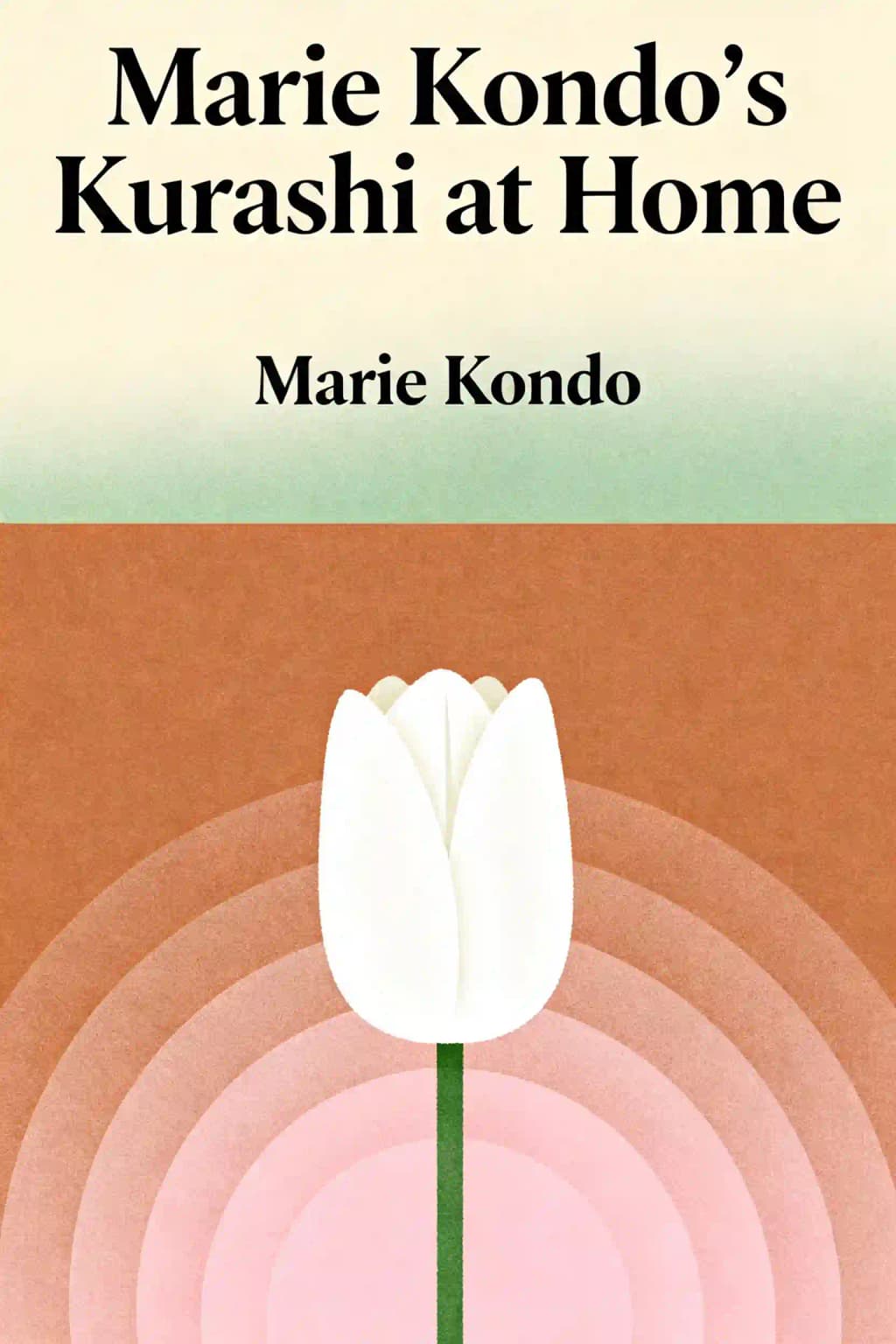
Marie Kondo's "Kurashi at Home" has sparked a global revolution in how we think about our living spaces. The book has sold over 13 million copies worldwide and been translated into more than 40 languages. Even celebrities like Jennifer Garner and Kate Hudson have embraced her methods, sharing their tidying journeys on social media. What makes this approach so compelling? At its heart, Kondo's philosophy isn't just about organization-it's about creating a life filled with joy. Her methods have been scientifically studied, with research from UCLA's Center on Everyday Lives of Families finding that people who implemented KonMari principles experienced reduced cortisol levels and improved mental well-being. As we navigate increasingly chaotic and uncertain times, Kondo's emphasis on mindfulness and intentionality offers a path to reclaiming control over our immediate environment and, by extension, our lives.
Kapitel 2
The Dialogue Between Self and Space
Tidying is fundamentally a conversation with yourself about what truly matters. When we begin the tidying process, we're not just organizing physical objects-we're clarifying our values and priorities. Kondo emphasizes that your ideal lifestyle isn't necessarily about where you live but how you spend your time. Even in her small university apartment, she created moments of joy through simple touches like aromatherapy before bed or a single flower in a vase.
Many of us abandon our vision of an ideal home, believing it's impossible given our current circumstances. But Kondo challenges this defeatism. She shares the story of a Japanese celebrity who transformed a tiny 100-square-foot apartment into a rococo-style space through creativity and determination. What makes a home truly admirable isn't its size or luxury features but the inhabitant's passionate commitment to creating a space that reflects their dreams-choosing only what they truly love and treating belongings with respect.
When clients struggle with tidying, Kondo asks seemingly unrelated questions about childhood habits, work choices, and leisure activities. These questions reveal "blocks" in the tidying process that correspond to blocks in other life areas-whether work dissatisfaction or unresolved relationship issues. How we approach our possessions mirrors how we approach relationships, work, and lifestyle choices. By addressing one, we often find resolution in the others.
If tidying becomes stressful, Kondo advises pausing to reconsider your approach. She suggests writing down everything weighing on you and consulting with family members about schedules and tasks. The purpose of tidying isn't perfection but creating space for joy in everyday life. Setting a clear deadline is crucial-without one, human nature leads us to postpone indefinitely. Whether one week or six months, having a firm end date focuses our minds and increases productivity.
The KonMari Method involves tidying belongings all at once, proceeding category by category: clothes, books, papers, miscellaneous items, and sentimental items. By physically touching each item to determine if it "sparks joy," we develop a heightened sensitivity to our emotional responses. This process transforms our mindset permanently and honors items that once brought joy but have served their purpose. As Kondo explains, "Choosing what to keep means choosing how to live."
Kapitel 3
The Sacred Relationship With Our Possessions
Each home has its own distinct personality-some feminine, others masculine; some youthful and vibrant, others serene and mature. Kondo begins each client relationship by greeting the home and asking for its support, sensing its nature through this initial "conversation." While this might seem unusual, establishing this connection often guides her toward appropriate storage solutions. She's concluded that homes are fundamentally kind, offering comfort when needed.
To understand if your possessions are comfortable, Kondo suggests the "solo performance" method: examining items that catch your eye and imagining their feelings, voicing whatever words come to mind-"This weight is crushing me" or "I quite like it this way." After embodying several items, you'll likely gain insights about how things want to be stored or whether they've completed their purpose in your life.
Some possessions create an instant connection-a perfect match we recognize immediately. Kondo shares her experience with an Alice in Wonderland-inspired painting she discovered in college. After staring at it spellbound and agonizing over the purchase, she finally bought it, feeling her room was complete. Years later, after giving it away, the painting began appearing in her dreams nightly. When she retrieved it, her work immediately progressed more smoothly. Kondo believes such "clicking" items appear only when timing is right, creating truly magical connections that inspire profound peace and security.
Examine your possessions to identify which you've cherished longest-not forgotten items but those kept nearby and regularly used. Kondo's wooden sewing box, a first-grade Christmas gift from her parents, has witnessed all her life's joys and sorrows. Despite its broken metal fastener, she treasures the wood color and carved flower pattern. Like a confidant who's seen her at both best and worst, it accepts her completely. When you find such an item, hold it, polish it affectionately, and acknowledge its support.
Kapitel 4
Creating Your Ideal Living Environment
The entranceway serves as your home's face and most sacred spot. It should evoke relief and contentment when entering, making you want to announce "I'm home!" Kondo describes her daily practice of wiping her entranceway floor with a damp rag-a habit inspired by feng shui teachings that keeping the entranceway clean increases good fortune. One client compared this practice to the gateway of a Shinto shrine that cleanses away defilement. The entranceway serves as a purification space, creating confidence from having nothing to hide and instilling respect for home as sacred space.
Your living room should foster connection and conversation while balancing relaxation with engagement. In Kondo's home, it functions as a play area for her children, with designated spots for family photos, children's crafts, and seasonal decorations. When alone, it becomes her retreat for tea and music. She maintains tidiness by giving everything a designated place-using hidden storage, baskets for remotes, and trays for grouping items. One client created a magical living room filled with sun catchers, crystals, and a rainbow maker that cast colorful reflections throughout the day.
A good kitchen makes cooking enjoyable through thoughtful organization. Kondo keeps counters clear near sinks and stoves for easy cleaning, minimizes cookware to essentials, and organizes utensils by simple categories. Pantry goods are stored upright with regular expiration date checks, while refrigerated items are arranged for visibility to prevent waste. She suggests collecting joy-sparking storage containers and shares how one client's wooden paper towel holder-a gift from her husband-made everyday kitchen tasks feel special.
Your bedroom serves as a sanctuary for recharging energy. Kondo recommends comfy, clean bedding, carefully chosen decor, gentle music, and soothing scents like lavender or rose. One client discovered joy by switching to pink sheets she'd forgotten in her closet, washing them frequently and finding pleasure in both fresh bedding and her newfound color preference. What you see first upon waking matters-our subconscious mind lingers as we transition to wakefulness. Create a "joy niche" with seasonal flowers, plants, or artwork positioned where you'll first look upon waking.
Drawing from her grandfather's acupuncture practice, Kondo identifies three critical "pressure points" in the home that, when kept clear, dramatically improve energy flow: the entrance, the center, and areas with plumbing. The center is particularly important-a spot where energy thickens and swirls like a whirlpool. This aligns with feng shui principles showing energy entering the front door, circulating in the center, and exiting diagonally. Keep this central point free of clutter to prevent unease from pervading your home.
Kapitel 5
The Art of Clothing Organization and Personal Style
Mindfully engaging with your clothes transforms your relationship with them. If your closet overwhelms you, folding clothes solves most storage problems and creates space. Hang flowy items that "dance" when waved and structured pieces like coats; fold everything else into smooth rectangles that stand upright. Folding isn't just organizing-it's communicating love and positive energy to your clothes as you smooth the fabric and thank them for protecting you.
Store folded items vertically in drawers arranged by color gradient to instantly see your collection. When hanging clothes, create an uplifting visual line that rises to the right, organizing by length and color (long, thick, dark items on the left; short, light, bright items on the right), grouped by type. Position shoes with heavier ones below and lighter ones above. If space allows, personalize your closet with joy-sparking decorations to create an inspiring private sanctuary.
Many clients worry when their post-tidying wardrobe reveals a consistent style or color palette. One client was dismayed that her remaining clothes were predominantly beige and green, fearing office colleagues might mock her. Kondo reminded her that we rarely notice when others wear similar outfits repeatedly-it's actually comforting to see people in clothes we associate with them. The fashion industry perpetuates the idea we must constantly wear different things, but freeing yourself from this misconception brings relief.
Shoes occupy a unique space between consumable and artwork, inspiring passionate collections and impulsive purchases. Kondo spent an hour contemplating her shoes, sensing they'd lost their confidence hidden in the cabinet. After polishing them to a shine, she felt compelled to clean their soles too. The stark contrast between how we treat new shoes (displayed like jewels) versus worn ones (handled with disgust) reflects our relationship with these hardworking items. She's adopted the habit of wiping her shoes' soles before bed or in the morning, thanking them for their support-a practice that brings mental clarity and, perhaps, good fortune.
Kapitel 6
Creating Joy-Filled Daily Routines
My ideal morning begins by opening windows to let in fresh air-I believe sleep transforms us into new people each day, cleansed of yesterday's frustrations. I light incense to purify the space, then greet my house as I would family. For physical refreshment, I practice oil pulling, an Ayurvedic mouth rinse, followed by hot water to clear my stomach. I wait until I'm hungry before eating breakfast, first doing housework or finishing tasks to activate my metabolism.
Forming new joy-bringing habits seems daunting, but Kondo's approach works: commit to ten consecutive days of practice. This short timeframe makes the goal achievable while providing enough consistency to establish a rhythm. Daily practice from the start is more efficient than gradually increasing frequency-the initial behavior change requires the most energy. After ten days of oil pulling with sesame oil, despite initial discomfort, her skin became more supple and the practice became natural.
The key to a joyful morning is avoiding feeling rushed by allowing extra time. In Kondo's home, her husband rises at 4:00 to work, she wakes at 6:00, and the children at 6:30, giving them time for a leisurely breakfast together. Everything has a designated spot-hairbrushes, school bags, water bottles-ensuring smooth mornings without wasted time searching. The children choose their clothes the night before and go to bed early enough to rise on time.
Though Kondo once obsessively cleaned with various specialized cleansers, she's now simplified to just three-one each for kitchen, laundry area, and toilet-plus baking soda. For the bathtub, she simply rinses with cold water and wipes dry with a designated towel while expressing gratitude. Floors get wiped with just a damp cotton rag, and she cleans the stovetop immediately after cooking with a hot, damp cloth-no cleanser needed. This minimalist approach brings joy through simplicity, requiring less decision-making and storage space.
Kapitel 7
Balancing Family Life, Work, and Personal Joy
When life feels overwhelmingly busy, Kondo reviews her datebook and lists all regular activities to identify time-wasters. This self-reflection reveals which activities bring joy and which habits-like mindless online scrolling or unnecessary snacking-drain time. Sometimes she reflects alone, other times with her husband who spots habits she overlooks. Announcing habits she wants to quit makes her more likely to catch herself.
Balancing work and parenting requires creating a support system and harmonious schedule. Kondo and her husband prioritize giving each other blocks of uninterrupted time by aligning their schedules with their children's fixed routines. He works early mornings starting at 4:00, while she tackles important tasks when the children are out. They coordinate so one parent is always available when the children return from school. Everyone's rhythm differs-some function best in the morning, others at night. The key is changing your mindset: having children doesn't mean sacrificing personal time, but rather embracing the challenge of scheduling it effectively.
In their family, chores and tidying are integrated into playtime rather than tasks rushed through while children are at school. When Kondo sews buttons, her children practice on stuffed toys. When folding clothes, she announces "Time to fold" and they join in. Tidying becomes a natural transition between activities-before drawing, they put away blocks first. Knowing they must tidy before watching TV motivates quick cleanup, made easy because everything has a designated place.
When organizing toys, Kondo combines bins for larger items with baskets and boxes for smaller ones, storing everything upright by category. This visibility helps children see where things belong and tidy independently. Boxes serve dual purposes: conventionally with lids closed, or with lids used as trays for smaller items while boxes hold taller supplies like markers and glue. Semi-transparent zippered pouches work perfectly for flat items like stickers and origami, and can eliminate bulky game boxes by storing pieces compactly.
Working intensely isn't necessarily problematic-at 20, Kondo taught three five-hour tidying lessons daily from dawn till night. The ideal work-life balance varies by person and life stage. What matters is finding your right balance now. If a critical career project deserves 80% of your time, that's fine-as long as it's intentional. Problems arise when we work relentlessly without purpose, getting swept along without direction. After becoming a parent, Kondo couldn't maintain her previous schedule, but time constraints actually helped her organize more effectively.
Kapitel 8
Finding Joy Through Movement, Creativity, and Connection
Life's ultimate purpose is to find happiness and fulfillment-not selfishly, but in harmony with others, creating positive energy that spreads outward. Discovering and enjoying creative outlets is essential to this fulfillment. Reflecting on childhood interests often reveals what truly brings us joy. After having children, Kondo rediscovered her love for sewing and knitting, reminding her that even tidying had been enjoyable since childhood. We often forget these natural inclinations as we grow up, but they remain connected to our deepest sources of joy.
After their morning routine of sending children to school and tidying up, Kondo and her husband take a daily walk that doubles as a check-in and work meeting. By integrating exercise into her routine in this enjoyable, productive way, she's more likely to maintain it consistently. If you believe you dislike exercise, look deeper-what movements naturally spark joy? Some find joy in dancing, others in hiking through nature. Kondo personally centers herself with yoga and finds daily exercise in cleaning activities.
In Japanese schools, children clean their own classrooms by wiping floors in a position resembling Downward Dog-knees slightly bent, arms and back straight, pushing a damp rag across the floor. This traditional floor-cleaning method, which Kondo still practices after vacuuming, aligns the body and restores balance. After about five minutes, her breathing smooths, her back straightens, and she feels refreshed physically and mentally. This practice becomes a form of dialogue with her home-connecting with the foundation that supports her daily.
Kondo takes three daily tea breaks-morning after children leave for school, afternoon work break, and before bed. During these moments, she avoids digital devices, simply relaxing on the sofa while listening to classical music. Working continuously reduces efficiency; when physically and mentally tired, our thoughts circle unproductively. Even brief 10-15 minute breaks can reset our minds. Schedule these pauses intentionally, considering what refreshes you most-perhaps a walk, meditation, or espresso.
For a joyful life, we must consider our connections with family, coworkers, friends, neighbors, and community members. When a relationship lacks joy, honestly examine possible causes-perhaps a specific incident created strain, or fundamental personality differences make connection difficult. Consider concrete strategies: making a point to greet them consistently or, if necessary, withdrawing from the relationship. Focus on building connections that genuinely spark joy.
Kapitel 9
Evening Rituals and Gratitude Practices
For joyful suppertime, focus on gathering together as a family. If living alone, enhance your surroundings with special touches-a favorite tablecloth, decorative place settings, or flowers. At Kondo's house, they serve Japanese-style dinners with fermented foods and balanced vegetables and proteins. Her children especially love spinach with sesame sauce and black vinegar chicken wings-a recipe from her mother. For cherished family recipes jotted on notepaper, create a special decorated folder or box to store them joyfully.
Kondo recently began making her own fermented foods like miso and amazake. The flavor varies not just from ingredients but from the maker's touch-our hands contain beneficial bacteria that influence fermentation, making each batch uniquely personal. Countless bacteria live inside our bodies too, maintaining our immune system and addressing imbalances. The amino acids and vitamins in fermented foods activate these beneficial microbes. By making or eating fermented foods with gratitude, we develop a deeper appreciation for our bodies and their natural processes.
Although Kondo schedules relaxation moments throughout her day, raising small children makes dedicated meditation time difficult. Instead, she meditates during simple activities - walking, stretching, cleaning, or cooking. Japanese Buddhist priests view temple chores as meditation practice. By focusing completely on repetitive tasks like chopping vegetables, she can clear her mind of distracting thoughts. When thoughts arise, she simply lets them go without attachment.
As a university student, Kondo religiously followed every bedtime trend from face massage to yoga. Once working, she became so busy she'd fall asleep with makeup on or at her computer. Through trial and error, she's found her ideal routine: after putting her children to bed at 7:30 (and her early-rising husband), she tidies the kitchen, prepares for tomorrow, checks emails, then makes tea and reflects on her day, noting gratitudes and areas for improvement. Being a morning person, she doesn't have rigid bedtime rituals but focuses on what to avoid - cold drinks or going online that stimulate the nervous system.
When we tidy by choosing only joy-sparking items, we dramatically increase our sensitivity to joy, honing all five senses. While tidying sharpens our sight by reducing visual clutter, the most marked evolution occurs in our sense of smell and touch. Clients who've completed tidying often gravitate away from synthetic materials toward natural ones. That's why Kondo is particular about wearing only 100 percent silk or cotton pajamas, mostly soft organic cotton. Sleep is our only complete escape from thoughts, so investing in sleep comfort makes sense.
Kondo prays every night before sleep, though "prayer" might be too formal a word - she simply expresses gratitude. Beginning with thanking her pajamas, she expands outward to include her bed, bedroom, home, husband, children, parents, siblings, grandparents, and ancestors she's never met. This practice fills her with profound gratitude for simply existing in this moment, feeling held and protected within something greater. Her body lightens as she drifts off to sleep. Adding a nightly gratitude practice to your routine, whether journaling or mental focus, helps discard the weight of troubles while honing your appreciation for life's blessings.
Kapitel 10
The Transformative Power of Joy
We can realize many elements of our ideal lifestyle right now using what's already at hand. When Kondo helped a client who dreamed of hosting friends but never did because her home wasn't tidy, she discovered beautiful dishes and glasses hidden away in cupboards. By simply using these lovely items, they transformed a simple snack break into an elegant luncheon. With creativity and playfulness, anyone can make their life joyful with what they already have.
Celebrating seasonal occasions is another way to bring joy-Kondo's mother found something to celebrate every month, from traditional Japanese festivals to Western holidays, adapting them with local ingredients like drawing faces on tangerines instead of pumpkins for Halloween. Kondo hangs traditional Japanese tenugui cloths as seasonal decorations in strategic spots, completely changing the atmosphere with minimal effort.
When we put our home in order, it changes our lives-sometimes dramatically, but always meaningfully by teaching us to savor each moment. With each life stage-as children grow, when we move, or when work changes-what sparks joy naturally evolves. The important thing is to continually examine what brings you joy at each stage. Stay attuned to your sense of joy in every moment and rejoice in time spent with loved ones.
Self-reflection is crucial to the tidying process, helping you discover what truly matters and preventing a return to clutter. Kondo recommends writing thoughts by hand rather than typing, as it's easier to organize thoughts and see things clearly. By visualizing your ideal lifestyle, noting things that spark joy, and tracking changes you experience, you create a roadmap to a more fulfilling life. This practice helps identify joy-sparking activities and possessions that truly fulfill you.
The ultimate message of Kurashi at Home isn't about perfection or minimalism-it's about intentionally creating a life filled with joy. By choosing what to keep, how to arrange it, and how to spend our time, we aren't just tidying our physical spaces-we're clarifying our values and priorities. In doing so, we create homes that nourish our spirits and lives that reflect our deepest values, one joy-sparking choice at a time.