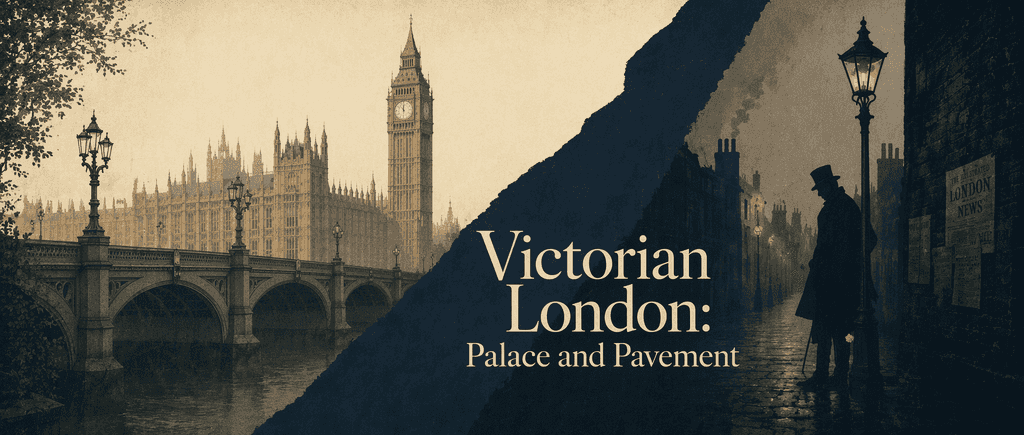
Dickens' immortal tale of redemption transformed Christmas forever. Worth $75,000 in first edition, this Victorian ghost story sparked global charity traditions and inspired over 20 million readers. What dark truth about poverty made this holiday classic a revolutionary social catalyst?
Charles John Huffam Dickens (1812–1870) was a celebrated Victorian novelist and social critic. He penned the timeless holiday classic A Christmas Carol, a ghost story novella that masterfully intertwines themes of redemption, compassion, and societal inequality.
Born in Portsmouth, England, Dickens drew from his traumatic childhood experiences, including grueling factory work as a 12-year-old after his father’s debt imprisonment, to fuel his critiques of poverty and industrial exploitation in his works.
A literary titan of the 19th century, he pioneered serialized storytelling through 15 novels like Oliver Twist, Great Expectations, and Bleak House, which remain pillars of English literature. Known for vivid characters and moral urgency, Dickens leveraged his unprecedented fame to advocate for labor reforms and educational access.
A Christmas Carol, first published in 1843, has never been out of print, sold over 50 million copies worldwide, and inspired countless adaptations—from stage plays to films—cementing its status as a cultural touchstone of Christmas traditions.
Charles Dickens' A Christmas Carol follows Ebenezer Scrooge, a miserly banker who despises Christmas until three ghosts show him his past, present, and future. Through haunting visions of loneliness, poverty, and death, Scrooge transforms into a generous man, embracing kindness and redemption. The novella explores themes of greed, social responsibility, and the power of compassion.
This classic appeals to readers seeking timeless moral lessons, fans of Victorian literature, and those interested in social critique. Its themes of redemption and empathy resonate with audiences exploring human behavior, historical class divides, or holiday traditions. Families often revisit it for its heartwarming message about generosity.
Yes—it’s a short yet impactful story that reshaped Christmas traditions worldwide. Dickens’ vivid characters, like Tiny Tim and the Ghosts of Christmas, and iconic quotes (“Bah, humbug!”) make it culturally significant. Its critique of industrial-era inequality remains relevant, offering both entertainment and reflection on societal values.
Key themes include:
Dickens exposes inhumane working conditions (e.g., Bob Cratchit’s low pay) and societal neglect of the poor. The charity collectors’ plea and Tiny Tim’s possible death underscore the era’s lack of social safety nets. Scrooge’s transformation urges readers to address inequality through compassion and charity.
Tiny Tim, Bob Cratchit’s frail son, symbolizes innocence harmed by poverty. His famous line, “God bless us, every one!” contrasts Scrooge’s earlier selfishness. The ghosts warn that Tim’s death is inevitable without intervention, motivating Scrooge’s charity. Tim’s survival in the end signifies hope.
Together, they dismantle his greed and isolation.
Marley, Scrooge’s deceased partner, symbolizes eternal punishment for selfishness. His ghost, shackled by chains of greed, warns Scrooge to change. Marley’s fate—a lonely afterlife—mirrors what awaits Scrooge without redemption, emphasizing the urgency of moral reform.
Its messages about empathy, wealth disparity, and community resonate in modern discussions about social justice. The story’s focus on second chances and the impact of individual actions on society remains universally applicable, keeping it a holiday staple.
These lines highlight his transformation and Dickens’ social commentary.
The book popularized family gatherings, charitable giving, and festive cheer during Christmas. Phrases like “Merry Christmas” gained prominence post-publication. Its moral focus on kindness helped reshape the holiday into a celebration of community over commercialism.
Scrooge’s trauma (neglectful childhood, lost love) explains but doesn’t excuse his cruelty. His transformation—from “a squeezing, wrenching, grasping” miser to a figure of joy—showcases Dickens’ belief in human capacity for change, making him one of literature’s most iconic redemption arcs.
Erlebe das Buch durch die Stimme des Autors
Verwandle Wissen in fesselnde, beispielreiche Erkenntnisse
Erfasse Schlüsselideen blitzschnell für effektives Lernen
Genieße das Buch auf unterhaltsame und ansprechende Weise
God bless us, every one!
I will honour Christmas in my heart, and try to keep it all the year.
Are there no prisons? Are there no workhouses?
Mankind was my business.
Zerlegen Sie die Kernideen von Christmas Carol in leicht verständliche Punkte, um zu verstehen, wie innovative Teams kreieren, zusammenarbeiten und wachsen.
Destillieren Sie Christmas Carol in schnelle Gedächtnisstützen, die die Schlüsselprinzipien von Offenheit, Teamarbeit und kreativer Resilienz hervorheben.

Erleben Sie Christmas Carol durch lebhafte Erzählungen, die Innovationslektionen in unvergessliche und anwendbare Momente verwandeln.
Fragen Sie alles, wählen Sie die Stimme und erschaffen Sie gemeinsam Erkenntnisse, die wirklich bei Ihnen ankommen.

Von Columbia University Alumni in San Francisco entwickelt
"Instead of endless scrolling, I just hit play on BeFreed. It saves me so much time."
"I never knew where to start with nonfiction—BeFreed’s book lists turned into podcasts gave me a clear path."
"Perfect balance between learning and entertainment. Finished ‘Thinking, Fast and Slow’ on my commute this week."
"Crazy how much I learned while walking the dog. BeFreed = small habits → big gains."
"Reading used to feel like a chore. Now it’s just part of my lifestyle."
"Feels effortless compared to reading. I’ve finished 6 books this month already."
"BeFreed turned my guilty doomscrolling into something that feels productive and inspiring."
"BeFreed turned my commute into learning time. 20-min podcasts are perfect for finishing books I never had time for."
"BeFreed replaced my podcast queue. Imagine Spotify for books — that’s it. 🙌"
"It is great for me to learn something from the book without reading it."
"The themed book list podcasts help me connect ideas across authors—like a guided audio journey."
"Makes me feel smarter every time before going to work"
Von Columbia University Alumni in San Francisco entwickelt

Erhalten Sie die Christmas Carol-Zusammenfassung als kostenloses PDF oder EPUB. Drucken Sie es aus oder lesen Sie es jederzeit offline.
On a frigid Christmas Eve in Victorian London, Ebenezer Scrooge sits counting coins in his freezing office. "Bah, humbug!" he snarls when his clerk Bob Cratchit timidly requests Christmas Day off. This isn't just any miser-Scrooge has elevated penny-pinching to an art form. He rejects his nephew Fred's dinner invitation, dismisses charity collectors with cutting remarks about prisons and workhouses, and returns to his gloomy mansion alone. What makes this tale endure nearly two centuries later? Perhaps because we all recognize something of ourselves in Scrooge-the temptation to close our hearts, to choose self-interest over compassion. His journey speaks to our deepest hopes about human nature: that no one is beyond redemption. That night, as Scrooge prepares for bed, something extraordinary happens. His former business partner Jacob Marley appears-dead seven years but very much present, wrapped in the heavy chains he forged in life through greed and indifference. "You will be haunted by Three Spirits," Marley warns, offering Scrooge his only chance to avoid a similar fate.