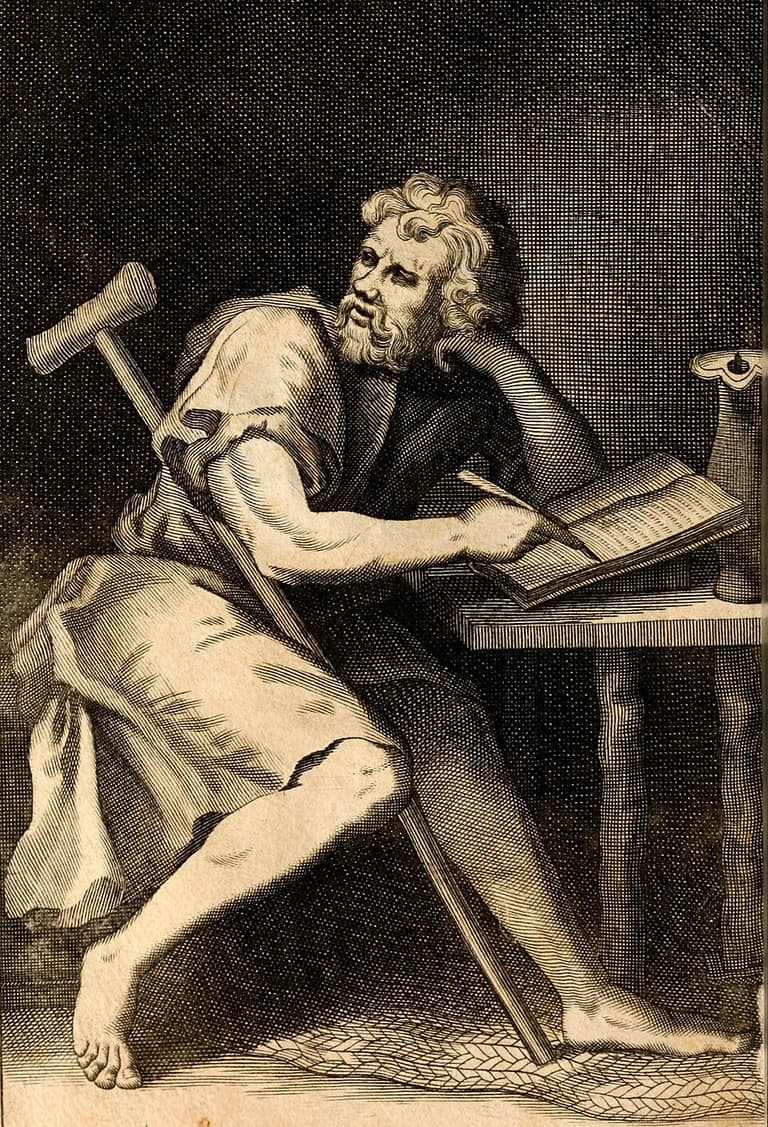
Epictetus
Epictetus was a Greek Stoic philosopher whose teachings focused on ethics, self-mastery, freedom, and distinguishing what lies within human control. His ideas survive chiefly through Arrian’s Discourses and Enchiridion, foundational Stoic texts that have been translated widely and have influenced moral philosophy, leadership writing, and modern therapeutic thought.
Biografie & Werdegang des Autors
Epictetus was born around 50 CE in Hierapolis, in Phrygia, and began life in bondage under Epaphroditus, a powerful freedman connected to Nero’s court. That background shaped the moral seriousness for which he later became known. Though enslaved, he studied philosophy in Rome under the Stoic teacher Musonius Rufus and absorbed a view of freedom that depended not on status but on the governance of one’s own mind. By the time he was freed, he had already developed the core conviction that would define his legacy: that human beings cannot command events, but they can command their judgments, choices, and responses.
Zitate

Das Könnte Dir Auch Gefallen


Beliebte Bücher

The Discourses
Epictetus
Ancient Stoic wisdom on mastering perceptions, achieving inner peace, and living virtuously in harmony with nature's universal laws.
The Manual
Epictetus
Practical Stoic guide for a fulfilling life, emphasizing self-control and acceptance.

The Art of Living
Epictetus
Ancient Stoic wisdom for modern life, offering practical guidance on virtue, happiness, and facing life's challenges with grace.
The Discourses
Epictetus
Ancient Stoic wisdom on mastering perceptions, achieving inner peace, and living virtuously in harmony with nature's universal laws.
The Manual
Epictetus
Practical Stoic guide for a fulfilling life, emphasizing self-control and acceptance.
The Art of Living
Epictetus
Ancient Stoic wisdom for modern life, offering practical guidance on virtue, happiness, and facing life's challenges with grace.
Mehr entdecken

Stoicism
Stoicism offers a time-tested framework for navigating life's challenges with clarity, resilience, and purpose—skills that are increasingly vital in our fast-paced, unpredictable world. This learning path is ideal for anyone seeking practical wisdom to manage stress, make better decisions, and cultivate unshakeable inner strength, from professionals facing high-pressure environments to individuals pursuing personal growth and emotional mastery.

Stoicism for the Modern Humanist
In an era of constant distraction and uncertainty, this plan offers a practical toolkit for emotional regulation and ethical clarity. It is ideal for individuals seeking to balance personal peace with modern social responsibilities through a logic-based approach to life.

The Stoic Inner Citadel
In an era of constant distraction and stress, this plan offers a timeless framework for emotional stability and moral clarity. It is designed for professionals and individuals seeking to build mental fortitude and practical wisdom through the proven techniques of ancient philosophy.

Apply Stoicism in Modern Life
Stoicism offers timeless strategies for managing stress, making sound decisions, and finding meaning in an increasingly chaotic world. This learning plan is ideal for professionals facing high-pressure situations, anyone seeking greater emotional control and resilience, or individuals looking to build a philosophy-based foundation for personal growth and fulfillment.

The Stoic and Existentialist Toolkit
This toolkit bridges ancient Stoic resilience with modern Existentialist agency, offering a robust framework for navigating modern uncertainty. It is ideal for individuals seeking to build mental fortitude and define their own purpose in an indifferent world.

Be more stoic
Stoicism offers timeless tools for navigating life's challenges with composure and purpose, making it increasingly relevant in our anxiety-prone, fast-paced world. This learning plan is ideal for anyone seeking greater emotional resilience, mental clarity, and a practical philosophy for living well regardless of external circumstances.

The Inner Citadel: Stoic Resilience
In an era of constant digital noise and uncertainty, this plan offers a practical framework for mental sovereignty. It is ideal for professionals and individuals seeking to build emotional stability and focus through the timeless principles of Stoic philosophy.

The Emperor’s Private Discipline
This plan distills the timeless wisdom of Marcus Aurelius into actionable strategies for the modern age. It is ideal for leaders and professionals seeking to maintain mental clarity and moral integrity in high-pressure environments.
Stimmen der Community
"Epictetus was a Greek philosopher associated with the Stoics"
— Britannica
"Epictetus was a Stoic philosopher best known for his works The Enchiridion and his Discourses"
— World History Encyclopedia
"The Stoic philosopher Epictetus was born a slave, around 55 A.D., in Hierapolis"
— The New Yorker
"Epictetus has had significant influence on the popular moralistic tradition"
— Stanford Encyclopedia of Philosophy
"Epictetus was a Greek philosopher who believed that man should concern himself only with what he can control"
— Encyclopedia.com
"Epictetus was a former slave who taught Stoic philosophy in Rome and northern Greece"
— The Guardian
"Epictetus was an exponent of Stoicism who flourished in the early second century C.E"
— Internet Encyclopedia of Philosophy
"Epictetus is perhaps the most mysterious of the Stoic writers"
— Philosophy Now
"Epictetus is a very different type of man, though closely akin as a philosopher"
— Bertrand Russell