
Book
Presence
Amy Cuddy
Harness your personal power through body language and mindset to achieve confidence and success in challenging situations.
Learn what presence really means in psychology and mindfulness, why it boosts confidence, and get 6 daily practices to build it.
Presence is defined as the full engagement of your attention, emotion, and awareness in the current moment, without judgment or distraction. It is fundamentally different from simply being physically located in a space. When you have presence defined in your daily life, your thoughts, feelings, and actions are perfectly aligned. You are not rehearsing the future or ruminating on the past. Instead, you operate with a clear, grounded focus on exactly what is happening right now.
Learning to cultivate this state takes time, but you do not have to figure it out alone. BeFreed offers AI-powered summaries and personalized podcasts of the world's best mindfulness books, helping you absorb these life-changing concepts during your commute or daily routines.
Presence actually means the complete alignment of your thoughts, feelings, and actions in the immediate moment. It is the psychological state of dropping your mental baggage and fully inhabiting the "now."
Social psychologist Amy Cuddy defines presence as the state in which we stop fighting ourselves and allow our genuine thoughts, feelings, and values to emerge. You can explore her full framework in Presence. When you are present, you project authenticity rather than a rehearsed version of yourself.
Harness your personal power through body language and mindset to achieve confidence and success in challenging situations.
From a spiritual and mindfulness perspective, Eckhart Tolle describes presence as dissolving your identification with past and future mental constructs. In The Power of Now — a book that sold 3.5 million copies in a single month following Oprah's endorsement and has been translated into 33 languages — Tolle explains that the present moment is the only reality we ever truly possess.

Presence matters for confidence because it eliminates the internal distractions of self-doubt and allows your body language, voice, and words to align naturally. When you stop rehearsing what you will say next or ruminating on a past mistake, you perform significantly better in high-stakes situations like interviews or presentations.
Amy Cuddy's research, popularized in a TED Talk with over 62 million views, highlights the difference between social power (control over others) and personal power (control over yourself). Presence unlocks personal power. It actively reduces imposter syndrome by grounding you in your actual capabilities rather than your fears.
When you are present, others perceive you as trustworthy and authentic. Your body language matches your message. You are not trying to be confident; you simply are.
Presence strengthens relationships by signaling to others that they are deeply valued and heard. Active listening, sustained eye contact, and emotional attunement create bonds that distracted interactions easily destroy.
In The Miracle of Mindfulness, Zen master Thich Nhat Hanh teaches that the most precious gift you can give someone is your presence. When you talk to a partner or a friend while looking at a screen, relationship satisfaction drops.

Practical mindfulness exercises for inner peace and self-awareness in everyday life.
Practicing relational presence is highly practical. It means putting phones down during meals. It means giving your full attention to the person speaking, rather than formulating your reply while they are still talking.
The science behind being present shows that mindfulness practice physically reshapes brain structure by increasing prefrontal cortex thickness and reducing amygdala reactivity. It is not just a philosophical concept; it is a neurological shift.
When you practice presence, you reduce activity in the brain's default mode network, which is responsible for mind-wandering and self-referential thoughts. Studies linked to UCLA's Mindful Awareness Research Center, detailed in Fully Present by Susan L. Smalley and Diana Winston, connect mindfulness to reduced anxiety, improved focus, and better emotional regulation.
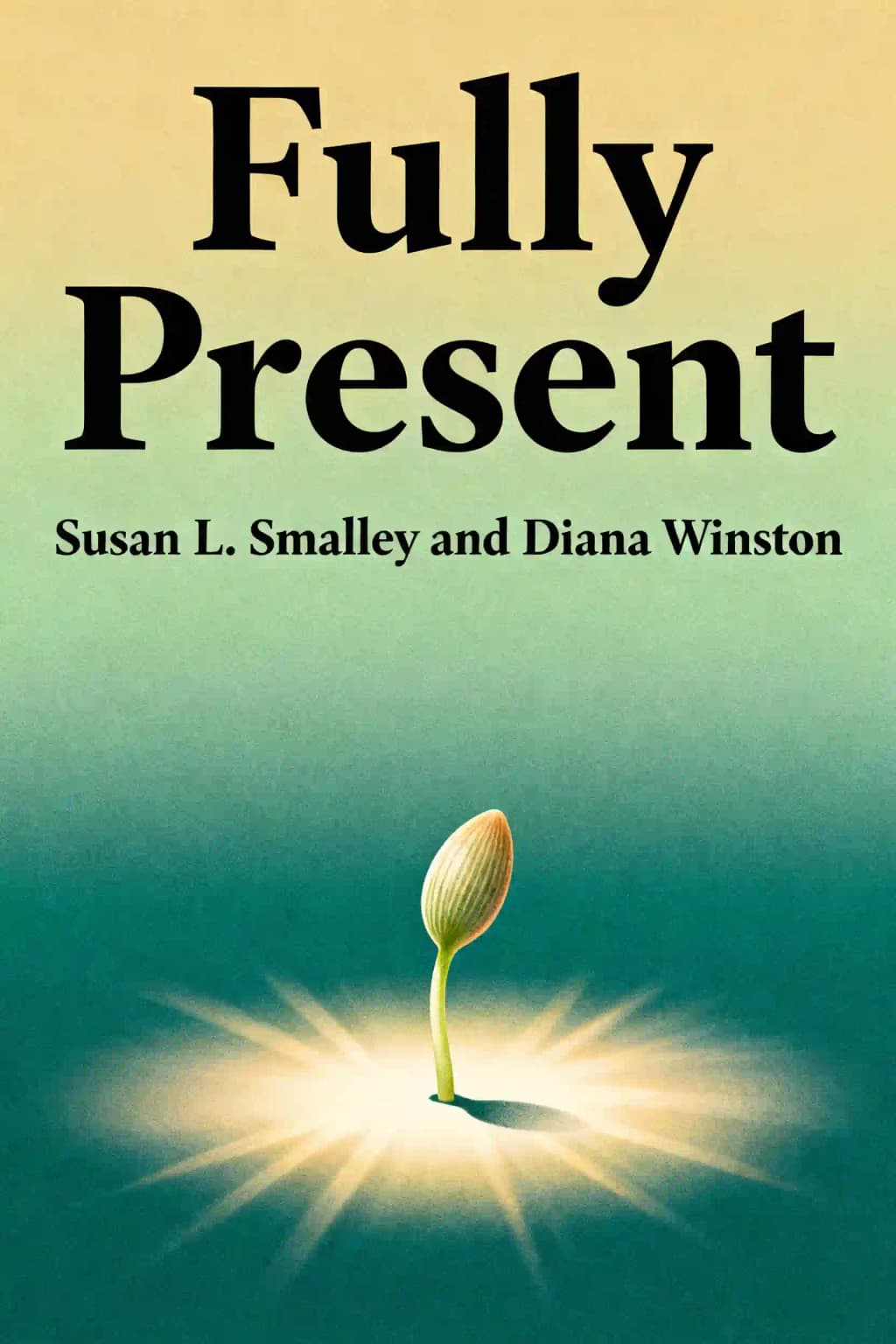
A comprehensive guide to mindfulness, blending scientific research with practical techniques for enhancing well-being and living more fully in the present moment.
A thicker prefrontal cortex improves executive function and decision-making. A less reactive amygdala means you are less likely to be hijacked by sudden stress or fear.
Spend two to three minutes scanning your body from head to toe the moment you wake up. Notice physical sensations without trying to change them or judge them as good or bad. This simple routine anchors your awareness in your physical form before the mental chatter of the day begins.
Choose one routine daily task, such as eating a meal, walking to the car, or washing dishes. Do it with your full attention. Thich Nhat Hanh famously taught the dishwashing meditation: when washing the dishes, your only goal should be washing the dishes.
When you feel scattered or overwhelmed, pause and name five things you can see, four things you can hear, three things you can feel, two things you can smell, and one thing you can taste. This technique forces your brain out of abstract anxiety and grounds you instantly in your physical environment.
Based on Amy Cuddy's research, spend two minutes in an expansive, open posture before important meetings or difficult conversations. This is not about faking confidence. It is about giving your body permission to occupy space, which signals to your brain that you are safe and powerful.
Set three random reminders on your phone. When they go off, stop what you are doing and take three conscious, deep breaths. This creates micro-moments of presence that compound over time. In his book Mindfulness, Joseph Goldstein refers to this practice simply as "remembering to be mindful."
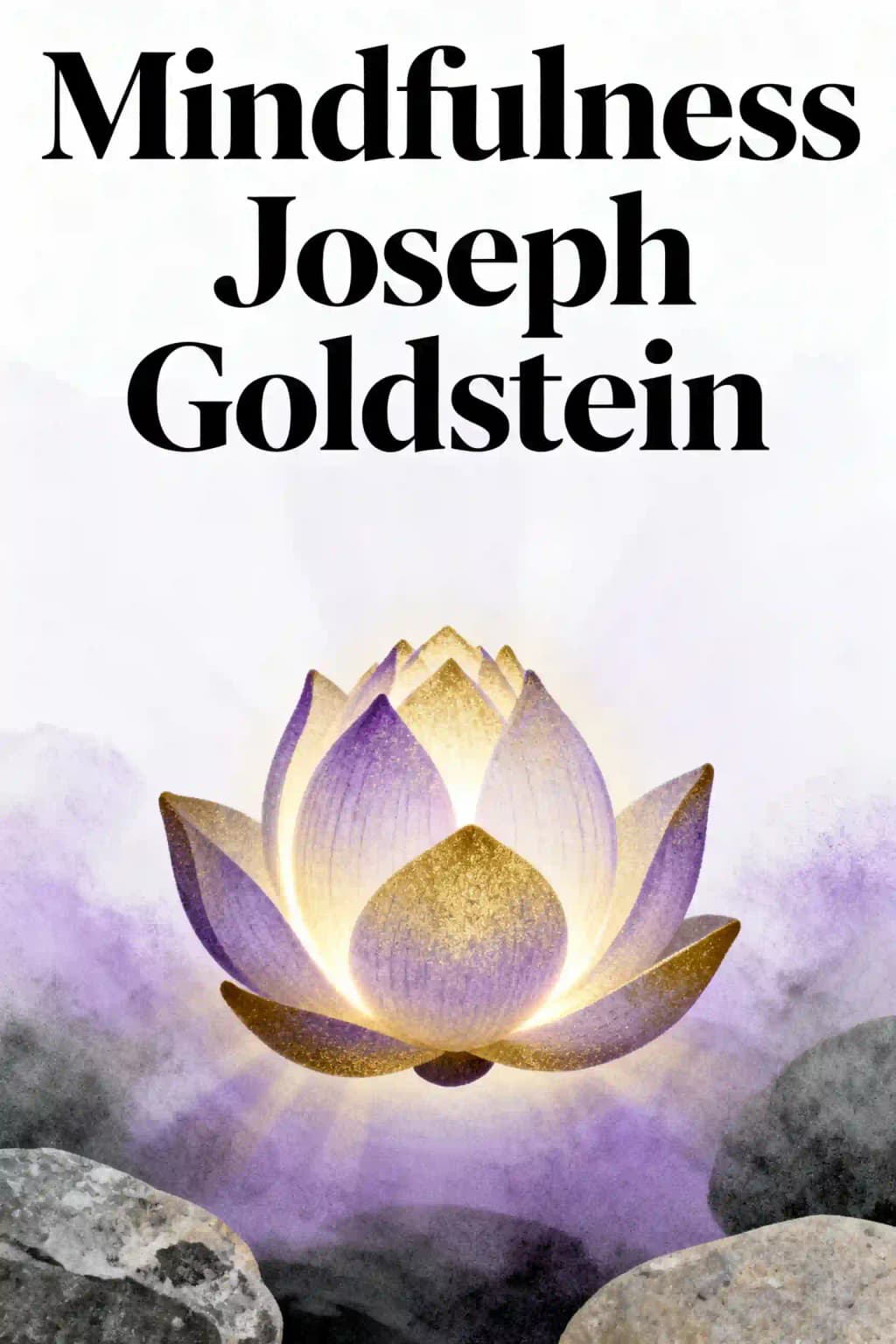
A comprehensive exploration of mindfulness meditation, blending ancient Buddhist wisdom with modern practical applications for cultivating awareness and inner freedom.
Before going to sleep, spend two minutes recalling the events of your day in chronological order. Do not evaluate your actions or criticize your mistakes. Just notice what happened. This builds the observing mind, which is a central component of sustained presence.
The most common barriers to presence include constant phone notifications, anxiety about future events, rumination over past mistakes, and the false belief that multitasking equals productivity.
To overcome digital distraction, rely on physical boundaries. Keep your phone in another room during focused work or family meals. To combat anxiety and rumination, use the 5-4-3-2-1 sensory reset to pull your mind back to the current physical reality.
Remember that multitasking is a myth; you are simply task-switching rapidly, which depletes cognitive resources. Accept that presence is a skill that improves through repetition. You will lose your focus, but the act of noticing your distraction and returning to the present is the actual practice.
Building a habit of presence requires consistent exposure to mindful ideas. BeFreed offers AI-powered summaries of key mindfulness books like Presence, The Power of Now, and The Miracle of Mindfulness.
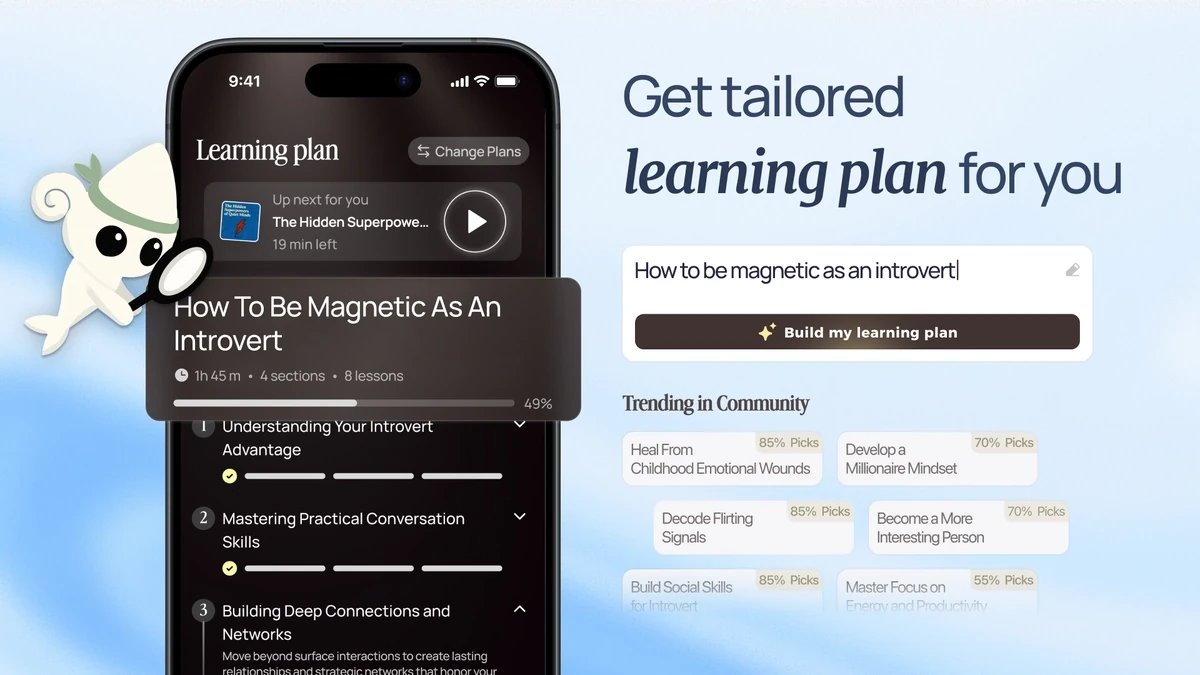
With a library of over 50,000 titles, BeFreed allows you to turn your commute or daily walk into a learning session. Our personalized podcasts break down complex psychological and spiritual concepts into actionable insights. You can choose 10, 20, or 40-minute audio formats to fit perfectly into whatever schedule you have.
Defining presence is easy, but living it requires intentional effort. It means aligning your thoughts, feelings, and body in the current moment. By understanding the neuroscience behind mindfulness and adopting small, daily habits like breath anchoring and single-tasking, you can train your brain to stay grounded. The result is authentic confidence, deeper relationships, and a clearer mind.

The Science of Confident Presence
In today’s competitive environment, technical skill is only half the battle; how you present yourself determines your influence. This plan is designed for professionals and leaders who want to master the mechanics of status and social recovery to ensure their presence always matches their expertise.

Mastering Presence Through Posture
Physical presence is a silent but powerful driver of career advancement and influence. This plan is designed for aspiring leaders and professionals who want to align their body language with their expertise to command respect and manage high-pressure situations with ease.

Command respect and presence naturally
This plan is essential for professionals and aspiring leaders who feel overlooked or struggle to assert themselves in high-stakes environments. It provides a comprehensive roadmap for transforming internal self-belief into a powerful external presence that commands natural authority.

Presence Through Quiet Confidence
This plan is designed for introverted professionals who want to exert influence without changing their personality. It provides a biological and strategic roadmap for maximizing social impact while protecting mental energy.

Speak with Ease and Presence
This plan is designed for professionals and individuals who feel anxious or stuck during social and high-stakes interactions. It provides actionable strategies to move past self-monitoring and build genuine connection through presence and structured communication techniques.

Mindfulness
In an era of constant distraction and burnout, this plan provides a structured path to mental clarity and emotional regulation. It is ideal for professionals and individuals seeking to transform their stress response into a state of focused, compassionate presence.

The Charisma Code: Speak with Presence
In a world of constant noise, the ability to project quiet authority and genuine presence is a competitive advantage. This plan is designed for professionals and leaders who want to move beyond basic public speaking to master the psychological nuances of social attraction and influence.

From Panic to Professional Presence
This plan is essential for professionals who feel hindered by public speaking anxiety or struggle to stay grounded during high-pressure interactions. It provides practical tools to transform nervous energy into a commanding presence, making it ideal for emerging leaders and individual contributors alike.