Your First 1,000 in Business: Proven Strategies
Lena and Eli break down actionable methods to generate your first 1,000 in business income, from freelancing and digital products to dropshipping and affiliate marketing, with real examples and step-by-step guidance.


此音频课程由 BeFreed 社区成员创建
comment générer ses premiers 1000 euros en business

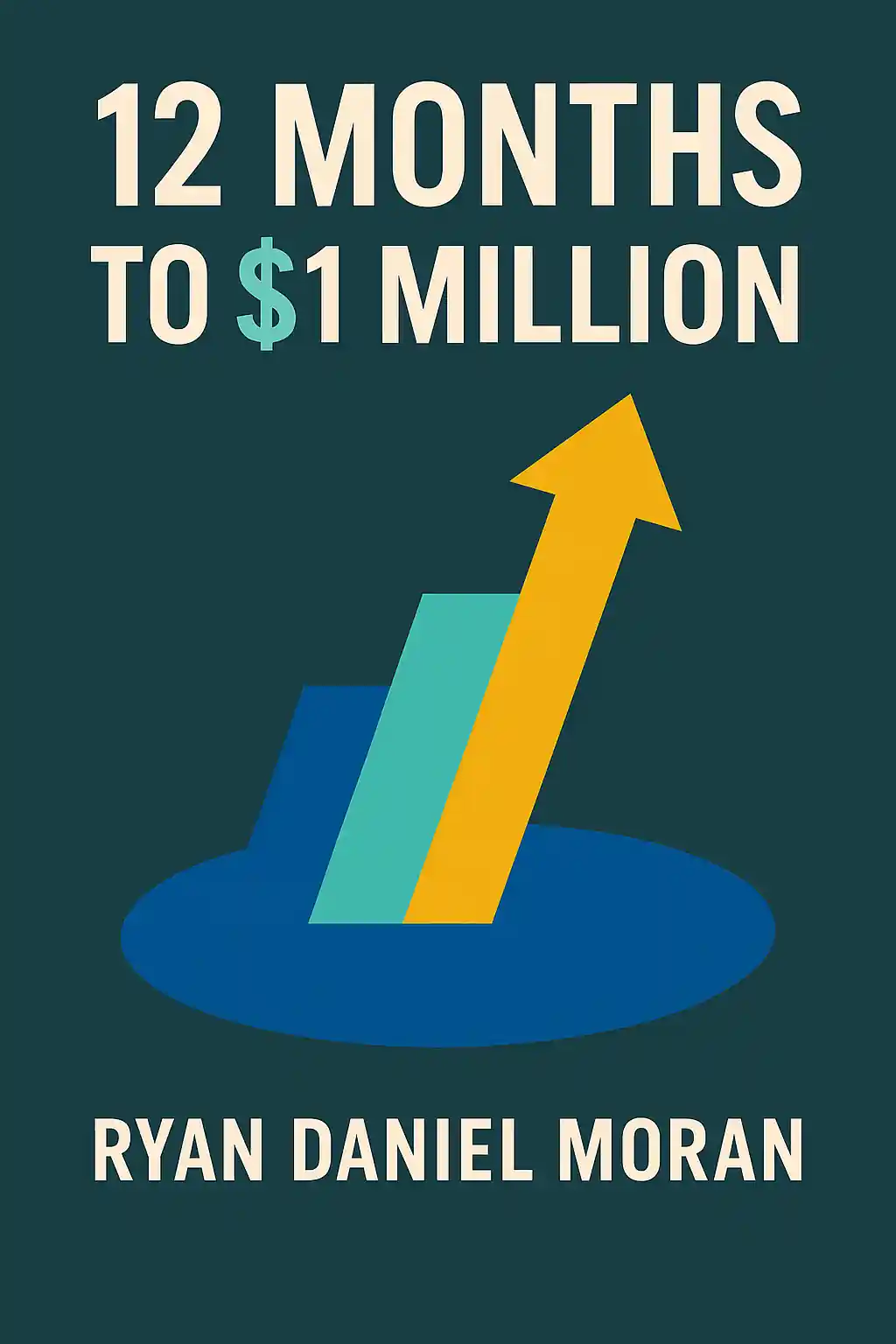
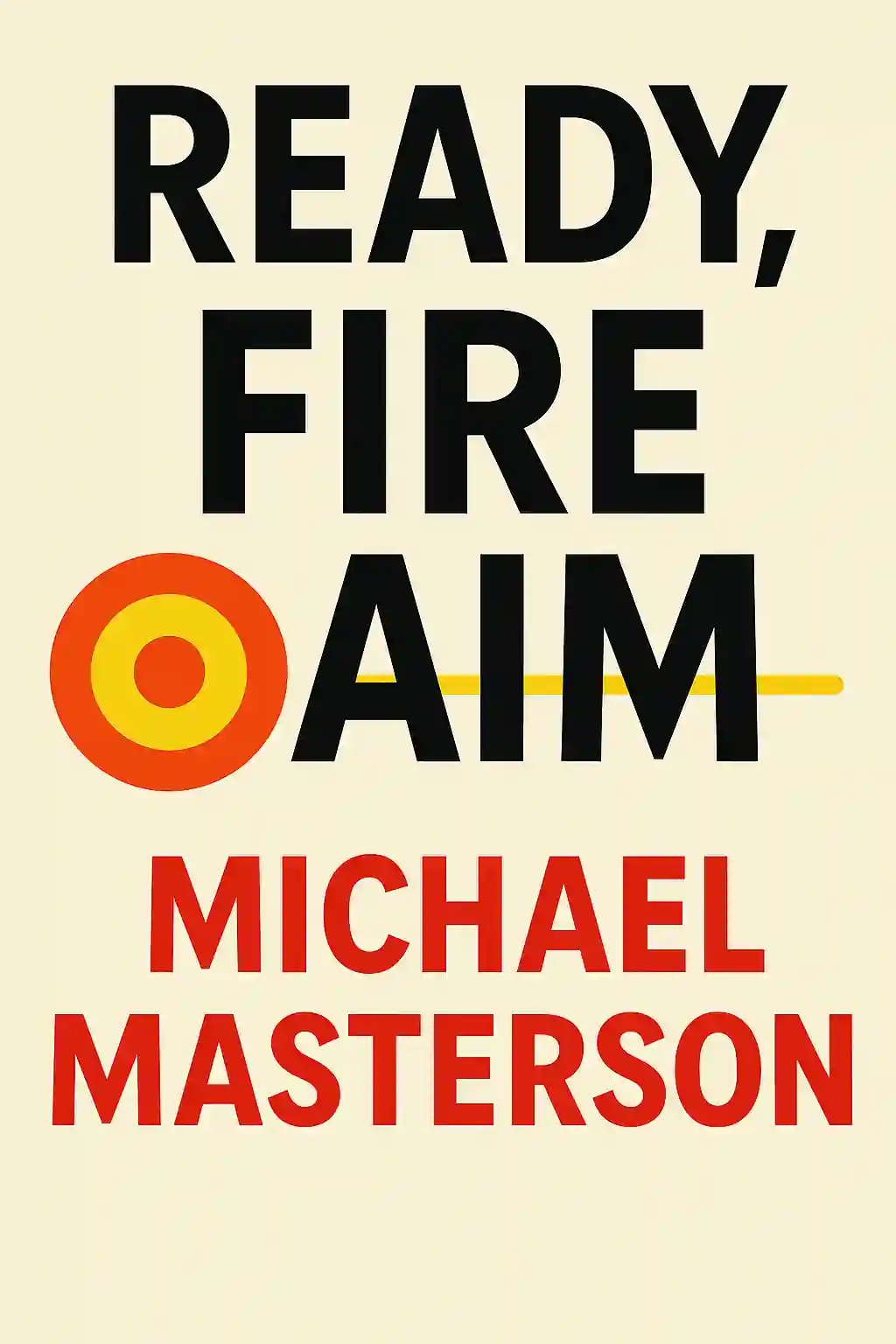


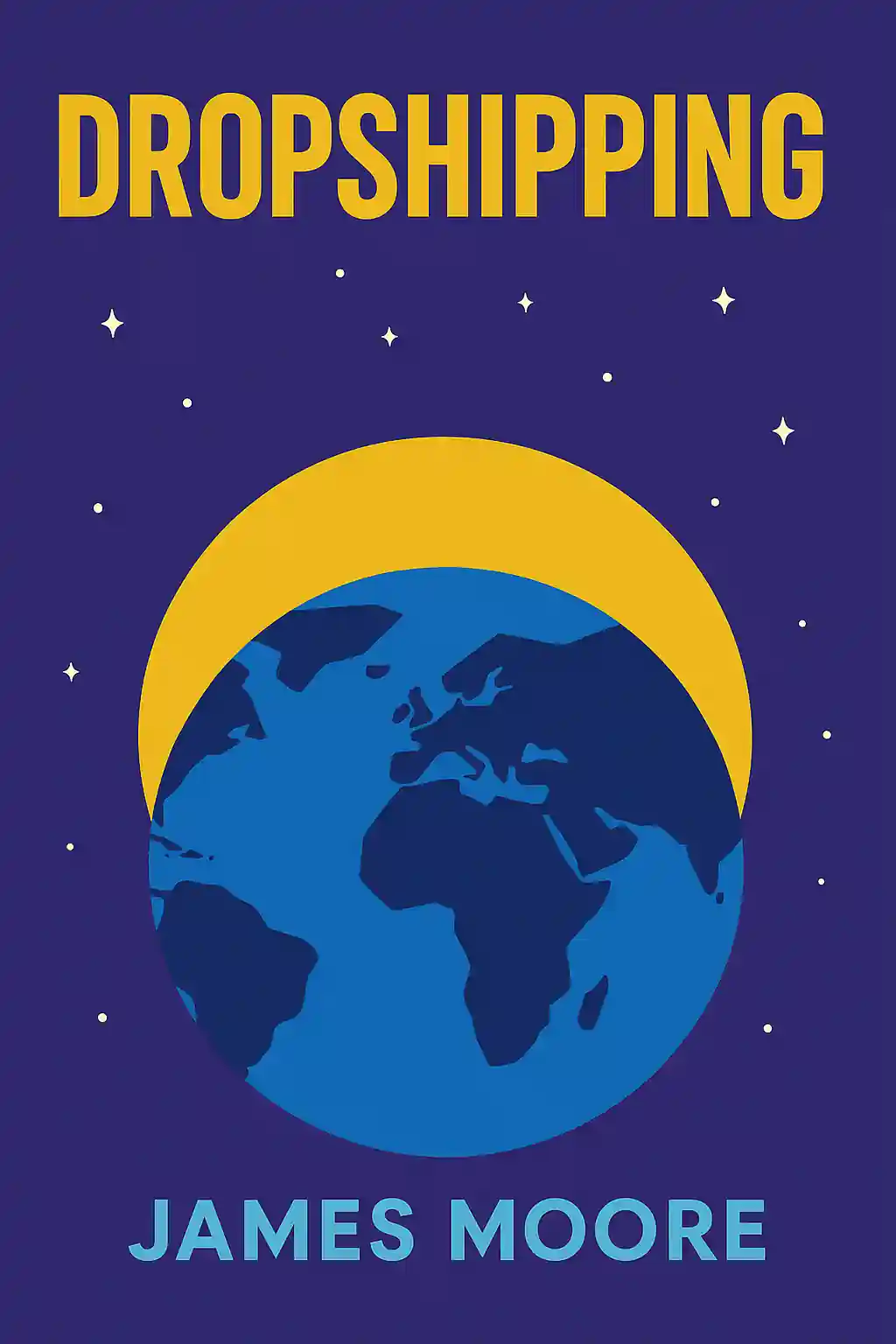

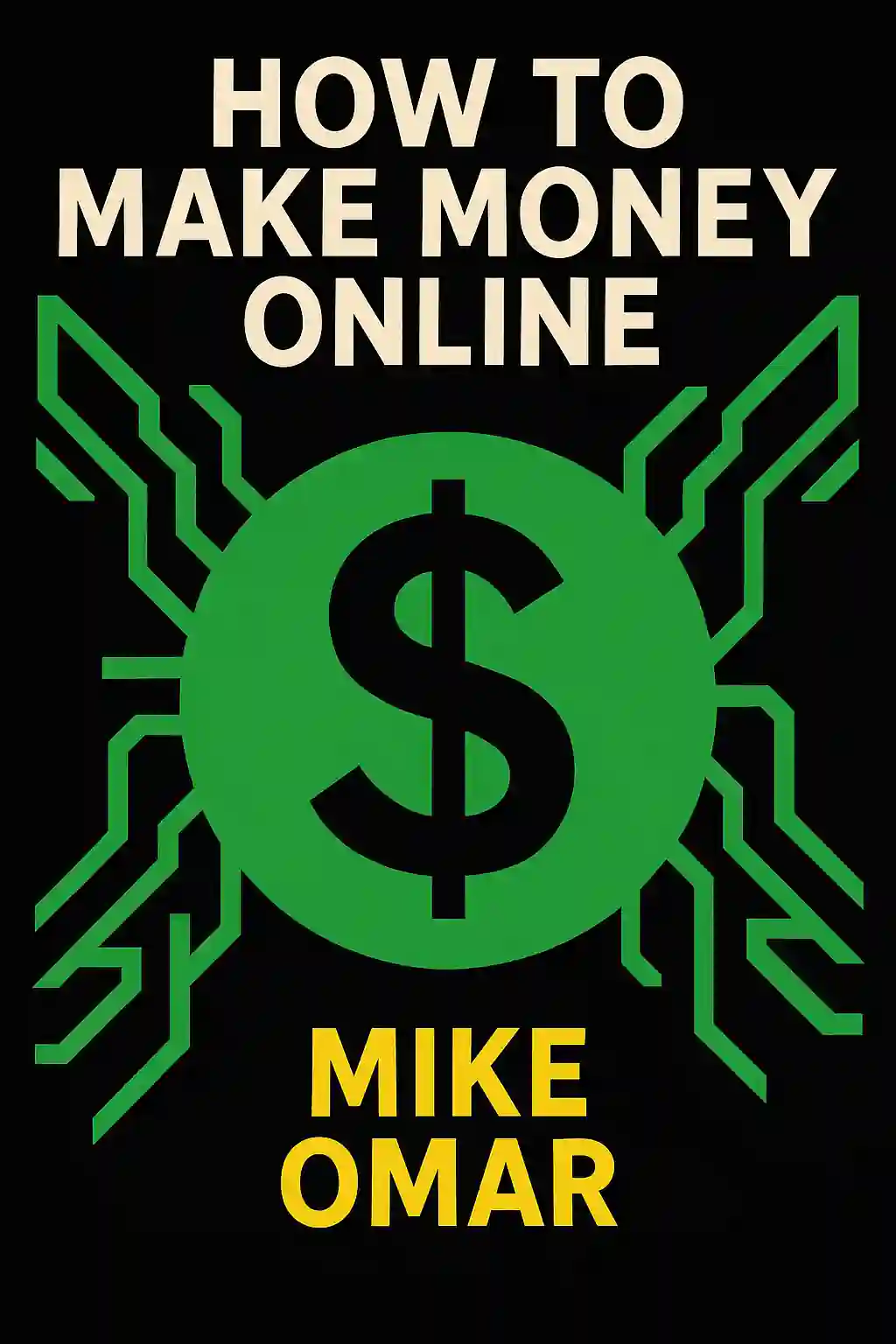
发现更多

Launch Your First Online Business
This plan is designed for aspiring entrepreneurs who want to minimize risk and move from idea to revenue quickly. It provides a structured roadmap for anyone looking to build a sustainable digital business without technical overwhelm.

From Zero to One Hundred Customers
This learning plan is essential for early-stage founders and entrepreneurs who need a practical roadmap to move beyond the idea phase. It provides a structured approach to identifying market fit and building the operational foundation required to scale from zero to a significant customer base.

Step-by-Step Guide to Launching a Business
This guide provides a comprehensive roadmap for aspiring entrepreneurs to transition from a concept to a scalable enterprise. It is ideal for first-time founders who need a structured approach to funding, marketing, and operational growth.

Vom Nebenjob zum ersten Kunden
Dieser Lernplan ist ideal für Angestellte, die ohne hohes finanzielles Risiko den Schritt in die Selbstständigkeit wagen wollen. Er bietet eine praxisnahe Anleitung von der ersten Nischenidee bis hin zur rechtssicheren Gewinnung der ersten zahlenden Kunden.
Starting a legit business
This learning plan is essential for aspiring entrepreneurs who want to move beyond a side hustle into a structured, legal business. It provides a comprehensive roadmap for those seeking to build a scalable venture with professional foundations and repeatable revenue streams.

Entrepreneurial business
This comprehensive entrepreneurial program takes you from zero to sustainable business success using proven methodologies and frameworks. It's ideal for aspiring entrepreneurs ready to launch their first venture, early-stage founders seeking structured growth strategies, or business professionals transitioning into entrepreneurship. The curriculum combines practical validation techniques with strategic frameworks used by successful startups and scale-ups worldwide.
Build charisma, financial security and business tactics. How to build your business to be a million dollar success
This learning plan bridges the critical gap between personal magnetism, financial stability, and business strategy that many entrepreneurs miss when scaling. It's ideal for ambitious business owners who understand that sustainable success requires mastering both personal influence and strategic business systems.
Build startup from zero
This comprehensive learning plan is designed for aspiring entrepreneurs, early-stage founders, and anyone looking to transform an idea into a viable, scalable business. Whether you're launching your first startup or want to approach entrepreneurship with a systematic, proven methodology, this path takes you from initial concept through fundraising and growth, equipping you with the frameworks used by successful founders worldwide.
"Instead of endless scrolling, I just hit play on BeFreed. It saves me so much time."


"I never knew where to start with nonfiction—BeFreed’s book lists turned into podcasts gave me a clear path."


"Perfect balance between learning and entertainment. Finished ‘Thinking, Fast and Slow’ on my commute this week."
"Crazy how much I learned while walking the dog. BeFreed = small habits → big gains."
"Reading used to feel like a chore. Now it’s just part of my lifestyle."

"Feels effortless compared to reading. I’ve finished 6 books this month already."
"BeFreed turned my guilty doomscrolling into something that feels productive and inspiring."

"BeFreed turned my commute into learning time. 20-min podcasts are perfect for finishing books I never had time for."
"BeFreed replaced my podcast queue. Imagine Spotify for books — that’s it. 🙌"

"It is great for me to learn something from the book without reading it."
"The themed book list podcasts help me connect ideas across authors—like a guided audio journey."
"Makes me feel smarter every time before going to work"
"Instead of endless scrolling, I just hit play on BeFreed. It saves me so much time."
"I never knew where to start with nonfiction—BeFreed’s book lists turned into podcasts gave me a clear path."
"Perfect balance between learning and entertainment. Finished ‘Thinking, Fast and Slow’ on my commute this week."
"Crazy how much I learned while walking the dog. BeFreed = small habits → big gains."
"Reading used to feel like a chore. Now it’s just part of my lifestyle."
"Feels effortless compared to reading. I’ve finished 6 books this month already."
"BeFreed turned my guilty doomscrolling into something that feels productive and inspiring."
"BeFreed turned my commute into learning time. 20-min podcasts are perfect for finishing books I never had time for."
"BeFreed replaced my podcast queue. Imagine Spotify for books — that’s it. 🙌"
"It is great for me to learn something from the book without reading it."
"The themed book list podcasts help me connect ideas across authors—like a guided audio journey."
"Makes me feel smarter every time before going to work"
"Instead of endless scrolling, I just hit play on BeFreed. It saves me so much time."
"I never knew where to start with nonfiction—BeFreed’s book lists turned into podcasts gave me a clear path."
"Perfect balance between learning and entertainment. Finished ‘Thinking, Fast and Slow’ on my commute this week."
"Crazy how much I learned while walking the dog. BeFreed = small habits → big gains."
"Reading used to feel like a chore. Now it’s just part of my lifestyle."
"Feels effortless compared to reading. I’ve finished 6 books this month already."
"BeFreed turned my guilty doomscrolling into something that feels productive and inspiring."
"BeFreed turned my commute into learning time. 20-min podcasts are perfect for finishing books I never had time for."
"BeFreed replaced my podcast queue. Imagine Spotify for books — that’s it. 🙌"
"It is great for me to learn something from the book without reading it."
"The themed book list podcasts help me connect ideas across authors—like a guided audio journey."
"Makes me feel smarter every time before going to work"
"Instead of endless scrolling, I just hit play on BeFreed. It saves me so much time."
"I never knew where to start with nonfiction—BeFreed’s book lists turned into podcasts gave me a clear path."
"Perfect balance between learning and entertainment. Finished ‘Thinking, Fast and Slow’ on my commute this week."
"Crazy how much I learned while walking the dog. BeFreed = small habits → big gains."
"Reading used to feel like a chore. Now it’s just part of my lifestyle."
"Feels effortless compared to reading. I’ve finished 6 books this month already."
"BeFreed turned my guilty doomscrolling into something that feels productive and inspiring."
"BeFreed turned my commute into learning time. 20-min podcasts are perfect for finishing books I never had time for."
"BeFreed replaced my podcast queue. Imagine Spotify for books — that’s it. 🙌"
"It is great for me to learn something from the book without reading it."
"The themed book list podcasts help me connect ideas across authors—like a guided audio journey."
"Makes me feel smarter every time before going to work"