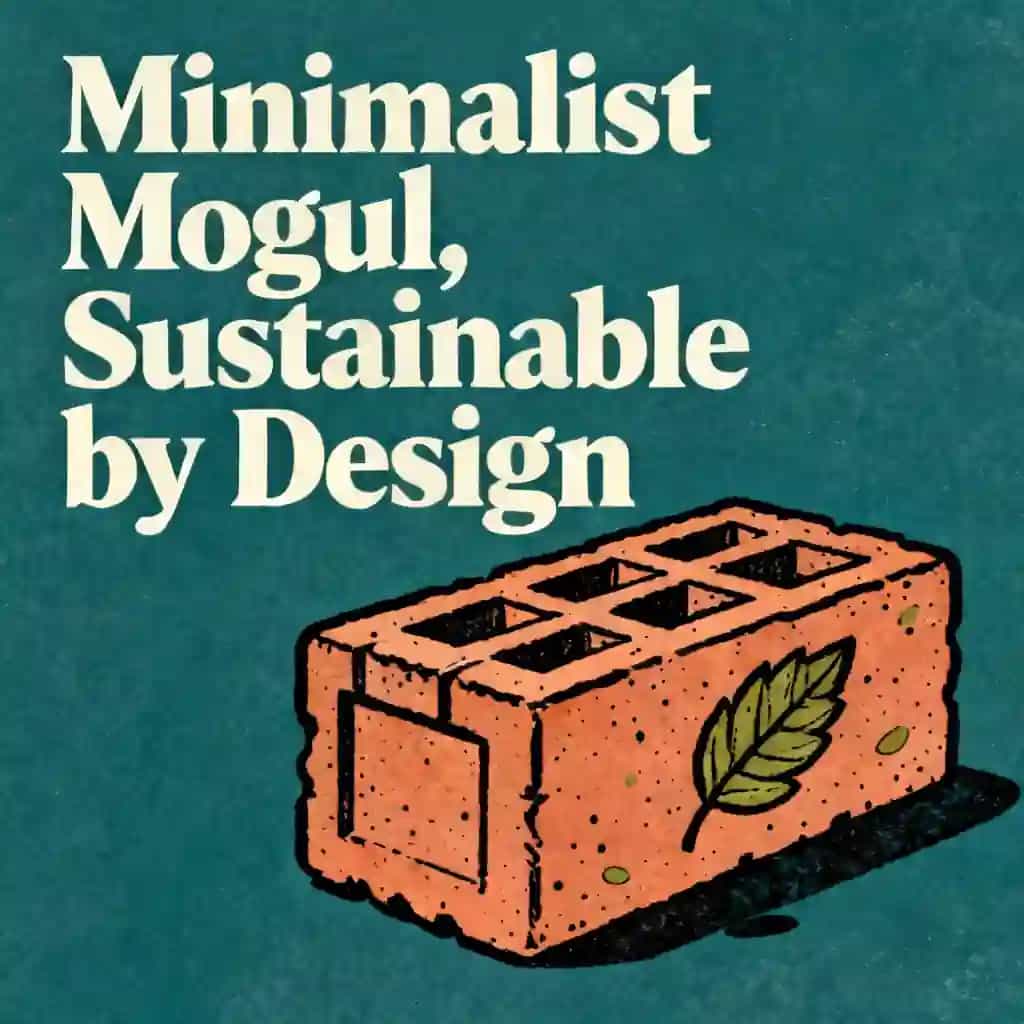
Why defining enough is a radical act
Exhausted by the constant pressure to buy more? Discover why choosing contentment over consumption can break the cycle of burnout and reclaim your time.

Why defining enough is a radical act最佳语录
If contentment is the end of capitalism at an individual level, then social justice is the end of capitalism for the community. It’s when we collectively decide that the wealth of our society isn't measured in the quantity of goods we produce, but in the amount of socially available free time we have.

此音频课程由 BeFreed 社区成员创建
Contentment is the end of capitalism at individual level while social justice would help at collective level

常见问题
The script explains that this "manufactured dissatisfaction" is a byproduct of the post-World War II transition. To keep massive industrial factories running after the war ended, the system shifted from producing military goods to consumer goods. Because the economy would collapse if people were content with what they already owned, retail analysts and economists designed a system where consumption became a "way of life." This created a "treadmill" of constant upgrades and social signaling to ensure the gears of the economy never stop turning.
The relative income hypothesis suggests that we do not measure our success or well-being against an absolute standard of survival, such as having food and shelter. Instead, we measure our worth against the people we see around us or on our social media feeds. This creates a "canyon" of perceived lack because we are constantly comparing our real lives to the curated, idealized lives of others. Even in impoverished communities, a significant portion of income is often spent on social signaling just to feel seen and maintain a sense of tribal belonging.
In the script, Eli and Nia discuss a shift from measuring wealth by the quantity of goods produced to measuring it by "socially available free time." Under the current system, time is often treated as a commodity for profit, leaving individuals "unfree" regardless of their job title. By prioritizing free time through democratic socialism or collective planning, a society can focus on what is actually needed to live well—such as care, learning, and community—rather than simply making a profit line go up on a chart.
The script suggests several strategies for reclaiming personal sovereignty from consumer culture. These include auditing social media to remove "dissatisfaction triggers," prioritizing "experiential consumption" like travel or learning over material goods, and practicing "prosocial spending" by helping others. Additionally, the speakers recommend "buying time" by trading potential raises for fewer work hours and supporting "predistributive" policies like public services and cooperatives that reduce individual material insecurity.
发现更多

From Overwhelmed to Intentional
This plan is designed for professionals and creatives struggling with burnout and the paralysis of choice. It provides a science-backed framework to transition from reactive survival mode to a state of calm, intentional productivity.

The Radical Self-Worth Blueprint
This blueprint is essential for high-achievers who struggle with chronic self-criticism and burnout. It provides a structured path to decouple identity from output, benefiting anyone seeking a more resilient and compassionate relationship with themselves.

End self-help and success obsession
Modern culture often traps us in a cycle of endless self-improvement that leads to burnout rather than fulfillment. This plan is essential for high-achievers and wellness enthusiasts who feel exhausted by the pressure to constantly optimize every aspect of their lives.

Rhythm of Existence: Sustainable Daily Flow
In an era of constant burnout, mastering sustainable productivity is essential for long-term success. This plan is designed for overwhelmed professionals and creatives who need to transition from chaotic reactivity to a structured yet flexible daily rhythm.

Minimalist Living for Peace and Health Guide
In an era of constant consumption, this guide provides a roadmap for reclaiming your time and mental energy. It is ideal for individuals feeling overwhelmed by clutter or stress who seek a sustainable balance between physical simplicity and emotional well-being.

Reclaim Your Life From Scarcity
In an era of constant digital demands, many professionals suffer from chronic burnout and a sense of never having enough time. This plan is essential for high-achievers looking to trade frantic multitasking for biological energy management and reclaimed personal space.

How to be enough
This plan is essential for high-achievers and individuals struggling with burnout or chronic people-pleasing. It provides a structured path to transition from external validation to internal security, making it ideal for anyone seeking to reclaim their identity and peace of mind.

The Existentialist Antidote to Burnout
In an era of relentless productivity, traditional self-care often fails to address the root of exhaustion. This plan is designed for professionals and creatives seeking a deeper, philosophical framework to reclaim their agency and overcome modern burnout.
"Instead of endless scrolling, I just hit play on BeFreed. It saves me so much time."


"I never knew where to start with nonfiction—BeFreed’s book lists turned into podcasts gave me a clear path."


"Perfect balance between learning and entertainment. Finished ‘Thinking, Fast and Slow’ on my commute this week."
"Crazy how much I learned while walking the dog. BeFreed = small habits → big gains."
"Reading used to feel like a chore. Now it’s just part of my lifestyle."

"Feels effortless compared to reading. I’ve finished 6 books this month already."
"BeFreed turned my guilty doomscrolling into something that feels productive and inspiring."

"BeFreed turned my commute into learning time. 20-min podcasts are perfect for finishing books I never had time for."
"BeFreed replaced my podcast queue. Imagine Spotify for books — that’s it. 🙌"

"It is great for me to learn something from the book without reading it."
"The themed book list podcasts help me connect ideas across authors—like a guided audio journey."
"Makes me feel smarter every time before going to work"
"Instead of endless scrolling, I just hit play on BeFreed. It saves me so much time."
"I never knew where to start with nonfiction—BeFreed’s book lists turned into podcasts gave me a clear path."
"Perfect balance between learning and entertainment. Finished ‘Thinking, Fast and Slow’ on my commute this week."
"Crazy how much I learned while walking the dog. BeFreed = small habits → big gains."
"Reading used to feel like a chore. Now it’s just part of my lifestyle."
"Feels effortless compared to reading. I’ve finished 6 books this month already."
"BeFreed turned my guilty doomscrolling into something that feels productive and inspiring."
"BeFreed turned my commute into learning time. 20-min podcasts are perfect for finishing books I never had time for."
"BeFreed replaced my podcast queue. Imagine Spotify for books — that’s it. 🙌"
"It is great for me to learn something from the book without reading it."
"The themed book list podcasts help me connect ideas across authors—like a guided audio journey."
"Makes me feel smarter every time before going to work"
"Instead of endless scrolling, I just hit play on BeFreed. It saves me so much time."
"I never knew where to start with nonfiction—BeFreed’s book lists turned into podcasts gave me a clear path."
"Perfect balance between learning and entertainment. Finished ‘Thinking, Fast and Slow’ on my commute this week."
"Crazy how much I learned while walking the dog. BeFreed = small habits → big gains."
"Reading used to feel like a chore. Now it’s just part of my lifestyle."
"Feels effortless compared to reading. I’ve finished 6 books this month already."
"BeFreed turned my guilty doomscrolling into something that feels productive and inspiring."
"BeFreed turned my commute into learning time. 20-min podcasts are perfect for finishing books I never had time for."
"BeFreed replaced my podcast queue. Imagine Spotify for books — that’s it. 🙌"
"It is great for me to learn something from the book without reading it."
"The themed book list podcasts help me connect ideas across authors—like a guided audio journey."
"Makes me feel smarter every time before going to work"
"Instead of endless scrolling, I just hit play on BeFreed. It saves me so much time."
"I never knew where to start with nonfiction—BeFreed’s book lists turned into podcasts gave me a clear path."
"Perfect balance between learning and entertainment. Finished ‘Thinking, Fast and Slow’ on my commute this week."
"Crazy how much I learned while walking the dog. BeFreed = small habits → big gains."
"Reading used to feel like a chore. Now it’s just part of my lifestyle."
"Feels effortless compared to reading. I’ve finished 6 books this month already."
"BeFreed turned my guilty doomscrolling into something that feels productive and inspiring."
"BeFreed turned my commute into learning time. 20-min podcasts are perfect for finishing books I never had time for."
"BeFreed replaced my podcast queue. Imagine Spotify for books — that’s it. 🙌"
"It is great for me to learn something from the book without reading it."
"The themed book list podcasts help me connect ideas across authors—like a guided audio journey."
"Makes me feel smarter every time before going to work"




![Facing Codependence [ABRIDGED]](/_next/image?url=https%3A%2F%2Fd3lvzgn0lx7rb2.cloudfront.net%2Fcovers%2F1d91cc59-653c-487c-bb06-0a03ac09820d%2Fimage_resized.webp&w=1024&q=50)