说真的,我还没把这个 app 完全摸透,但用了这几天已经被惊艳到了… BeFreed 和我用过的任何学习类 app 都不在一个层级。它让人特别投入,还能实实在在地提升专注力,对刷手机停不下来的人来说太合适了!
@ladyInfinity
Struggling with invisible intrusive thoughts? Learn how rumination and contamination OCD work and how to use ERP strategies to recover as a team.

Progress isn’t about eliminating anxiety; it’s about learning to live your life even while the anxiety is shouting in your ear.
Can you create a deep dive to explain to my partner what rumination ocd is and what i go through and how i can help while he deals with his contamination ocd

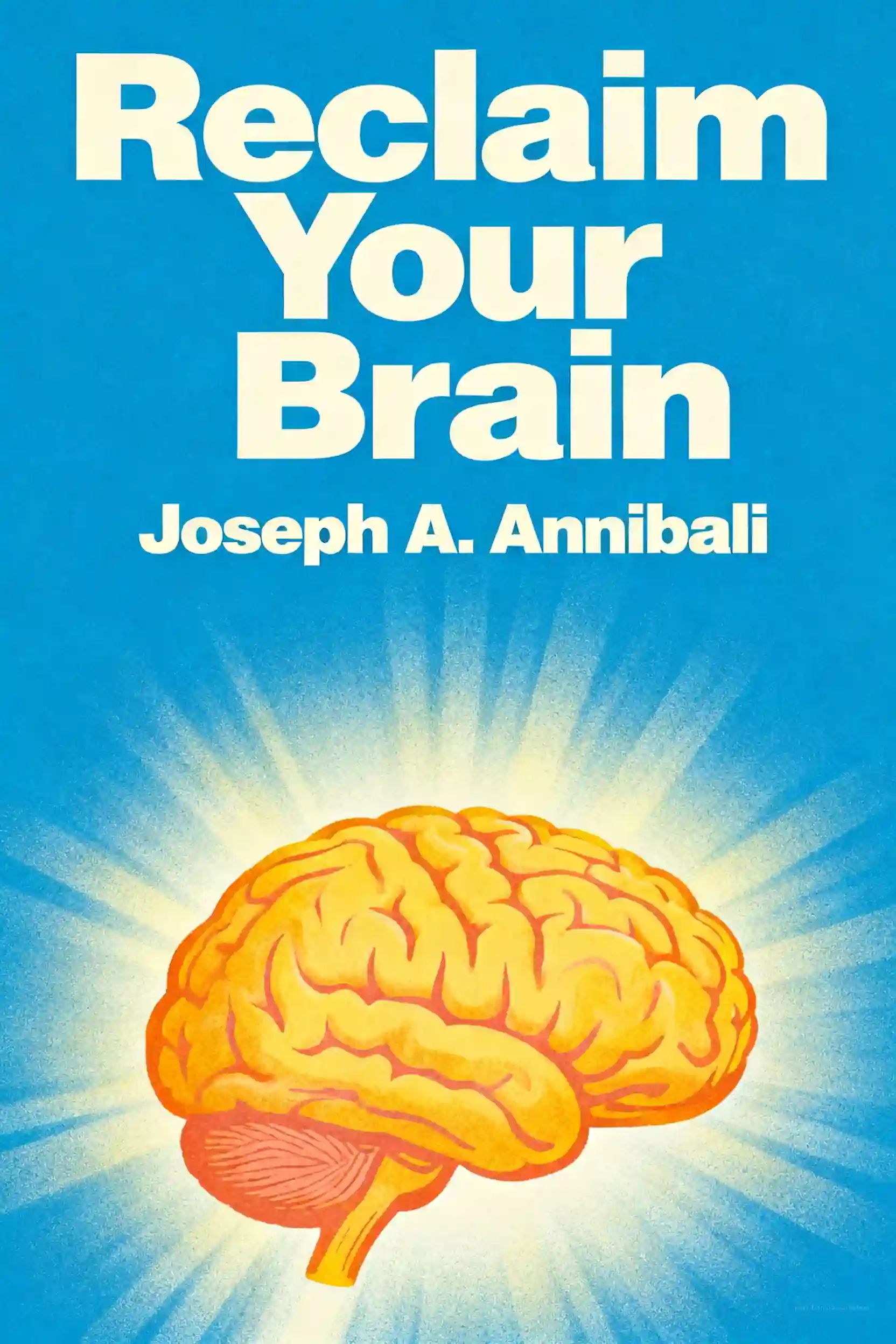
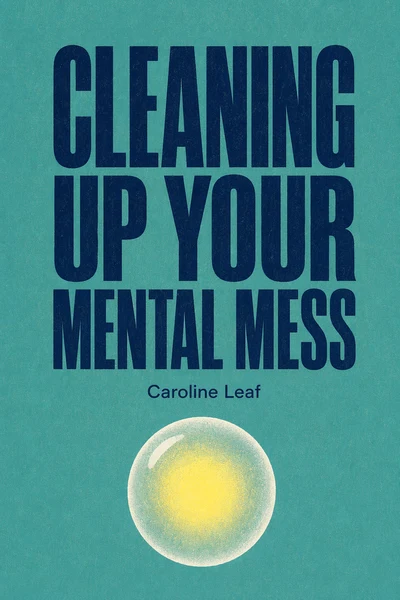
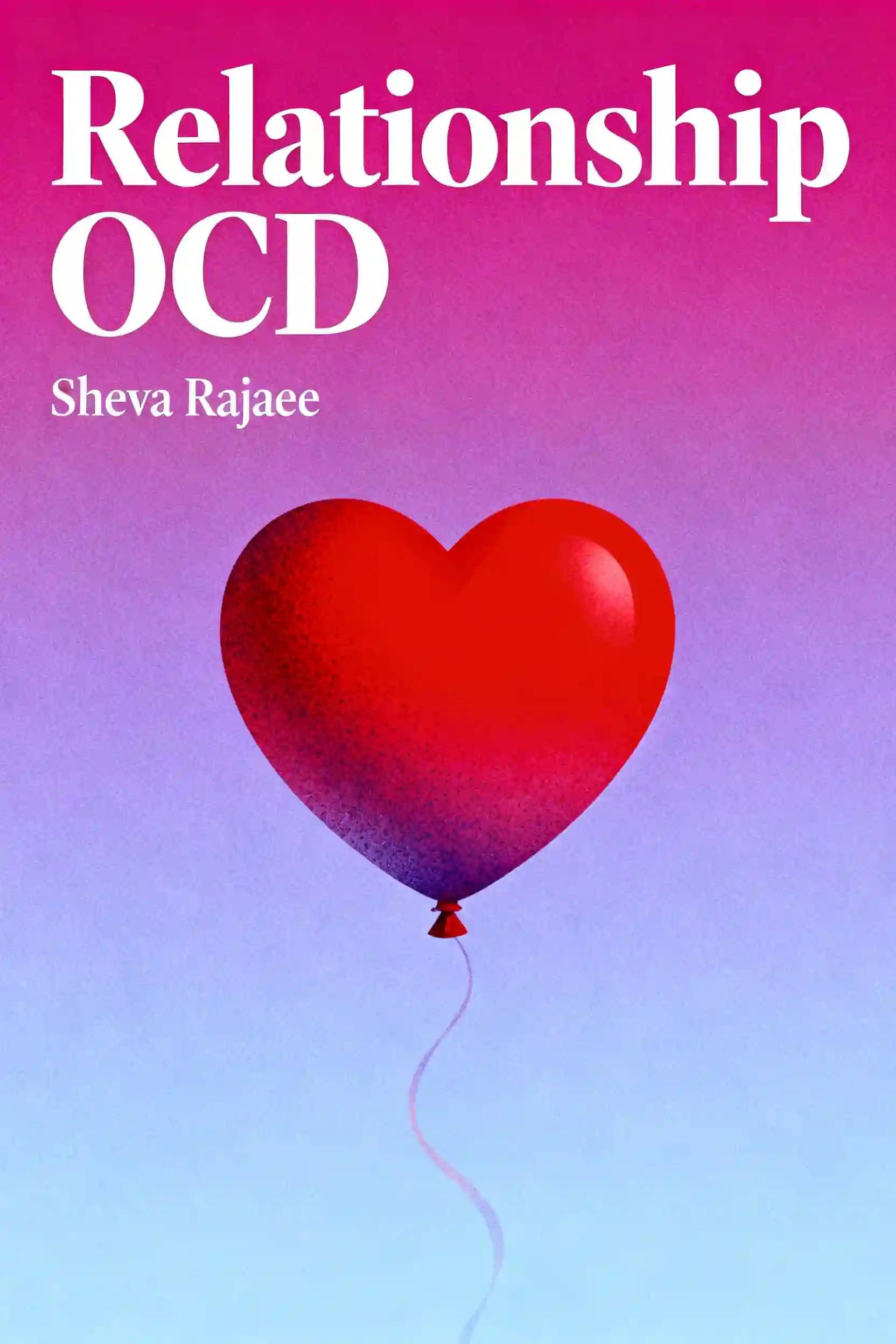
The primary difference lies in the resolution and the "all-clear" signal in the brain. Healthy problem-solving is a linear process with a clear endpoint; you identify a task, find a solution, and move on. In contrast, rumination is described as a "mental washing machine" stuck on the rinse cycle. Because OCD involves a glitch in the brain's error-detection system, the person never receives the sense of certainty or resolution they are searching for, leading them to replay memories or thoughts for hours without reaching a final answer.
While providing reassurance comes from a place of love, the script refers to it as "junk food for OCD." It offers a temporary hit of relief but ultimately starves the brain of the opportunity to habituate to uncertainty. By answering "what-if" questions or confirming that a surface is clean, a partner accidentally becomes "OCD’s assistant," reinforcing the idea that the intrusive thought was a legitimate danger that required a solution. This cycle actually strengthens the OCD circuit over time, making the "hunger" for certainty even more intense.
"Pure O" stands for "Purely Obsessional" OCD, but the term is slightly misleading because compulsions are almost always present—they are just invisible. Instead of physical rituals like hand-washing, a person with Pure O performs "covert" or mental compulsions. These include mental reviewing (scanning past events like a detective), neutralizing (trying to cancel out a "bad" thought with a "good" one), or "checking" for specific feelings. Even though these actions happen entirely inside the mind, they serve the same purpose as physical rituals: a desperate, urgent search for certainty.
ERP works through a process called habituation. Normally, when a person performs a compulsion to escape an intrusive thought, the brain never learns that the "threat" is harmless. ERP requires the individual to expose themselves to the trigger (the thought or the germ) and then prevent the response (the rumination or the washing). By sitting with the discomfort without escaping it, the brain eventually realizes the alarm is false and naturally turns down the anxiety signal. Over time, this direct experience rewires the neural pathways to accept uncertainty.
Non-Engagement Responses are short, neutral phrases used to "shrug" at OCD instead of arguing with it. Examples include saying "Maybe, maybe not," "Anything is possible," or "I’m choosing to live with the uncertainty." These are effective because OCD thrives on the energy of a fight; when you refuse to provide a logical answer to an irrational "what-if" question, you take the wind out of the disorder's sails. For couples, using NERs helps shift the dynamic from "co-compulsing" to being a "recovery partner" who supports the person rather than the symptoms.
由哥伦比亚大学校友创建 | 源自旧金山
平均评分
7,840+ 条 App 评分
BeFreed 社区
说真的,我还没把这个 app 完全摸透,但用了这几天已经被惊艳到了… BeFreed 和我用过的任何学习类 app 都不在一个层级。它让人特别投入,还能实实在在地提升专注力,对刷手机停不下来的人来说太合适了!
@ladyInfinity
我买 BeFreed 正好 23 天,从那以后每天都在用。它已经完全融入了我的日常工作流和学习习惯。
@jayallen
说实话,这个 app 超出了我所有的预期。我可以让它就任何主题生成音频,无论是什么,效果都很惊艳。我的专业领域是心理治疗方向,而且是多学科交叉的,但它给出的内容非常准确。
@Raguipa
我最感激的是它大大减少了我刷手机的时间——花在搜索上的时间少了,吸收信息的时间多了。完整有声书、播客加上学习计划的组合,真的很出色。
@colonyofcreatorsNGO
我做 PhotoReading 快速学习讲师已经 24 年了… 书籍、阅读和学习就是我的本行,而 BeFreed 用一种创新的方式,把知识变得特别容易吸收,做得非常出色。
@BeFreed user
它不只是一个书籍摘要 app。我用过「有趣」这个阅读模式,比传统方式的摘要好得多,理解观点也更容易,光这一点就值回票价。
@austinakon
我爱这个 app。用了几天,完全停不下来。作为开始,再好不过了。
@jcrules328
我真的很喜欢这个产品;已经试用了大概一个月,感觉挖到宝了。它特别好用,因为我可以用 BeFreed 创建自己想学的主题,声音也很棒,旁白选择多到用不完。
@DanielCZ
我特别喜欢它能把有用的信息和想法浓缩成 8-15 分钟的播客式音频。我本来不太爱听播客,因为废话太多,但它把这些全都去掉了。
@BeFreed user
我正在读博士的最后阶段,需要读大量不熟悉的材料… 用 BeFreed,只要输入一个提示,app 就会帮你找到源材料并生成一期音频播客。我觉得 BeFreed 的流程比 NotebookLM 更顺畅。
@Brad
我经常在做早餐、散步、通勤的时候上 YouTube 找点东西听,而 BeFreed 提供了更有针对性的选择,没有广告,也没有废话!
@BeFreed user
这个平台最棒的地方是它的多面性。真的没有任何主题是它讲不了的,你丢给它什么它都能处理… 很少能找到一个毫无限制、又真正兑现承诺的学习工具。
@jayallen
BeFreed 太棒了。界面好用,让我花在找功能上的时间更少,花在学习上的时间更多。有声书、播客和学习计划的组合是天才设计,彻底改变了我的日常。
@BeFreed user
一开始我花了点时间才弄明白怎么生成意大利语的播客,然后就——哇!太棒了!我可以让它讲解任何一个话题,它讲得又好又聪明!
@matteo77
BeFreed 已经成了我每天都用的有声书 app… 我最喜欢的是,把自己的文字放进去,它就能生成随时随地都能听的音频。
@kotanzu1




Managing the intersection of bipolar disorder and obsessive thoughts requires a specialized approach that avoids the pitfalls of traditional treatments. This plan is essential for individuals seeking to stabilize their mental health while learning to harness their natural intensity through safe, creative channels.

In an era of information overload, many professionals and students find themselves paralyzed by chronic rumination and indecision. This plan is designed for anyone feeling mentally exhausted by their own thoughts, offering science-backed strategies to transition from passive worrying to proactive action.

In a digital age driven by comparison and constant performance, many individuals find themselves paralyzed by chronic rumination and low self-esteem. This plan is designed for anyone struggling with social media-induced anxiety or perfectionism who wants to regain mental clarity using proven psychological frameworks.

This learning plan is designed for individuals who struggle with anxiety, OCD, or insecure attachment patterns that interfere with romantic relationships and personal happiness. It combines clinical psychology, attachment theory, and mindfulness practices to address both individual mental health and relationship dynamics. Whether you're experiencing relationship difficulties, managing intrusive thoughts, or seeking to break cycles from past relationships, this integrated approach provides tools for both personal healing and building secure, fulfilling partnerships.
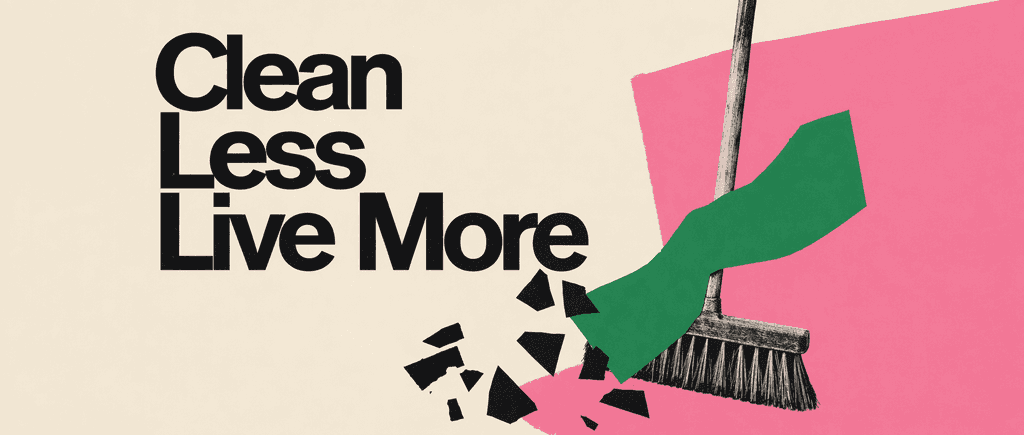
Cleaning obsessions can significantly impact quality of life, consuming excessive time and causing anxiety when environments aren't 'perfect.' This learning plan helps those struggling with perfectionism and obsessive cleaning to develop healthier relationships with their spaces while reclaiming time and mental energy for other priorities.

This plan is designed for professionals and individuals who feel stuck in a cycle of rumination and indecision. It bridges the gap between cognitive theory and practical action, making it essential for anyone looking to reclaim their mental energy and act with conviction.

In an era of constant information overload, many professionals and students find themselves paralyzed by chronic overthinking and anxiety. This plan offers a structured path for anyone seeking to regain control over their focus, reduce stress, and transform their relationship with their inner dialogue.

In an era of constant stimulation, many professionals struggle with chronic overthinking and mental fatigue. This plan is designed for anyone feeling overwhelmed by a racing mind who needs science-backed strategies to regain control and emotional stability.