The Science of Magnetic Charisma: Skills Anyone Can Master
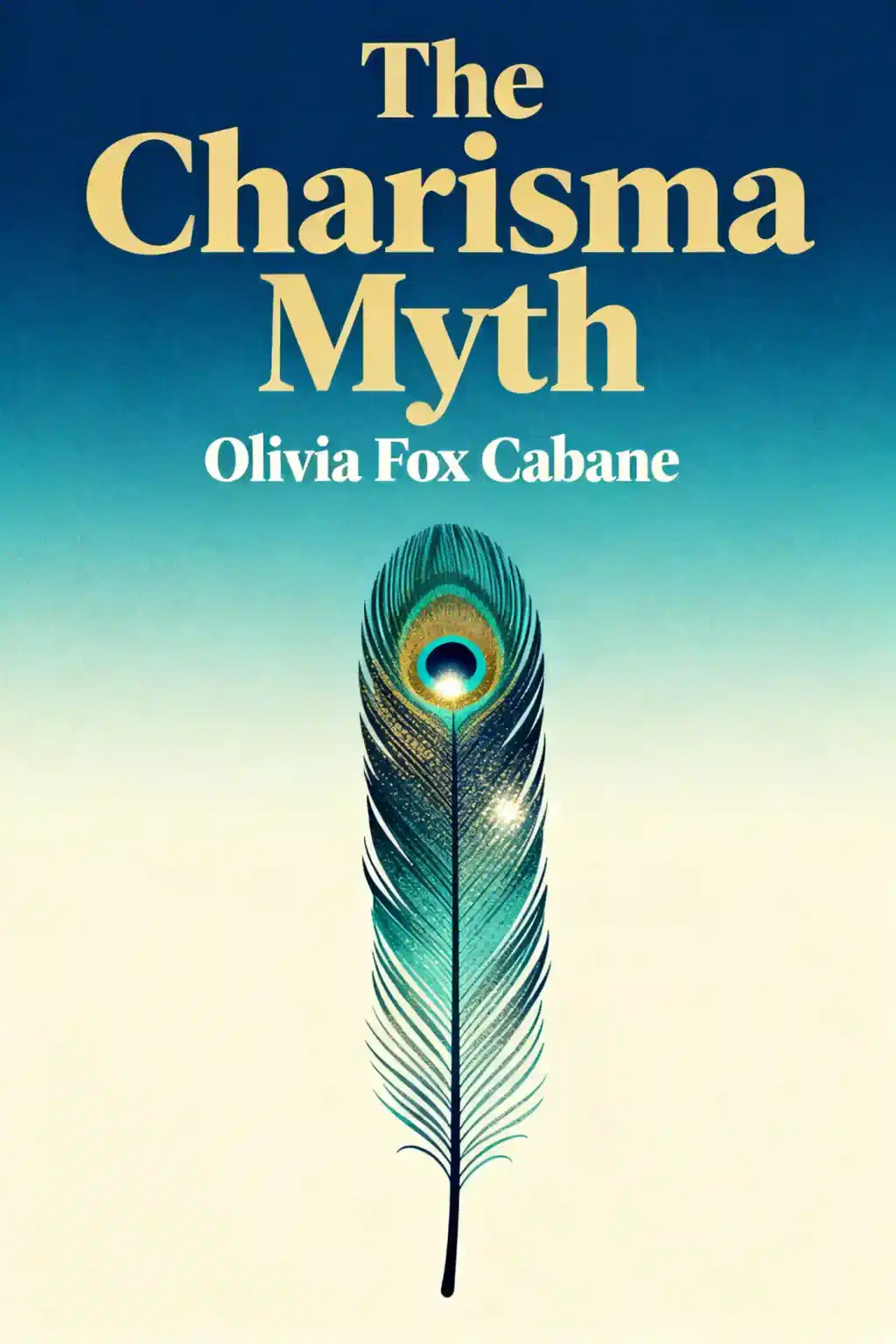
What makes someone light up a room? Drawing from Olivia Fox Cabane's 'The Charisma Myth,' Harvard psychologists' research, and FBI negotiation techniques, this episode reveals charisma isn't magic-it's learnable skills of presence, power, and warmth that anyone can develop.
The Science of Magnetic Charisma: Skills Anyone Can Master最佳语录
Charisma isn't some mysterious X-factor—it's a set of learnable skills backed by research, primarily built on the three core elements of presence, power, and warmth.
Generated by Freedee_BE9DDE1A
How can I develop charisma and become more magnetic to others?






常见问题
According to Olivia Fox Cabane’s research in "The Charisma Myth," charisma consists of presence, power, and warmth. Presence involves being fully engaged and "there" with the person you are speaking to, rather than being distracted. Power is the perceived ability to affect the world around you, while warmth is the signal that you are on the other person's side and have good intentions toward them.
To build instant trust, you should keep your hands visible, as this serves as an ancient evolutionary safety signal. In terms of vocal quality, you can adopt what FBI negotiators call the "late-night FM DJ voice," which involves speaking slightly slower and in your lower natural register to calm the listener's brain. Additionally, using purposeful gestures helps listeners "see" your ideas, while "charismatic listening" cues like steady eye contact and a slow triple nod signal genuine interest.
The "liking gap" is a psychological phenomenon where people consistently underestimate how much others liked them after a conversation. Research suggests that your inner critic is often an unreliable narrator, and most people actually walk away with a more positive impression of you than you might assume. Understanding this can help reduce social anxiety and allow you to focus more on being present rather than worrying about being judged.
Research from Harvard indicates that people who ask more follow-up questions are consistently rated as more likable. This signals "responsiveness," making the speaker feel truly heard and understood. A simple and effective formula for a follow-up question is to pick a specific detail the person mentioned and ask, "When you mentioned X, what did that look like?" or "Could you tell me more about that?"
The peak-end rule suggests that people remember experiences based on the emotional peaks and how the interaction ended, rather than an average of the entire encounter. To leverage this for charisma, you should "bookend" your interactions by opening with warmth and clarity and closing with a "strong ending." A strong ending includes a sincere sentence of appreciation followed by a concrete next step, which leaves a lasting positive impression.
"Instead of endless scrolling, I just hit play on BeFreed. It saves me so much time."


"I never knew where to start with nonfiction—BeFreed’s book lists turned into podcasts gave me a clear path."


"Perfect balance between learning and entertainment. Finished ‘Thinking, Fast and Slow’ on my commute this week."
"Crazy how much I learned while walking the dog. BeFreed = small habits → big gains."
"Reading used to feel like a chore. Now it’s just part of my lifestyle."

"Feels effortless compared to reading. I’ve finished 6 books this month already."
"BeFreed turned my guilty doomscrolling into something that feels productive and inspiring."

"BeFreed turned my commute into learning time. 20-min podcasts are perfect for finishing books I never had time for."
"BeFreed replaced my podcast queue. Imagine Spotify for books — that’s it. 🙌"

"It is great for me to learn something from the book without reading it."
"The themed book list podcasts help me connect ideas across authors—like a guided audio journey."
"Makes me feel smarter every time before going to work"
"Instead of endless scrolling, I just hit play on BeFreed. It saves me so much time."
"I never knew where to start with nonfiction—BeFreed’s book lists turned into podcasts gave me a clear path."
"Perfect balance between learning and entertainment. Finished ‘Thinking, Fast and Slow’ on my commute this week."
"Crazy how much I learned while walking the dog. BeFreed = small habits → big gains."
"Reading used to feel like a chore. Now it’s just part of my lifestyle."
"Feels effortless compared to reading. I’ve finished 6 books this month already."
"BeFreed turned my guilty doomscrolling into something that feels productive and inspiring."
"BeFreed turned my commute into learning time. 20-min podcasts are perfect for finishing books I never had time for."
"BeFreed replaced my podcast queue. Imagine Spotify for books — that’s it. 🙌"
"It is great for me to learn something from the book without reading it."
"The themed book list podcasts help me connect ideas across authors—like a guided audio journey."
"Makes me feel smarter every time before going to work"
"Instead of endless scrolling, I just hit play on BeFreed. It saves me so much time."
"I never knew where to start with nonfiction—BeFreed’s book lists turned into podcasts gave me a clear path."
"Perfect balance between learning and entertainment. Finished ‘Thinking, Fast and Slow’ on my commute this week."
"Crazy how much I learned while walking the dog. BeFreed = small habits → big gains."
"Reading used to feel like a chore. Now it’s just part of my lifestyle."
"Feels effortless compared to reading. I’ve finished 6 books this month already."
"BeFreed turned my guilty doomscrolling into something that feels productive and inspiring."
"BeFreed turned my commute into learning time. 20-min podcasts are perfect for finishing books I never had time for."
"BeFreed replaced my podcast queue. Imagine Spotify for books — that’s it. 🙌"
"It is great for me to learn something from the book without reading it."
"The themed book list podcasts help me connect ideas across authors—like a guided audio journey."
"Makes me feel smarter every time before going to work"
"Instead of endless scrolling, I just hit play on BeFreed. It saves me so much time."
"I never knew where to start with nonfiction—BeFreed’s book lists turned into podcasts gave me a clear path."
"Perfect balance between learning and entertainment. Finished ‘Thinking, Fast and Slow’ on my commute this week."
"Crazy how much I learned while walking the dog. BeFreed = small habits → big gains."
"Reading used to feel like a chore. Now it’s just part of my lifestyle."
"Feels effortless compared to reading. I’ve finished 6 books this month already."
"BeFreed turned my guilty doomscrolling into something that feels productive and inspiring."
"BeFreed turned my commute into learning time. 20-min podcasts are perfect for finishing books I never had time for."
"BeFreed replaced my podcast queue. Imagine Spotify for books — that’s it. 🙌"
"It is great for me to learn something from the book without reading it."
"The themed book list podcasts help me connect ideas across authors—like a guided audio journey."
"Makes me feel smarter every time before going to work"











![[the-charisma-myth-by-olivia-fox-cabane:c0000] The Charisma Myth p1-1](/_next/image?url=https%3A%2F%2Fd1y2du6z1jfm9e.cloudfront.net%2Fassets%2Fpodcast%2Fyellow.png&w=1024&q=50)