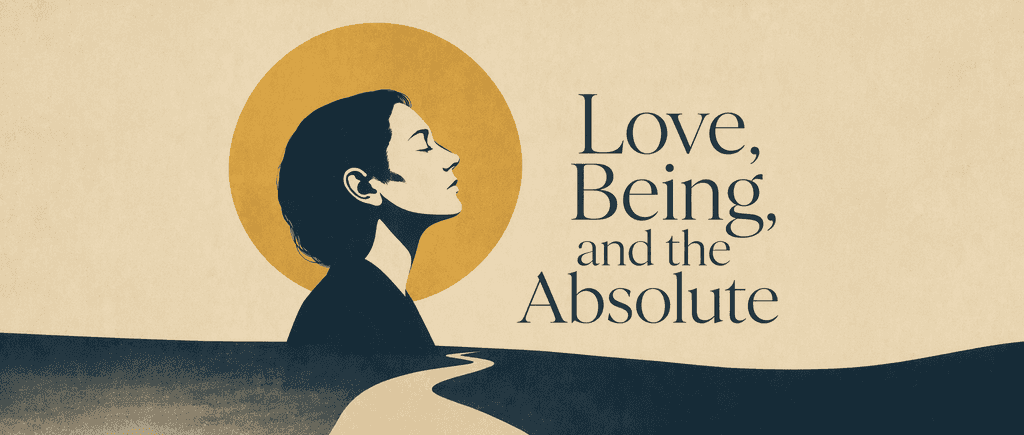
The Logic of Feeling: Defining Aesthetic Objects
Explore why art defies objective proof as we trace 18th-century theories of 'internal sense' and the disinterested gaze. Discover how imagination, not just formal rules, defines the literary experience.

The Logic of Feeling: Defining Aesthetic Objects最佳语录
Aesthetic judgments feel like sensory reports, but they behave like rational claims; we don't reason our way to the conclusion that a sunset is beautiful, yet we use 'directions for perceiving' to help others see what we see.
Generated by Lilly
Defining aesthetic objects and literary theories

常见问题
According to the "immediacy thesis" proposed by 18th-century theorists, aesthetic judgment functions like a sensory experience rather than a mathematical calculation. While you can use logic to point out a poem's meter or a painting's color palette to "pave the way" for appreciation, the actual click of liking something is an "internal sense" similar to tasting food. You do not reason your way to a conclusion that something is beautiful; you simply react to it.
Being disinterested does not mean being bored or indifferent; rather, it refers to a state of "psychical distance" where you separate an object from your practical or scientific concerns. For example, looking at a storm aesthetically means marvelling at its power and "frenzy" from a position of safety, rather than looking at it as a sailor needing to navigate or a scientist gathering data. This detachment allows the mind to engage in "free play," exploring the form of the object for its own sake.
Philosopher Arthur Danto argued that formal properties—the way something looks—cannot solely define art. For an object to be "transfigured" into art, it requires an art-historical context and a theory behind it. This suggests that the aesthetic object is a hybrid of physical matter and cultural category; we perceive it based on the intentions and social practices that brought it into being, which is why a museum piece carries a weight that a household utility item does not.
Yes, according to the "environmental aesthetics" movement. Just as art-historical knowledge helps us categorize a painting, scientific knowledge helps us correctly categorize nature. For instance, appreciating a whale requires perceiving it as a mammal rather than a fish to truly grasp its "mammalian grace." Understanding the natural history of an object ensures we are responding to the aesthetic properties it actually possesses rather than a mistaken category.
While "aesthetic hedonism" suggests we value art because it feels good, this theory struggles to explain masterpieces that evoke horror, despair, or moral revulsion. Modern theorists suggest that art's value may instead lie in "agency" and "social practices." We engage with art to exercise our competencies as appreciators and to build a meaningful life within a community. In this view, a masterpiece isn't just a source of pleasure; it is a "normative demand" that tells us how to see and who to be.
"Instead of endless scrolling, I just hit play on BeFreed. It saves me so much time."


"I never knew where to start with nonfiction—BeFreed’s book lists turned into podcasts gave me a clear path."


"Perfect balance between learning and entertainment. Finished ‘Thinking, Fast and Slow’ on my commute this week."
"Crazy how much I learned while walking the dog. BeFreed = small habits → big gains."
"Reading used to feel like a chore. Now it’s just part of my lifestyle."

"Feels effortless compared to reading. I’ve finished 6 books this month already."
"BeFreed turned my guilty doomscrolling into something that feels productive and inspiring."

"BeFreed turned my commute into learning time. 20-min podcasts are perfect for finishing books I never had time for."
"BeFreed replaced my podcast queue. Imagine Spotify for books — that’s it. 🙌"

"It is great for me to learn something from the book without reading it."
"The themed book list podcasts help me connect ideas across authors—like a guided audio journey."
"Makes me feel smarter every time before going to work"
"Instead of endless scrolling, I just hit play on BeFreed. It saves me so much time."
"I never knew where to start with nonfiction—BeFreed’s book lists turned into podcasts gave me a clear path."
"Perfect balance between learning and entertainment. Finished ‘Thinking, Fast and Slow’ on my commute this week."
"Crazy how much I learned while walking the dog. BeFreed = small habits → big gains."
"Reading used to feel like a chore. Now it’s just part of my lifestyle."
"Feels effortless compared to reading. I’ve finished 6 books this month already."
"BeFreed turned my guilty doomscrolling into something that feels productive and inspiring."
"BeFreed turned my commute into learning time. 20-min podcasts are perfect for finishing books I never had time for."
"BeFreed replaced my podcast queue. Imagine Spotify for books — that’s it. 🙌"
"It is great for me to learn something from the book without reading it."
"The themed book list podcasts help me connect ideas across authors—like a guided audio journey."
"Makes me feel smarter every time before going to work"
"Instead of endless scrolling, I just hit play on BeFreed. It saves me so much time."
"I never knew where to start with nonfiction—BeFreed’s book lists turned into podcasts gave me a clear path."
"Perfect balance between learning and entertainment. Finished ‘Thinking, Fast and Slow’ on my commute this week."
"Crazy how much I learned while walking the dog. BeFreed = small habits → big gains."
"Reading used to feel like a chore. Now it’s just part of my lifestyle."
"Feels effortless compared to reading. I’ve finished 6 books this month already."
"BeFreed turned my guilty doomscrolling into something that feels productive and inspiring."
"BeFreed turned my commute into learning time. 20-min podcasts are perfect for finishing books I never had time for."
"BeFreed replaced my podcast queue. Imagine Spotify for books — that’s it. 🙌"
"It is great for me to learn something from the book without reading it."
"The themed book list podcasts help me connect ideas across authors—like a guided audio journey."
"Makes me feel smarter every time before going to work"
"Instead of endless scrolling, I just hit play on BeFreed. It saves me so much time."
"I never knew where to start with nonfiction—BeFreed’s book lists turned into podcasts gave me a clear path."
"Perfect balance between learning and entertainment. Finished ‘Thinking, Fast and Slow’ on my commute this week."
"Crazy how much I learned while walking the dog. BeFreed = small habits → big gains."
"Reading used to feel like a chore. Now it’s just part of my lifestyle."
"Feels effortless compared to reading. I’ve finished 6 books this month already."
"BeFreed turned my guilty doomscrolling into something that feels productive and inspiring."
"BeFreed turned my commute into learning time. 20-min podcasts are perfect for finishing books I never had time for."
"BeFreed replaced my podcast queue. Imagine Spotify for books — that’s it. 🙌"
"It is great for me to learn something from the book without reading it."
"The themed book list podcasts help me connect ideas across authors—like a guided audio journey."
"Makes me feel smarter every time before going to work"