Managing Presentation Anxiety: The Executive Reset Guide
Master executive communication by learning to manage presentation anxiety. Discover how to handle high-stakes meetings and interrupt your body's stress response.

Managing Presentation Anxiety: The Executive Reset Guide最佳语录
Understanding this shift—moving from seeing anxiety as a personal failing to seeing it as a 'body problem' rather than a 'mindset problem'—is the first step toward mastery.

此音频课程由 BeFreed 社区成员创建
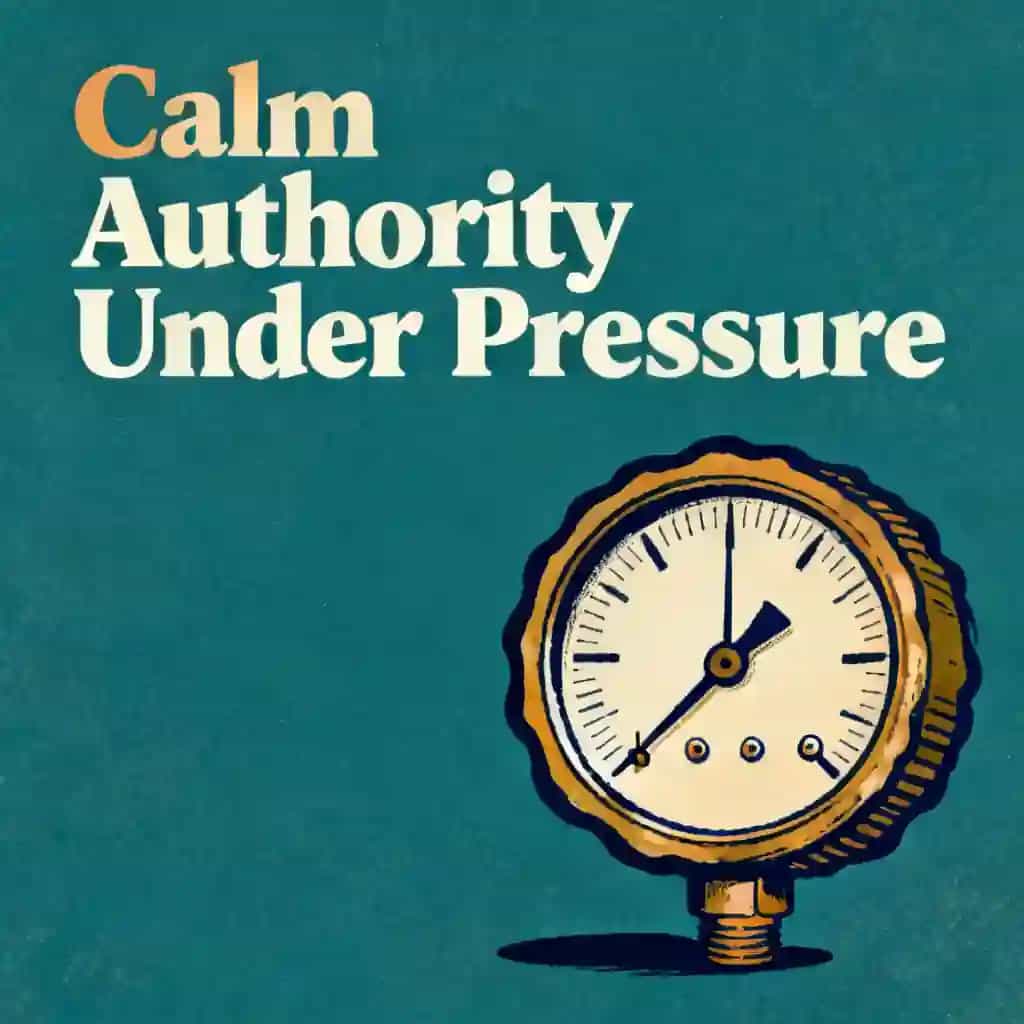
This lesson is part of the learning plan: 'Command the Room Under Pressure'. Lesson topic: The Executive Reset: Managing Presentation Anxiety Overview: When high-stakes meetings trigger a survival response, mindset isn't enough. Learn a physiological protocol to interrupt anxiety and regain focus. Key insights to cover in order: 1. Anxiety is a physiological misfire of the amygdala that treats social evaluation as a survival threat requiring a physical intervention. 2. The 'Interrupt' phase uses cold water or deep exhales to trigger the parasympathetic nervous system and slow the heart rate. 3. Shifting focus from self-protection to a single task-oriented goal redirects cognitive energy away from threat detection toward audience service. Listener profile: - Learning goal: build public speaking confidence - Background knowledge: I have experience speaking in work meetings and participating in a Toastmasters club. - Guidance: Focus on advanced confidence techniques and handling challenging speaking situations, building on existing meeting and club experience. Tailor examples, pacing, and depth to this listener. Avoid analogies or references that assume knowledge outside this listener's profile.






常见问题
Presentation anxiety is triggered by an evolutionary survival mechanism where the brain's threat detector, the amygdala, treats social evaluation as a physical threat. For our ancestors, group rejection meant losing safety and resources, so today your body reacts to performance pressure with a racing heart and sweaty palms. This biological response is not a character flaw or a lack of preparation, but rather ancient wiring reacting to the perceived stakes of the situation.
Research indicates that approximately 85% of people experience a surge of jitters during high-stakes communication. Even for those who appear calm, experts suggest the remaining 15% may simply be hiding their physical symptoms. Whether you are leading a Toastmasters session or presenting to senior leadership, these sensations are a nearly universal human experience rooted in our species' history of prioritizing group acceptance for survival.
At a certain point in your career, technical skills become a given, and your trajectory is defined by your ability to command a room under pressure. Managing these physical symptoms is essential for effective executive communication because it allows you to interrupt biological misfires in real-time. By understanding that your body is treating a Q&A session as a life-or-death struggle, you can better navigate high-stakes meetings and maintain your professional presence.
发现更多

How to not go blank under pressure
How to not go blank under pressure
This plan is designed for professionals and performers who struggle with cognitive freezing during high-stakes moments. It provides a science-backed framework to transform stress into a competitive advantage by mastering mental clarity and flow.

Overcome workplace anxiety
Overcome workplace anxiety
Workplace anxiety affects millions of professionals, impacting performance, career growth, and overall well-being. This learning plan is designed for anyone who experiences nervousness, self-doubt, or stress in professional settings—whether you're facing presentations, difficult conversations, or daily workplace pressures. By combining psychological insights with practical skills, you'll transform anxiety from a career obstacle into manageable energy that supports your professional success.

Build Confidence
Build Confidence
This plan is essential for professionals and individuals looking to overcome the internal barriers that hinder their potential. It is ideal for anyone seeking to master their presence, manage performance anxiety, and build a resilient mindset for high-stakes environments.

Overcome Speaking Anxiety & Speak Confidently
Overcome Speaking Anxiety & Speak Confidently
This plan is designed for professionals and aspiring leaders who feel held back by the fear of public speaking. It provides a comprehensive roadmap from managing anxiety to mastering the advanced nonverbal and structural skills needed to influence any audience.

Strengthen My Mindset
Strengthen My Mindset
In an era of constant distraction and high pressure, mental resilience is the ultimate competitive advantage. This plan is designed for professionals and high-achievers looking to transition from reactive stress to proactive mastery of their own psychology.

why im always anxious when it comes to speak
why im always anxious when it comes to speak
This plan is designed for professionals and students who feel held back by a persistent fear of public speaking. It provides a structured path from understanding the biological roots of anxiety to mastering advanced communication techniques in real-time scenarios.

Manage anxiety in high stakes situations
Manage anxiety in high stakes situations
Anxiety in high-stakes situations can derail even the most prepared individuals, preventing optimal performance when it matters most. This learning plan equips professionals, athletes, performers, and anyone facing pressure-filled moments with science-backed strategies to transform anxiety from a liability into a competitive advantage.

Beat presentation anxiety
Beat presentation anxiety
Presentation anxiety affects over 75% of people and can limit career advancement and personal growth. This learning plan is designed for professionals, students, and anyone who wants to overcome stage fright and become a confident, compelling speaker in any setting—from team meetings to keynote presentations.
"Instead of endless scrolling, I just hit play on BeFreed. It saves me so much time."


"I never knew where to start with nonfiction—BeFreed’s book lists turned into podcasts gave me a clear path."


"Perfect balance between learning and entertainment. Finished ‘Thinking, Fast and Slow’ on my commute this week."
"Crazy how much I learned while walking the dog. BeFreed = small habits → big gains."
"Reading used to feel like a chore. Now it’s just part of my lifestyle."

"Feels effortless compared to reading. I’ve finished 6 books this month already."
"BeFreed turned my guilty doomscrolling into something that feels productive and inspiring."

"BeFreed turned my commute into learning time. 20-min podcasts are perfect for finishing books I never had time for."
"BeFreed replaced my podcast queue. Imagine Spotify for books — that’s it. 🙌"

"It is great for me to learn something from the book without reading it."
"The themed book list podcasts help me connect ideas across authors—like a guided audio journey."
"Makes me feel smarter every time before going to work"
"Instead of endless scrolling, I just hit play on BeFreed. It saves me so much time."
"I never knew where to start with nonfiction—BeFreed’s book lists turned into podcasts gave me a clear path."
"Perfect balance between learning and entertainment. Finished ‘Thinking, Fast and Slow’ on my commute this week."
"Crazy how much I learned while walking the dog. BeFreed = small habits → big gains."
"Reading used to feel like a chore. Now it’s just part of my lifestyle."
"Feels effortless compared to reading. I’ve finished 6 books this month already."
"BeFreed turned my guilty doomscrolling into something that feels productive and inspiring."
"BeFreed turned my commute into learning time. 20-min podcasts are perfect for finishing books I never had time for."
"BeFreed replaced my podcast queue. Imagine Spotify for books — that’s it. 🙌"
"It is great for me to learn something from the book without reading it."
"The themed book list podcasts help me connect ideas across authors—like a guided audio journey."
"Makes me feel smarter every time before going to work"
"Instead of endless scrolling, I just hit play on BeFreed. It saves me so much time."
"I never knew where to start with nonfiction—BeFreed’s book lists turned into podcasts gave me a clear path."
"Perfect balance between learning and entertainment. Finished ‘Thinking, Fast and Slow’ on my commute this week."
"Crazy how much I learned while walking the dog. BeFreed = small habits → big gains."
"Reading used to feel like a chore. Now it’s just part of my lifestyle."
"Feels effortless compared to reading. I’ve finished 6 books this month already."
"BeFreed turned my guilty doomscrolling into something that feels productive and inspiring."
"BeFreed turned my commute into learning time. 20-min podcasts are perfect for finishing books I never had time for."
"BeFreed replaced my podcast queue. Imagine Spotify for books — that’s it. 🙌"
"It is great for me to learn something from the book without reading it."
"The themed book list podcasts help me connect ideas across authors—like a guided audio journey."
"Makes me feel smarter every time before going to work"
"Instead of endless scrolling, I just hit play on BeFreed. It saves me so much time."
"I never knew where to start with nonfiction—BeFreed’s book lists turned into podcasts gave me a clear path."
"Perfect balance between learning and entertainment. Finished ‘Thinking, Fast and Slow’ on my commute this week."
"Crazy how much I learned while walking the dog. BeFreed = small habits → big gains."
"Reading used to feel like a chore. Now it’s just part of my lifestyle."
"Feels effortless compared to reading. I’ve finished 6 books this month already."
"BeFreed turned my guilty doomscrolling into something that feels productive and inspiring."
"BeFreed turned my commute into learning time. 20-min podcasts are perfect for finishing books I never had time for."
"BeFreed replaced my podcast queue. Imagine Spotify for books — that’s it. 🙌"
"It is great for me to learn something from the book without reading it."
"The themed book list podcasts help me connect ideas across authors—like a guided audio journey."
"Makes me feel smarter every time before going to work"