The Collapse That California Forgot
The 1928 St. Francis Dam disaster killed 431+ people when 12 billion gallons of water surged through San Francisquito Canyon. Built by William Mulholland just two years earlier, the dam failed due to geological oversights and engineering flaws.

The Collapse That California Forgot最佳语录
The coroner's inquest recommended that the construction and operation of a great dam should never be left to the sole judgment of one man, no matter how eminent. This was a direct critique of the culture that had allowed Mulholland to operate with virtually no oversight.

此音频课程由 BeFreed 社区成员创建
Give an overview of the history and causes of failure of the st Francis dam in California

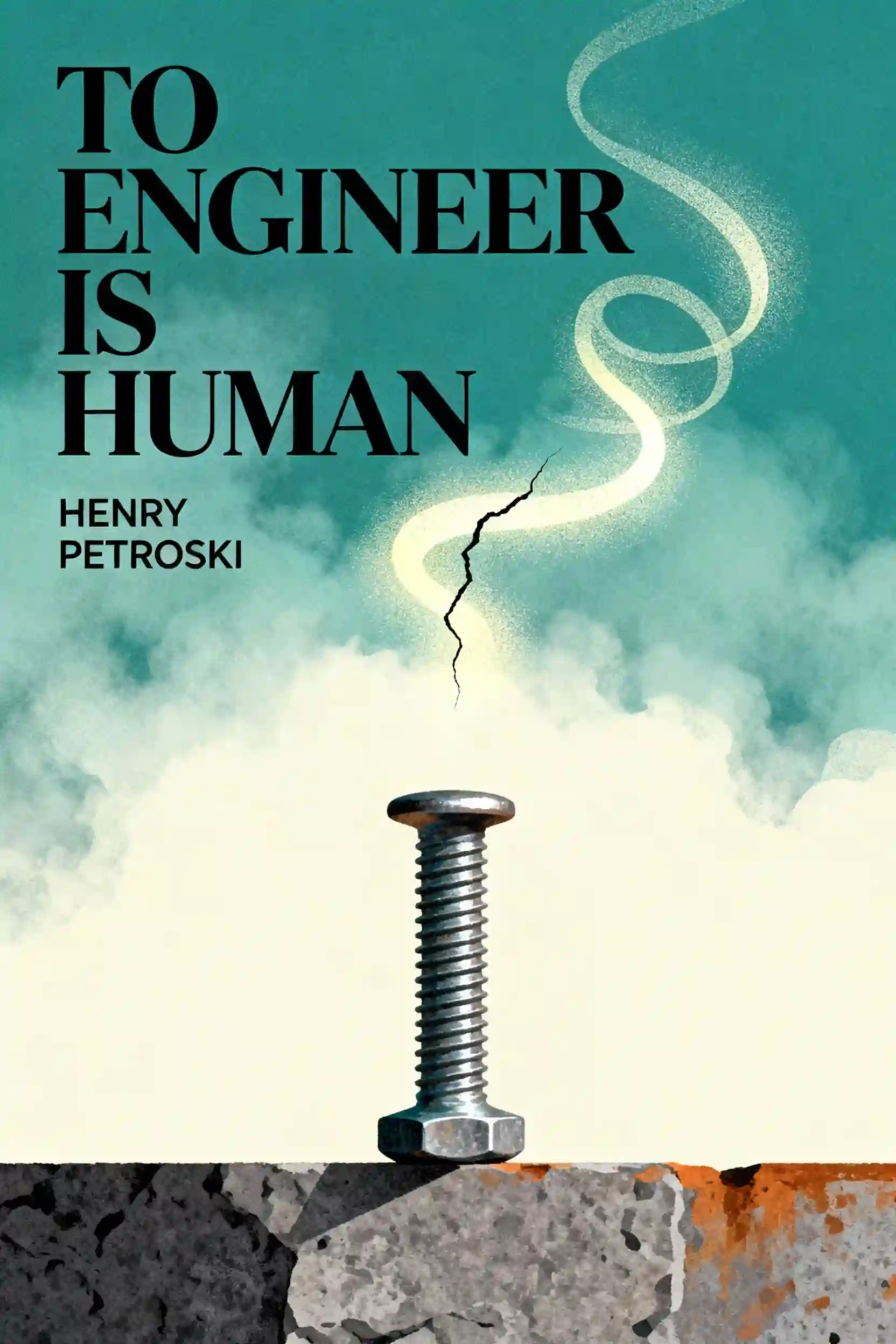
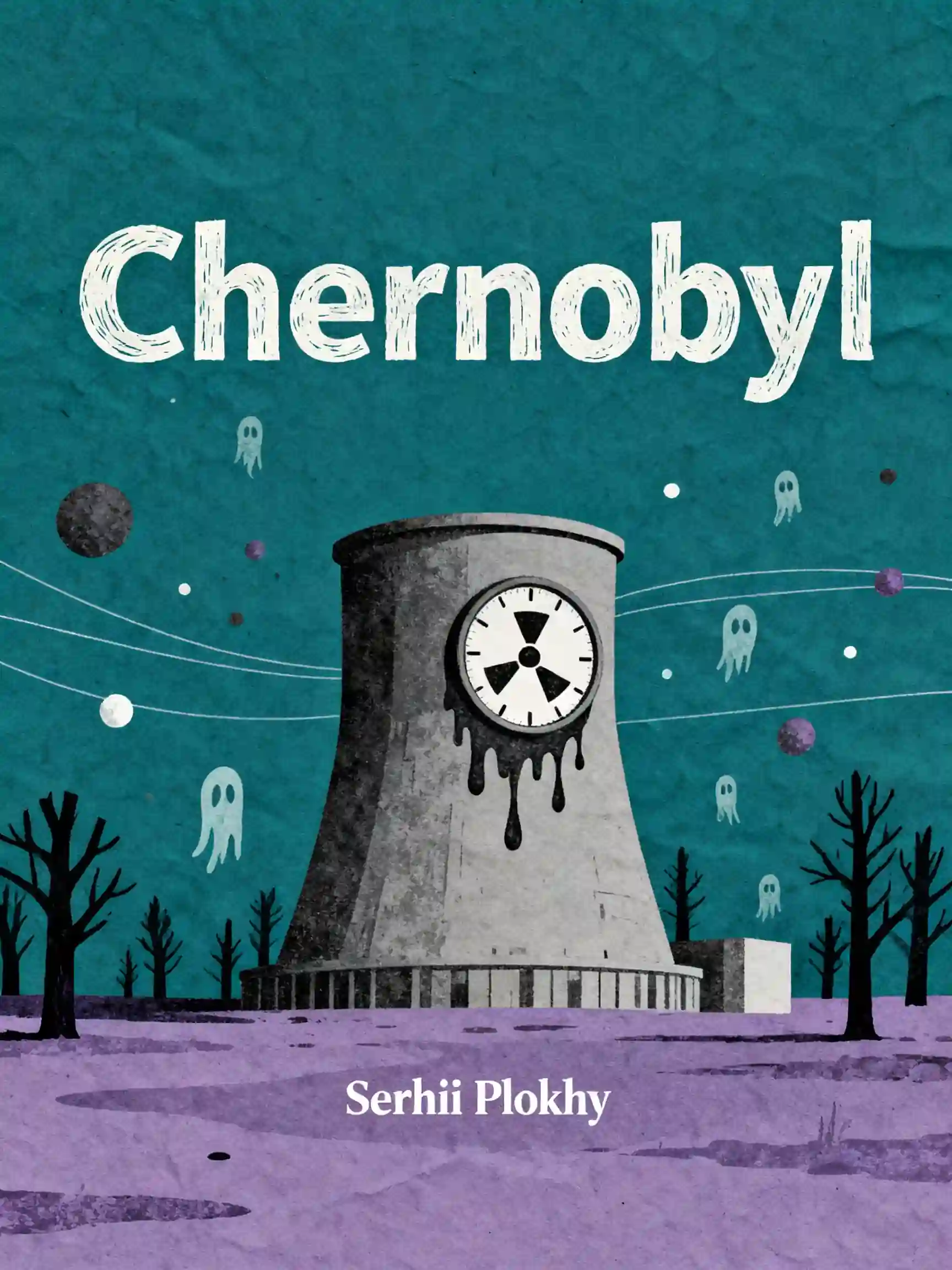
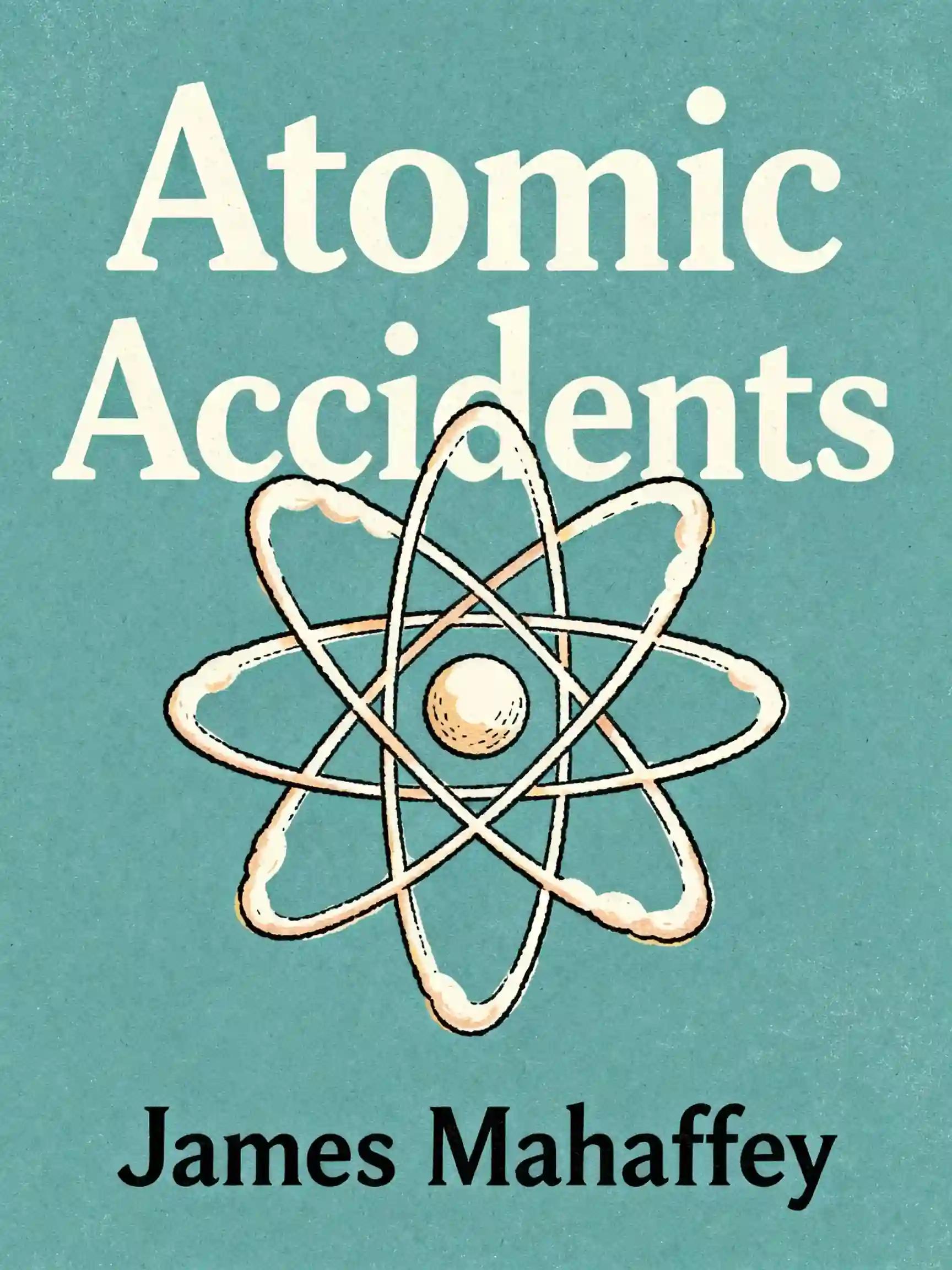
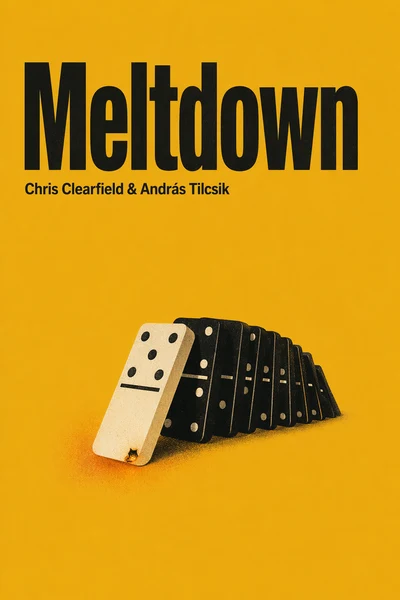
发现更多

San Francisco history
This learning plan is essential for anyone seeking to understand one of America's most culturally influential cities and how its unique history shaped modern technology, social movements, and urban culture. It's ideal for residents wanting deeper connection to their city, visitors preparing for meaningful exploration, urban planners and historians studying metropolitan development, or anyone interested in how geography, disaster, and innovation intersect to create transformative change.

Rainwater Safety and Potability Engineering
This plan is essential for engineers, off-grid enthusiasts, and sustainability professionals looking to master the technical requirements of safe water harvesting. It bridges the gap between environmental collection and public health standards through rigorous engineering principles.

Build a DIY Solar-Powered Water Fountain
This plan is ideal for DIY enthusiasts and makers looking to merge renewable energy with practical engineering. It provides a comprehensive bridge between theoretical solar physics and hands-on hydraulic construction for sustainable outdoor projects.

Plan Hazard Risk & Implementation Design
In an increasingly volatile world, the ability to anticipate and mitigate catastrophic system failures is a critical leadership skill. This plan is designed for project managers, safety officers, and operational leaders who need to transition from basic hazard identification to building truly resilient, antifragile organizations.

The Life and Death of Rome
Understanding the rise and fall of Rome provides essential lessons on the fragility of large-scale political systems. This plan is ideal for history enthusiasts and students of political science seeking to understand how internal decay and external pressures converge to dismantle an empire.

The Blueprint of Imperial Collapse
This learning plan is essential for strategic thinkers, historians, and policy analysts seeking to understand the mechanics of state failure. It provides a rigorous framework for identifying systemic rot and adapting to the technological disruptions that redefine global power.

The Bronze Age Silence
This learning plan offers a deep dive into the catastrophic end of the first globalized era, making it essential for history enthusiasts and students of archaeology. It provides a comprehensive framework for understanding how environmental, military, and systemic failures converge to reshape human history.

The C6 Decay-Lock Standard
This standard is essential for systems architects and security engineers who manage high-stakes mathematical boundaries. It provides a robust framework for enforcing system viability and preventing critical state decay in complex environments.
"Instead of endless scrolling, I just hit play on BeFreed. It saves me so much time."


"I never knew where to start with nonfiction—BeFreed’s book lists turned into podcasts gave me a clear path."


"Perfect balance between learning and entertainment. Finished ‘Thinking, Fast and Slow’ on my commute this week."
"Crazy how much I learned while walking the dog. BeFreed = small habits → big gains."
"Reading used to feel like a chore. Now it’s just part of my lifestyle."

"Feels effortless compared to reading. I’ve finished 6 books this month already."
"BeFreed turned my guilty doomscrolling into something that feels productive and inspiring."

"BeFreed turned my commute into learning time. 20-min podcasts are perfect for finishing books I never had time for."
"BeFreed replaced my podcast queue. Imagine Spotify for books — that’s it. 🙌"

"It is great for me to learn something from the book without reading it."
"The themed book list podcasts help me connect ideas across authors—like a guided audio journey."
"Makes me feel smarter every time before going to work"
"Instead of endless scrolling, I just hit play on BeFreed. It saves me so much time."
"I never knew where to start with nonfiction—BeFreed’s book lists turned into podcasts gave me a clear path."
"Perfect balance between learning and entertainment. Finished ‘Thinking, Fast and Slow’ on my commute this week."
"Crazy how much I learned while walking the dog. BeFreed = small habits → big gains."
"Reading used to feel like a chore. Now it’s just part of my lifestyle."
"Feels effortless compared to reading. I’ve finished 6 books this month already."
"BeFreed turned my guilty doomscrolling into something that feels productive and inspiring."
"BeFreed turned my commute into learning time. 20-min podcasts are perfect for finishing books I never had time for."
"BeFreed replaced my podcast queue. Imagine Spotify for books — that’s it. 🙌"
"It is great for me to learn something from the book without reading it."
"The themed book list podcasts help me connect ideas across authors—like a guided audio journey."
"Makes me feel smarter every time before going to work"
"Instead of endless scrolling, I just hit play on BeFreed. It saves me so much time."
"I never knew where to start with nonfiction—BeFreed’s book lists turned into podcasts gave me a clear path."
"Perfect balance between learning and entertainment. Finished ‘Thinking, Fast and Slow’ on my commute this week."
"Crazy how much I learned while walking the dog. BeFreed = small habits → big gains."
"Reading used to feel like a chore. Now it’s just part of my lifestyle."
"Feels effortless compared to reading. I’ve finished 6 books this month already."
"BeFreed turned my guilty doomscrolling into something that feels productive and inspiring."
"BeFreed turned my commute into learning time. 20-min podcasts are perfect for finishing books I never had time for."
"BeFreed replaced my podcast queue. Imagine Spotify for books — that’s it. 🙌"
"It is great for me to learn something from the book without reading it."
"The themed book list podcasts help me connect ideas across authors—like a guided audio journey."
"Makes me feel smarter every time before going to work"
"Instead of endless scrolling, I just hit play on BeFreed. It saves me so much time."
"I never knew where to start with nonfiction—BeFreed’s book lists turned into podcasts gave me a clear path."
"Perfect balance between learning and entertainment. Finished ‘Thinking, Fast and Slow’ on my commute this week."
"Crazy how much I learned while walking the dog. BeFreed = small habits → big gains."
"Reading used to feel like a chore. Now it’s just part of my lifestyle."
"Feels effortless compared to reading. I’ve finished 6 books this month already."
"BeFreed turned my guilty doomscrolling into something that feels productive and inspiring."
"BeFreed turned my commute into learning time. 20-min podcasts are perfect for finishing books I never had time for."
"BeFreed replaced my podcast queue. Imagine Spotify for books — that’s it. 🙌"
"It is great for me to learn something from the book without reading it."
"The themed book list podcasts help me connect ideas across authors—like a guided audio journey."
"Makes me feel smarter every time before going to work"