The Art of Machiavellian Strategy
Explore Machiavellianism beyond stereotypes—from its 16th century origins to modern applications in power dynamics, workplace relationships, and digital influence. Learn to recognize and respond to these strategic tactics.

The Art of Machiavellian Strategy最佳语录
Machiavelli wasn't advocating evil—he was diagnosing power. At its core, Machiavellianism is about a calculating, rational approach to achieving goals, particularly around power and status.

此音频课程由 BeFreed 社区成员创建
Can you give a lesson of maquiavellism

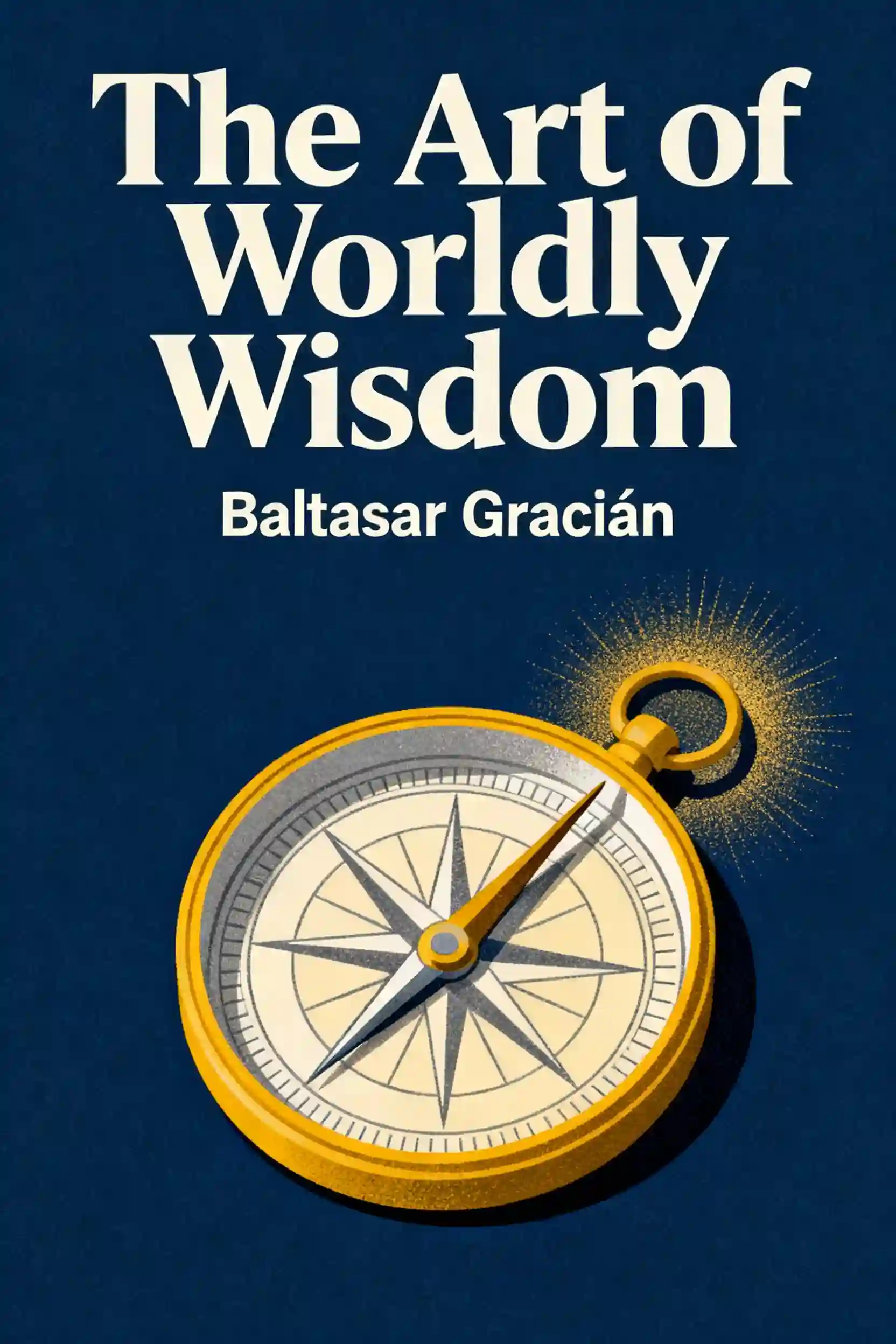
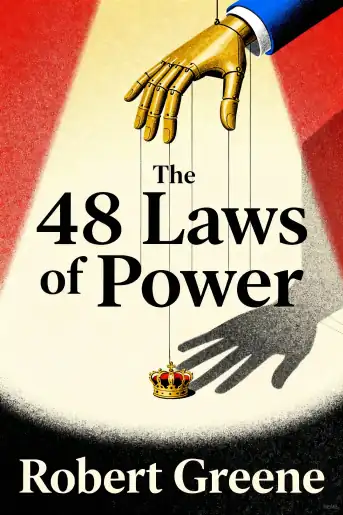

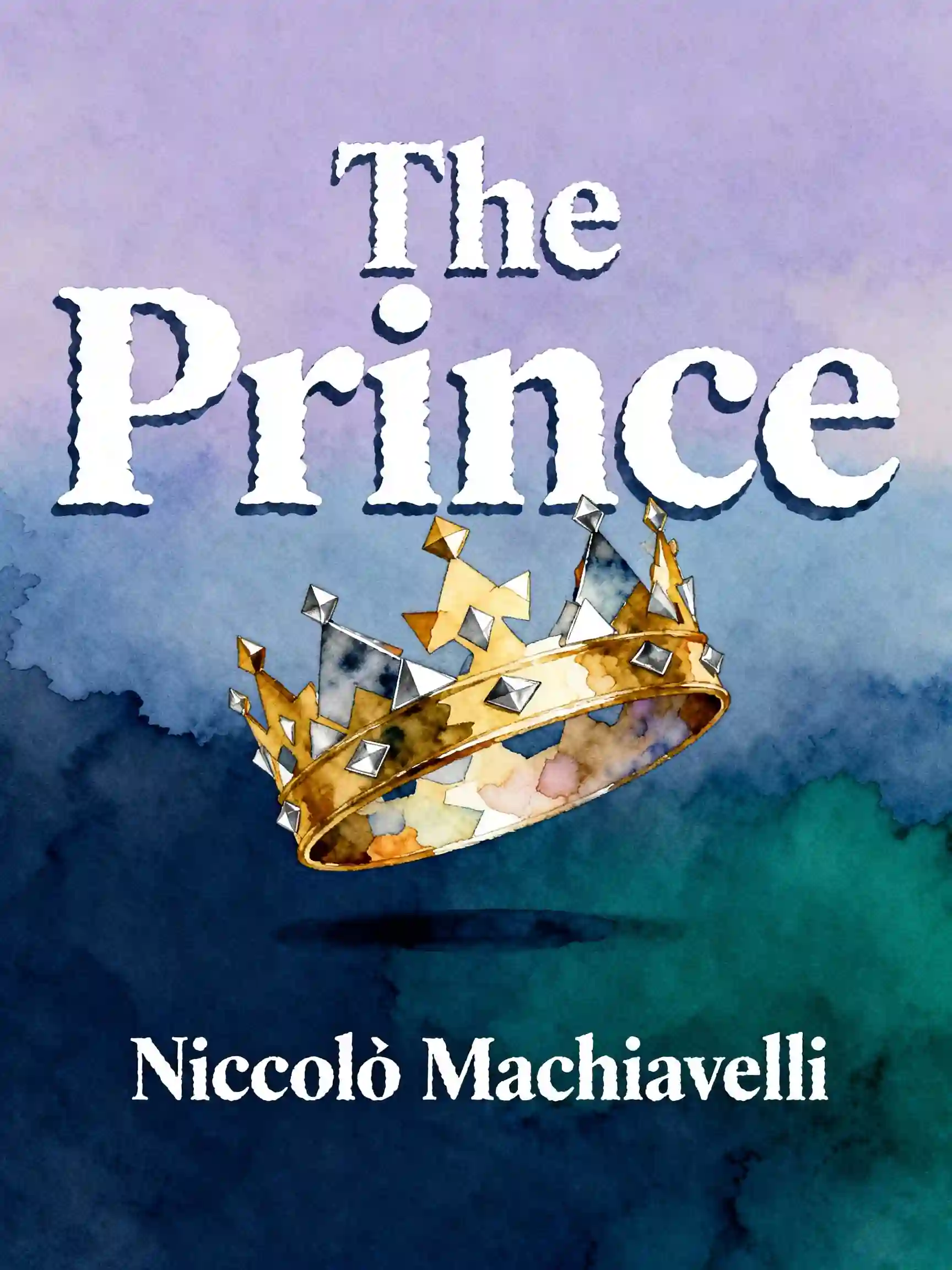
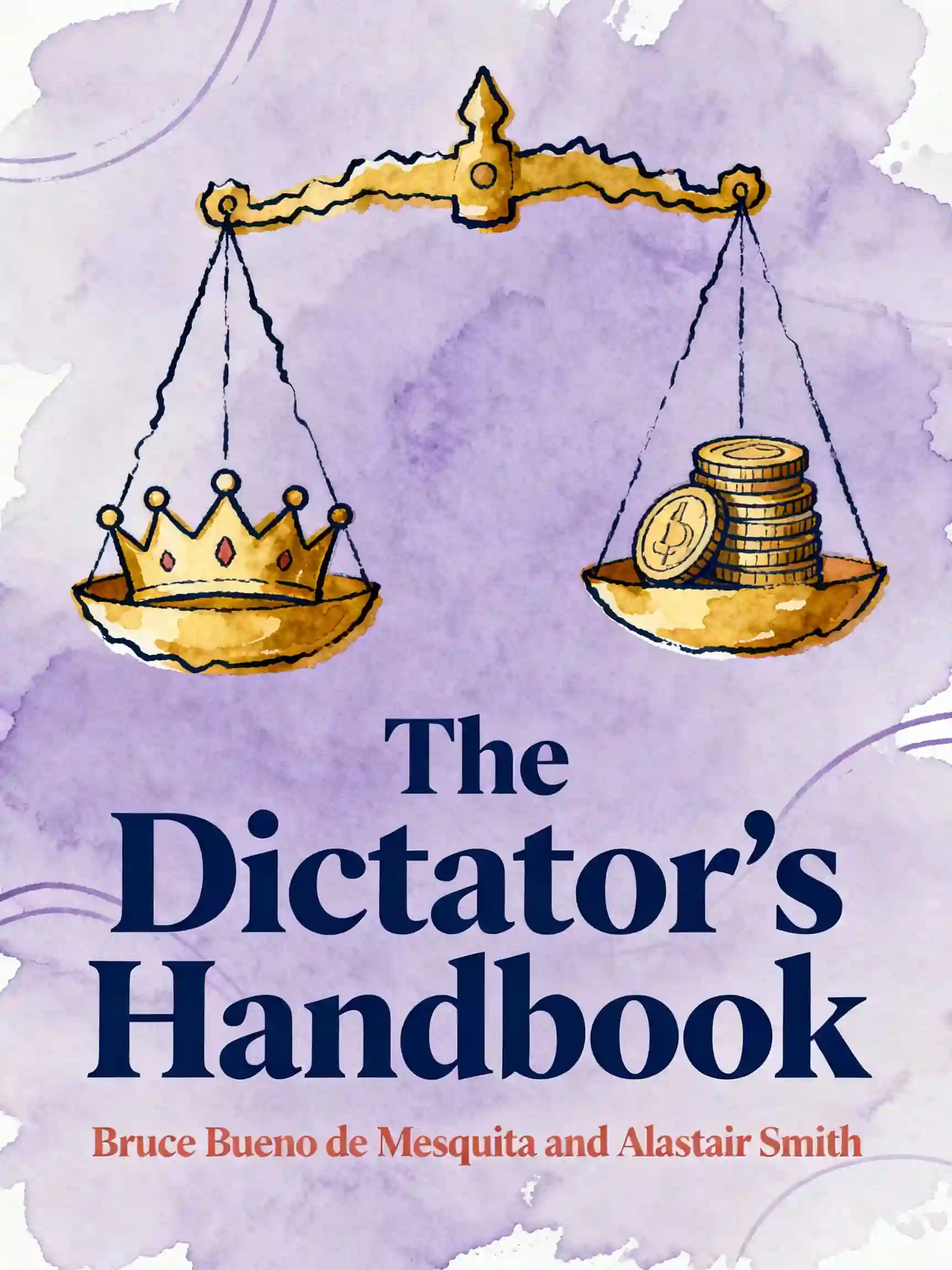
发现更多

Machiavellianism
This learning plan equips you with deep understanding of power dynamics, strategic thinking, and social influence—skills critical for leadership, negotiation, and navigating complex organizational politics. It's designed for professionals, entrepreneurs, and leaders who need to understand both the mechanics of influence and the ethical considerations of strategic decision-making in competitive environments.

I want to learn Machiavellian
This learning plan provides a comprehensive understanding of strategic thinking and power dynamics that shape leadership, negotiation, and influence in every field from business to politics. It's ideal for executives, entrepreneurs, politicians, and professionals who need to navigate complex power structures, make strategic decisions, and understand the psychological underpinnings of human behavior and persuasion.

Understand Machiavelli's Philosophy of Power
Machiavelli's insights on power and governance remain profoundly relevant in today's complex political and organizational environments. This learning plan benefits leaders, political science students, and professionals navigating competitive landscapes who seek to understand the pragmatic realities of influence and authority.
Master Machiavellian Speech & Power Tactics
This plan is designed for ambitious leaders and negotiators who need to navigate high-stakes environments where influence is the primary currency. It bridges classical political philosophy with modern psychological tactics to provide a comprehensive toolkit for social dominance.
Modern Work Politics: Machiavelli & 48 Laws
In high-stakes corporate environments, technical skill alone rarely guarantees advancement. This plan is designed for ambitious professionals who need to master the unspoken rules of influence and power dynamics to secure their seat at the table.

To manipulate others
This plan is essential for leaders and professionals who need to navigate complex social hierarchies and master the art of persuasion. It provides a comprehensive toolkit for understanding human motivation and protecting oneself from covert influence.

36 Strategies of Power: A War Manual
This course bridges the gap between ancient wisdom and modern survival, offering a deep dive into the mechanics of influence and tactical superiority. It is essential for leaders, entrepreneurs, and strategists who need to navigate high-stakes environments where psychological insight and political acumen are the primary tools for success.
Master Influence, Dark Tactics & Defense
This curriculum is essential for professionals and leaders who need to navigate complex social dynamics and protect themselves from bad-faith actors. It bridges the gap between ethical persuasion and defensive psychology, making it ideal for anyone looking to master high-stakes communication and personal autonomy.
"Instead of endless scrolling, I just hit play on BeFreed. It saves me so much time."


"I never knew where to start with nonfiction—BeFreed’s book lists turned into podcasts gave me a clear path."


"Perfect balance between learning and entertainment. Finished ‘Thinking, Fast and Slow’ on my commute this week."
"Crazy how much I learned while walking the dog. BeFreed = small habits → big gains."
"Reading used to feel like a chore. Now it’s just part of my lifestyle."

"Feels effortless compared to reading. I’ve finished 6 books this month already."
"BeFreed turned my guilty doomscrolling into something that feels productive and inspiring."

"BeFreed turned my commute into learning time. 20-min podcasts are perfect for finishing books I never had time for."
"BeFreed replaced my podcast queue. Imagine Spotify for books — that’s it. 🙌"

"It is great for me to learn something from the book without reading it."
"The themed book list podcasts help me connect ideas across authors—like a guided audio journey."
"Makes me feel smarter every time before going to work"
"Instead of endless scrolling, I just hit play on BeFreed. It saves me so much time."
"I never knew where to start with nonfiction—BeFreed’s book lists turned into podcasts gave me a clear path."
"Perfect balance between learning and entertainment. Finished ‘Thinking, Fast and Slow’ on my commute this week."
"Crazy how much I learned while walking the dog. BeFreed = small habits → big gains."
"Reading used to feel like a chore. Now it’s just part of my lifestyle."
"Feels effortless compared to reading. I’ve finished 6 books this month already."
"BeFreed turned my guilty doomscrolling into something that feels productive and inspiring."
"BeFreed turned my commute into learning time. 20-min podcasts are perfect for finishing books I never had time for."
"BeFreed replaced my podcast queue. Imagine Spotify for books — that’s it. 🙌"
"It is great for me to learn something from the book without reading it."
"The themed book list podcasts help me connect ideas across authors—like a guided audio journey."
"Makes me feel smarter every time before going to work"
"Instead of endless scrolling, I just hit play on BeFreed. It saves me so much time."
"I never knew where to start with nonfiction—BeFreed’s book lists turned into podcasts gave me a clear path."
"Perfect balance between learning and entertainment. Finished ‘Thinking, Fast and Slow’ on my commute this week."
"Crazy how much I learned while walking the dog. BeFreed = small habits → big gains."
"Reading used to feel like a chore. Now it’s just part of my lifestyle."
"Feels effortless compared to reading. I’ve finished 6 books this month already."
"BeFreed turned my guilty doomscrolling into something that feels productive and inspiring."
"BeFreed turned my commute into learning time. 20-min podcasts are perfect for finishing books I never had time for."
"BeFreed replaced my podcast queue. Imagine Spotify for books — that’s it. 🙌"
"It is great for me to learn something from the book without reading it."
"The themed book list podcasts help me connect ideas across authors—like a guided audio journey."
"Makes me feel smarter every time before going to work"
"Instead of endless scrolling, I just hit play on BeFreed. It saves me so much time."
"I never knew where to start with nonfiction—BeFreed’s book lists turned into podcasts gave me a clear path."
"Perfect balance between learning and entertainment. Finished ‘Thinking, Fast and Slow’ on my commute this week."
"Crazy how much I learned while walking the dog. BeFreed = small habits → big gains."
"Reading used to feel like a chore. Now it’s just part of my lifestyle."
"Feels effortless compared to reading. I’ve finished 6 books this month already."
"BeFreed turned my guilty doomscrolling into something that feels productive and inspiring."
"BeFreed turned my commute into learning time. 20-min podcasts are perfect for finishing books I never had time for."
"BeFreed replaced my podcast queue. Imagine Spotify for books — that’s it. 🙌"
"It is great for me to learn something from the book without reading it."
"The themed book list podcasts help me connect ideas across authors—like a guided audio journey."
"Makes me feel smarter every time before going to work"