The 89% Rule: Mastering Heart-Centered Leadership
Discover the four essential behaviors that drive 89% of leadership success. This episode explores how empathy, self-awareness, and a supportive mindset outweigh titles when it comes to inspiring others.

The 89% Rule: Mastering Heart-Centered Leadership最佳语录
Leadership is not about being a superhero; it's about the intention to help those around you achieve more than they could alone. It is more of an internal mindset than a corporate title.
Generated by Freedee_D740E142
How to be a great leader

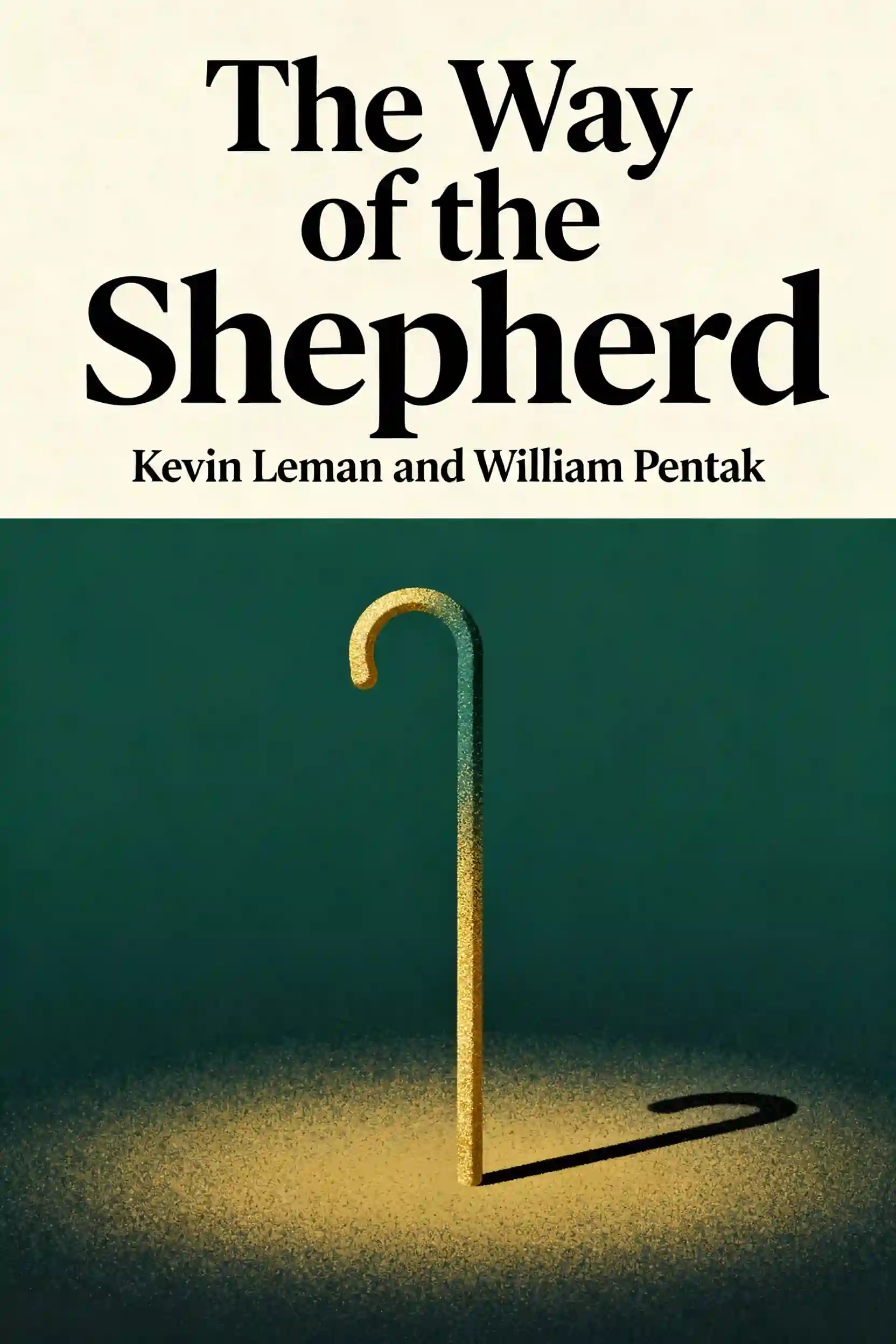
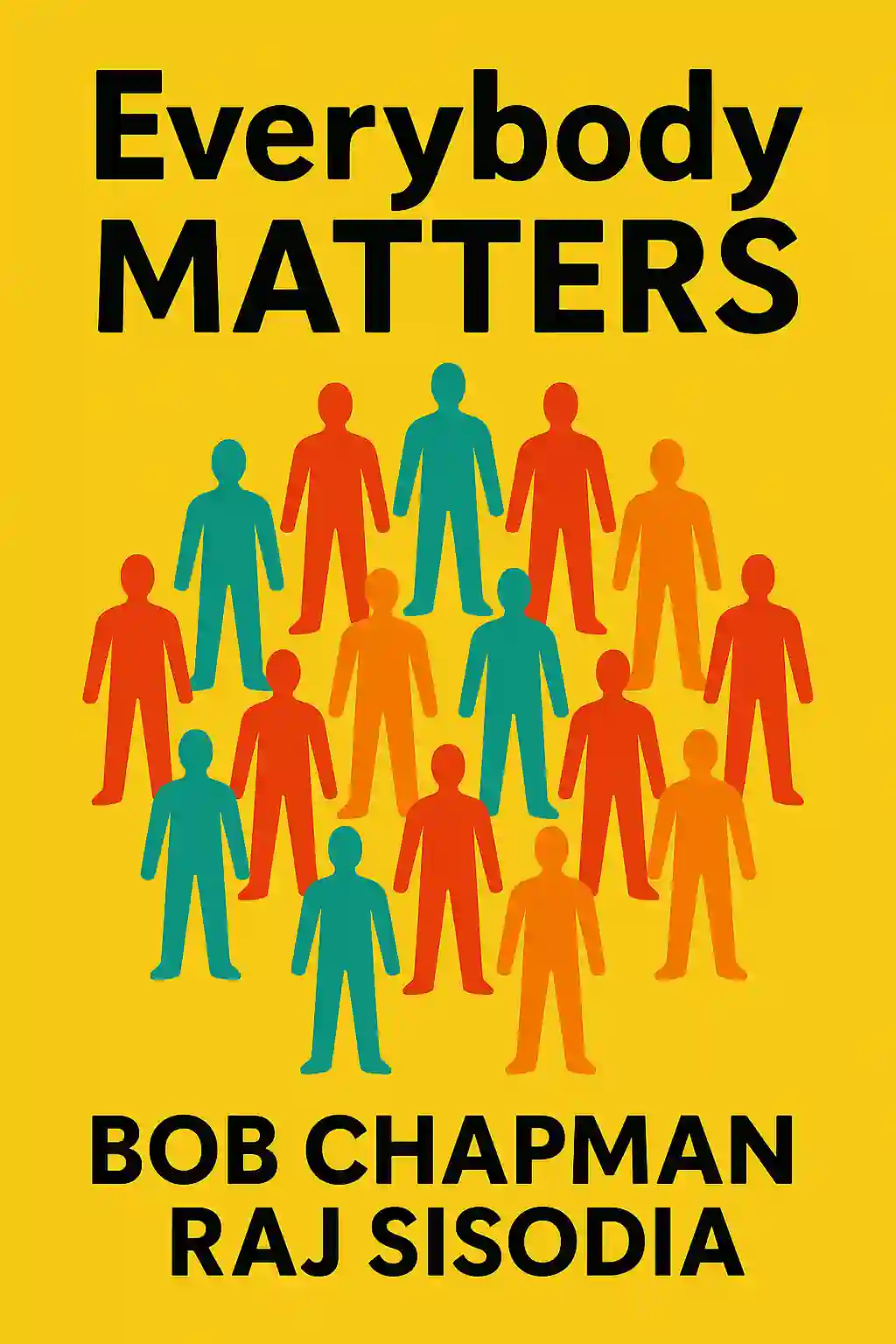
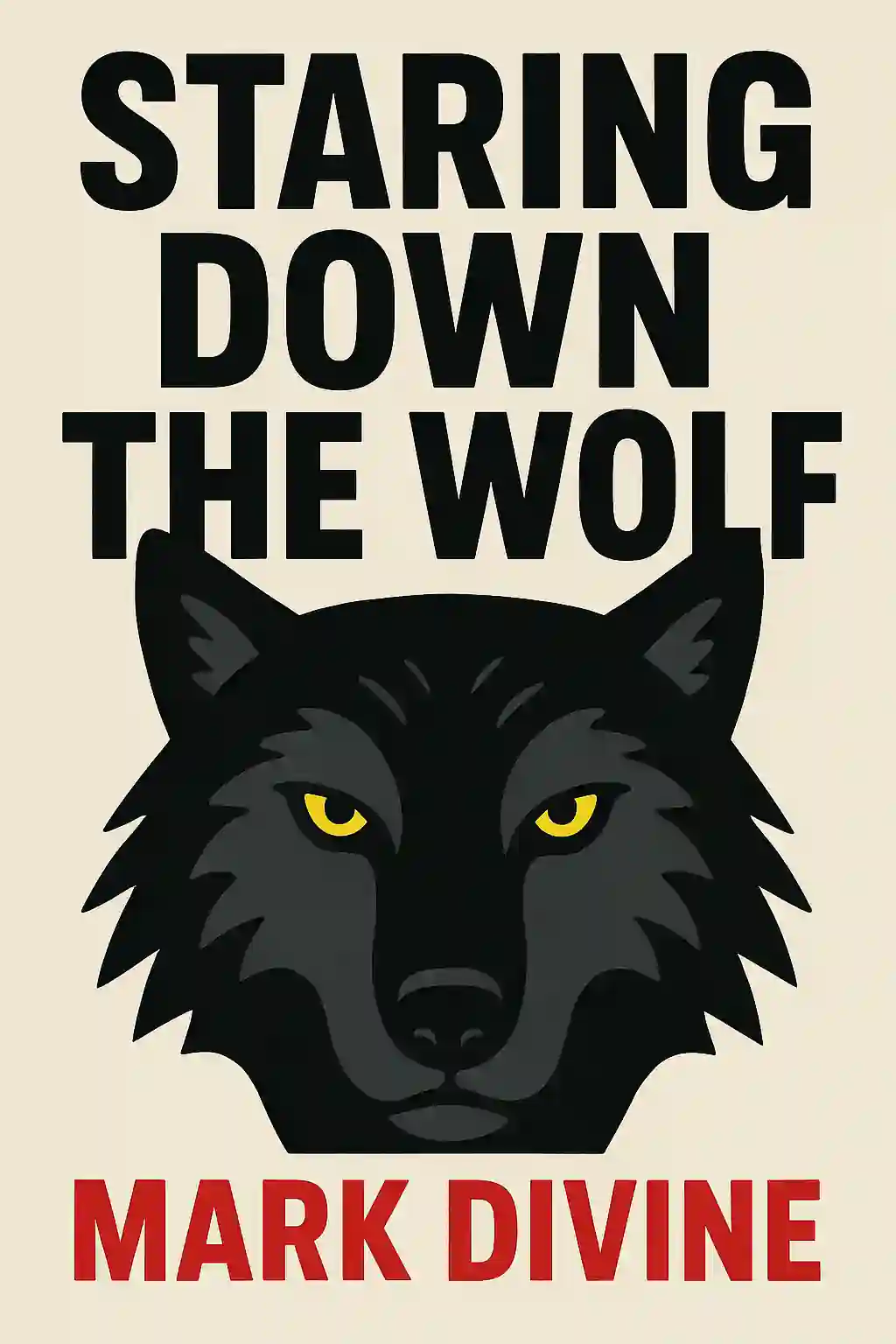
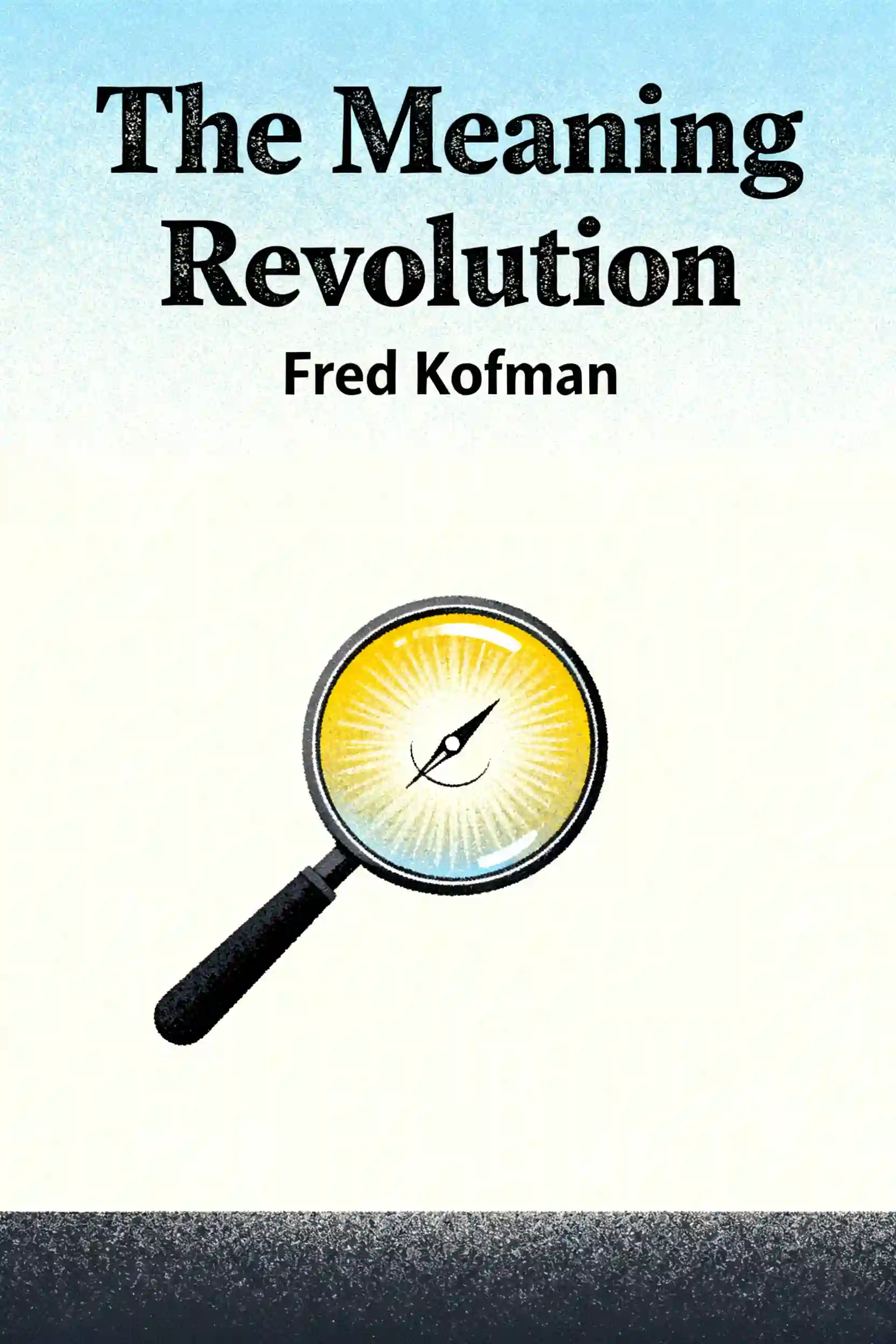
常见问题
According to a McKinsey study mentioned in the script, four specific behaviors account for 89 percent of leadership effectiveness, with being supportive identified as one of the most critical. Effective leadership is less about having all the answers or holding a specific title and more about the internal mindset of helping others achieve more than they could alone. This involves "knowing the way, going the way, and showing the way," which requires a foundation of self-awareness, integrity, and empathy.
Self-awareness is essential because it allows leaders to understand their "internal weather" and recognize how their emotions and blind spots affect their team. While 95 percent of people believe they are self-aware, research suggests only 10 to 15 percent actually are. By developing this quality, leaders can move from reacting impulsively to observing their reactions, allowing them to name emotions like anxiety or frustration and choose responses that align with their values rather than micromanaging or eroding trust.
Emotional Intelligence is a high-leverage investment that accounts for 58 percent of job performance across all roles, and 90 percent of top performers possess high EQ. It consists of components like self-regulation, which helps leaders stay calm under pressure, and empathy, which allows them to perceive others' feelings and adjust their style accordingly. High-EQ leaders foster psychological safety and emotional connection, often seeing 40 percent better engagement from their teams compared to those who rely solely on technical skills.
The script distinguishes the two by noting that managers typically cope with complexity by organizing, executing, and maintaining order through a position of authority. In contrast, leaders cope with change by using personal influence and charisma to inspire a shared vision. While managers focus on the "necessities of the job" and extrinsic motivators, true leaders aim for "voluntary commitment" from their team, drawing out intrinsic motivation by making the work feel meaningful and serving the needs of the group.
Building a culture of growth requires creating an environment of psychological safety where team members feel safe to "fail intelligently" without fear of punishment. Leaders can cultivate this by modeling vulnerability, admitting when they don't have all the answers, and treating mistakes as learning opportunities. Additionally, leaders should practice "empowered execution," which involves providing a clear vision and boundaries but trusting the team with the autonomy to decide how to achieve the goals.
"Instead of endless scrolling, I just hit play on BeFreed. It saves me so much time."


"I never knew where to start with nonfiction—BeFreed’s book lists turned into podcasts gave me a clear path."


"Perfect balance between learning and entertainment. Finished ‘Thinking, Fast and Slow’ on my commute this week."
"Crazy how much I learned while walking the dog. BeFreed = small habits → big gains."
"Reading used to feel like a chore. Now it’s just part of my lifestyle."

"Feels effortless compared to reading. I’ve finished 6 books this month already."
"BeFreed turned my guilty doomscrolling into something that feels productive and inspiring."

"BeFreed turned my commute into learning time. 20-min podcasts are perfect for finishing books I never had time for."
"BeFreed replaced my podcast queue. Imagine Spotify for books — that’s it. 🙌"

"It is great for me to learn something from the book without reading it."
"The themed book list podcasts help me connect ideas across authors—like a guided audio journey."
"Makes me feel smarter every time before going to work"
"Instead of endless scrolling, I just hit play on BeFreed. It saves me so much time."
"I never knew where to start with nonfiction—BeFreed’s book lists turned into podcasts gave me a clear path."
"Perfect balance between learning and entertainment. Finished ‘Thinking, Fast and Slow’ on my commute this week."
"Crazy how much I learned while walking the dog. BeFreed = small habits → big gains."
"Reading used to feel like a chore. Now it’s just part of my lifestyle."
"Feels effortless compared to reading. I’ve finished 6 books this month already."
"BeFreed turned my guilty doomscrolling into something that feels productive and inspiring."
"BeFreed turned my commute into learning time. 20-min podcasts are perfect for finishing books I never had time for."
"BeFreed replaced my podcast queue. Imagine Spotify for books — that’s it. 🙌"
"It is great for me to learn something from the book without reading it."
"The themed book list podcasts help me connect ideas across authors—like a guided audio journey."
"Makes me feel smarter every time before going to work"
"Instead of endless scrolling, I just hit play on BeFreed. It saves me so much time."
"I never knew where to start with nonfiction—BeFreed’s book lists turned into podcasts gave me a clear path."
"Perfect balance between learning and entertainment. Finished ‘Thinking, Fast and Slow’ on my commute this week."
"Crazy how much I learned while walking the dog. BeFreed = small habits → big gains."
"Reading used to feel like a chore. Now it’s just part of my lifestyle."
"Feels effortless compared to reading. I’ve finished 6 books this month already."
"BeFreed turned my guilty doomscrolling into something that feels productive and inspiring."
"BeFreed turned my commute into learning time. 20-min podcasts are perfect for finishing books I never had time for."
"BeFreed replaced my podcast queue. Imagine Spotify for books — that’s it. 🙌"
"It is great for me to learn something from the book without reading it."
"The themed book list podcasts help me connect ideas across authors—like a guided audio journey."
"Makes me feel smarter every time before going to work"
"Instead of endless scrolling, I just hit play on BeFreed. It saves me so much time."
"I never knew where to start with nonfiction—BeFreed’s book lists turned into podcasts gave me a clear path."
"Perfect balance between learning and entertainment. Finished ‘Thinking, Fast and Slow’ on my commute this week."
"Crazy how much I learned while walking the dog. BeFreed = small habits → big gains."
"Reading used to feel like a chore. Now it’s just part of my lifestyle."
"Feels effortless compared to reading. I’ve finished 6 books this month already."
"BeFreed turned my guilty doomscrolling into something that feels productive and inspiring."
"BeFreed turned my commute into learning time. 20-min podcasts are perfect for finishing books I never had time for."
"BeFreed replaced my podcast queue. Imagine Spotify for books — that’s it. 🙌"
"It is great for me to learn something from the book without reading it."
"The themed book list podcasts help me connect ideas across authors—like a guided audio journey."
"Makes me feel smarter every time before going to work"