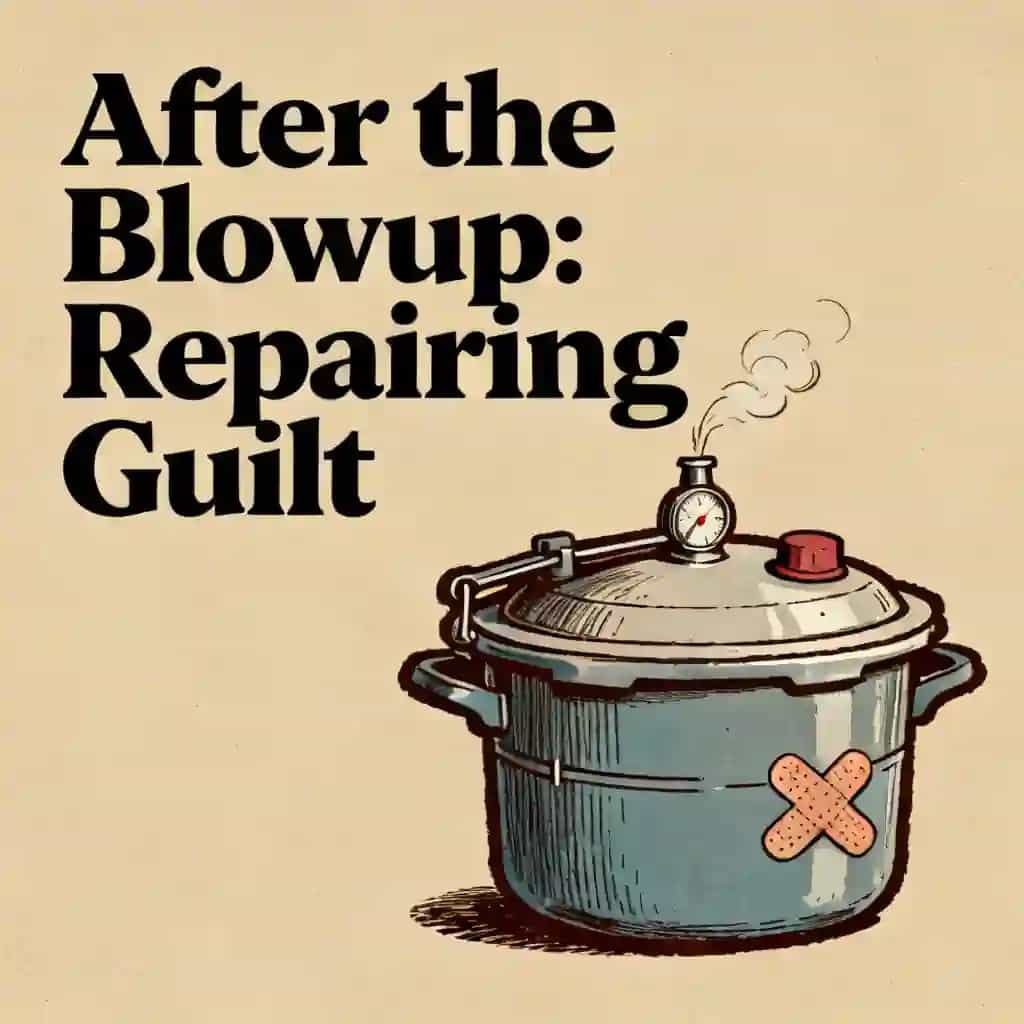
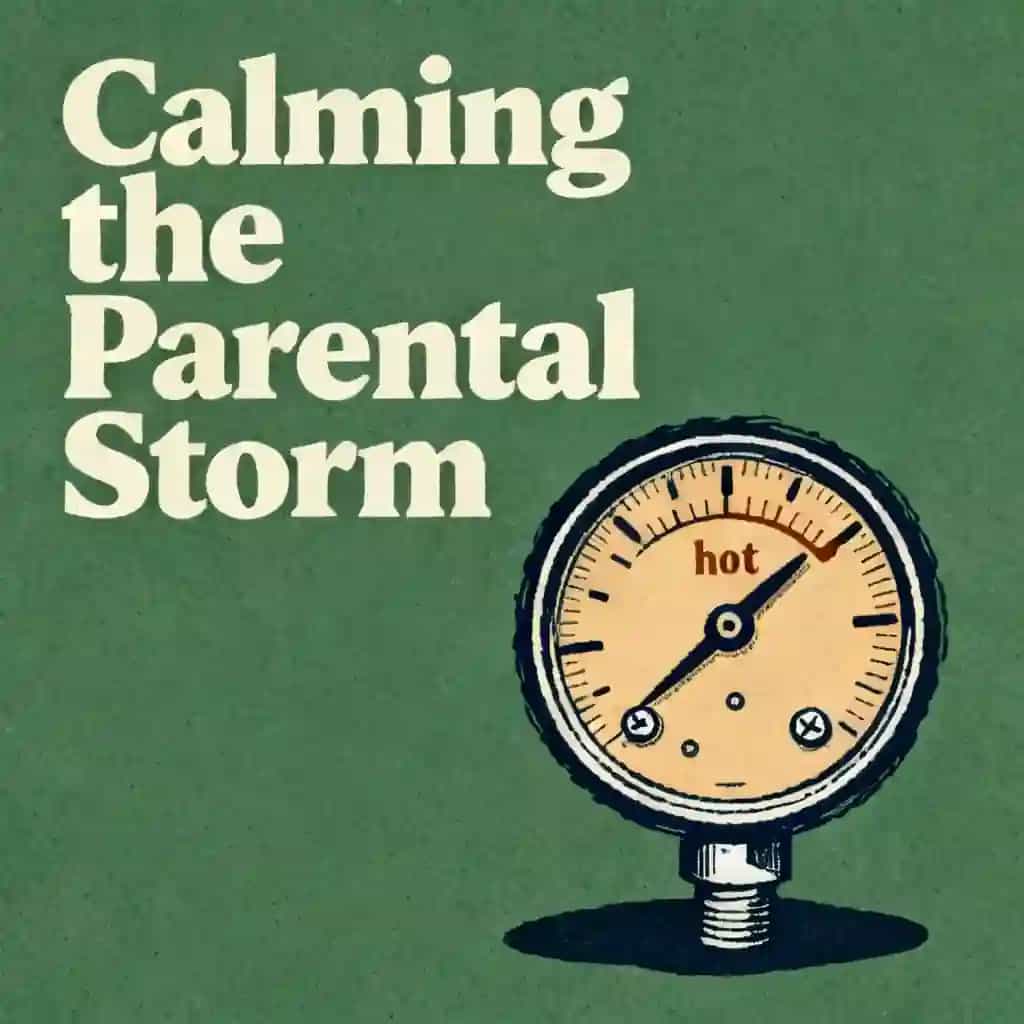
Stop the parental rage cycle and find your calm
Struggling with explosive anger? Learn why your brain enters survival mode during a meltdown and how to use the power of the pause to repair the bond.

Stop the parental rage cycle and find your calm最佳语录
You aren't a 'bad parent'; you’re just a dysregulated human in survival mode. The shift from 'Why is she doing this to me?' to 'What is happening for her?' is the secret sauce that turns a personal attack back into a moment for empathy.
Generated by Sarah
How do I stop myself from exploding at my 5 year daughter when I'm really triggered and upset with her. All I'm doing is hurting myself but not fixing this as afterwards I feel like a piece of shit and hate myself for getting so mad at my beautiful girl.

常见问题
This reaction is a physiological response triggered by your "downstairs brain," which includes the amygdala or the body's alarm system. When your child screams or misbehaves, your brain may fail to distinguish the tantrum from a physical threat, causing it to "flip the lid" on your logical "upstairs brain." This floods your system with cortisol and adrenaline, preparing you for a biological fight and making it physically difficult to access empathy or logic in that moment.
A tantrum is a goal-directed strategy where a child is seeking a specific outcome, such as a toy or more screen time, and they still maintain some level of internal regulation. In contrast, a meltdown is a full nervous system override where the child’s "upstairs brain" has gone completely offline. Because a meltdown is a state of total emotional flooding rather than a choice, traditional discipline or negotiation is neurologically futile; the child requires safety and co-regulation rather than a lesson.
The script suggests using the "STOP-BREATHE-GROUND" protocol. The most effective way to hack your nervous system is through a specific breathing technique: inhaling for four seconds and exhaling for eight. This long exhale stimulates the vagus nerve and signals to your brain that you are safe. Additionally, grounding yourself by feeling your feet on the floor or touching a cold surface can pull your brain out of a "shame story" and back into the physical present.
A quality repair involves three specific steps: taking full responsibility, naming the internal process without blame, and reconnecting. You should avoid saying "I’m sorry, but..." as this justifies your anger based on the child's behavior. Instead, say something like, "I yelled and that was scary. It is my job to stay calm, not yours. I was having a hard time, but I am practicing my calm breaths now." This releases the child from the burden of your emotions and models accountability.
Vulnerability factors are background stressors that shrink your "window of tolerance," making you more likely to snap. These are often categorized by the HALT principle: being Hungry, Angry, Lonely, or Tired. When you are depleted by work stress, lack of sleep, or isolation, you may already be at a "level seven" of internal pressure before a conflict even begins. Recognizing these factors helps shift the perspective from being a "bad parent" to being a "system at capacity" that needs support or a micro-break.
"Instead of endless scrolling, I just hit play on BeFreed. It saves me so much time."


"I never knew where to start with nonfiction—BeFreed’s book lists turned into podcasts gave me a clear path."


"Perfect balance between learning and entertainment. Finished ‘Thinking, Fast and Slow’ on my commute this week."
"Crazy how much I learned while walking the dog. BeFreed = small habits → big gains."
"Reading used to feel like a chore. Now it’s just part of my lifestyle."

"Feels effortless compared to reading. I’ve finished 6 books this month already."
"BeFreed turned my guilty doomscrolling into something that feels productive and inspiring."

"BeFreed turned my commute into learning time. 20-min podcasts are perfect for finishing books I never had time for."
"BeFreed replaced my podcast queue. Imagine Spotify for books — that’s it. 🙌"

"It is great for me to learn something from the book without reading it."
"The themed book list podcasts help me connect ideas across authors—like a guided audio journey."
"Makes me feel smarter every time before going to work"
"Instead of endless scrolling, I just hit play on BeFreed. It saves me so much time."
"I never knew where to start with nonfiction—BeFreed’s book lists turned into podcasts gave me a clear path."
"Perfect balance between learning and entertainment. Finished ‘Thinking, Fast and Slow’ on my commute this week."
"Crazy how much I learned while walking the dog. BeFreed = small habits → big gains."
"Reading used to feel like a chore. Now it’s just part of my lifestyle."
"Feels effortless compared to reading. I’ve finished 6 books this month already."
"BeFreed turned my guilty doomscrolling into something that feels productive and inspiring."
"BeFreed turned my commute into learning time. 20-min podcasts are perfect for finishing books I never had time for."
"BeFreed replaced my podcast queue. Imagine Spotify for books — that’s it. 🙌"
"It is great for me to learn something from the book without reading it."
"The themed book list podcasts help me connect ideas across authors—like a guided audio journey."
"Makes me feel smarter every time before going to work"
"Instead of endless scrolling, I just hit play on BeFreed. It saves me so much time."
"I never knew where to start with nonfiction—BeFreed’s book lists turned into podcasts gave me a clear path."
"Perfect balance between learning and entertainment. Finished ‘Thinking, Fast and Slow’ on my commute this week."
"Crazy how much I learned while walking the dog. BeFreed = small habits → big gains."
"Reading used to feel like a chore. Now it’s just part of my lifestyle."
"Feels effortless compared to reading. I’ve finished 6 books this month already."
"BeFreed turned my guilty doomscrolling into something that feels productive and inspiring."
"BeFreed turned my commute into learning time. 20-min podcasts are perfect for finishing books I never had time for."
"BeFreed replaced my podcast queue. Imagine Spotify for books — that’s it. 🙌"
"It is great for me to learn something from the book without reading it."
"The themed book list podcasts help me connect ideas across authors—like a guided audio journey."
"Makes me feel smarter every time before going to work"
"Instead of endless scrolling, I just hit play on BeFreed. It saves me so much time."
"I never knew where to start with nonfiction—BeFreed’s book lists turned into podcasts gave me a clear path."
"Perfect balance between learning and entertainment. Finished ‘Thinking, Fast and Slow’ on my commute this week."
"Crazy how much I learned while walking the dog. BeFreed = small habits → big gains."
"Reading used to feel like a chore. Now it’s just part of my lifestyle."
"Feels effortless compared to reading. I’ve finished 6 books this month already."
"BeFreed turned my guilty doomscrolling into something that feels productive and inspiring."
"BeFreed turned my commute into learning time. 20-min podcasts are perfect for finishing books I never had time for."
"BeFreed replaced my podcast queue. Imagine Spotify for books — that’s it. 🙌"
"It is great for me to learn something from the book without reading it."
"The themed book list podcasts help me connect ideas across authors—like a guided audio journey."
"Makes me feel smarter every time before going to work"