Navigate the emotional and strategic challenges of joining a new company after a decade elsewhere. Learn to decode culture, build relationships, and leverage your experience while staying humble enough to adapt and thrive.

Experience in one culture doesn't automatically translate to another; you have to acknowledge what you're losing before you can embrace what you're gaining.
Starting at a new company after 10 years elsewhere


"Instead of endless scrolling, I just hit play on BeFreed. It saves me so much time."
"I never knew where to start with nonfiction—BeFreed’s book lists turned into podcasts gave me a clear path."
"Perfect balance between learning and entertainment. Finished ‘Thinking, Fast and Slow’ on my commute this week."
"Crazy how much I learned while walking the dog. BeFreed = small habits → big gains."
"Reading used to feel like a chore. Now it’s just part of my lifestyle."
"Feels effortless compared to reading. I’ve finished 6 books this month already."
"BeFreed turned my guilty doomscrolling into something that feels productive and inspiring."
"BeFreed turned my commute into learning time. 20-min podcasts are perfect for finishing books I never had time for."
"BeFreed replaced my podcast queue. Imagine Spotify for books — that’s it. 🙌"
"It is great for me to learn something from the book without reading it."
"The themed book list podcasts help me connect ideas across authors—like a guided audio journey."
"Makes me feel smarter every time before going to work"

Lena: Hey everyone, welcome to your personalized podcast from BeFreed! I'm Lena, and I'm here with Eli, and we are genuinely excited to dive into something that's probably on your mind right now-starting fresh at a new company after spending a decade somewhere else.
Eli: Absolutely, Lena! And wow, what a transition that must be. Ten years is a significant chunk of your career, and now you're stepping into completely uncharted territory. That's both thrilling and, let's be honest, probably a little nerve-wracking.
Lena: Right? I mean, you've got all this expertise and experience, but suddenly you're the new person again. It's like being fluent in one language and then moving to a country where everyone speaks differently.
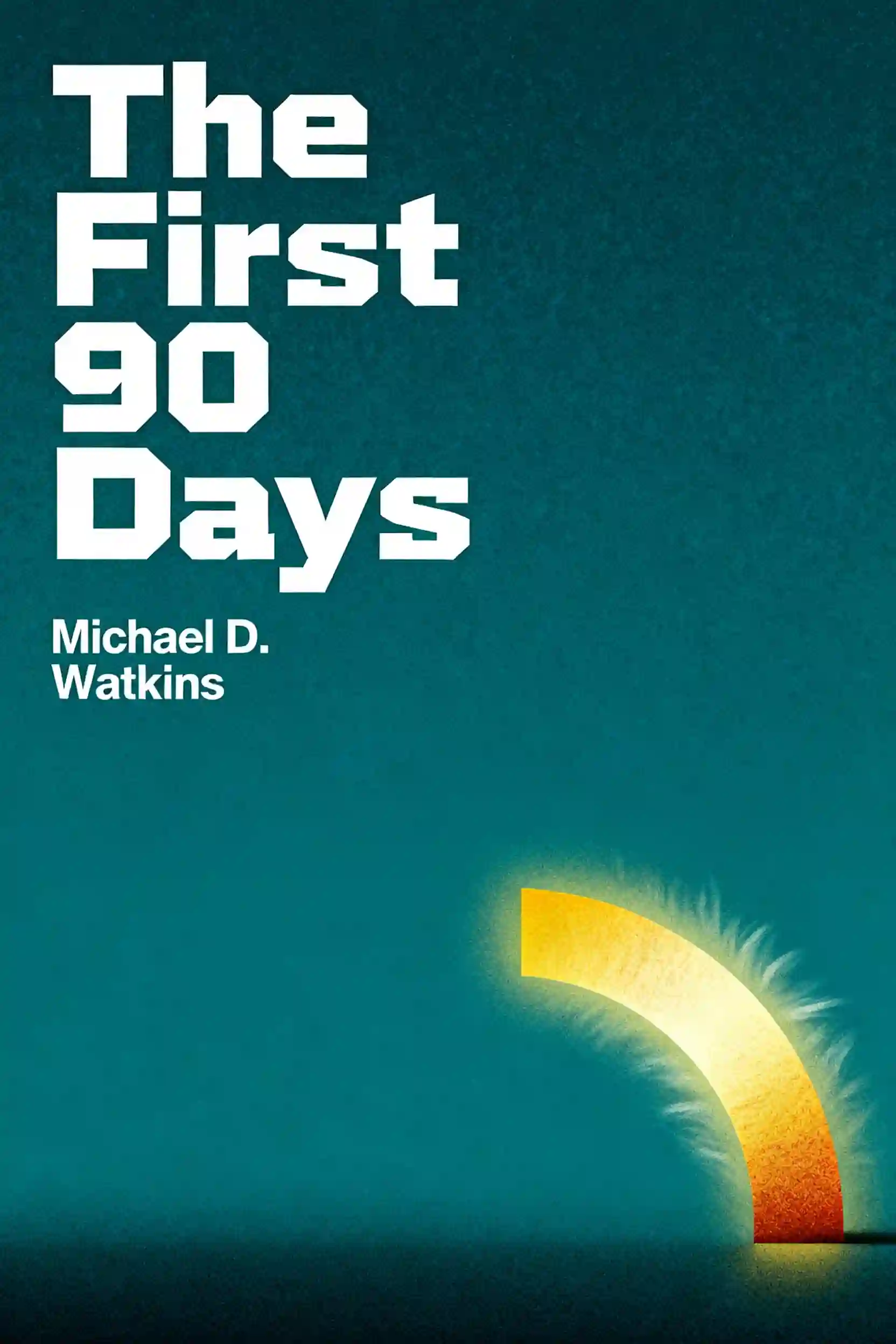
Eli: That's a perfect analogy! And you know what's fascinating? We've been diving deep into some incredible resources about exactly this situation. I was just reading about this in "The First 90 Days," and the author makes this crucial point that those initial months aren't just important-they're absolutely defining.
Lena: Oh, that's so true. And it connects beautifully with what I found in "Managing Transitions." The book talks about how change isn't just situational-it's deeply psychological. When you're leaving a place where you've been for ten years, you're not just changing your commute. You're essentially grieving the end of one chapter while trying to write a completely new one.
Eli: Exactly! And here's what's really interesting-we also looked at "Fast Start: 9 Tips to Onboard Yourself at Your New Job," and the key insight there is that you can't just wait for things to fall into your lap. After a decade of knowing exactly how everything works, you've got to become proactive about learning all over again.
Lena: You know, I think we need to talk about something that doesn't get discussed enough-the emotional side of this transition. When you've been somewhere for ten years, you're not just leaving a job. You're leaving relationships, routines, and a whole identity you've built up.
Eli: That's exactly what "Managing Transitions" calls the "Ending" phase. And here's the thing-you have to actually acknowledge what you're losing before you can embrace what you're gaining. It might seem counterintuitive when you're excited about a new opportunity, but there's real grief involved in leaving a place where you've invested a decade of your life.
Lena: I love how you put that. And what makes it even more complex is that everyone around you at the new company is probably expecting you to hit the ground running because of your experience level. But experience in one culture doesn't automatically translate to another, does it?
Eli: Not at all! In fact, "The First 90 Days" warns about this exact trap-believing that what made you successful before will automatically work now. You might have been the go-to person for strategic decisions at your old company, but now you need to learn an entirely new landscape of stakeholders, politics, and unwritten rules.
Lena: Speaking of unwritten rules, let's talk about organizational culture. I found this fascinating piece about "Understanding and Adapting to a New Organizational Culture," and it really drives home how culture isn't right or wrong-it just is.
Eli: Right! And after ten years somewhere, you've probably internalized your previous company's culture so deeply that you don't even think about it anymore. But now you're essentially moving to a foreign country where the customs, language, and social norms might be completely different.
Lena: That's such a great way to think about it. So what does that mean practically? How do you decode this new culture without making assumptions based on your decade of experience elsewhere?
Eli: Well, "Fast Start" suggests becoming almost anthropological about it. You need to observe everything-who talks to whom, how decisions really get made, what the preferred communication styles are. And here's the key: you need to find what they call a "cultural interpreter"-someone who can help you understand the informal institutional knowledge.
Lena: Oh, I love that concept! It's like having a local guide when you're traveling. But here's what I'm curious about-how do you balance leveraging your experience while staying humble enough to learn?
Eli: That's the million-dollar question! And "The First 90 Days" has this brilliant framework for it. The author talks about accelerated learning, but it's not just about absorbing information randomly. You need to be strategic about what you learn first.
Lena: How so? Because I imagine after ten years of expertise, it must be tempting to jump in with solutions right away.
Eli: Exactly, and that's dangerous! The book suggests focusing on five key dimensions: technical aspects, cultural dynamics, political landscapes, team relationships, and stakeholder expectations. But here's what's crucial-you need to approach this with hypotheses that you're willing to test and potentially discard.
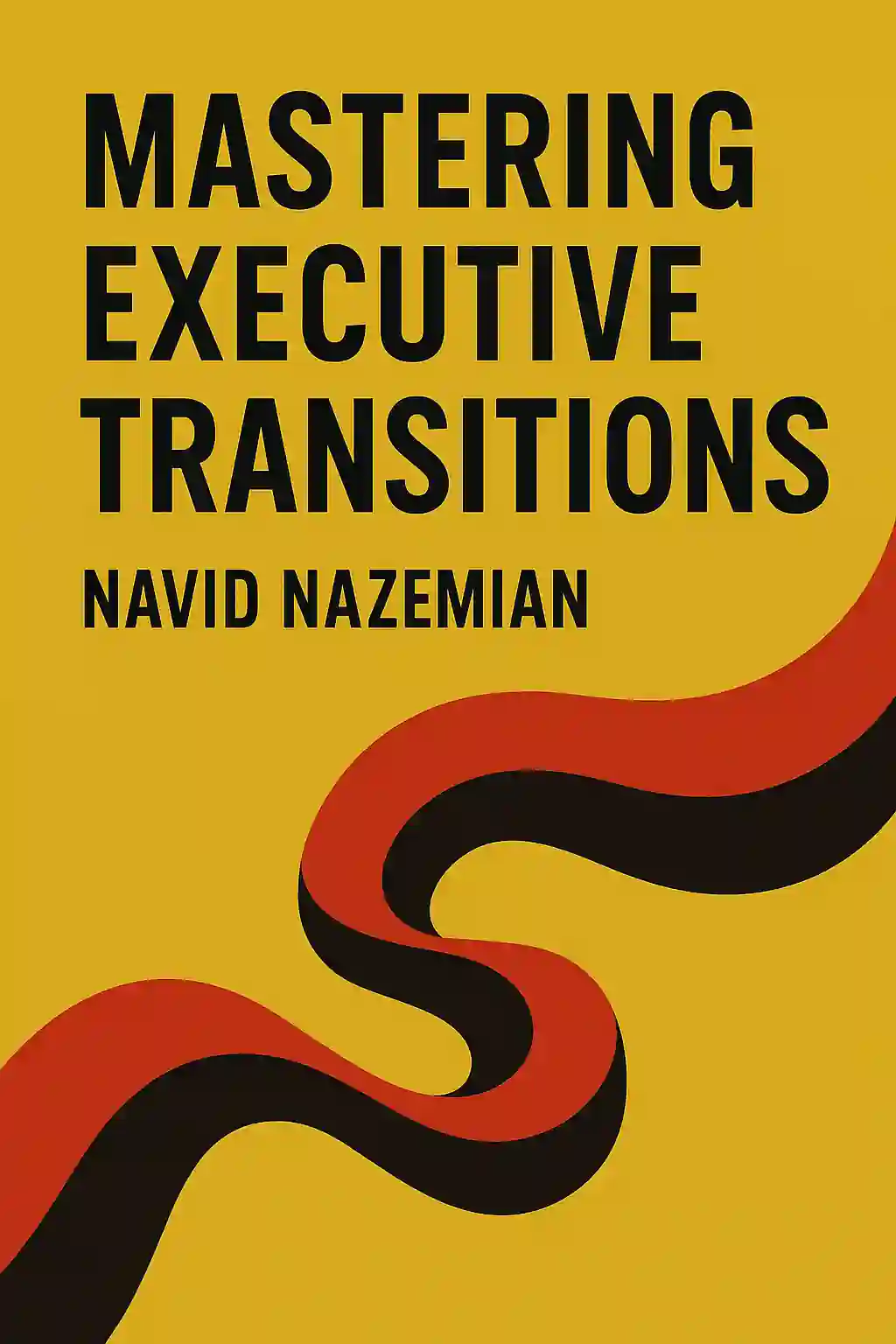
Lena: That makes so much sense. It's like being a scientist about your new environment. And I'm thinking about "Mastering Executive Transitions" here-it talks about how even seasoned leaders need to resist the "action imperative." Just because you can move fast doesn't mean you should.
Eli: Absolutely! But you also can't just sit back and observe forever. That's where the concept of early wins becomes so important. You need victories that build credibility but also demonstrate that you understand the new culture's values and priorities.
Lena: Let's dive into relationships, because I imagine this is one of the biggest adjustments. After ten years, you probably had this incredible network of people you could call for anything. Now you're starting from scratch.
Eli: It's like rebuilding your entire professional ecosystem! And "Fast Start" emphasizes that you should aim to connect with about 50 key people in your first 90 days. But it's not just about collecting business cards-you need to understand what makes each person tick and how they fit into the broader organizational puzzle.
Lena: That's a lot of coffee meetings! But I love the intentionality behind it. And here's something interesting from the research-your fresh perspective is actually one of your biggest assets right now. You're bringing ten years of experience from a different context, which can spark innovation.
Eli: Exactly! "Managing Transitions" talks about how the neutral zone-that in-between period where you're not fully settled yet-is actually prime time for creativity and breakthrough thinking. You're seeing things with fresh eyes that longtime employees might have stopped noticing.
Lena: So it's about finding that sweet spot between respecting what already works and bringing new ideas to the table. How do you do that without stepping on toes or seeming like you think you know better?
Eli: Great question! I think it comes down to approach and timing. From everything we've discussed, here are some concrete steps for our listeners who might be in similar situations.
Lena: Yes! First, give yourself permission to feel the emotional complexity of this transition. You're allowed to miss aspects of your old job while being excited about the new one. That's completely normal and healthy.
Eli: Second, become obsessively curious about your new environment. Ask questions like "What should I know about how to act here?" and "What's the biggest mistake someone in my position could make?" People love sharing insider knowledge, especially when you approach it with genuine humility.
Lena: And third-this is crucial-resist the urge to make comparisons out loud. Even if your previous company did something better, save those observations for later when you've built credibility and relationships.
Eli: Building on that, focus on securing early wins that align with your new company's values. If they prioritize collaboration, make sure your first victories involve bringing people together. If they value customer focus, find ways to directly impact customer satisfaction.
Lena: For everyone listening who's going through this kind of transition, remember that your decade of experience isn't irrelevant-it's just context that needs to be translated into a new language. You're not starting over; you're adapting and evolving.
Lena: So as we wrap things up, I keep coming back to this idea that starting at a new company after ten years elsewhere isn't just a career move-it's a complete reinvention opportunity.
Eli: That's beautifully put! And here's what I find most encouraging from all this research: the very skills that made you successful over those ten years-your ability to learn, adapt, and contribute-those are exactly what will serve you now. You're just applying them in a new context.
Lena: Right! And to our listeners going through this transition, remember that feeling like a beginner again isn't a step backward. It's actually a sign that you're growing and challenging yourself in ways that will make you even more valuable in the long run.
Eli: The question I'd leave everyone with is this: How can you use this fresh start to not just succeed in your new role, but to become the kind of leader and professional you've always wanted to be?
Lena: And on that note, remember that transitions are where transformation happens. Stay curious, stay humble, and trust the process. Keep those questions coming, and we'll see you next time!
Eli: Until then, embrace the adventure of starting fresh. You've got this!