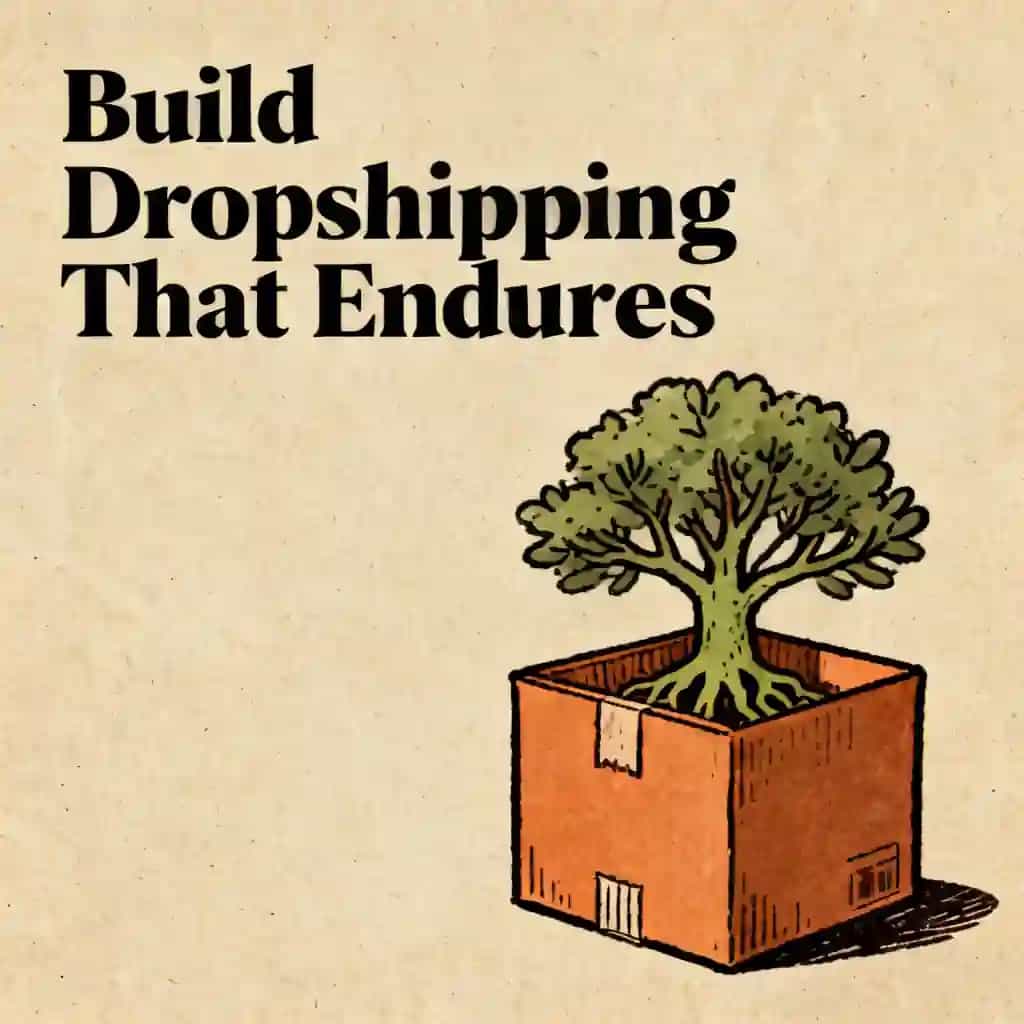
Start a T-shirt Brand With Zero Inventory
Think you need a warehouse to sell apparel? Learn how to use print-on-demand and AI tools to launch a profitable clothing brand with almost no risk.

Start a T-shirt Brand With Zero Inventory最佳语录
The cost of being wrong is almost zero, so you should be 'wrong' as often as possible until you find what’s 'right.' It’s about being a creative orchestrator rather than a solo artist.

此音频课程由 BeFreed 社区成员创建
Dropshipping with T Adda. Provide full details in a conversational format to help me build a clothing brand with them and start earning online.


常见问题
The print-on-demand model works by connecting a digital storefront, like Shopify, to a fulfillment partner through an API. Instead of buying stock upfront, the supplier only prints and ships a product after a customer has already paid for it. This setup allows the business owner to act as a creative director and marketer without the financial risk of "dead stock" or the need for a physical warehouse.
The choice of supplier impacts quality control and profit margins. Printful owns its own printing facilities, which generally offers more consistent quality control and premium features like custom "pack-ins" for branding. Printify operates as a network of over eighty different independent printers; while this often results in lower base costs and higher margins, it requires the seller to be more diligent in testing specific printers to ensure quality.
Trying to sell to everyone often results in a brand that speaks to no one. By focusing on a specific niche—such as "Fly fishing in Montana" or "Introvert Humor for Book Lovers"—a brand can tap into identity-based purchasing. Customers are more likely to pay a premium for apparel that signals their specific values, hobbies, or regional pride, allowing the seller to achieve higher profit margins than they would with generic designs.
Modern tools like Kittl and Canva provide pre-made templates that allow users to simply swap out text and layouts. Additionally, AI tools like Midjourney and DALL-E can generate high-quality vector-style art from simple text prompts. The script emphasizes that simplicity often wins in apparel design, and beginners can also outsource work to specialized designers on platforms like Fiverr to build their "asset library."
In India, Cash on Delivery (COD) remains a dominant payment method, representing up to sixty percent of fashion orders. This poses a significant risk for print-on-demand sellers because if a customer refuses the package at the door, the seller is still responsible for the production and shipping costs. To mitigate this "Return to Origin" (RTO) risk, sellers are encouraged to use automated tools like WhatsApp or IVR to confirm orders before they are printed.
发现更多

How to start selling online using AI
How to start selling online using AI
This learning plan is designed for aspiring entrepreneurs and small business owners looking to leverage cutting-edge technology for growth. It bridges the gap between traditional e-commerce and artificial intelligence, providing a practical roadmap to build a scalable, automated online business.

Build startup from zero
Build startup from zero
This comprehensive learning plan is designed for aspiring entrepreneurs, early-stage founders, and anyone looking to transform an idea into a viable, scalable business. Whether you're launching your first startup or want to approach entrepreneurship with a systematic, proven methodology, this path takes you from initial concept through fundraising and growth, equipping you with the frameworks used by successful founders worldwide.

Sell viral T-shirts via music & album drops
Sell viral T-shirts via music & album drops
In the modern creator economy, merging music distribution with strategic merchandising is the most effective way to build a sustainable career. This plan is designed for independent artists and music entrepreneurs who want to turn their creative output into a profitable, automated brand.

Set up a successful graphics/print shop
Set up a successful graphics/print shop
This plan is essential for aspiring entrepreneurs looking to bridge the gap between creative talent and profitable business ownership. It provides a comprehensive roadmap for anyone wanting to launch a professional graphics or print shop with sustainable operational systems.

Launch branded merch business for a cause
Launch branded merch business for a cause
This plan is designed for aspiring social entrepreneurs who want to turn their passion for a cause into a profitable merchandise brand. It provides a strategic roadmap from foundational impact design to advanced growth marketing for sustainable success.
Launch low-cost self-sustaining business
Launch low-cost self-sustaining business
This plan is essential for aspiring entrepreneurs who want to minimize financial risk while building a scalable company. It provides a practical roadmap for turning a lean idea into a profitable, automated business that doesn't rely on external funding.
Zero-Cost LLC Passive Income Strategies
Zero-Cost LLC Passive Income Strategies
This learning plan is essential for aspiring entrepreneurs who want to build a diversified portfolio without significant initial capital. It bridges the gap between legal business formation and practical wealth-building across digital and physical assets.
To grow my Etsy POD phone shop business
To grow my Etsy POD phone shop business
This learning plan is essential for aspiring entrepreneurs looking to enter the lucrative print-on-demand market with a focus on phone accessories. It provides a comprehensive roadmap for anyone wanting to build a scalable, design-led business on Etsy while mastering digital marketing and operational growth.
"Instead of endless scrolling, I just hit play on BeFreed. It saves me so much time."


"I never knew where to start with nonfiction—BeFreed’s book lists turned into podcasts gave me a clear path."


"Perfect balance between learning and entertainment. Finished ‘Thinking, Fast and Slow’ on my commute this week."
"Crazy how much I learned while walking the dog. BeFreed = small habits → big gains."
"Reading used to feel like a chore. Now it’s just part of my lifestyle."

"Feels effortless compared to reading. I’ve finished 6 books this month already."
"BeFreed turned my guilty doomscrolling into something that feels productive and inspiring."

"BeFreed turned my commute into learning time. 20-min podcasts are perfect for finishing books I never had time for."
"BeFreed replaced my podcast queue. Imagine Spotify for books — that’s it. 🙌"

"It is great for me to learn something from the book without reading it."
"The themed book list podcasts help me connect ideas across authors—like a guided audio journey."
"Makes me feel smarter every time before going to work"
"Instead of endless scrolling, I just hit play on BeFreed. It saves me so much time."
"I never knew where to start with nonfiction—BeFreed’s book lists turned into podcasts gave me a clear path."
"Perfect balance between learning and entertainment. Finished ‘Thinking, Fast and Slow’ on my commute this week."
"Crazy how much I learned while walking the dog. BeFreed = small habits → big gains."
"Reading used to feel like a chore. Now it’s just part of my lifestyle."
"Feels effortless compared to reading. I’ve finished 6 books this month already."
"BeFreed turned my guilty doomscrolling into something that feels productive and inspiring."
"BeFreed turned my commute into learning time. 20-min podcasts are perfect for finishing books I never had time for."
"BeFreed replaced my podcast queue. Imagine Spotify for books — that’s it. 🙌"
"It is great for me to learn something from the book without reading it."
"The themed book list podcasts help me connect ideas across authors—like a guided audio journey."
"Makes me feel smarter every time before going to work"
"Instead of endless scrolling, I just hit play on BeFreed. It saves me so much time."
"I never knew where to start with nonfiction—BeFreed’s book lists turned into podcasts gave me a clear path."
"Perfect balance between learning and entertainment. Finished ‘Thinking, Fast and Slow’ on my commute this week."
"Crazy how much I learned while walking the dog. BeFreed = small habits → big gains."
"Reading used to feel like a chore. Now it’s just part of my lifestyle."
"Feels effortless compared to reading. I’ve finished 6 books this month already."
"BeFreed turned my guilty doomscrolling into something that feels productive and inspiring."
"BeFreed turned my commute into learning time. 20-min podcasts are perfect for finishing books I never had time for."
"BeFreed replaced my podcast queue. Imagine Spotify for books — that’s it. 🙌"
"It is great for me to learn something from the book without reading it."
"The themed book list podcasts help me connect ideas across authors—like a guided audio journey."
"Makes me feel smarter every time before going to work"
"Instead of endless scrolling, I just hit play on BeFreed. It saves me so much time."
"I never knew where to start with nonfiction—BeFreed’s book lists turned into podcasts gave me a clear path."
"Perfect balance between learning and entertainment. Finished ‘Thinking, Fast and Slow’ on my commute this week."
"Crazy how much I learned while walking the dog. BeFreed = small habits → big gains."
"Reading used to feel like a chore. Now it’s just part of my lifestyle."
"Feels effortless compared to reading. I’ve finished 6 books this month already."
"BeFreed turned my guilty doomscrolling into something that feels productive and inspiring."
"BeFreed turned my commute into learning time. 20-min podcasts are perfect for finishing books I never had time for."
"BeFreed replaced my podcast queue. Imagine Spotify for books — that’s it. 🙌"
"It is great for me to learn something from the book without reading it."
"The themed book list podcasts help me connect ideas across authors—like a guided audio journey."
"Makes me feel smarter every time before going to work"