Small Business Trends and Emerging Technologies for Growth
Explore the latest small business trends and emerging technologies. Learn how to leverage innovation, adapt to change, and gain a competitive advantage for growth.

Small Business Trends and Emerging Technologies for Growth最佳语录
AI isn't replacing the human connection; it’s amplifying it. It should take the boring stuff off your plate so you can focus on the work you actually enjoy and the things that require empathy and judgment.
Generated by VIKASH KUMAR JAIN
This subtopic will explore the latest emerging trends and technologies that are shaping the small business landscape, including how to stay ahead of the curve, adapt to change, and leverage innovation to drive growth and competitiveness.

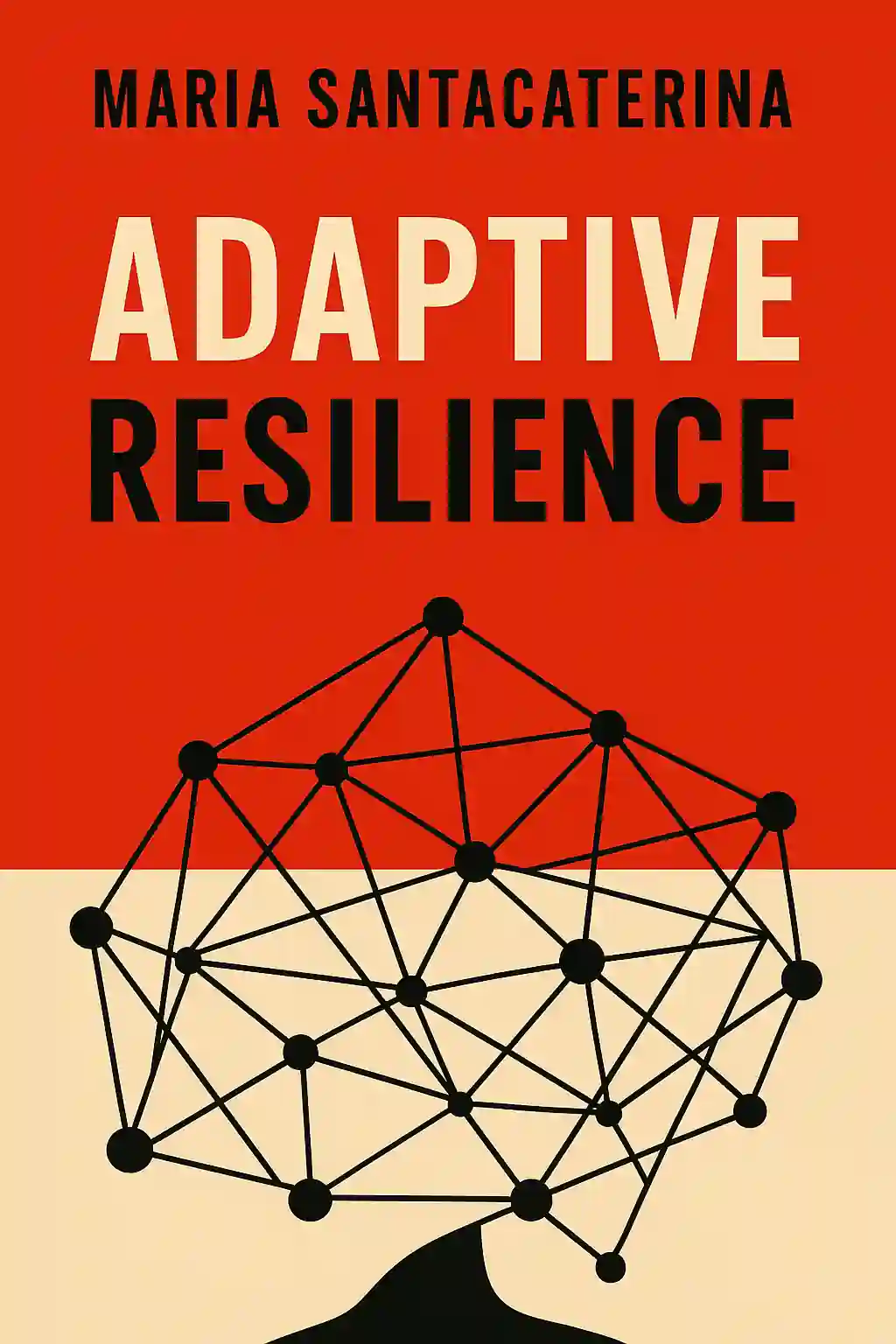
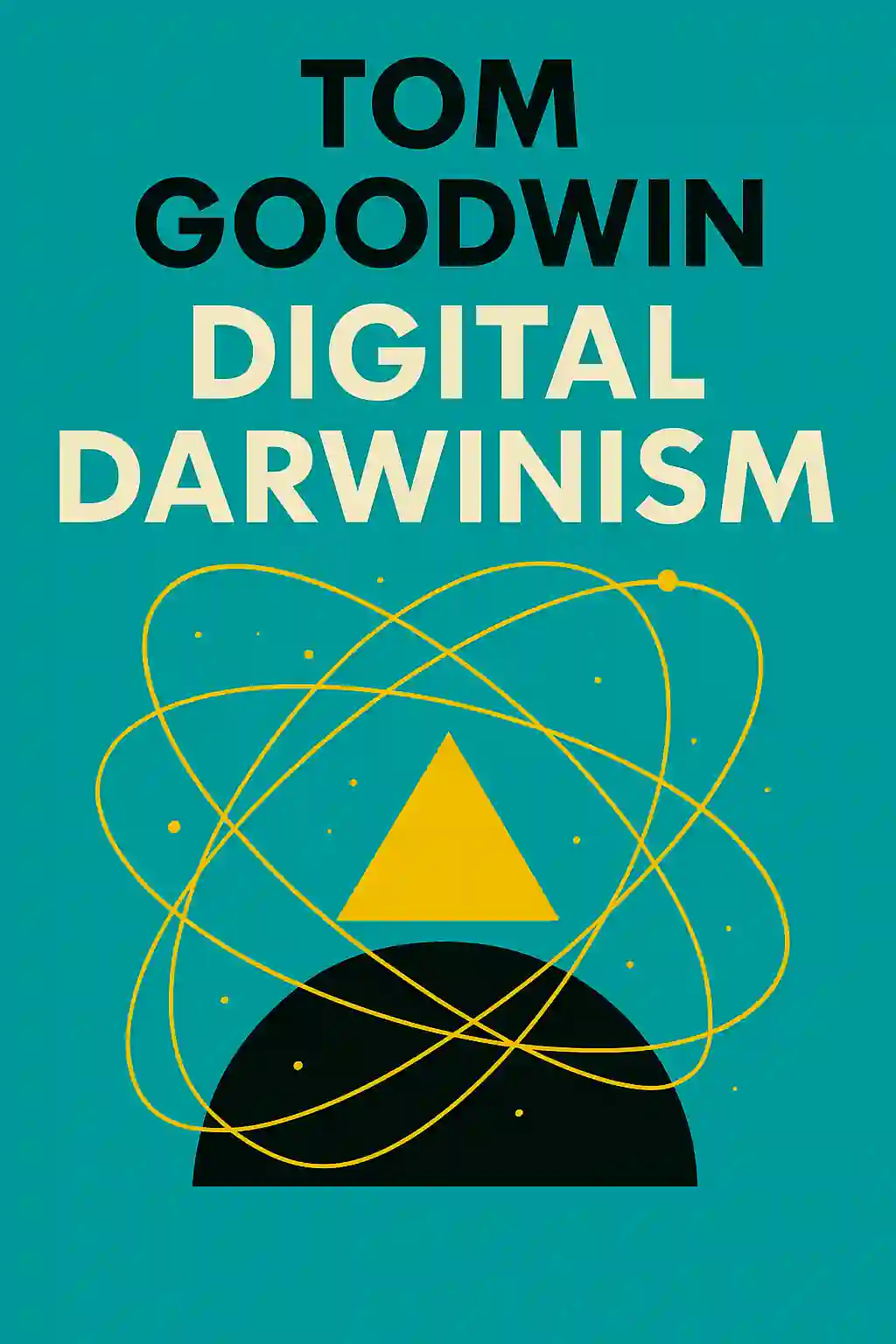
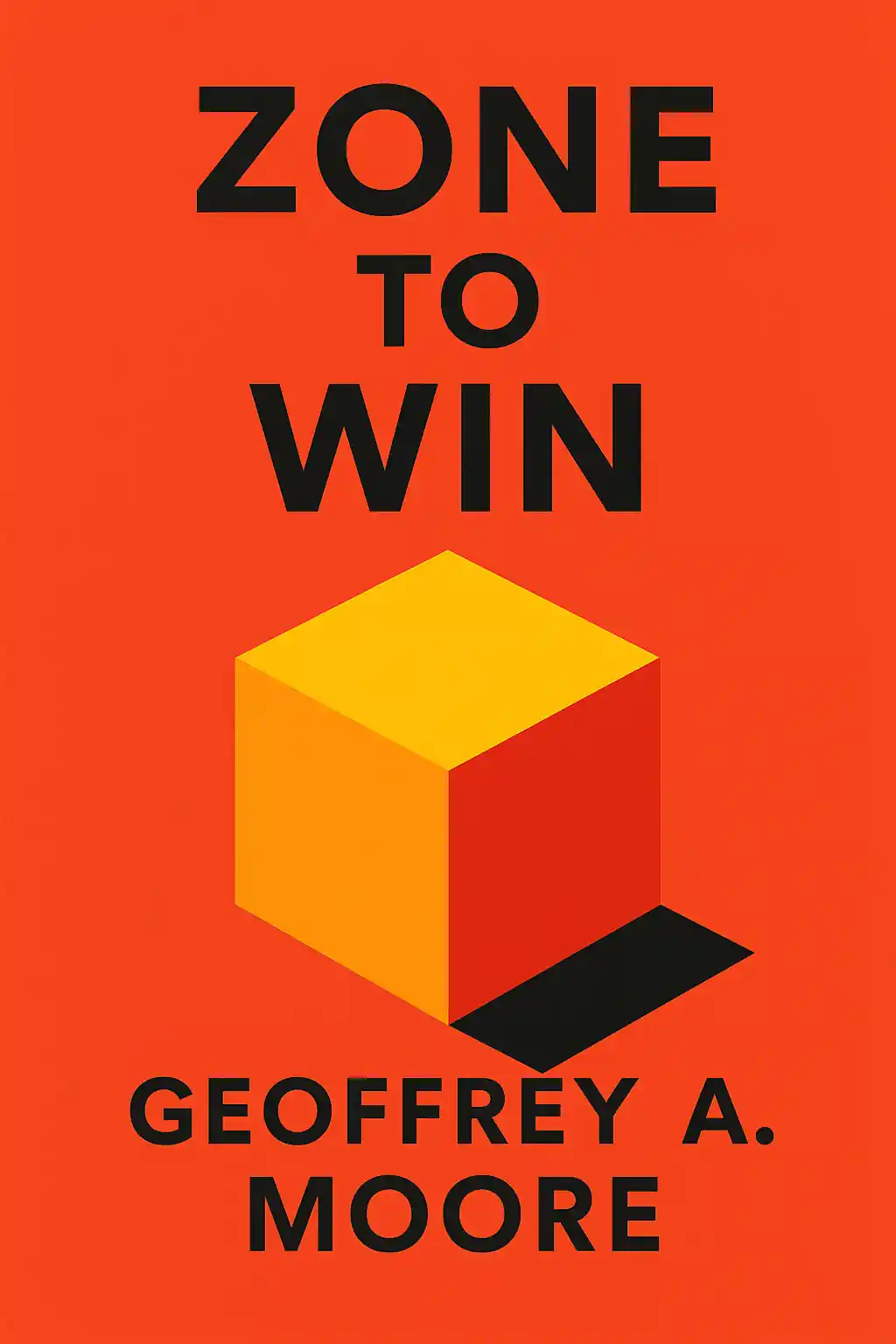
常见问题
The current small business landscape is rapidly evolving, with a heavy focus on digital transformation and business innovation. Key trends include the integration of emerging technologies to streamline operations and the ability to adapt to changing consumer behaviors. By staying ahead of these shifts, small businesses can identify new opportunities for growth and ensure they remain relevant in an increasingly competitive market.
Emerging technologies provide small businesses with the tools necessary to scale efficiently and improve productivity. By adopting innovative solutions, companies can automate routine tasks, enhance customer experiences, and make data-driven decisions. Leveraging these technologies allows smaller players to compete with larger corporations, ultimately driving small business growth and creating a sustainable competitive advantage in their specific industry.
Adapting to change is essential because the business landscape is constantly shifting due to economic factors and technological advancements. Small businesses that remain flexible can pivot their strategies to meet new challenges and seize emerging opportunities. This adaptability not only protects the business from market volatility but also fosters a culture of innovation that is necessary for long-term survival and competitiveness.
Gaining a competitive advantage requires a proactive approach to business innovation and the strategic use of new tools. By implementing unique processes or adopting cutting-edge emerging technologies before competitors do, a small business can differentiate its offerings. This forward-thinking mindset helps businesses stay ahead of the curve, attract more customers, and establish a stronger position within the modern small business landscape.
"Instead of endless scrolling, I just hit play on BeFreed. It saves me so much time."


"I never knew where to start with nonfiction—BeFreed’s book lists turned into podcasts gave me a clear path."


"Perfect balance between learning and entertainment. Finished ‘Thinking, Fast and Slow’ on my commute this week."
"Crazy how much I learned while walking the dog. BeFreed = small habits → big gains."
"Reading used to feel like a chore. Now it’s just part of my lifestyle."

"Feels effortless compared to reading. I’ve finished 6 books this month already."
"BeFreed turned my guilty doomscrolling into something that feels productive and inspiring."

"BeFreed turned my commute into learning time. 20-min podcasts are perfect for finishing books I never had time for."
"BeFreed replaced my podcast queue. Imagine Spotify for books — that’s it. 🙌"

"It is great for me to learn something from the book without reading it."
"The themed book list podcasts help me connect ideas across authors—like a guided audio journey."
"Makes me feel smarter every time before going to work"
"Instead of endless scrolling, I just hit play on BeFreed. It saves me so much time."
"I never knew where to start with nonfiction—BeFreed’s book lists turned into podcasts gave me a clear path."
"Perfect balance between learning and entertainment. Finished ‘Thinking, Fast and Slow’ on my commute this week."
"Crazy how much I learned while walking the dog. BeFreed = small habits → big gains."
"Reading used to feel like a chore. Now it’s just part of my lifestyle."
"Feels effortless compared to reading. I’ve finished 6 books this month already."
"BeFreed turned my guilty doomscrolling into something that feels productive and inspiring."
"BeFreed turned my commute into learning time. 20-min podcasts are perfect for finishing books I never had time for."
"BeFreed replaced my podcast queue. Imagine Spotify for books — that’s it. 🙌"
"It is great for me to learn something from the book without reading it."
"The themed book list podcasts help me connect ideas across authors—like a guided audio journey."
"Makes me feel smarter every time before going to work"
"Instead of endless scrolling, I just hit play on BeFreed. It saves me so much time."
"I never knew where to start with nonfiction—BeFreed’s book lists turned into podcasts gave me a clear path."
"Perfect balance between learning and entertainment. Finished ‘Thinking, Fast and Slow’ on my commute this week."
"Crazy how much I learned while walking the dog. BeFreed = small habits → big gains."
"Reading used to feel like a chore. Now it’s just part of my lifestyle."
"Feels effortless compared to reading. I’ve finished 6 books this month already."
"BeFreed turned my guilty doomscrolling into something that feels productive and inspiring."
"BeFreed turned my commute into learning time. 20-min podcasts are perfect for finishing books I never had time for."
"BeFreed replaced my podcast queue. Imagine Spotify for books — that’s it. 🙌"
"It is great for me to learn something from the book without reading it."
"The themed book list podcasts help me connect ideas across authors—like a guided audio journey."
"Makes me feel smarter every time before going to work"
"Instead of endless scrolling, I just hit play on BeFreed. It saves me so much time."
"I never knew where to start with nonfiction—BeFreed’s book lists turned into podcasts gave me a clear path."
"Perfect balance between learning and entertainment. Finished ‘Thinking, Fast and Slow’ on my commute this week."
"Crazy how much I learned while walking the dog. BeFreed = small habits → big gains."
"Reading used to feel like a chore. Now it’s just part of my lifestyle."
"Feels effortless compared to reading. I’ve finished 6 books this month already."
"BeFreed turned my guilty doomscrolling into something that feels productive and inspiring."
"BeFreed turned my commute into learning time. 20-min podcasts are perfect for finishing books I never had time for."
"BeFreed replaced my podcast queue. Imagine Spotify for books — that’s it. 🙌"
"It is great for me to learn something from the book without reading it."
"The themed book list podcasts help me connect ideas across authors—like a guided audio journey."
"Makes me feel smarter every time before going to work"