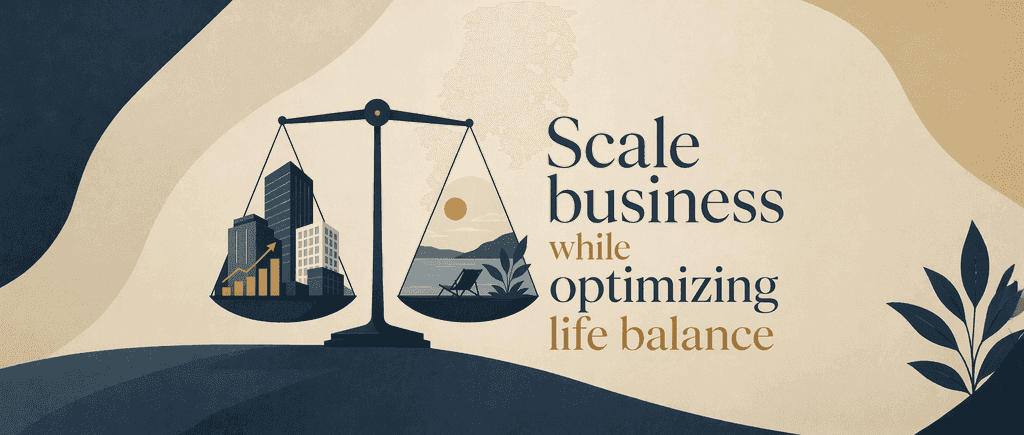
Scaling and Operations in Indian Startups: Growth Strategies
Explore strategies for scaling and operations in Indian startups. Learn how to manage growth, streamline processes, and maintain efficiency amid challenges.

Scaling and Operations in Indian Startups: Growth Strategies最佳语录
Scaling isn't just about more revenue; it's about increasing that revenue without a proportional spike in costs by building systems that absorb growth without breaking.
Generated by VIKASH KUMAR JAIN
Examining the challenges and opportunities of scaling and operations in Indian startups, including strategies for managing growth, streamlining processes, and maintaining efficiency.



常见问题
Scaling operations in Indian startups involves navigating unique challenges such as managing rapid growth while maintaining operational efficiency. Startups often struggle with streamlining processes and adapting their internal structures to meet increasing demand. By focusing on business scaling strategies, founders can address these hurdles, ensuring that their infrastructure supports long-term expansion without sacrificing the quality of their services or products.
Improving growth management requires a dual focus on process streamlining and operational efficiency. Indian startups can achieve this by implementing clear strategies that prioritize resource allocation and workflow optimization. By examining successful scaling and operations models, businesses can identify bottlenecks early and adopt scalable solutions that allow them to grow sustainably while keeping their core operations lean and effective.
Effective strategies for streamlining processes include automating repetitive tasks and refining internal communication channels to boost operational efficiency. For Indian startups, this often means adopting flexible business scaling strategies that can evolve as the company grows. By focusing on growth management and reducing operational friction, startups can better navigate the complexities of the Indian market and maintain a competitive edge during periods of rapid expansion.
"Instead of endless scrolling, I just hit play on BeFreed. It saves me so much time."


"I never knew where to start with nonfiction—BeFreed’s book lists turned into podcasts gave me a clear path."


"Perfect balance between learning and entertainment. Finished ‘Thinking, Fast and Slow’ on my commute this week."
"Crazy how much I learned while walking the dog. BeFreed = small habits → big gains."
"Reading used to feel like a chore. Now it’s just part of my lifestyle."

"Feels effortless compared to reading. I’ve finished 6 books this month already."
"BeFreed turned my guilty doomscrolling into something that feels productive and inspiring."

"BeFreed turned my commute into learning time. 20-min podcasts are perfect for finishing books I never had time for."
"BeFreed replaced my podcast queue. Imagine Spotify for books — that’s it. 🙌"

"It is great for me to learn something from the book without reading it."
"The themed book list podcasts help me connect ideas across authors—like a guided audio journey."
"Makes me feel smarter every time before going to work"
"Instead of endless scrolling, I just hit play on BeFreed. It saves me so much time."
"I never knew where to start with nonfiction—BeFreed’s book lists turned into podcasts gave me a clear path."
"Perfect balance between learning and entertainment. Finished ‘Thinking, Fast and Slow’ on my commute this week."
"Crazy how much I learned while walking the dog. BeFreed = small habits → big gains."
"Reading used to feel like a chore. Now it’s just part of my lifestyle."
"Feels effortless compared to reading. I’ve finished 6 books this month already."
"BeFreed turned my guilty doomscrolling into something that feels productive and inspiring."
"BeFreed turned my commute into learning time. 20-min podcasts are perfect for finishing books I never had time for."
"BeFreed replaced my podcast queue. Imagine Spotify for books — that’s it. 🙌"
"It is great for me to learn something from the book without reading it."
"The themed book list podcasts help me connect ideas across authors—like a guided audio journey."
"Makes me feel smarter every time before going to work"
"Instead of endless scrolling, I just hit play on BeFreed. It saves me so much time."
"I never knew where to start with nonfiction—BeFreed’s book lists turned into podcasts gave me a clear path."
"Perfect balance between learning and entertainment. Finished ‘Thinking, Fast and Slow’ on my commute this week."
"Crazy how much I learned while walking the dog. BeFreed = small habits → big gains."
"Reading used to feel like a chore. Now it’s just part of my lifestyle."
"Feels effortless compared to reading. I’ve finished 6 books this month already."
"BeFreed turned my guilty doomscrolling into something that feels productive and inspiring."
"BeFreed turned my commute into learning time. 20-min podcasts are perfect for finishing books I never had time for."
"BeFreed replaced my podcast queue. Imagine Spotify for books — that’s it. 🙌"
"It is great for me to learn something from the book without reading it."
"The themed book list podcasts help me connect ideas across authors—like a guided audio journey."
"Makes me feel smarter every time before going to work"
"Instead of endless scrolling, I just hit play on BeFreed. It saves me so much time."
"I never knew where to start with nonfiction—BeFreed’s book lists turned into podcasts gave me a clear path."
"Perfect balance between learning and entertainment. Finished ‘Thinking, Fast and Slow’ on my commute this week."
"Crazy how much I learned while walking the dog. BeFreed = small habits → big gains."
"Reading used to feel like a chore. Now it’s just part of my lifestyle."
"Feels effortless compared to reading. I’ve finished 6 books this month already."
"BeFreed turned my guilty doomscrolling into something that feels productive and inspiring."
"BeFreed turned my commute into learning time. 20-min podcasts are perfect for finishing books I never had time for."
"BeFreed replaced my podcast queue. Imagine Spotify for books — that’s it. 🙌"
"It is great for me to learn something from the book without reading it."
"The themed book list podcasts help me connect ideas across authors—like a guided audio journey."
"Makes me feel smarter every time before going to work"


![[18b3c7bb-ea33-4646-b158-c7f7bfe0810b:c0000] Cliff_Weitzman_@_Speechify.pdf p1-1](/_next/image?url=https%3A%2F%2Fd1y2du6z1jfm9e.cloudfront.net%2Fassets%2Fpodcast%2Fblue.png&w=1024&q=50)
![[18b3c7bb-ea33-4646-b158-c7f7bfe0810b:c0001] Cliff_Weitzman_@_Speechify.pdf p1-1](/_next/image?url=https%3A%2F%2Fd1y2du6z1jfm9e.cloudfront.net%2Fassets%2Fpodcast%2Fpurple.png&w=1024&q=50)
![[18b3c7bb-ea33-4646-b158-c7f7bfe0810b:c0002] Cliff_Weitzman_@_Speechify.pdf p1-1](/_next/image?url=https%3A%2F%2Fd1y2du6z1jfm9e.cloudfront.net%2Fassets%2Fpodcast%2Fgreen.png&w=1024&q=50)