Reducing alcohol and how your body heals
Heavy drinking takes a toll, but your body can recover. Learn how your sleep, liver, and brain reset as you navigate the timeline of physical healing.

Reducing alcohol and how your body heals最佳语录
It’s like a scale that’s had a heavy weight on one side for years—when you take that weight off, the other side flies up into the air. That 'flying up' is what scientists call the glutamate rebound, where you’re left with a brain that is temporarily hyper-aroused.
Generated by Paul
Tell me about after drinking some heavily for most of your life what kind of changes happen when you drastically reduce your alcohol intake the good the bad and things you can do to take its place physical mental effects and recovery as far as your health

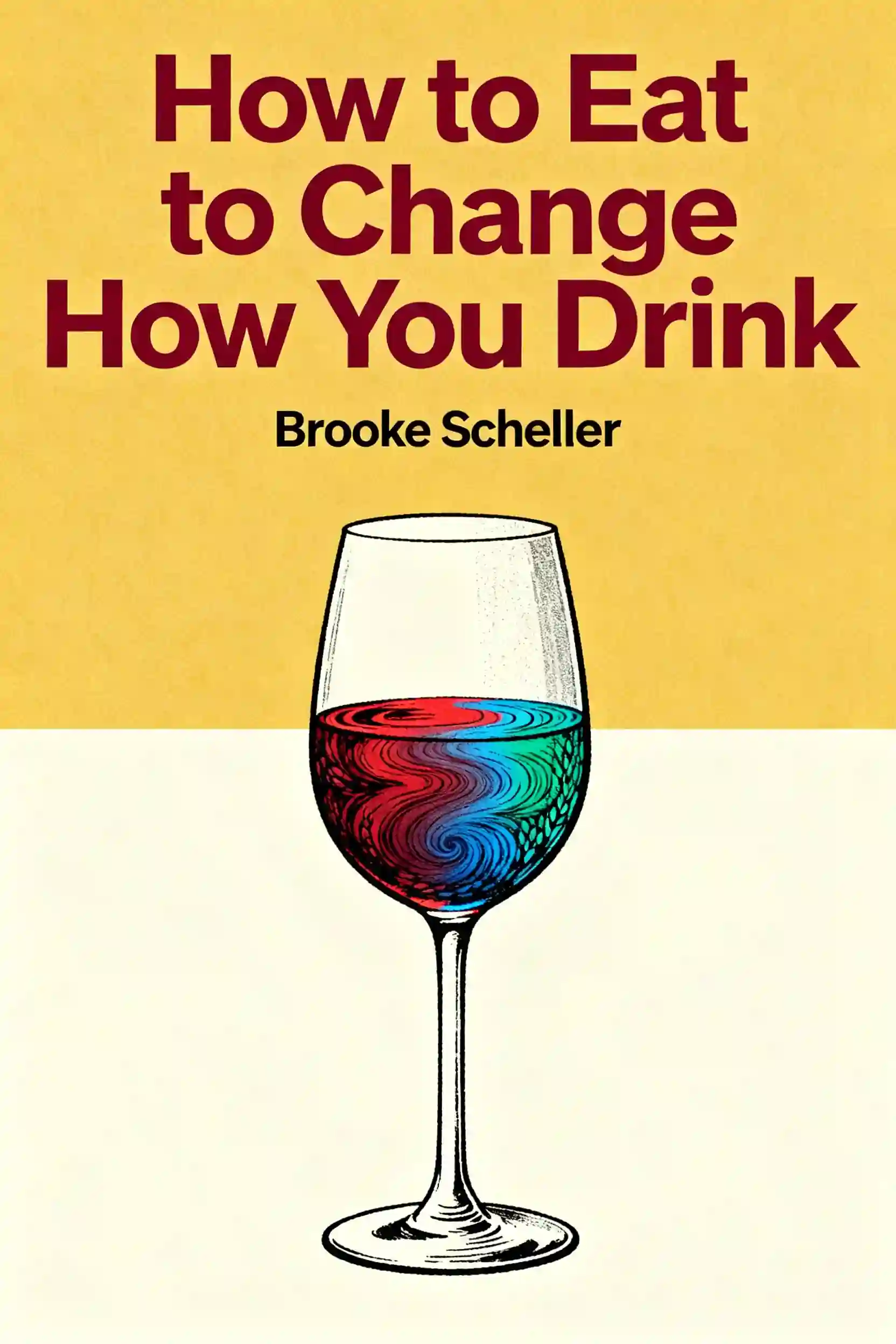
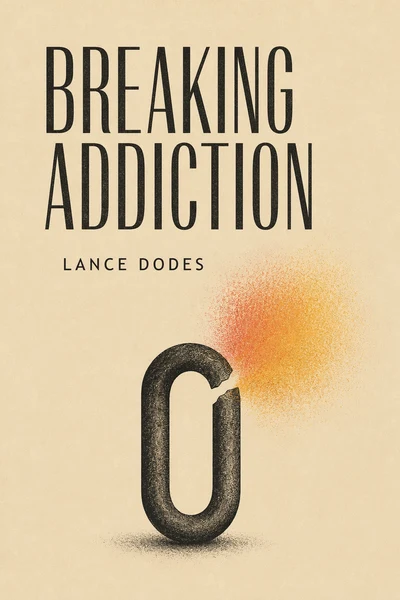
常见问题
While alcohol acts as a sedative that helps you fall asleep faster, it significantly disrupts the quality of that rest. Consuming alcohol reduces restorative REM sleep by up to 24%, which is why people often wake up feeling drained. As the body begins to reset, it takes time for the "sleep architecture" to normalize, and some individuals may experience lingering sleep disturbances for a few months before achieving deep, restorative sleep cycles.
The glutamate rebound occurs because alcohol artificially boosts GABA, a calming chemical, and suppresses glutamate, an exciting chemical. When a heavy drinker suddenly stops, the brain—which has rewired itself to expect a sedative—becomes temporarily hyper-aroused. This leads to a period of "quiet discomfort" characterized by restlessness, irritability, anxiety, and headaches, and in severe cases, can lead to dangerous medical risks like seizures or delirium tremens.
Yes, the brain possesses remarkable neuroplasticity and can physically rebuild itself. Chronic drinking often causes shrinkage in the frontal cortex, which handles decision-making, and the hippocampus, which manages memory. Research shows that within six months to a year of sustained sobriety, much of this volume loss can reverse, and cognitive improvements in focus and memory can be measured in as little as eighteen days.
Moderation often requires constant mental negotiation and "white-knuckling," which keeps reward-learning pathways in the brain alive. Every time a person has "just one" drink to manage stress, they reinforce the neurological association between alcohol and relief. Complete abstinence can be a simpler path because it ends the internal tug-of-war and allows the brain’s dopamine and serotonin systems to fully recalibrate without being repeatedly hijacked.
Nutrition and exercise provide the physical raw materials and stimulation needed for cellular repair. B-vitamins, particularly thiamine, and Omega-3s act as a "construction crew" for brain repair, while aerobic exercise promotes neurogenesis, the creation of new neurons in the hippocampus. These lifestyle factors help strengthen the brain's "brakes" and manage the spikes in anxiety that are common during the early stages of recovery.
由哥伦比亚大学校友在旧金山创建
"Instead of endless scrolling, I just hit play on BeFreed. It saves me so much time."


"I never knew where to start with nonfiction—BeFreed’s book lists turned into podcasts gave me a clear path."


"Perfect balance between learning and entertainment. Finished ‘Thinking, Fast and Slow’ on my commute this week."
"Crazy how much I learned while walking the dog. BeFreed = small habits → big gains."
"Reading used to feel like a chore. Now it’s just part of my lifestyle."

"Feels effortless compared to reading. I’ve finished 6 books this month already."
"BeFreed turned my guilty doomscrolling into something that feels productive and inspiring."

"BeFreed turned my commute into learning time. 20-min podcasts are perfect for finishing books I never had time for."
"BeFreed replaced my podcast queue. Imagine Spotify for books — that’s it. 🙌"

"It is great for me to learn something from the book without reading it."
"The themed book list podcasts help me connect ideas across authors—like a guided audio journey."
"Makes me feel smarter every time before going to work"
 Ask ChatGPT
 Ask Claude
由哥伦比亚大学校友在旧金山创建
"Instead of endless scrolling, I just hit play on BeFreed. It saves me so much time."
"I never knew where to start with nonfiction—BeFreed’s book lists turned into podcasts gave me a clear path."
"Perfect balance between learning and entertainment. Finished ‘Thinking, Fast and Slow’ on my commute this week."
"Crazy how much I learned while walking the dog. BeFreed = small habits → big gains."
"Reading used to feel like a chore. Now it’s just part of my lifestyle."
"Feels effortless compared to reading. I’ve finished 6 books this month already."
"BeFreed turned my guilty doomscrolling into something that feels productive and inspiring."
"BeFreed turned my commute into learning time. 20-min podcasts are perfect for finishing books I never had time for."
"BeFreed replaced my podcast queue. Imagine Spotify for books — that’s it. 🙌"
"It is great for me to learn something from the book without reading it."
"The themed book list podcasts help me connect ideas across authors—like a guided audio journey."
"Makes me feel smarter every time before going to work"
"Instead of endless scrolling, I just hit play on BeFreed. It saves me so much time."
"I never knew where to start with nonfiction—BeFreed’s book lists turned into podcasts gave me a clear path."
"Perfect balance between learning and entertainment. Finished ‘Thinking, Fast and Slow’ on my commute this week."
"Crazy how much I learned while walking the dog. BeFreed = small habits → big gains."
"Reading used to feel like a chore. Now it’s just part of my lifestyle."
"Feels effortless compared to reading. I’ve finished 6 books this month already."
"BeFreed turned my guilty doomscrolling into something that feels productive and inspiring."
"BeFreed turned my commute into learning time. 20-min podcasts are perfect for finishing books I never had time for."
"BeFreed replaced my podcast queue. Imagine Spotify for books — that’s it. 🙌"
"It is great for me to learn something from the book without reading it."
"The themed book list podcasts help me connect ideas across authors—like a guided audio journey."
"Makes me feel smarter every time before going to work"
"Instead of endless scrolling, I just hit play on BeFreed. It saves me so much time."
"I never knew where to start with nonfiction—BeFreed’s book lists turned into podcasts gave me a clear path."
"Perfect balance between learning and entertainment. Finished ‘Thinking, Fast and Slow’ on my commute this week."
"Crazy how much I learned while walking the dog. BeFreed = small habits → big gains."
"Reading used to feel like a chore. Now it’s just part of my lifestyle."
"Feels effortless compared to reading. I’ve finished 6 books this month already."
"BeFreed turned my guilty doomscrolling into something that feels productive and inspiring."
"BeFreed turned my commute into learning time. 20-min podcasts are perfect for finishing books I never had time for."
"BeFreed replaced my podcast queue. Imagine Spotify for books — that’s it. 🙌"
"It is great for me to learn something from the book without reading it."
"The themed book list podcasts help me connect ideas across authors—like a guided audio journey."
"Makes me feel smarter every time before going to work"