Public speaking fear is more natural than you think
Struggling with presentation nerves? Learn why your brain reacts this way and how to use mental rehearsal and VR to build authentic confidence.

Public speaking fear is more natural than you think最佳语录
The difference between anxiety and excitement is all in how you label it. When you reframe nervous energy as excitement, you shift the mindset from 'threat' to 'challenge,' telling your brain that the adrenaline is fuel for a great performance rather than a sign of impending doom.
Generated by Erica Boland
Overcome fear of public speaking

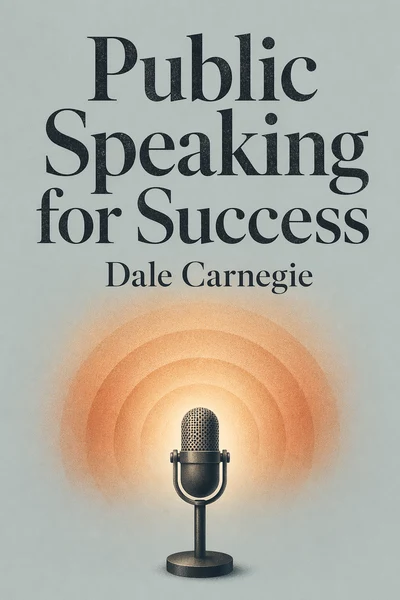
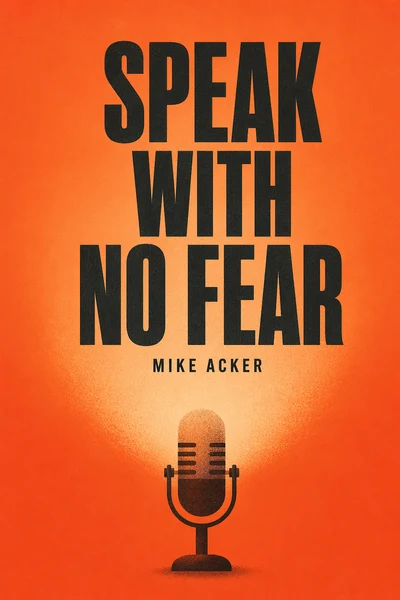
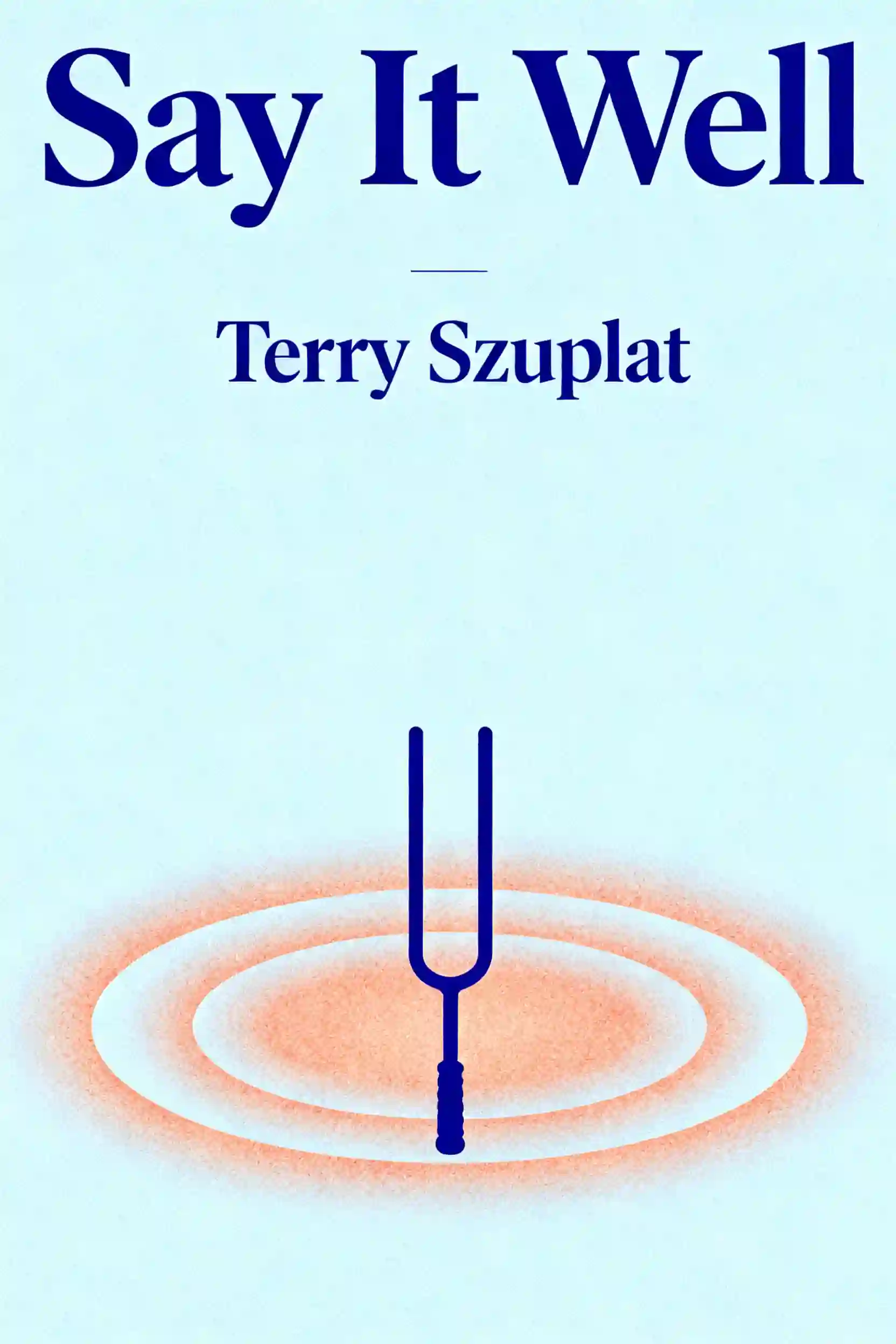
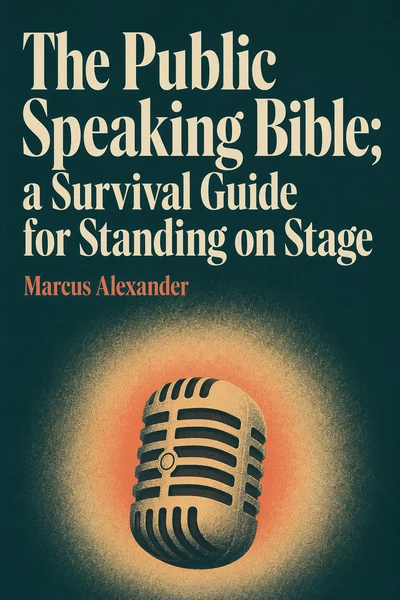
常见问题
This reaction is caused by a biological "glitch" where modern social situations trigger prehistoric survival software. Research from 2026 indicates that glossophobia involves hyperactivation in the amygdala—the brain's smoke detector—which perceives an audience as a "social threat." This triggers a fight-or-flight response, flooding the body with adrenaline and cortisol. Historically, being rejected by a social group was a death sentence for primates, so your nervous system is physically trying to protect you from the perceived danger of being judged.
Actually, trying to force yourself to be calm can be counterproductive because anxiety is a high-arousal state, while calmness is low-arousal. It is often more effective to use "anxiety reappraisal" by labeling the physical surge as excitement. Since the physical symptoms of anxiety and excitement—such as a racing heart and heightened alertness—are identical, telling yourself "I am excited" reframes the energy as fuel for a great performance rather than a sign of doom.
Virtual Reality Exposure Therapy (VRET) provides a "safe to fail" sandbox where speakers can face their fears without real-world stakes. Using platforms like PsyTechVR, users can practice in realistic digital environments, such as conference halls or meeting rooms, with virtual audiences that can even simulate distractions or disapproving faces. This "graduated exposure" helps the brain engage in extinction learning, eventually teaching the amygdala that the speaking environment is not actually dangerous.
The 4-7-8 technique is a "pattern interrupt" designed to hack the nervous system. You breathe in for four seconds, hold for seven, and exhale for eight. The long exhale is the most critical part because it sends a direct signal to the parasympathetic nervous system—the "rest and digest" system—that you are not in a life-or-death struggle. It is physically impossible for the body to maintain a peak fight-or-flight response while breathing slowly and deeply, which helps lower the heart rate and clear the mind.
Instead of apologizing profusely, which can draw more attention to the mistake, you should use a "recovery protocol." This involves taking a purposeful pause, checking your notes, and moving on. The script suggests that a brief silence can actually be a "power move" that gives the audience time to digest information. By focusing on being a "helpful communicator" rather than a "perfect performer," you can treat small stumbles as humanizing moments rather than disasters.
"Instead of endless scrolling, I just hit play on BeFreed. It saves me so much time."


"I never knew where to start with nonfiction—BeFreed’s book lists turned into podcasts gave me a clear path."


"Perfect balance between learning and entertainment. Finished ‘Thinking, Fast and Slow’ on my commute this week."
"Crazy how much I learned while walking the dog. BeFreed = small habits → big gains."
"Reading used to feel like a chore. Now it’s just part of my lifestyle."

"Feels effortless compared to reading. I’ve finished 6 books this month already."
"BeFreed turned my guilty doomscrolling into something that feels productive and inspiring."

"BeFreed turned my commute into learning time. 20-min podcasts are perfect for finishing books I never had time for."
"BeFreed replaced my podcast queue. Imagine Spotify for books — that’s it. 🙌"

"It is great for me to learn something from the book without reading it."
"The themed book list podcasts help me connect ideas across authors—like a guided audio journey."
"Makes me feel smarter every time before going to work"
"Instead of endless scrolling, I just hit play on BeFreed. It saves me so much time."
"I never knew where to start with nonfiction—BeFreed’s book lists turned into podcasts gave me a clear path."
"Perfect balance between learning and entertainment. Finished ‘Thinking, Fast and Slow’ on my commute this week."
"Crazy how much I learned while walking the dog. BeFreed = small habits → big gains."
"Reading used to feel like a chore. Now it’s just part of my lifestyle."
"Feels effortless compared to reading. I’ve finished 6 books this month already."
"BeFreed turned my guilty doomscrolling into something that feels productive and inspiring."
"BeFreed turned my commute into learning time. 20-min podcasts are perfect for finishing books I never had time for."
"BeFreed replaced my podcast queue. Imagine Spotify for books — that’s it. 🙌"
"It is great for me to learn something from the book without reading it."
"The themed book list podcasts help me connect ideas across authors—like a guided audio journey."
"Makes me feel smarter every time before going to work"
"Instead of endless scrolling, I just hit play on BeFreed. It saves me so much time."
"I never knew where to start with nonfiction—BeFreed’s book lists turned into podcasts gave me a clear path."
"Perfect balance between learning and entertainment. Finished ‘Thinking, Fast and Slow’ on my commute this week."
"Crazy how much I learned while walking the dog. BeFreed = small habits → big gains."
"Reading used to feel like a chore. Now it’s just part of my lifestyle."
"Feels effortless compared to reading. I’ve finished 6 books this month already."
"BeFreed turned my guilty doomscrolling into something that feels productive and inspiring."
"BeFreed turned my commute into learning time. 20-min podcasts are perfect for finishing books I never had time for."
"BeFreed replaced my podcast queue. Imagine Spotify for books — that’s it. 🙌"
"It is great for me to learn something from the book without reading it."
"The themed book list podcasts help me connect ideas across authors—like a guided audio journey."
"Makes me feel smarter every time before going to work"
"Instead of endless scrolling, I just hit play on BeFreed. It saves me so much time."
"I never knew where to start with nonfiction—BeFreed’s book lists turned into podcasts gave me a clear path."
"Perfect balance between learning and entertainment. Finished ‘Thinking, Fast and Slow’ on my commute this week."
"Crazy how much I learned while walking the dog. BeFreed = small habits → big gains."
"Reading used to feel like a chore. Now it’s just part of my lifestyle."
"Feels effortless compared to reading. I’ve finished 6 books this month already."
"BeFreed turned my guilty doomscrolling into something that feels productive and inspiring."
"BeFreed turned my commute into learning time. 20-min podcasts are perfect for finishing books I never had time for."
"BeFreed replaced my podcast queue. Imagine Spotify for books — that’s it. 🙌"
"It is great for me to learn something from the book without reading it."
"The themed book list podcasts help me connect ideas across authors—like a guided audio journey."
"Makes me feel smarter every time before going to work"