Indian Stock Market Indices: Analyzing Sensex and Nifty Trends
Explore Indian stock market indices like Sensex and Nifty. Learn to analyze market trends and patterns to make informed investment decisions in India.

Indian Stock Market Indices: Analyzing Sensex and Nifty Trends最佳语录
The Nifty 50 isn't just a list of stocks—it’s a reflection of the entire Indian economy. When you invest in these indices, you’re essentially betting on India’s long-term growth story.
Generated by VIKASH KUMAR JAIN
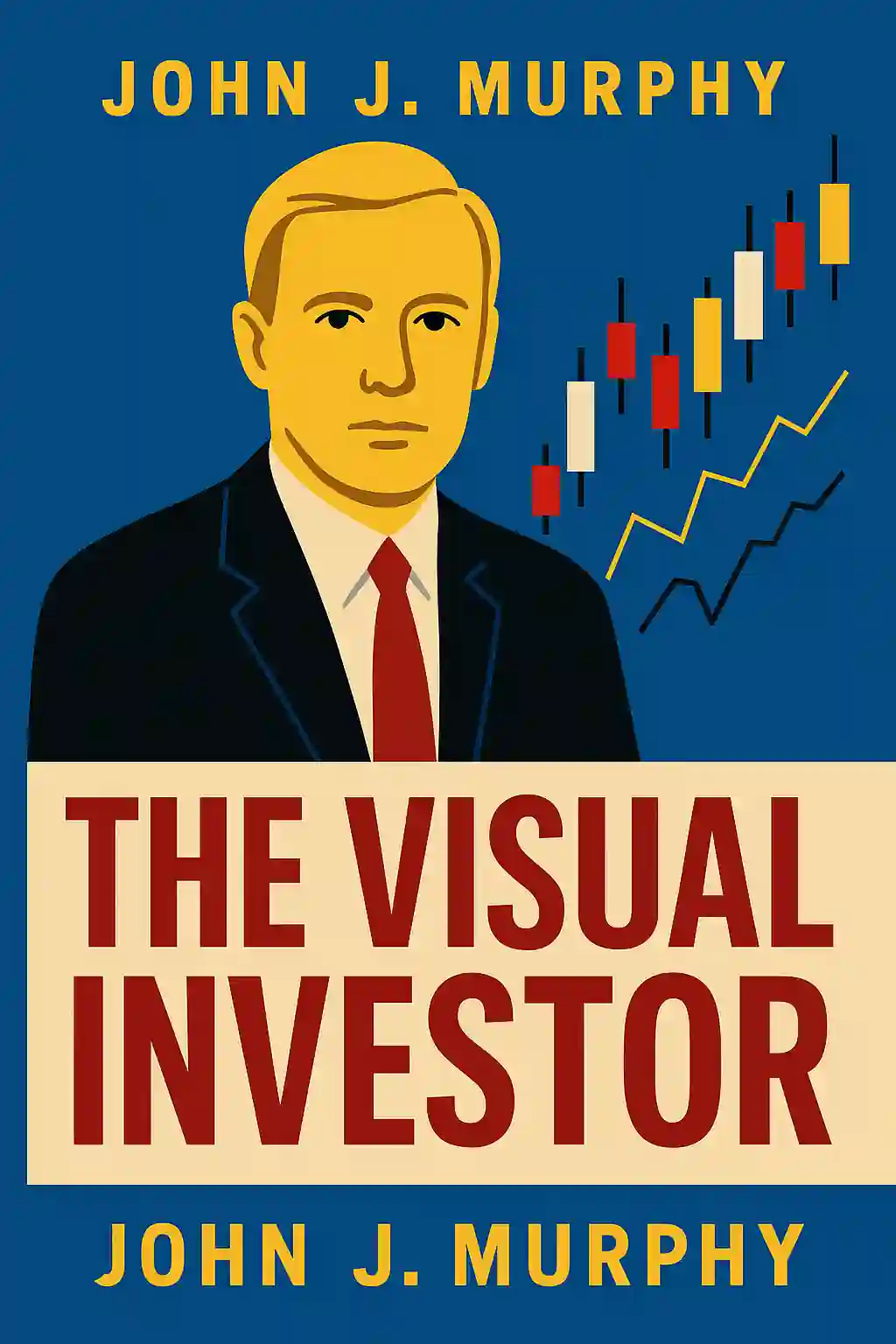
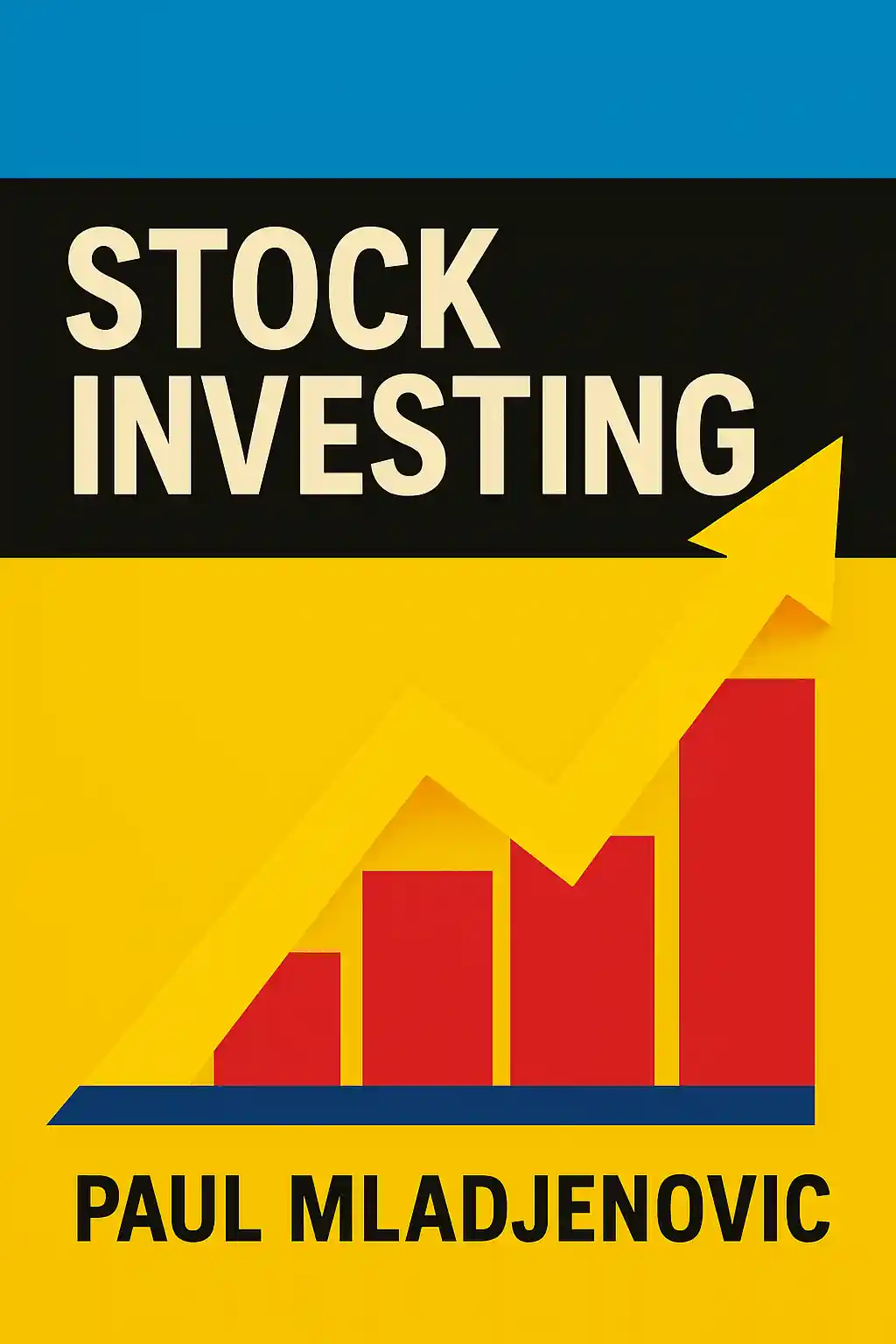
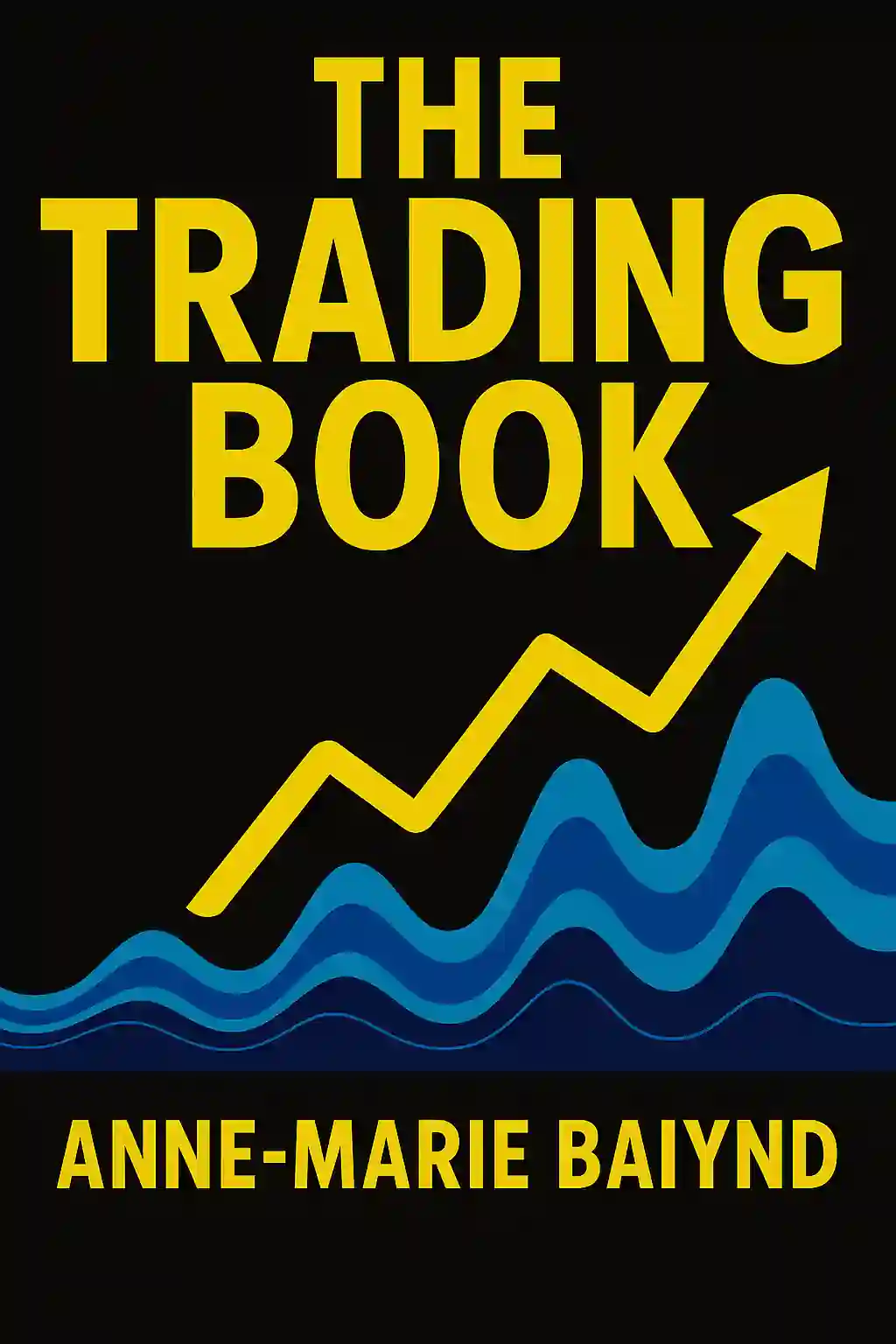
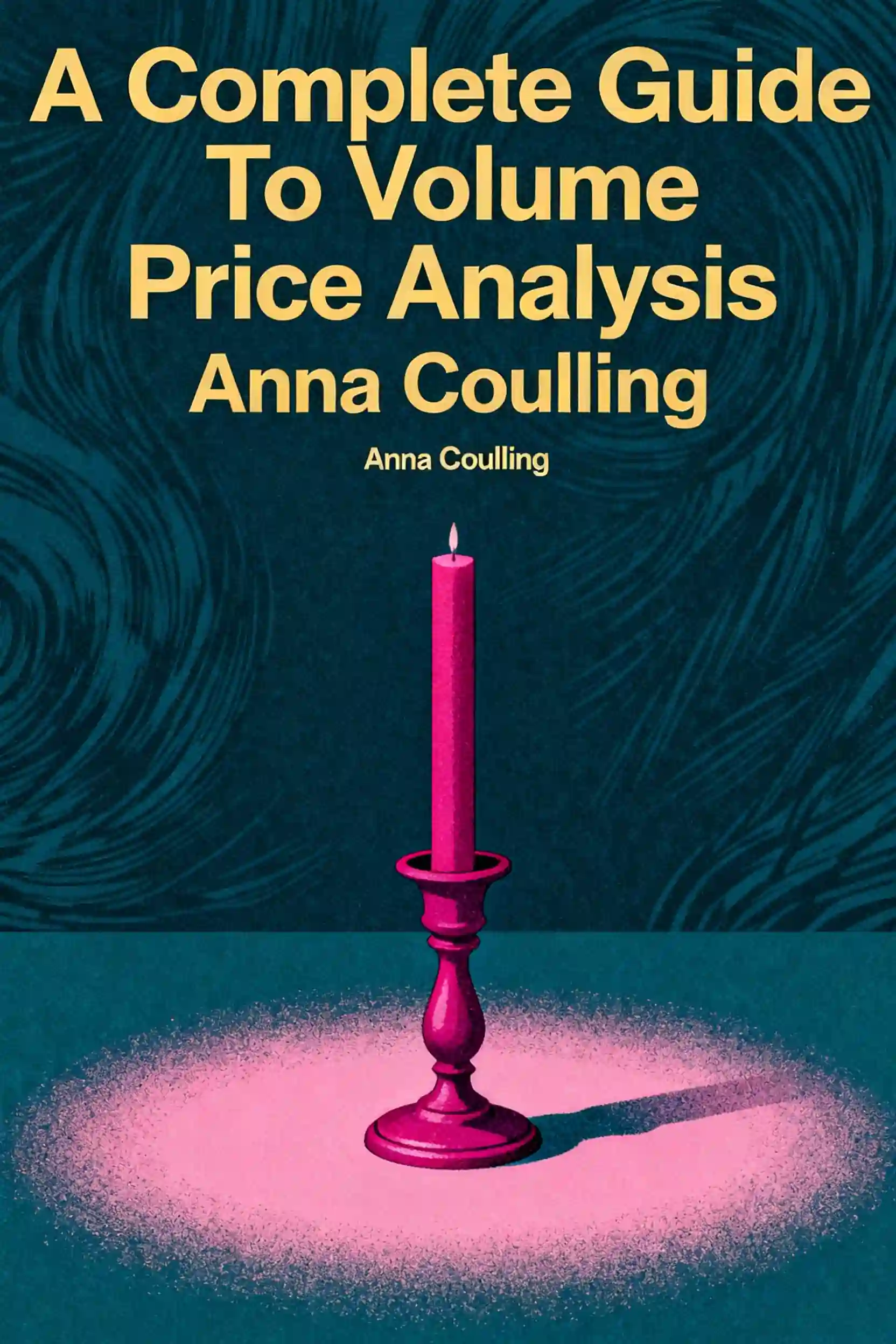
This subtopic will explore the different stock market indices in India, such as the Sensex and Nifty, and analyze current trends and patterns to help investors make informed decisions.

常见问题
The two primary Indian stock market indices are the BSE Sensex and the NSE Nifty. The Sensex tracks the performance of 30 well-established companies listed on the Bombay Stock Exchange, while the Nifty represents the top 50 companies on the National Stock Exchange. These indices serve as vital benchmarks for measuring the overall health and performance of the Indian equity market for domestic and international investors.
Analyzing trends in the Nifty and Sensex helps investors identify broader market cycles and shifts in investor sentiment. By studying historical patterns and current market trends in India, investors can make more informed decisions regarding entry and exit points. This analytical approach reduces guesswork and allows for a more strategic method of investing in India's diverse and evolving financial landscape.
The main difference lies in their composition and the exchanges they represent. The BSE Sensex is the benchmark index for the Bombay Stock Exchange, consisting of 30 large-cap stocks. In contrast, the NSE Nifty, often called the Nifty 50, represents the National Stock Exchange and tracks 50 diversified stocks. Both are essential Indian stock market indices that provide a snapshot of market volatility and economic growth.
"Instead of endless scrolling, I just hit play on BeFreed. It saves me so much time."


"I never knew where to start with nonfiction—BeFreed’s book lists turned into podcasts gave me a clear path."


"Perfect balance between learning and entertainment. Finished ‘Thinking, Fast and Slow’ on my commute this week."
"Crazy how much I learned while walking the dog. BeFreed = small habits → big gains."
"Reading used to feel like a chore. Now it’s just part of my lifestyle."

"Feels effortless compared to reading. I’ve finished 6 books this month already."
"BeFreed turned my guilty doomscrolling into something that feels productive and inspiring."

"BeFreed turned my commute into learning time. 20-min podcasts are perfect for finishing books I never had time for."
"BeFreed replaced my podcast queue. Imagine Spotify for books — that’s it. 🙌"

"It is great for me to learn something from the book without reading it."
"The themed book list podcasts help me connect ideas across authors—like a guided audio journey."
"Makes me feel smarter every time before going to work"
"Instead of endless scrolling, I just hit play on BeFreed. It saves me so much time."
"I never knew where to start with nonfiction—BeFreed’s book lists turned into podcasts gave me a clear path."
"Perfect balance between learning and entertainment. Finished ‘Thinking, Fast and Slow’ on my commute this week."
"Crazy how much I learned while walking the dog. BeFreed = small habits → big gains."
"Reading used to feel like a chore. Now it’s just part of my lifestyle."
"Feels effortless compared to reading. I’ve finished 6 books this month already."
"BeFreed turned my guilty doomscrolling into something that feels productive and inspiring."
"BeFreed turned my commute into learning time. 20-min podcasts are perfect for finishing books I never had time for."
"BeFreed replaced my podcast queue. Imagine Spotify for books — that’s it. 🙌"
"It is great for me to learn something from the book without reading it."
"The themed book list podcasts help me connect ideas across authors—like a guided audio journey."
"Makes me feel smarter every time before going to work"
"Instead of endless scrolling, I just hit play on BeFreed. It saves me so much time."
"I never knew where to start with nonfiction—BeFreed’s book lists turned into podcasts gave me a clear path."
"Perfect balance between learning and entertainment. Finished ‘Thinking, Fast and Slow’ on my commute this week."
"Crazy how much I learned while walking the dog. BeFreed = small habits → big gains."
"Reading used to feel like a chore. Now it’s just part of my lifestyle."
"Feels effortless compared to reading. I’ve finished 6 books this month already."
"BeFreed turned my guilty doomscrolling into something that feels productive and inspiring."
"BeFreed turned my commute into learning time. 20-min podcasts are perfect for finishing books I never had time for."
"BeFreed replaced my podcast queue. Imagine Spotify for books — that’s it. 🙌"
"It is great for me to learn something from the book without reading it."
"The themed book list podcasts help me connect ideas across authors—like a guided audio journey."
"Makes me feel smarter every time before going to work"
"Instead of endless scrolling, I just hit play on BeFreed. It saves me so much time."
"I never knew where to start with nonfiction—BeFreed’s book lists turned into podcasts gave me a clear path."
"Perfect balance between learning and entertainment. Finished ‘Thinking, Fast and Slow’ on my commute this week."
"Crazy how much I learned while walking the dog. BeFreed = small habits → big gains."
"Reading used to feel like a chore. Now it’s just part of my lifestyle."
"Feels effortless compared to reading. I’ve finished 6 books this month already."
"BeFreed turned my guilty doomscrolling into something that feels productive and inspiring."
"BeFreed turned my commute into learning time. 20-min podcasts are perfect for finishing books I never had time for."
"BeFreed replaced my podcast queue. Imagine Spotify for books — that’s it. 🙌"
"It is great for me to learn something from the book without reading it."
"The themed book list podcasts help me connect ideas across authors—like a guided audio journey."
"Makes me feel smarter every time before going to work"