Nazca Lines and the secret search for water
Why did ancient people carve giant shapes in the desert? Discover the ritual theory behind these mysterious lines and learn helpful English idioms.

Nazca Lines and the secret search for water最佳语录
The lines weren't just random drawings; they were like giant signposts or sacred paths where the whole society came together for a single, vital purpose: survival through prayer.

此音频课程由 BeFreed 社区成员创建
Create a podcast exactly in BBC Learning English style. Structure: 1. Short intro 2. Conversation (host + listener with reactions) 3. “Let’s learn the expressions” section Topic: Nazca Lines and John Reinhard’s theory (water, mountains, rituals). Use simple English, short sentences. Do not skip any section.

常见问题
While older theories suggested the lines were astronomical calendars, researcher John Reinhard and others believe they were primarily used for religious rituals related to water. In the incredibly dry Peruvian desert, the lines often point toward mountains, which the Nazca worshipped as deities or "Apus" because they were the source of life-giving water. The large animal shapes, like the monkey and spider, likely served as ceremonial "stages" or sacred paths where the community would walk in procession to pray for rain.
The Nazca were sophisticated engineers who developed a system called "puquios." These were underground aqueducts or horizontal wells lined with river stones that tapped into the water table to irrigate their fields. They also practiced advanced environmental management by recycling waste into building materials, planting seeds in individual holes to protect the soil, and creating spiral-shaped "ojos" (eyes) that allowed them to descend into the tunnels to perform maintenance and cleaning.
The decline of the Nazca was driven by a combination of environmental factors starting around the year 500. A severe and prolonged drought caused the desert to expand, forcing the population to move higher into the mountains. This was exacerbated by a massive El Niño flooding event. Because the Nazca had cleared local forests for agriculture, there were no tree roots to hold the soil, leading to catastrophic erosion that destroyed their vital irrigation systems and led to social collapse by 650 AD.
Cahuachi was the "theocratic capital" of the Nazca, serving as a massive ceremonial pilgrimage center rather than a residential city. It was located at a unique spot where an underground river naturally surfaced, which the Nazca likely viewed as a miracle. People from across the region traveled there to leave offerings, such as pottery and trophy heads, and to participate in large-scale religious festivals and rituals intended to ensure the fertility of the land.
发现更多

Lost Atlantis history
This learning plan bridges ancient philosophy, archaeology, and mythology to explore one of history's most enduring mysteries while developing critical analysis skills. It's ideal for history enthusiasts, students of classical studies, and anyone fascinated by how ancient civilizations recorded and transformed catastrophic events into lasting cultural narratives. Learners will gain valuable skills in evaluating historical sources and understanding how myth and reality intertwine in human storytelling.

Tombs, Rituals, and Lost Kings
This plan is essential for history enthusiasts and aspiring archaeologists who want to understand the intersection of power, architecture, and the afterlife. It offers a deep dive into how ancient civilizations immortalized their leaders through complex rituals and celestial alignment.

Celestial Roots of Ancient Myth
This course is essential for those seeking to understand the astronomical architecture underlying Western theology and mythology. It is ideal for researchers, history enthusiasts, and spiritual seekers looking to bridge the gap between ancient star lore and modern religious narratives.
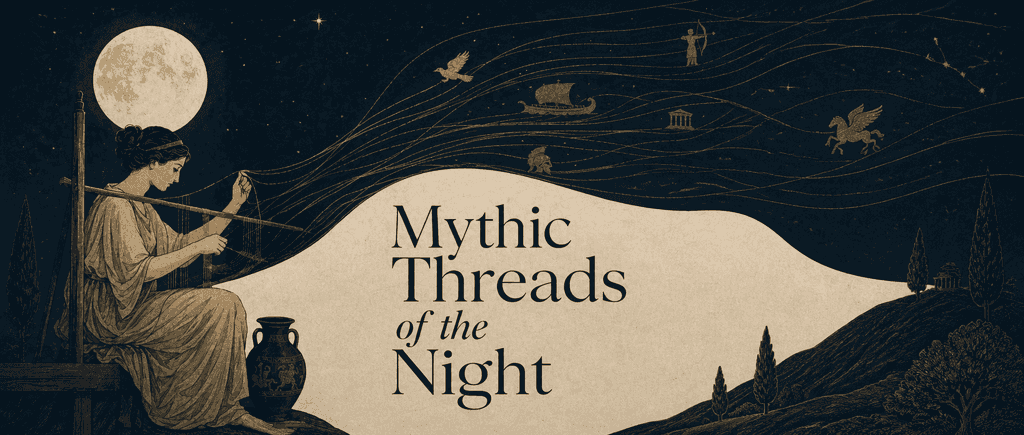
Mythic Threads of the Night
This plan is essential for creatives and folklore enthusiasts seeking to understand the intersection of nature and mysticism. It provides a deep dive into the symbolic language of the night, perfect for writers, artists, or anyone fascinated by the darker side of mythology.

The Wisdom of the Desert
This course offers a profound journey into the spiritual discipline and mystical theology of the early Church. It is ideal for seekers and scholars looking to deepen their interior life through the ancient wisdom of the Desert Fathers and Hesychast tradition.

Mythology
This learning plan offers essential knowledge for anyone seeking to understand the stories that have shaped human civilization and continue to influence modern culture. It's ideal for students of literature, writers, creatives, psychologists, educators, and curious minds who want to decode the powerful patterns underlying both ancient tales and contemporary narratives. By connecting ancient wisdom to modern applications, learners gain tools for deeper cultural literacy, storytelling prowess, and personal insight.

Dawn of the Ice Age Hunters
This plan offers a deep dive into the pivotal era when human survival evolved into sophisticated cultural expression. It is ideal for history enthusiasts and anthropology students eager to understand how Ice Age innovations laid the groundwork for modern civilization.

Secrets of a Strange Earth
This plan is designed for curious minds who want to look beyond conventional knowledge to understand the anomalies of our universe and species. It is perfect for lifelong learners and trivia enthusiasts seeking to bridge the gap between science, history, and psychology.
"Instead of endless scrolling, I just hit play on BeFreed. It saves me so much time."


"I never knew where to start with nonfiction—BeFreed’s book lists turned into podcasts gave me a clear path."


"Perfect balance between learning and entertainment. Finished ‘Thinking, Fast and Slow’ on my commute this week."
"Crazy how much I learned while walking the dog. BeFreed = small habits → big gains."
"Reading used to feel like a chore. Now it’s just part of my lifestyle."

"Feels effortless compared to reading. I’ve finished 6 books this month already."
"BeFreed turned my guilty doomscrolling into something that feels productive and inspiring."

"BeFreed turned my commute into learning time. 20-min podcasts are perfect for finishing books I never had time for."
"BeFreed replaced my podcast queue. Imagine Spotify for books — that’s it. 🙌"

"It is great for me to learn something from the book without reading it."
"The themed book list podcasts help me connect ideas across authors—like a guided audio journey."
"Makes me feel smarter every time before going to work"
"Instead of endless scrolling, I just hit play on BeFreed. It saves me so much time."
"I never knew where to start with nonfiction—BeFreed’s book lists turned into podcasts gave me a clear path."
"Perfect balance between learning and entertainment. Finished ‘Thinking, Fast and Slow’ on my commute this week."
"Crazy how much I learned while walking the dog. BeFreed = small habits → big gains."
"Reading used to feel like a chore. Now it’s just part of my lifestyle."
"Feels effortless compared to reading. I’ve finished 6 books this month already."
"BeFreed turned my guilty doomscrolling into something that feels productive and inspiring."
"BeFreed turned my commute into learning time. 20-min podcasts are perfect for finishing books I never had time for."
"BeFreed replaced my podcast queue. Imagine Spotify for books — that’s it. 🙌"
"It is great for me to learn something from the book without reading it."
"The themed book list podcasts help me connect ideas across authors—like a guided audio journey."
"Makes me feel smarter every time before going to work"
"Instead of endless scrolling, I just hit play on BeFreed. It saves me so much time."
"I never knew where to start with nonfiction—BeFreed’s book lists turned into podcasts gave me a clear path."
"Perfect balance between learning and entertainment. Finished ‘Thinking, Fast and Slow’ on my commute this week."
"Crazy how much I learned while walking the dog. BeFreed = small habits → big gains."
"Reading used to feel like a chore. Now it’s just part of my lifestyle."
"Feels effortless compared to reading. I’ve finished 6 books this month already."
"BeFreed turned my guilty doomscrolling into something that feels productive and inspiring."
"BeFreed turned my commute into learning time. 20-min podcasts are perfect for finishing books I never had time for."
"BeFreed replaced my podcast queue. Imagine Spotify for books — that’s it. 🙌"
"It is great for me to learn something from the book without reading it."
"The themed book list podcasts help me connect ideas across authors—like a guided audio journey."
"Makes me feel smarter every time before going to work"
"Instead of endless scrolling, I just hit play on BeFreed. It saves me so much time."
"I never knew where to start with nonfiction—BeFreed’s book lists turned into podcasts gave me a clear path."
"Perfect balance between learning and entertainment. Finished ‘Thinking, Fast and Slow’ on my commute this week."
"Crazy how much I learned while walking the dog. BeFreed = small habits → big gains."
"Reading used to feel like a chore. Now it’s just part of my lifestyle."
"Feels effortless compared to reading. I’ve finished 6 books this month already."
"BeFreed turned my guilty doomscrolling into something that feels productive and inspiring."
"BeFreed turned my commute into learning time. 20-min podcasts are perfect for finishing books I never had time for."
"BeFreed replaced my podcast queue. Imagine Spotify for books — that’s it. 🙌"
"It is great for me to learn something from the book without reading it."
"The themed book list podcasts help me connect ideas across authors—like a guided audio journey."
"Makes me feel smarter every time before going to work"