Municipal power grids and the fight for local energy
Big utilities often block climate goals, but cities are fighting back. Learn how local leaders use public power models to take control of the grid.

Municipal power grids and the fight for local energy最佳语录
The expiration date of a franchise agreement is the only real moment of parity in the relationship between a city and a corporate utility. It’s the one time the city actually has something the utility desperately needs: permission to exist in that space.
Generated by Jacob
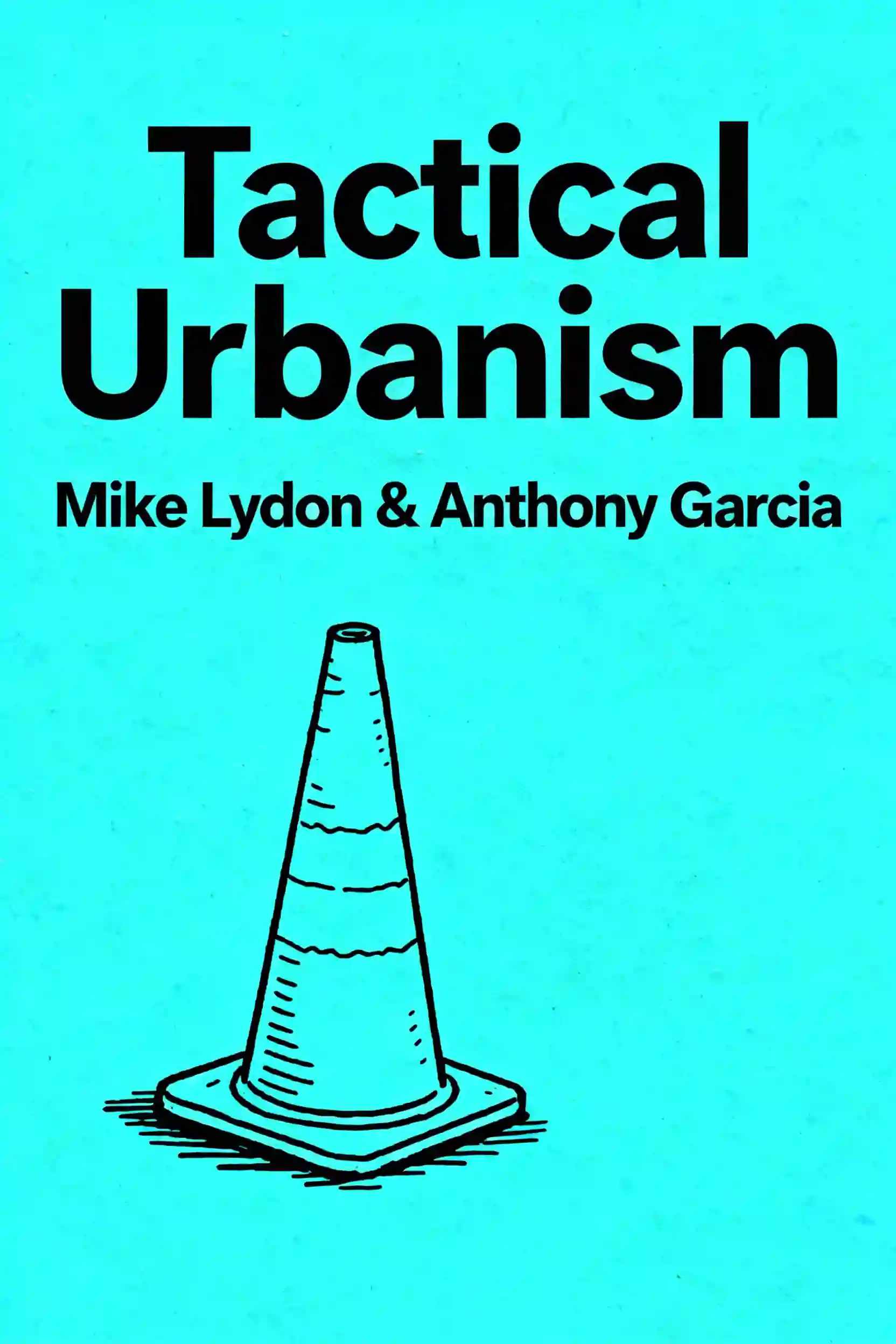
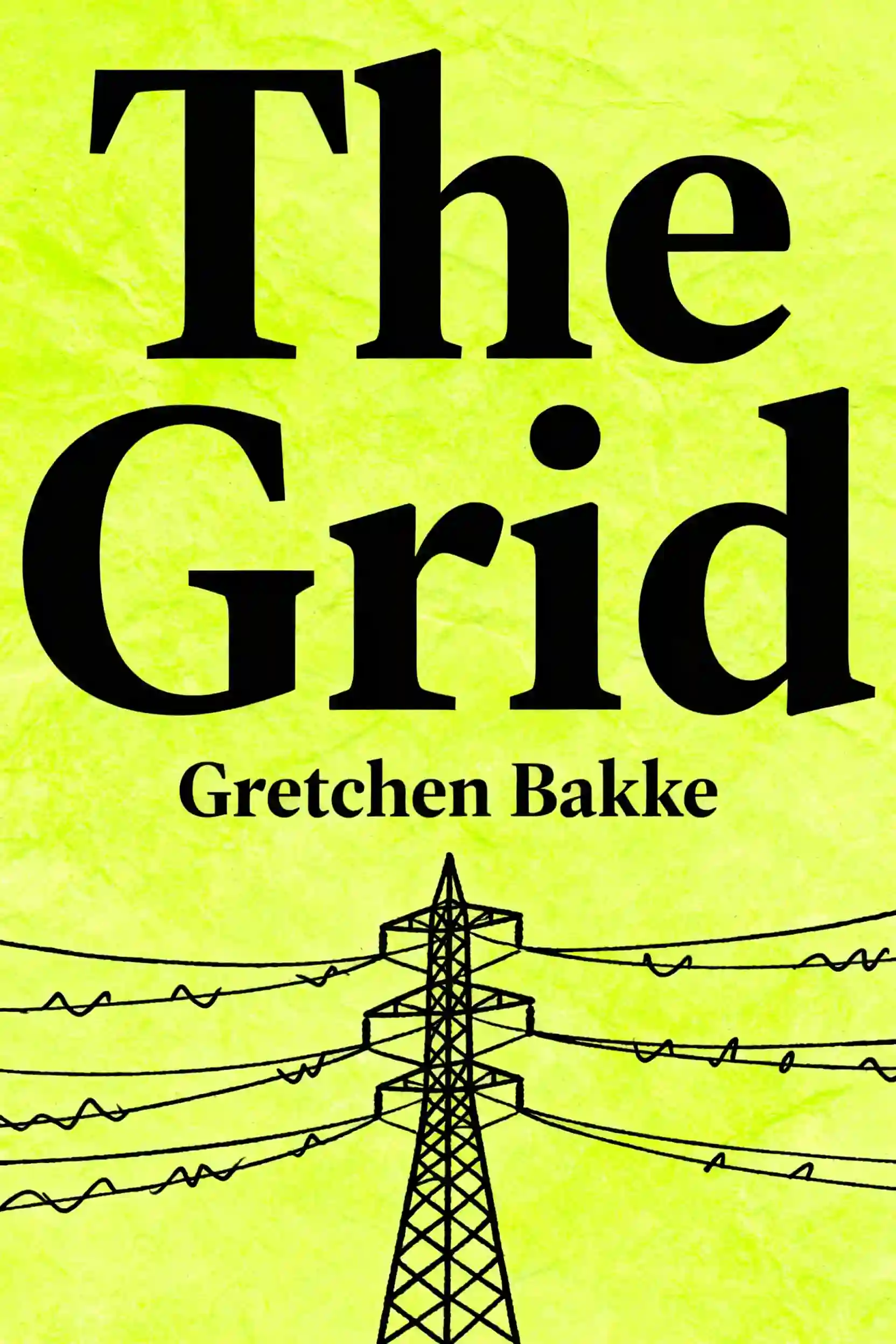
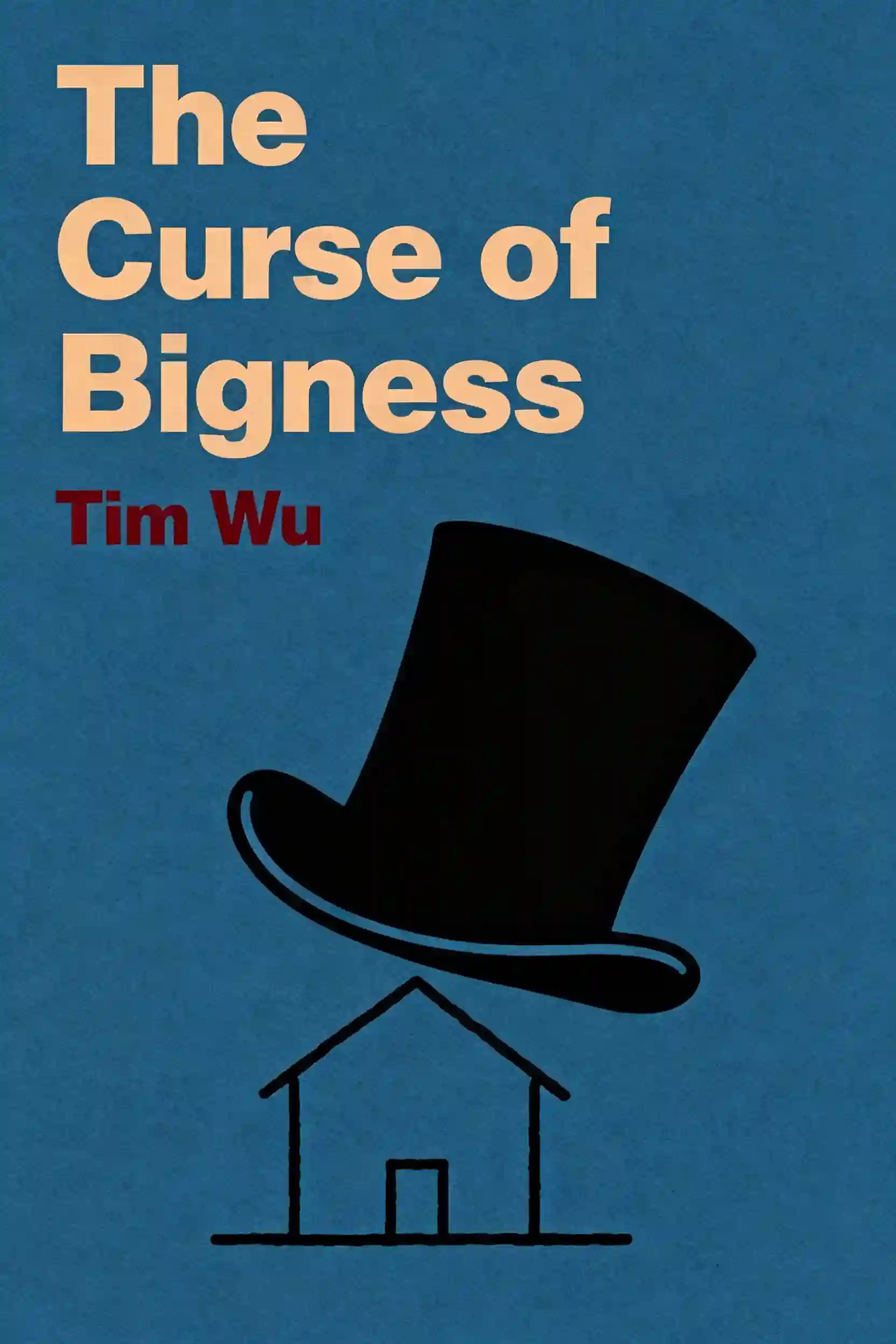
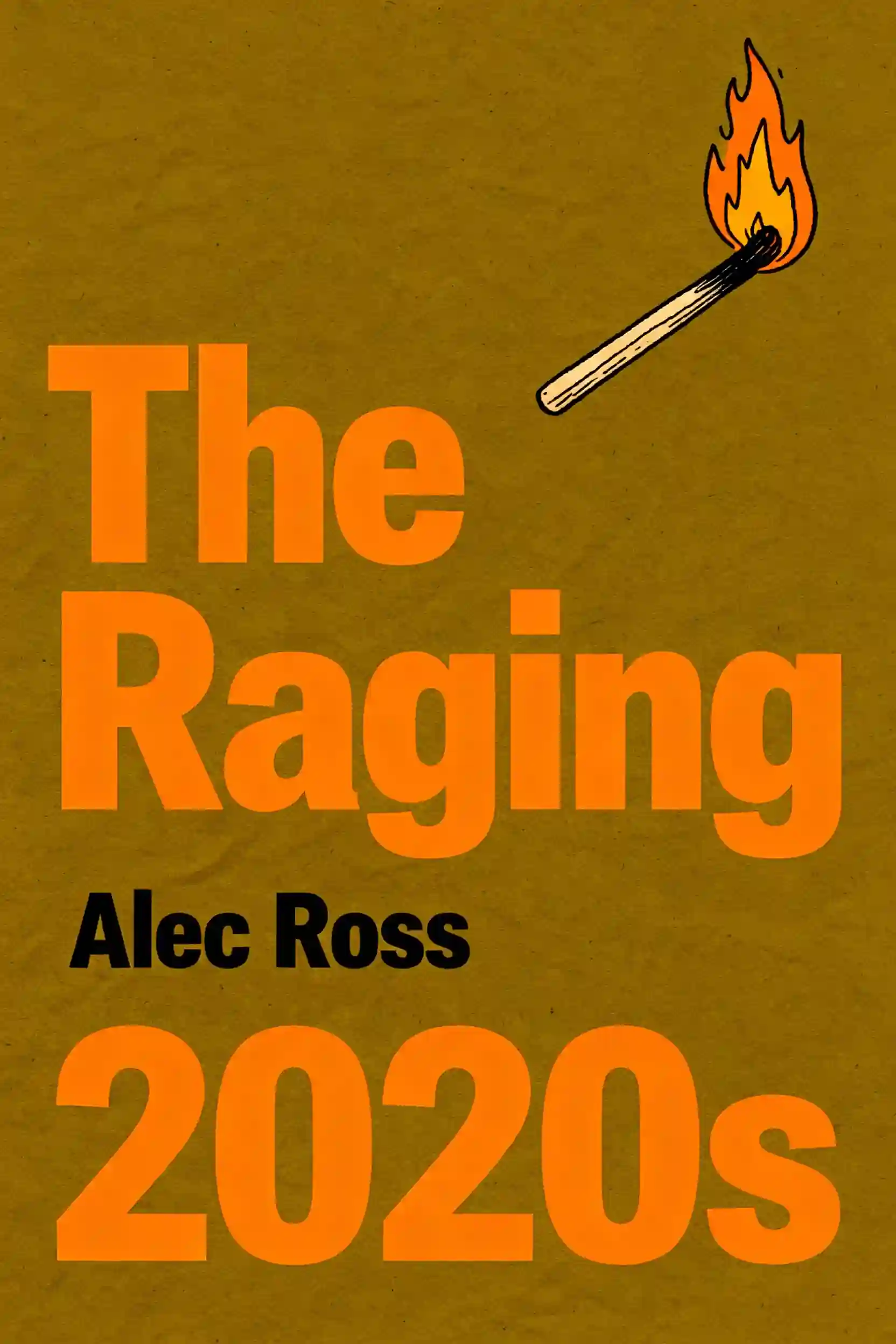
How cities are fighting corporate electrical companies by trying to make their own municipal grids

常见问题
A franchise agreement is essentially a long-term lease, often lasting 20 to 25 years, that grants a private utility the exclusive right to use public rights-of-way to install infrastructure like power lines and gas pipes. The expiration date of this agreement is a rare moment of parity because the utility needs the city’s permission to continue existing in that space. Cities can use the renegotiation period as a "birch rod"—a credible threat of forming a municipal utility—to pressure corporate providers into meeting clean energy goals or lowering rates.
In many states, legal "Catch-22" hurdles prevent cities from performing formal valuation studies until after voters have already approved a takeover. This means city leaders often have to ask the public to vote on a multi-billion-dollar acquisition without a confirmed price tag. Private utilities often exploit this lack of data by funding "scaremongering" advertisements that highlight the financial uncertainty and potential debt, even though the law prevents the city from accessing the internal math required to challenge those claims.
A full municipal utility involves the city owning the entire system, including the "electrons" (power generation) and the "wires" (distribution infrastructure). This provides total control but comes with massive buyout costs and maintenance responsibilities. In contrast, the CCA model is a hybrid where the city takes over the job of purchasing electricity—allowing them to choose 100% renewable sources—while the existing corporate utility continues to own the physical poles and wires and handles the billing.
The cost shift argument suggests that when a wealthy or low-risk urban area "divorces" itself from a large corporate utility, it leaves the remaining customers—often in poorer or higher-risk rural areas—to shoulder the entire burden of maintaining the grid. For example, if an urban center leaves a utility that is spending billions on wildfire mitigation in rural forests, the rural customers lose the shared financial support of the urban population, potentially causing their rates to skyrocket.
The New Deal established the "yardstick" strategy, where the government built massive hydroelectric projects to provide cheap power, creating a standard to measure private utility performance. It also led to the Rural Electrification Administration, which helped neighbors form cooperatives to bring power to areas private companies deemed unprofitable. While these projects were "technocratic" and sometimes caused harm to indigenous lands, they proved that public intervention could change the underlying economics of energy and prioritize universal access over corporate profit.
由哥伦比亚大学校友创建 源自旧金山
BeFreed 汇聚全球求知若渴的学习者


"Instead of endless scrolling, I just hit play on BeFreed. It saves me so much time."


"I never knew where to start with nonfiction—BeFreed’s book lists turned into podcasts gave me a clear path."


"Perfect balance between learning and entertainment. Finished ‘Thinking, Fast and Slow’ on my commute this week."
"Crazy how much I learned while walking the dog. BeFreed = small habits → big gains."
"Reading used to feel like a chore. Now it’s just part of my lifestyle."

"Feels effortless compared to reading. I’ve finished 6 books this month already."
"BeFreed turned my guilty doomscrolling into something that feels productive and inspiring."

"BeFreed turned my commute into learning time. 20-min podcasts are perfect for finishing books I never had time for."
"BeFreed replaced my podcast queue. Imagine Spotify for books — that’s it. 🙌"

"It is great for me to learn something from the book without reading it."
"The themed book list podcasts help me connect ideas across authors—like a guided audio journey."
"Makes me feel smarter every time before going to work"
由哥伦比亚大学校友创建 源自旧金山
BeFreed 汇聚全球求知若渴的学习者
"Instead of endless scrolling, I just hit play on BeFreed. It saves me so much time."
"I never knew where to start with nonfiction—BeFreed’s book lists turned into podcasts gave me a clear path."
"Perfect balance between learning and entertainment. Finished ‘Thinking, Fast and Slow’ on my commute this week."
"Crazy how much I learned while walking the dog. BeFreed = small habits → big gains."
"Reading used to feel like a chore. Now it’s just part of my lifestyle."
"Feels effortless compared to reading. I’ve finished 6 books this month already."
"BeFreed turned my guilty doomscrolling into something that feels productive and inspiring."
"BeFreed turned my commute into learning time. 20-min podcasts are perfect for finishing books I never had time for."
"BeFreed replaced my podcast queue. Imagine Spotify for books — that’s it. 🙌"
"It is great for me to learn something from the book without reading it."
"The themed book list podcasts help me connect ideas across authors—like a guided audio journey."
"Makes me feel smarter every time before going to work"
"Instead of endless scrolling, I just hit play on BeFreed. It saves me so much time."
"I never knew where to start with nonfiction—BeFreed’s book lists turned into podcasts gave me a clear path."
"Perfect balance between learning and entertainment. Finished ‘Thinking, Fast and Slow’ on my commute this week."
"Crazy how much I learned while walking the dog. BeFreed = small habits → big gains."
"Reading used to feel like a chore. Now it’s just part of my lifestyle."
"Feels effortless compared to reading. I’ve finished 6 books this month already."
"BeFreed turned my guilty doomscrolling into something that feels productive and inspiring."
"BeFreed turned my commute into learning time. 20-min podcasts are perfect for finishing books I never had time for."
"BeFreed replaced my podcast queue. Imagine Spotify for books — that’s it. 🙌"
"It is great for me to learn something from the book without reading it."
"The themed book list podcasts help me connect ideas across authors—like a guided audio journey."
"Makes me feel smarter every time before going to work"
"Instead of endless scrolling, I just hit play on BeFreed. It saves me so much time."
"I never knew where to start with nonfiction—BeFreed’s book lists turned into podcasts gave me a clear path."
"Perfect balance between learning and entertainment. Finished ‘Thinking, Fast and Slow’ on my commute this week."
"Crazy how much I learned while walking the dog. BeFreed = small habits → big gains."
"Reading used to feel like a chore. Now it’s just part of my lifestyle."
"Feels effortless compared to reading. I’ve finished 6 books this month already."
"BeFreed turned my guilty doomscrolling into something that feels productive and inspiring."
"BeFreed turned my commute into learning time. 20-min podcasts are perfect for finishing books I never had time for."
"BeFreed replaced my podcast queue. Imagine Spotify for books — that’s it. 🙌"
"It is great for me to learn something from the book without reading it."
"The themed book list podcasts help me connect ideas across authors—like a guided audio journey."
"Makes me feel smarter every time before going to work"