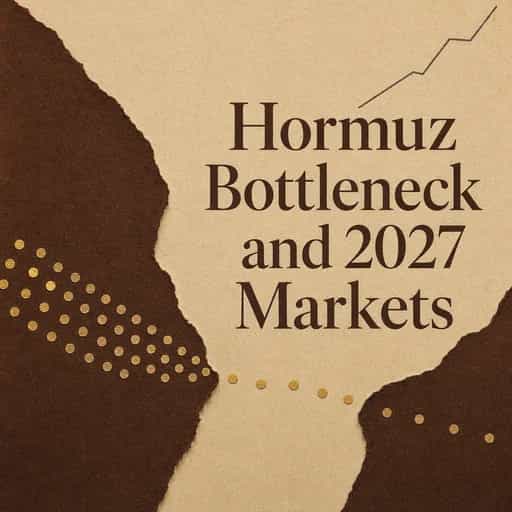
Market Meltdown: War, Oil, and the Jobs Crisis
Explore the 'worst-case scenario' triggering a multi-trillion dollar wipeout as geopolitical conflict with Iran and disappointing jobs data fuel fears of global stagflation.

Market Meltdown: War, Oil, and the Jobs Crisis最佳语录
The panic is often about the uncertainty of the future, not the reality of the present. Once we have clarity—whether it's on the duration of the war or the Fed's next move—the volatility will subside.
Generated by Rick
Why did the stock market drop

常见问题
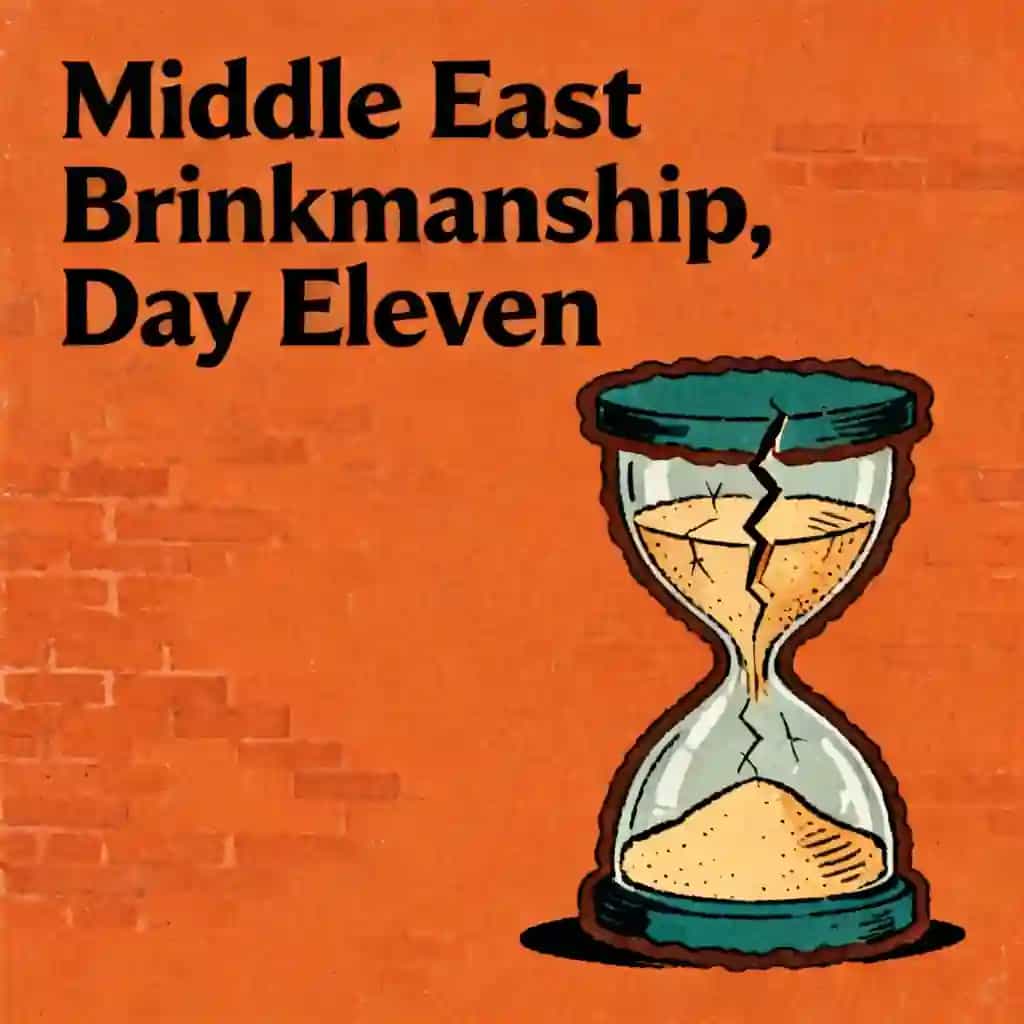
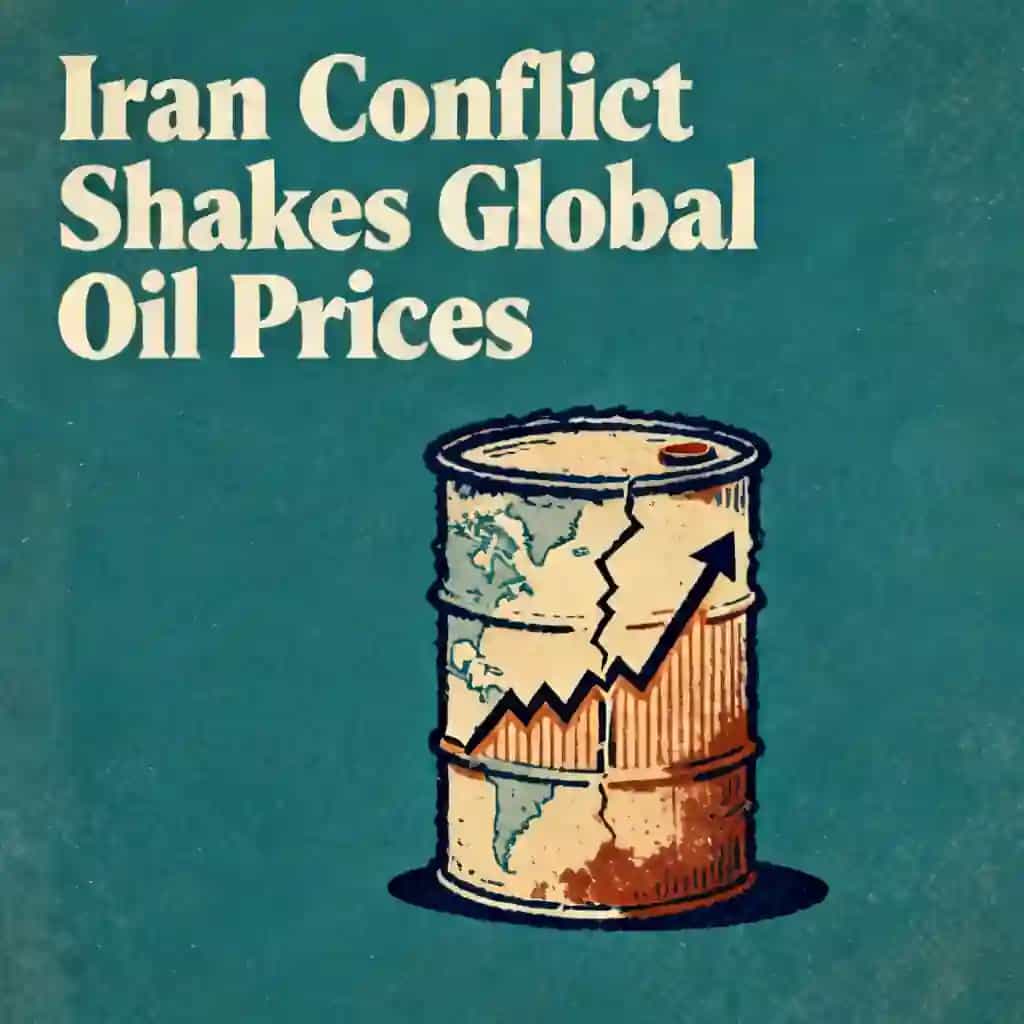
The market meltdown was triggered by a "worst-case scenario" combination of economic and geopolitical factors. A primary driver was a disappointing jobs report showing an unexpected loss of 92,000 jobs in February. This was compounded by surging oil prices—which rose past $90 a barrel due to the U.S.-Iran war—and the official demand for an "unconditional surrender" from Iran, leading to investor fears of stagflation.
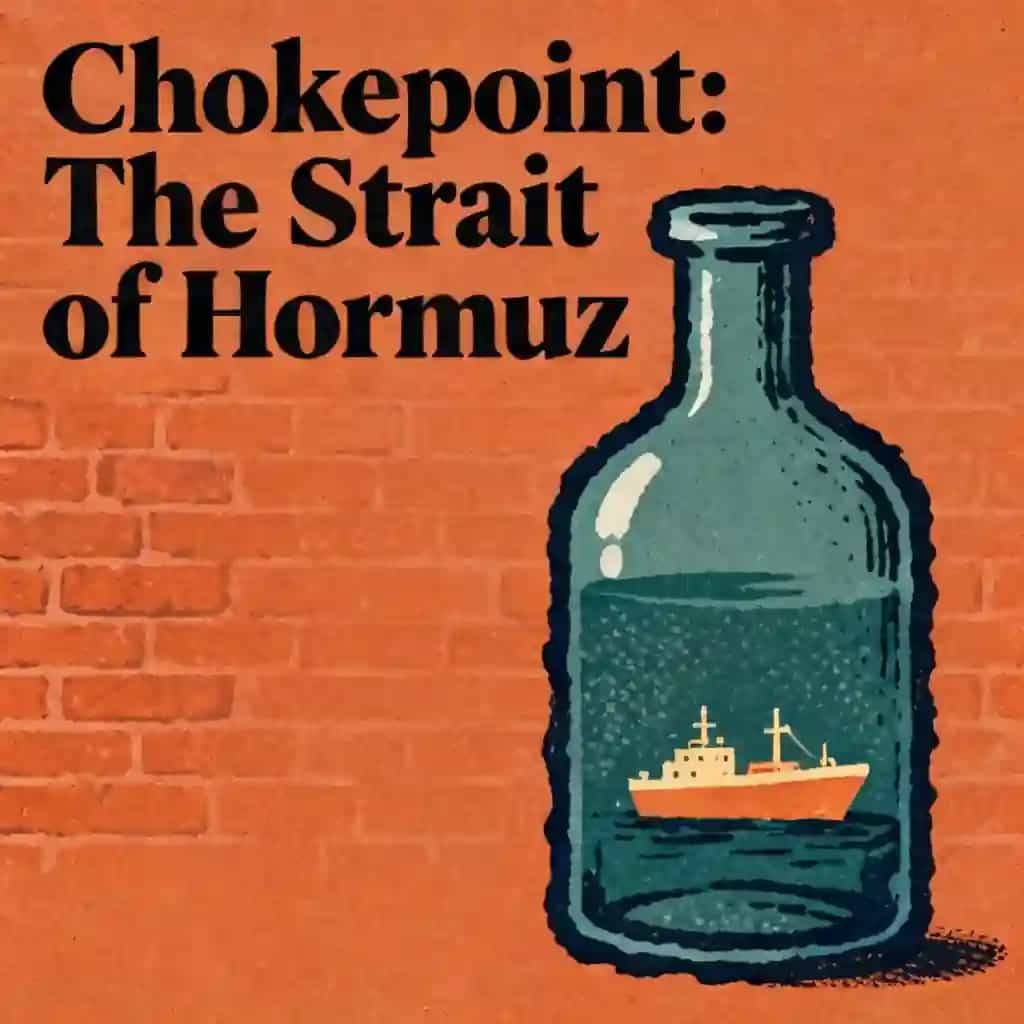
The Strait of Hormuz is a critical chokepoint that carries roughly 20 percent of the world's daily oil consumption. Although there is no formal blockade, the risk of operating in an active war zone has frozen commercial shipping. This supply squeeze threatens to push oil prices past $100 a barrel, which increases transportation costs for all goods and drains consumer spending power as gasoline prices rise at the pump.
The market is currently undergoing an "AI reckoning" where the narrative has shifted from AI being a helpful tool to AI being a potential replacement for traditional software services. New tools, such as Anthropic’s Claude Cowork, lead investors to worry that established companies like Salesforce or Intuit might become obsolete. Additionally, the massive capital expenditure by tech giants—totaling over $500 billion this year—is making investors nervous because there is no immediate, clear path to profit during a period of high interest rates.
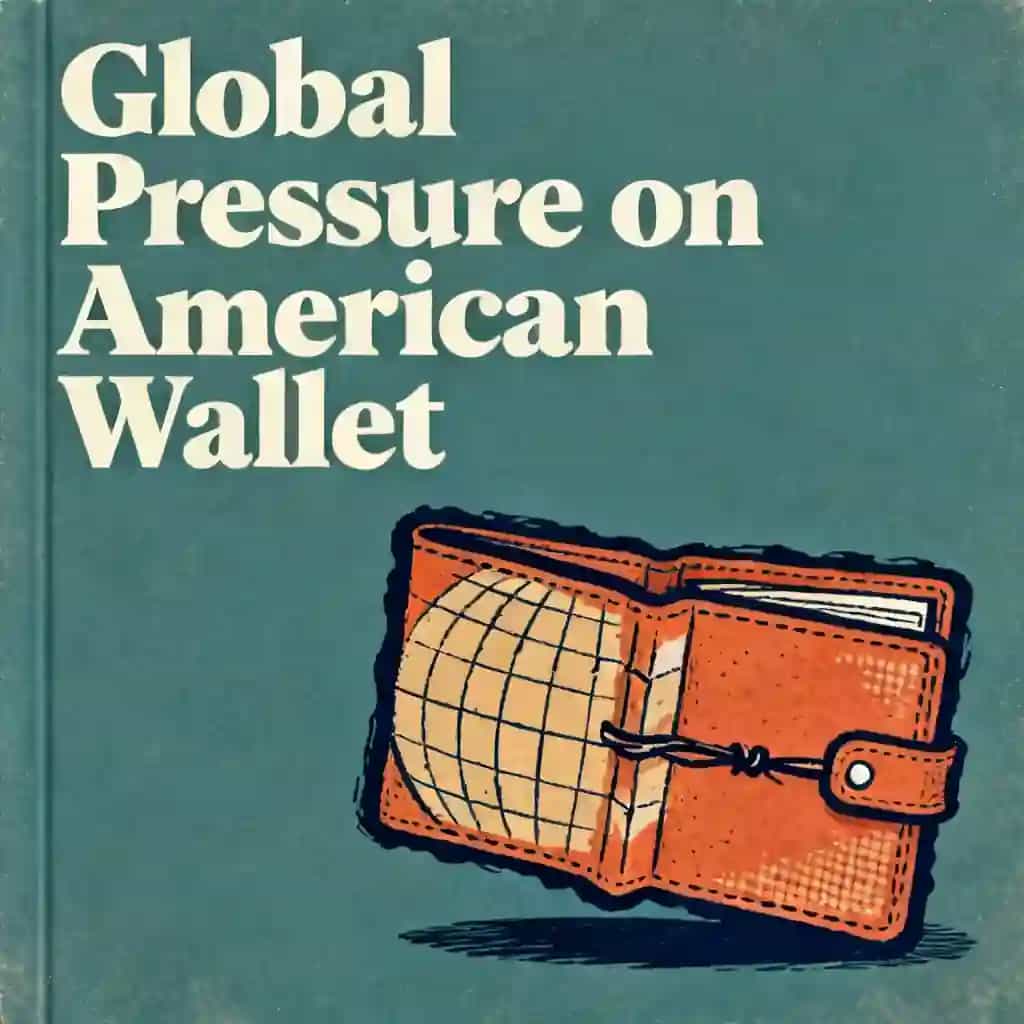
The Federal Reserve is trapped in a "dual mandate" dilemma. While the loss of 92,000 jobs suggests the economy needs lower rates to stimulate growth, the spike in oil prices is driving inflation higher. If the Fed cuts rates to help the job market, they risk worsening inflation. Consequently, the market now expects a "hawkish hold," where rates remain high to combat rising prices despite signs of economic cooling.
Experts suggest focusing on "quality equities" in sectors like consumer staples, energy, and healthcare, as these companies have the pricing power to pass on higher costs. Diversification into traditional safe havens like gold or Treasury Inflation-Protected Securities (TIPS) can help hedge against stagflation. Additionally, moving away from hyper-growth tech stocks toward value stocks or high-yield cash instruments like money market funds can help preserve capital while market uncertainty remains high.
"Instead of endless scrolling, I just hit play on BeFreed. It saves me so much time."


"I never knew where to start with nonfiction—BeFreed’s book lists turned into podcasts gave me a clear path."


"Perfect balance between learning and entertainment. Finished ‘Thinking, Fast and Slow’ on my commute this week."
"Crazy how much I learned while walking the dog. BeFreed = small habits → big gains."
"Reading used to feel like a chore. Now it’s just part of my lifestyle."

"Feels effortless compared to reading. I’ve finished 6 books this month already."
"BeFreed turned my guilty doomscrolling into something that feels productive and inspiring."

"BeFreed turned my commute into learning time. 20-min podcasts are perfect for finishing books I never had time for."
"BeFreed replaced my podcast queue. Imagine Spotify for books — that’s it. 🙌"

"It is great for me to learn something from the book without reading it."
"The themed book list podcasts help me connect ideas across authors—like a guided audio journey."
"Makes me feel smarter every time before going to work"
"Instead of endless scrolling, I just hit play on BeFreed. It saves me so much time."
"I never knew where to start with nonfiction—BeFreed’s book lists turned into podcasts gave me a clear path."
"Perfect balance between learning and entertainment. Finished ‘Thinking, Fast and Slow’ on my commute this week."
"Crazy how much I learned while walking the dog. BeFreed = small habits → big gains."
"Reading used to feel like a chore. Now it’s just part of my lifestyle."
"Feels effortless compared to reading. I’ve finished 6 books this month already."
"BeFreed turned my guilty doomscrolling into something that feels productive and inspiring."
"BeFreed turned my commute into learning time. 20-min podcasts are perfect for finishing books I never had time for."
"BeFreed replaced my podcast queue. Imagine Spotify for books — that’s it. 🙌"
"It is great for me to learn something from the book without reading it."
"The themed book list podcasts help me connect ideas across authors—like a guided audio journey."
"Makes me feel smarter every time before going to work"
"Instead of endless scrolling, I just hit play on BeFreed. It saves me so much time."
"I never knew where to start with nonfiction—BeFreed’s book lists turned into podcasts gave me a clear path."
"Perfect balance between learning and entertainment. Finished ‘Thinking, Fast and Slow’ on my commute this week."
"Crazy how much I learned while walking the dog. BeFreed = small habits → big gains."
"Reading used to feel like a chore. Now it’s just part of my lifestyle."
"Feels effortless compared to reading. I’ve finished 6 books this month already."
"BeFreed turned my guilty doomscrolling into something that feels productive and inspiring."
"BeFreed turned my commute into learning time. 20-min podcasts are perfect for finishing books I never had time for."
"BeFreed replaced my podcast queue. Imagine Spotify for books — that’s it. 🙌"
"It is great for me to learn something from the book without reading it."
"The themed book list podcasts help me connect ideas across authors—like a guided audio journey."
"Makes me feel smarter every time before going to work"
"Instead of endless scrolling, I just hit play on BeFreed. It saves me so much time."
"I never knew where to start with nonfiction—BeFreed’s book lists turned into podcasts gave me a clear path."
"Perfect balance between learning and entertainment. Finished ‘Thinking, Fast and Slow’ on my commute this week."
"Crazy how much I learned while walking the dog. BeFreed = small habits → big gains."
"Reading used to feel like a chore. Now it’s just part of my lifestyle."
"Feels effortless compared to reading. I’ve finished 6 books this month already."
"BeFreed turned my guilty doomscrolling into something that feels productive and inspiring."
"BeFreed turned my commute into learning time. 20-min podcasts are perfect for finishing books I never had time for."
"BeFreed replaced my podcast queue. Imagine Spotify for books — that’s it. 🙌"
"It is great for me to learn something from the book without reading it."
"The themed book list podcasts help me connect ideas across authors—like a guided audio journey."
"Makes me feel smarter every time before going to work"