Managing DID and finding love without ketamine
Dissociating can make building a stable life feel impossible. Learn why evidence-based care beats self-medicating for finding a lasting connection.

Managing DID and finding love without ketamine最佳语录
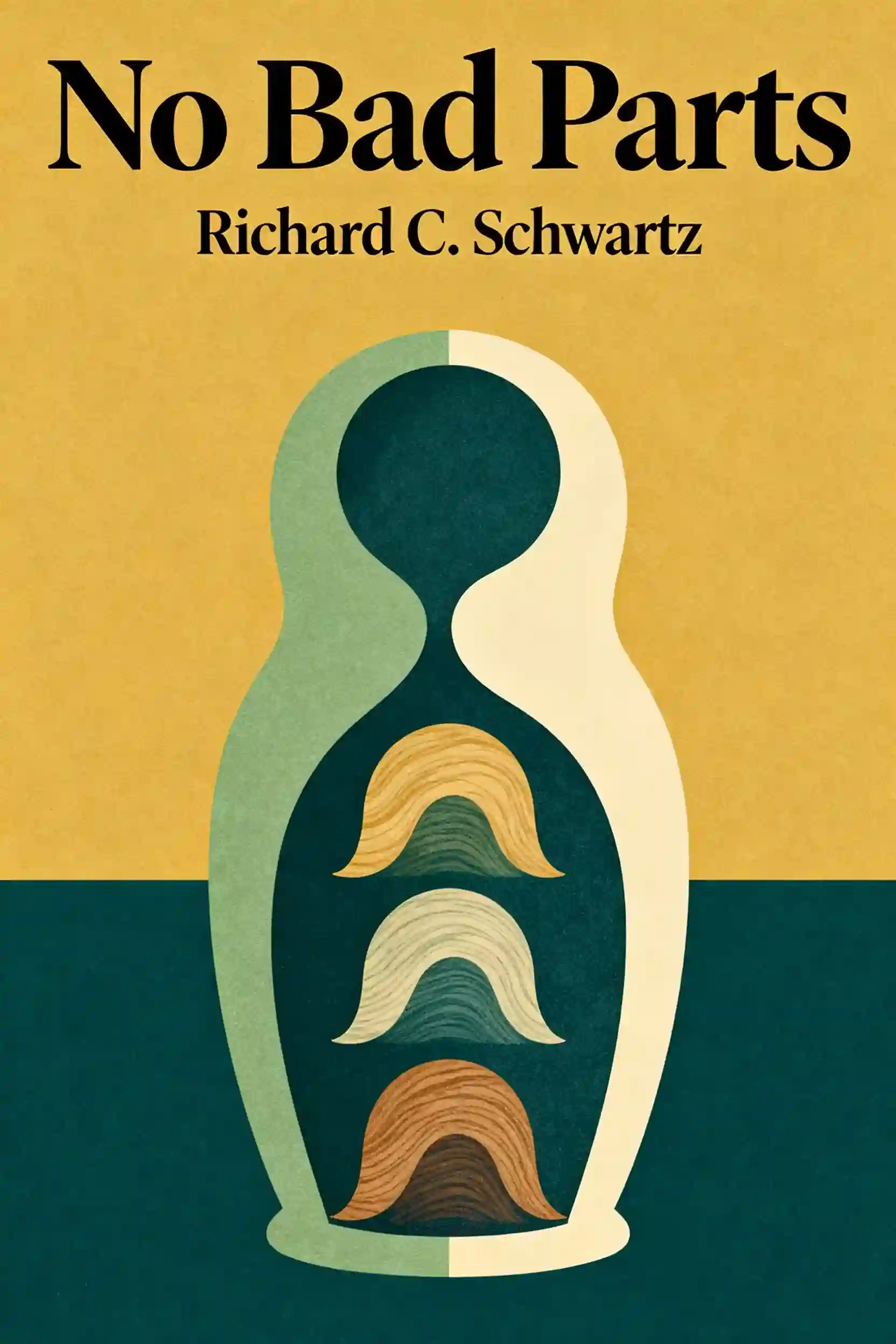
True healing comes from what’s called 'limited reparenting'—where the healthy adult part of you learns to provide the safety and connection those vulnerable parts never got as a child.

此音频课程由 BeFreed 社区成员创建
How to live my life. I’m 21, male, Asian, Work at Kiewit as an Estimator. I want to find a girlfriend/wife, want to stop relying on drugs like ketamine to manage my DID (clinically diagnosed)

常见问题
Modern research, such as the schema mode model, suggests viewing these identity states not as separate people living in one body, but as fragmented emotional and behavioral "modes." In this framework, some parts of the system handle daily logistics and professional responsibilities—referred to as apparently normal personalities—while others carry trauma responses like fight, flight, or freeze. By viewing these parts as a team with different functional roles, you can move toward internal cooperation and "project management" rather than feeling like a collection of strangers.
While ketamine is a dissociative anesthetic that can provide an immediate "mute button" for internal noise, using it outside of a clinical setting often reinforces avoidance. Clinical data indicates that there are no magic pills for the core symptoms of Dissociative Identity Disorder, and some substances can actually make dissociation worse or cause disinhibition. True healing requires the "Healthy Adult" part of the self to learn emotion regulation and grounding skills, which allows the internal team to communicate and integrate rather than remaining chemically separated.
Recent adaptations of evidence-based treatments have shown significant results much faster than traditional long-term psychodynamic therapy. For example, studies involving the Unified Protocol adapted for DID have shown that some patients no longer met the criteria for the disorder after just twenty-two sessions. These modern approaches focus on gaining agency over dissociation as an avoidant coping strategy and using mindfulness to manage dominating states, moving the diagnosis from something happening to you to a set of behaviors you can navigate.
The key to dating with DID is practicing "system responsibility," which means the individual as a whole remains accountable for the relationship regardless of which part is fronting. It is helpful to focus on building a "Healthy Adult" presence and self-clarity before disclosing everything to a partner. By using "Mentalization-Based Treatment" techniques to understand your own mind and your partner's mind, you can develop a high level of emotional intelligence that fosters deep intimacy and stability.
发现更多

Managing dissociative identity disorder
Dissociative Identity Disorder requires specialized knowledge for effective management, whether you're a mental health professional or someone living with the condition. This learning plan provides both clinical frameworks and practical strategies to support healing, integration, and improved daily functioning for those affected by DID.

Depression
This learning plan provides a comprehensive roadmap for anyone struggling with low mood or seeking to support others in their recovery journey. It combines evidence-based clinical techniques with holistic mindfulness practices to move beyond management toward true emotional thriving.

Break free from limerent obsession patterns
This plan is designed for individuals who feel trapped in cycles of obsessive longing or emotionally draining relationships. It provides a science-backed roadmap to healing attachment wounds and reclaiming emotional autonomy from codependent patterns.

Finding Hope in an Unquiet Mind
This plan is essential for individuals navigating mood disorders and those seeking to understand the science of brain health. It offers a compassionate, evidence-based roadmap for anyone looking to transform clinical knowledge into a sustainable, lived recovery.
From Isolation to Connection
This plan is designed for individuals who feel stuck in long-term isolation or find the modern dating landscape overwhelming. It provides a practical roadmap to dismantle internal barriers and master the basic mechanics of social interaction for meaningful connection.
ADHD in relationships and personal management
ADHD significantly impacts both personal functioning and relationship dynamics, yet many adults lack effective strategies to navigate these challenges. This learning plan provides evidence-based approaches for anyone with ADHD or their partners to improve communication, develop personalized management systems, and transform potential relationship difficulties into opportunities for deeper connection.
Manage BPD and Bipolar Disorder
This plan is designed for individuals seeking to navigate the complexities of BPD and bipolar disorder with evidence-based strategies. It provides a structured path from understanding core symptoms to mastering practical emotional regulation and recovery skills.

Detach & leave toxic partner calmly
This plan is essential for individuals feeling trapped in emotionally draining or manipulative relationships. It provides a structured, low-conflict roadmap for those needing to regain their autonomy and rebuild their lives with dignity.
"Instead of endless scrolling, I just hit play on BeFreed. It saves me so much time."


"I never knew where to start with nonfiction—BeFreed’s book lists turned into podcasts gave me a clear path."


"Perfect balance between learning and entertainment. Finished ‘Thinking, Fast and Slow’ on my commute this week."
"Crazy how much I learned while walking the dog. BeFreed = small habits → big gains."
"Reading used to feel like a chore. Now it’s just part of my lifestyle."

"Feels effortless compared to reading. I’ve finished 6 books this month already."
"BeFreed turned my guilty doomscrolling into something that feels productive and inspiring."

"BeFreed turned my commute into learning time. 20-min podcasts are perfect for finishing books I never had time for."
"BeFreed replaced my podcast queue. Imagine Spotify for books — that’s it. 🙌"

"It is great for me to learn something from the book without reading it."
"The themed book list podcasts help me connect ideas across authors—like a guided audio journey."
"Makes me feel smarter every time before going to work"
"Instead of endless scrolling, I just hit play on BeFreed. It saves me so much time."
"I never knew where to start with nonfiction—BeFreed’s book lists turned into podcasts gave me a clear path."
"Perfect balance between learning and entertainment. Finished ‘Thinking, Fast and Slow’ on my commute this week."
"Crazy how much I learned while walking the dog. BeFreed = small habits → big gains."
"Reading used to feel like a chore. Now it’s just part of my lifestyle."
"Feels effortless compared to reading. I’ve finished 6 books this month already."
"BeFreed turned my guilty doomscrolling into something that feels productive and inspiring."
"BeFreed turned my commute into learning time. 20-min podcasts are perfect for finishing books I never had time for."
"BeFreed replaced my podcast queue. Imagine Spotify for books — that’s it. 🙌"
"It is great for me to learn something from the book without reading it."
"The themed book list podcasts help me connect ideas across authors—like a guided audio journey."
"Makes me feel smarter every time before going to work"
"Instead of endless scrolling, I just hit play on BeFreed. It saves me so much time."
"I never knew where to start with nonfiction—BeFreed’s book lists turned into podcasts gave me a clear path."
"Perfect balance between learning and entertainment. Finished ‘Thinking, Fast and Slow’ on my commute this week."
"Crazy how much I learned while walking the dog. BeFreed = small habits → big gains."
"Reading used to feel like a chore. Now it’s just part of my lifestyle."
"Feels effortless compared to reading. I’ve finished 6 books this month already."
"BeFreed turned my guilty doomscrolling into something that feels productive and inspiring."
"BeFreed turned my commute into learning time. 20-min podcasts are perfect for finishing books I never had time for."
"BeFreed replaced my podcast queue. Imagine Spotify for books — that’s it. 🙌"
"It is great for me to learn something from the book without reading it."
"The themed book list podcasts help me connect ideas across authors—like a guided audio journey."
"Makes me feel smarter every time before going to work"
"Instead of endless scrolling, I just hit play on BeFreed. It saves me so much time."
"I never knew where to start with nonfiction—BeFreed’s book lists turned into podcasts gave me a clear path."
"Perfect balance between learning and entertainment. Finished ‘Thinking, Fast and Slow’ on my commute this week."
"Crazy how much I learned while walking the dog. BeFreed = small habits → big gains."
"Reading used to feel like a chore. Now it’s just part of my lifestyle."
"Feels effortless compared to reading. I’ve finished 6 books this month already."
"BeFreed turned my guilty doomscrolling into something that feels productive and inspiring."
"BeFreed turned my commute into learning time. 20-min podcasts are perfect for finishing books I never had time for."
"BeFreed replaced my podcast queue. Imagine Spotify for books — that’s it. 🙌"
"It is great for me to learn something from the book without reading it."
"The themed book list podcasts help me connect ideas across authors—like a guided audio journey."
"Makes me feel smarter every time before going to work"