Lost retail brands and why stores are closing
Retail is changing fast as legacy brands disappear from our malls. Learn why big names are failing and what the future of shopping actually looks like.

Lost retail brands and why stores are closing最佳语录
The retail apocalypse isn't necessarily the death of the store; it's the death of the boring store. The brands that are surviving are the ones evolving into part showroom, part community hub, and part fulfillment center.
Generated by Jacob
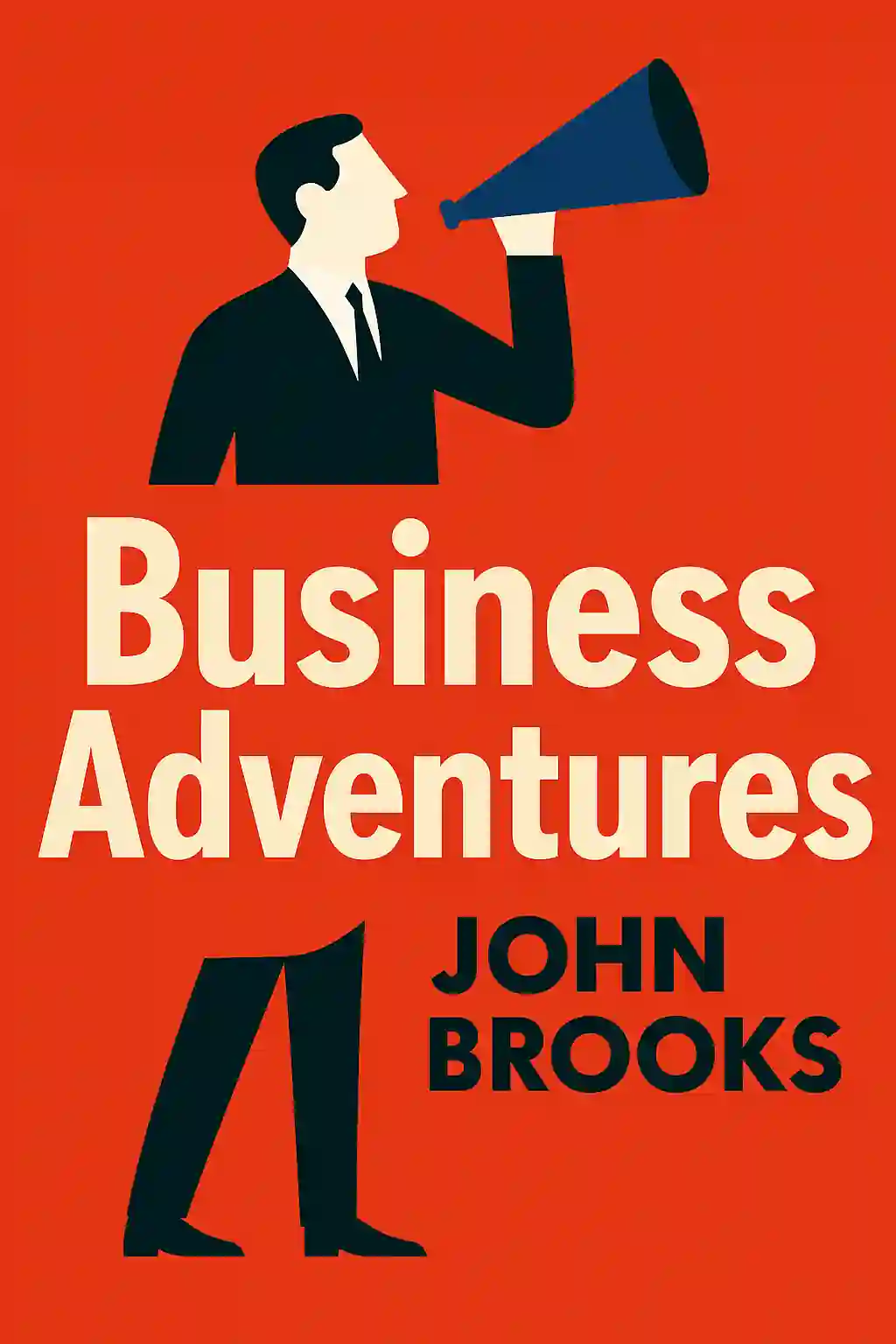
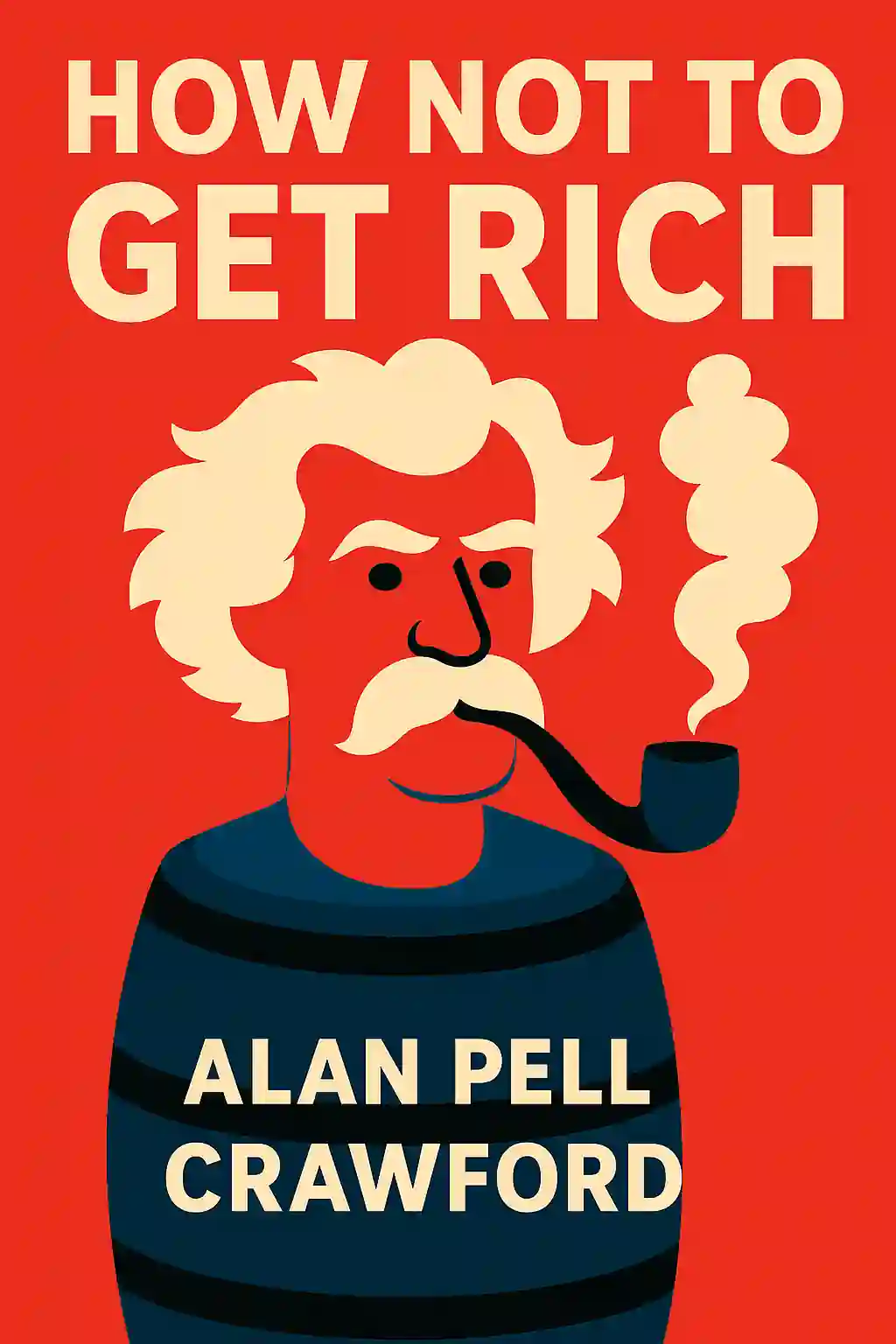
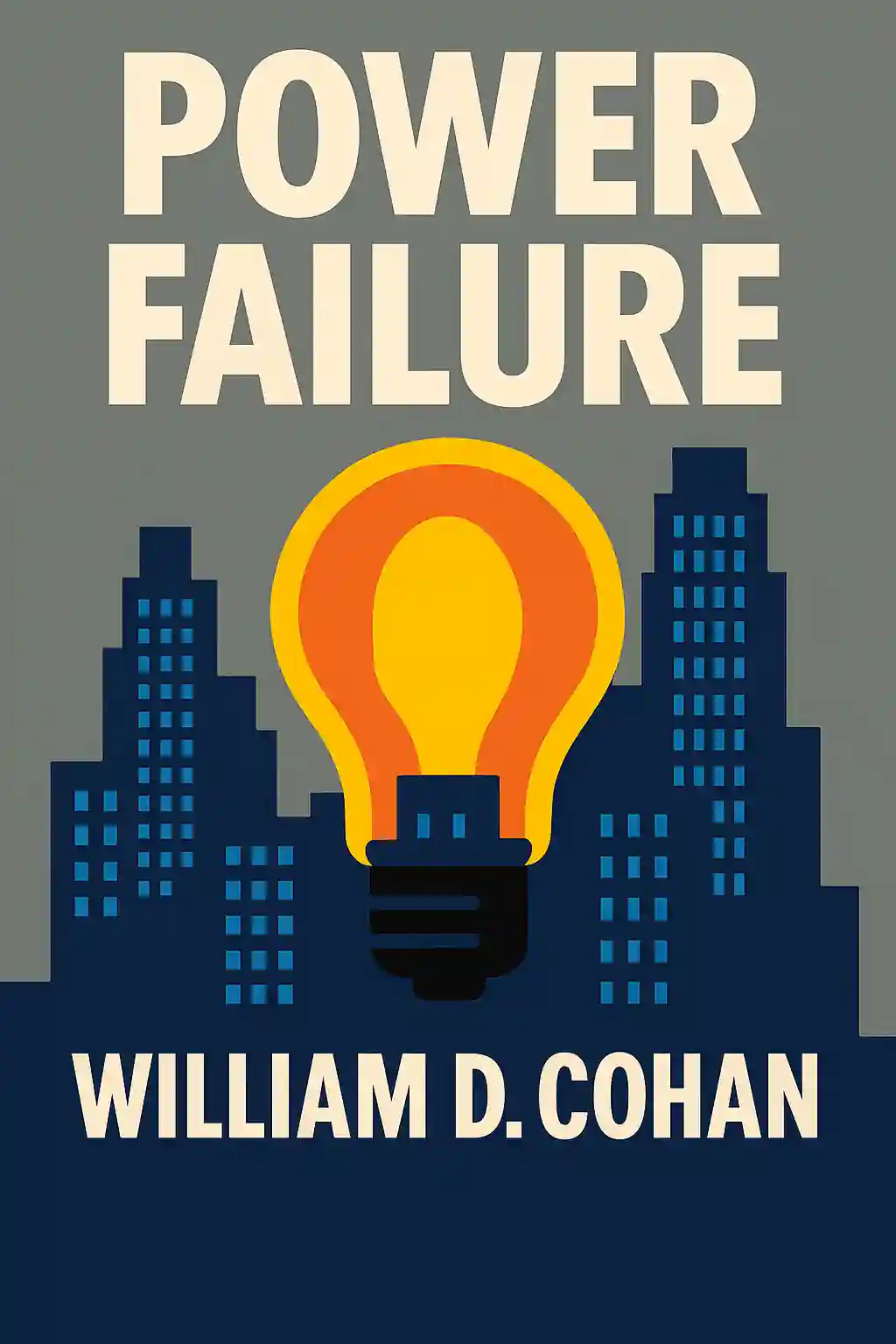
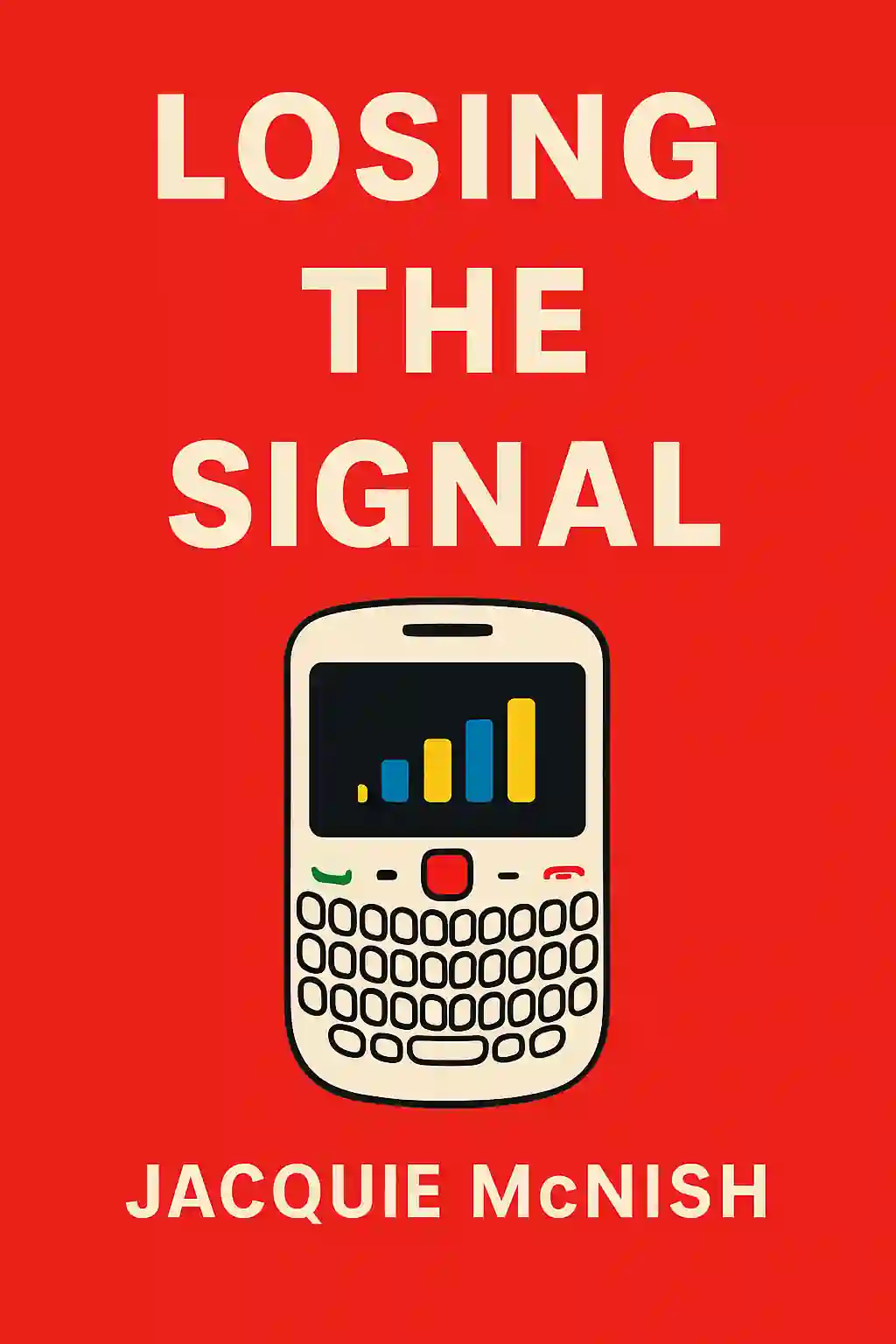
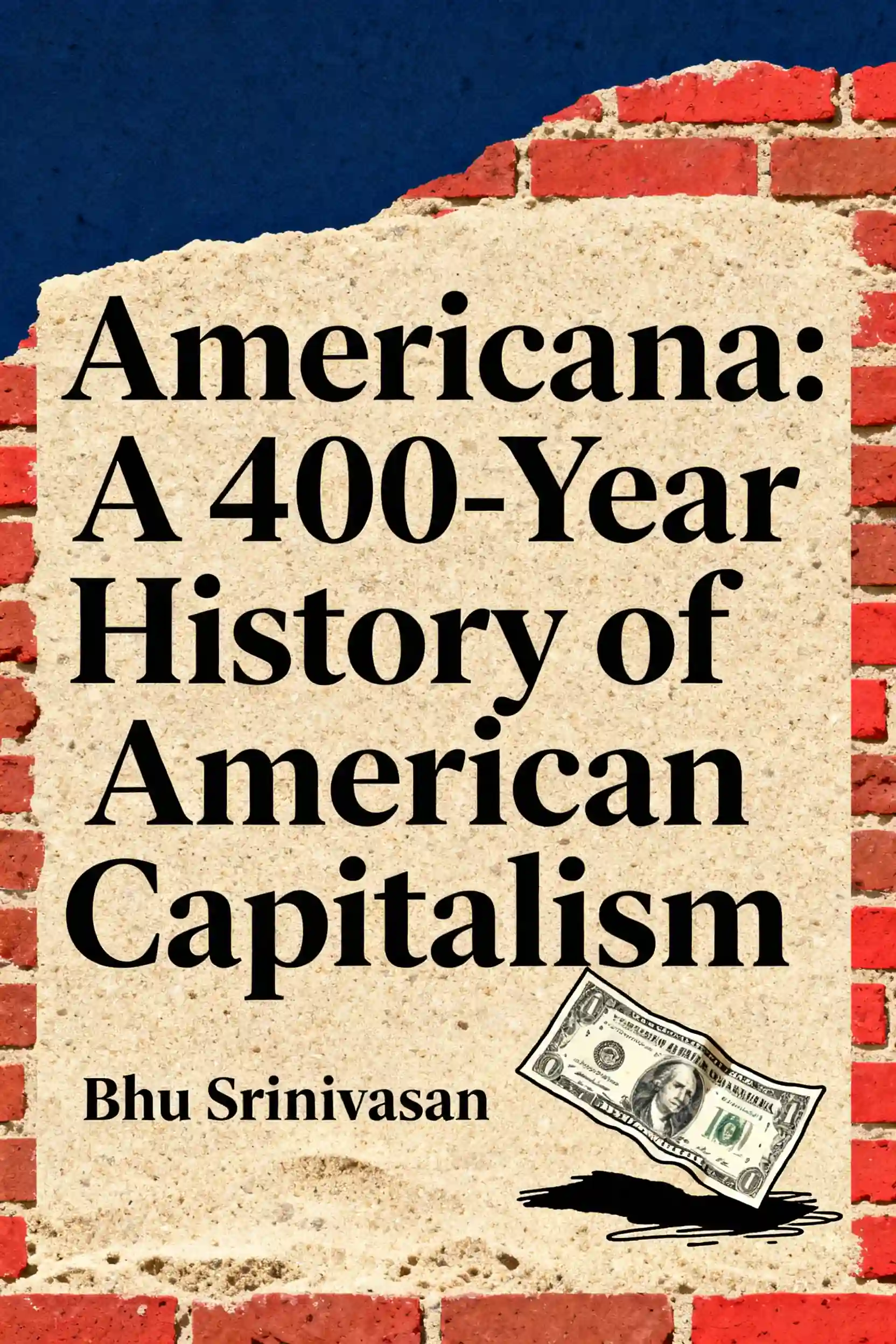
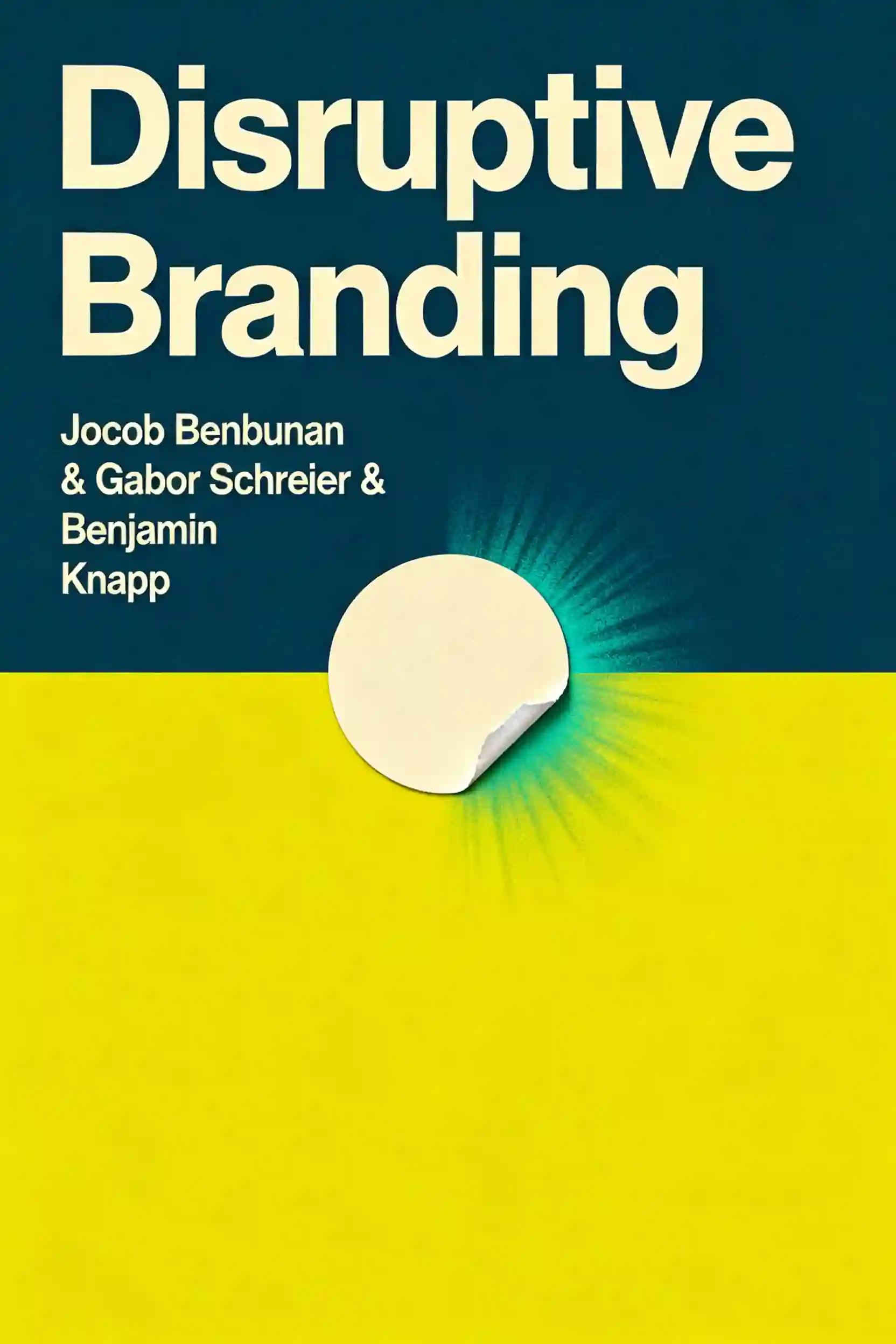
Brands that we lost in the last decade

常见问题
The "Amazon effect" refers to the massive shift in consumer behavior toward e-commerce, characterized by a preference for digital ease and fast delivery over physical shopping. By 2017, Amazon was generating more than half of all retail sales growth in the US, creating a "digital juggernaut" that forced brick-and-mortar stores to either evolve rapidly or face closure. This shift turned many malls into "ghost towns" as consumers began valuing their time and the convenience of shopping from home over the traditional social activity of visiting a physical store.
Many iconic brands failed not just because of declining sales, but due to "leveraged buyouts" where private equity firms purchased retailers using massive amounts of debt and then transferred that debt onto the retailer’s own balance sheet. This financial maneuver left companies like Toys "R" Us and Nine West struggling to pay hundreds of millions in annual interest instead of investing in modernizing their stores or websites. When a company is buried under such debt, it loses the cash flow necessary to weather "bad quarters" or pivot when consumer tastes change, often leading to a downward spiral of poor staffing and messy stores that further drives customers away.
Forever 21 and similar brands suffered from a "double whammy" of overexpansion and digital competition. They built massive, expensive multi-level stores in dying malls, making them less agile than newer, digital-only competitors. Additionally, as consumer tastes shifted toward sustainability and "athleisure," the fast fashion model of chasing rapid trends in large physical spaces became a liability. The script notes that these large store networks are the opposite of agile, making it difficult for them to change direction as quickly as the "jet ski" models of online-only retailers.
Successful retailers have adopted an "omnichannel" approach, blending physical and digital experiences to create a "halo effect" where physical stores drive traffic to their websites. Strategies include using augmented reality (AR) for virtual try-ons, automating supply chains with robots to lower costs, and shrinking store footprints to offer more curated, high-quality selections. Many survivors have also implemented the "BOPIS" model (Buy Online, Pick Up In-Store), which provides the instant gratification of a physical location with the convenience of internet browsing.
The "middle-class squeeze" refers to a structural economic shift where traditional middle-class department stores like Sears and JCPenney lost their customer base. As the middle class shrank, shoppers migrated either toward high-end luxury brands or low-end discount retailers like Walmart, Target, and dollar stores. This left the "middle" of the market in a danger zone, leading to the near-total disappearance of legacy brands that failed to provide either extreme value or a high-end luxury experience.
由哥伦比亚大学校友创建 源自旧金山
BeFreed 汇聚全球求知若渴的学习者


"Instead of endless scrolling, I just hit play on BeFreed. It saves me so much time."


"I never knew where to start with nonfiction—BeFreed’s book lists turned into podcasts gave me a clear path."


"Perfect balance between learning and entertainment. Finished ‘Thinking, Fast and Slow’ on my commute this week."
"Crazy how much I learned while walking the dog. BeFreed = small habits → big gains."
"Reading used to feel like a chore. Now it’s just part of my lifestyle."

"Feels effortless compared to reading. I’ve finished 6 books this month already."
"BeFreed turned my guilty doomscrolling into something that feels productive and inspiring."

"BeFreed turned my commute into learning time. 20-min podcasts are perfect for finishing books I never had time for."
"BeFreed replaced my podcast queue. Imagine Spotify for books — that’s it. 🙌"

"It is great for me to learn something from the book without reading it."
"The themed book list podcasts help me connect ideas across authors—like a guided audio journey."
"Makes me feel smarter every time before going to work"
由哥伦比亚大学校友创建 源自旧金山
BeFreed 汇聚全球求知若渴的学习者
"Instead of endless scrolling, I just hit play on BeFreed. It saves me so much time."
"I never knew where to start with nonfiction—BeFreed’s book lists turned into podcasts gave me a clear path."
"Perfect balance between learning and entertainment. Finished ‘Thinking, Fast and Slow’ on my commute this week."
"Crazy how much I learned while walking the dog. BeFreed = small habits → big gains."
"Reading used to feel like a chore. Now it’s just part of my lifestyle."
"Feels effortless compared to reading. I’ve finished 6 books this month already."
"BeFreed turned my guilty doomscrolling into something that feels productive and inspiring."
"BeFreed turned my commute into learning time. 20-min podcasts are perfect for finishing books I never had time for."
"BeFreed replaced my podcast queue. Imagine Spotify for books — that’s it. 🙌"
"It is great for me to learn something from the book without reading it."
"The themed book list podcasts help me connect ideas across authors—like a guided audio journey."
"Makes me feel smarter every time before going to work"
"Instead of endless scrolling, I just hit play on BeFreed. It saves me so much time."
"I never knew where to start with nonfiction—BeFreed’s book lists turned into podcasts gave me a clear path."
"Perfect balance between learning and entertainment. Finished ‘Thinking, Fast and Slow’ on my commute this week."
"Crazy how much I learned while walking the dog. BeFreed = small habits → big gains."
"Reading used to feel like a chore. Now it’s just part of my lifestyle."
"Feels effortless compared to reading. I’ve finished 6 books this month already."
"BeFreed turned my guilty doomscrolling into something that feels productive and inspiring."
"BeFreed turned my commute into learning time. 20-min podcasts are perfect for finishing books I never had time for."
"BeFreed replaced my podcast queue. Imagine Spotify for books — that’s it. 🙌"
"It is great for me to learn something from the book without reading it."
"The themed book list podcasts help me connect ideas across authors—like a guided audio journey."
"Makes me feel smarter every time before going to work"
"Instead of endless scrolling, I just hit play on BeFreed. It saves me so much time."
"I never knew where to start with nonfiction—BeFreed’s book lists turned into podcasts gave me a clear path."
"Perfect balance between learning and entertainment. Finished ‘Thinking, Fast and Slow’ on my commute this week."
"Crazy how much I learned while walking the dog. BeFreed = small habits → big gains."
"Reading used to feel like a chore. Now it’s just part of my lifestyle."
"Feels effortless compared to reading. I’ve finished 6 books this month already."
"BeFreed turned my guilty doomscrolling into something that feels productive and inspiring."
"BeFreed turned my commute into learning time. 20-min podcasts are perfect for finishing books I never had time for."
"BeFreed replaced my podcast queue. Imagine Spotify for books — that’s it. 🙌"
"It is great for me to learn something from the book without reading it."
"The themed book list podcasts help me connect ideas across authors—like a guided audio journey."
"Makes me feel smarter every time before going to work"