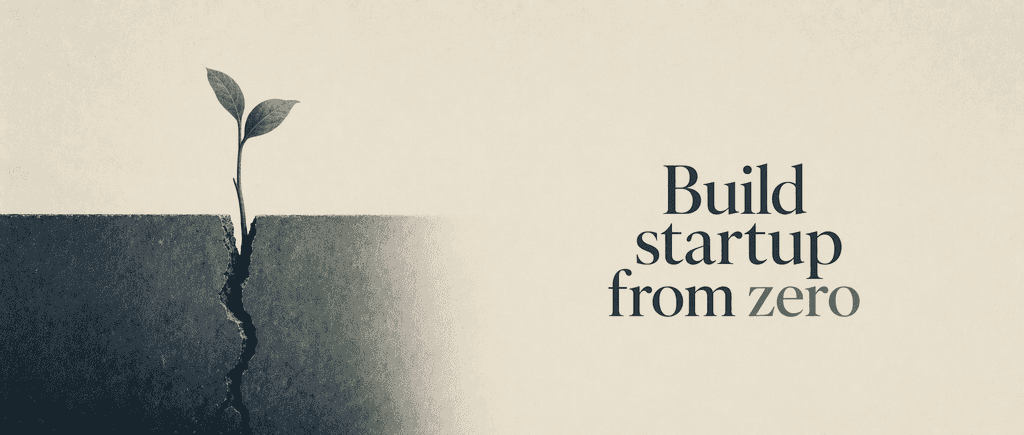
Indian Startup Government Initiatives: Policies, Tax & Funding
Explore how Indian government initiatives, tax incentives, and funding schemes are transforming the startup ecosystem through strategic policies and reforms.

Indian Startup Government Initiatives: Policies, Tax & Funding最佳语录
The 'funding winter' that people talked about a few years ago has really been replaced by a 'policy spring' in 2026. The capital is there, the regulatory barriers are falling, and the government is actively trying to de-risk your journey.
Generated by VIKASH KUMAR JAIN
Analyzing the government initiatives and policies that support Indian startups, including tax incentives, funding schemes, and regulatory reforms.

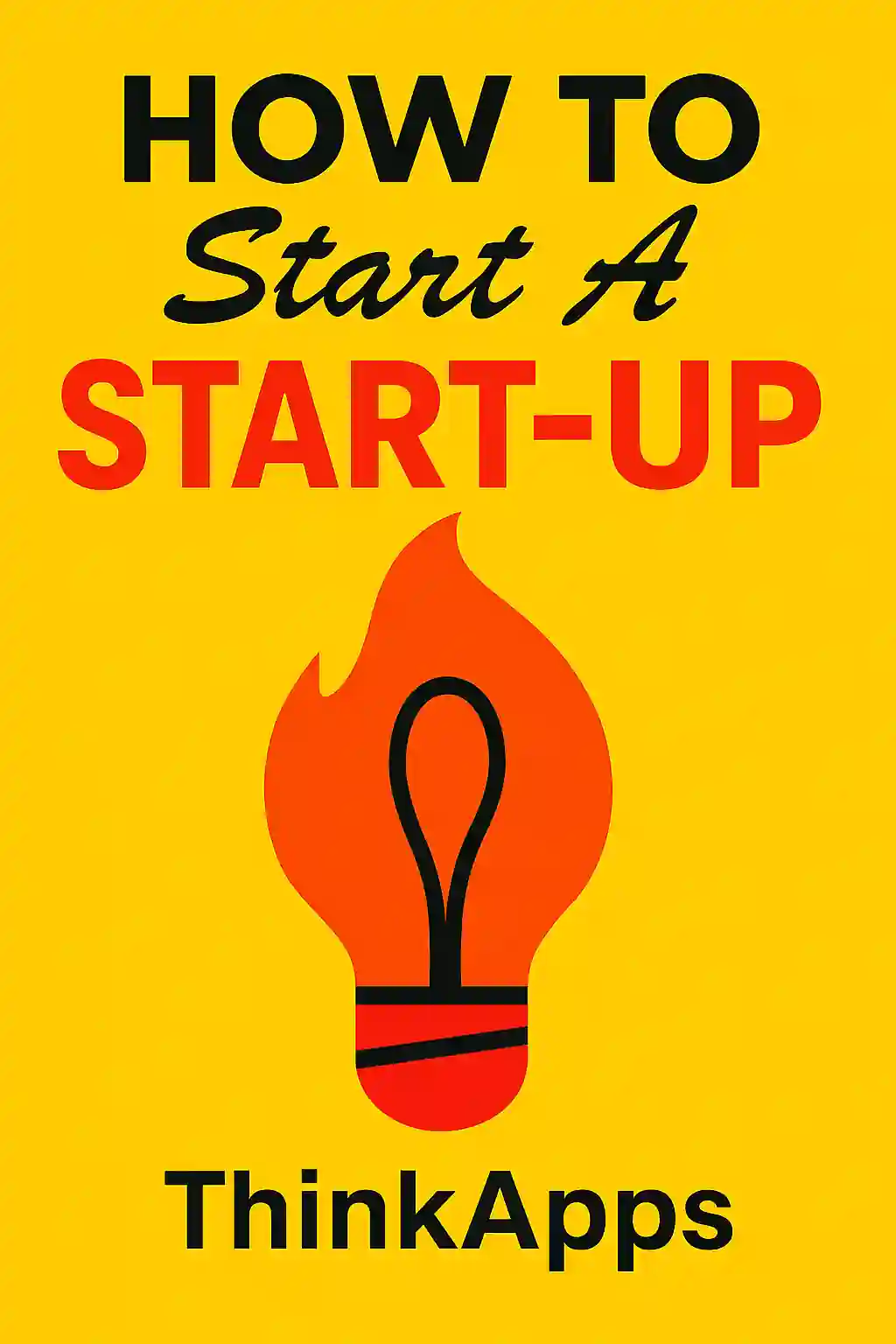
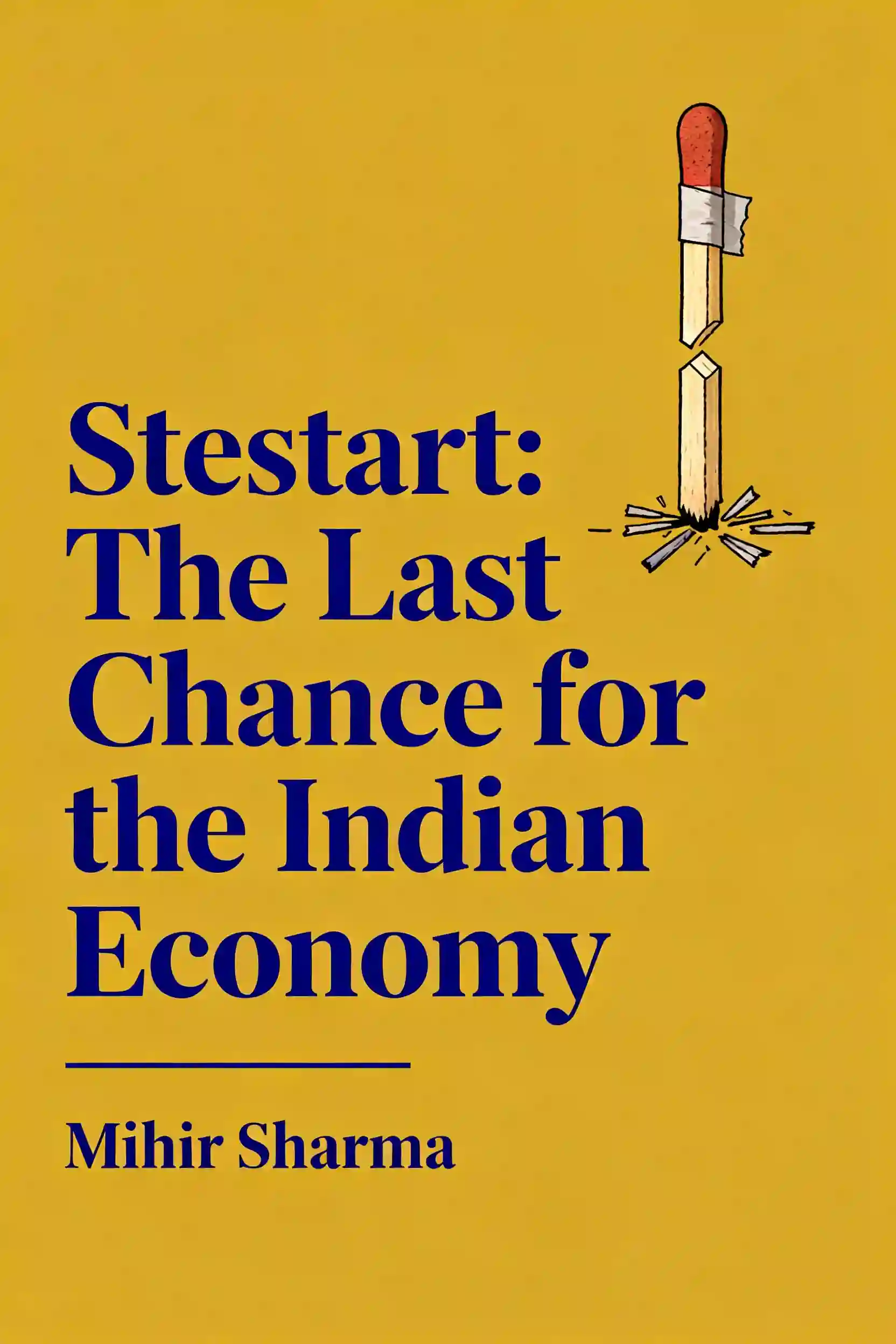
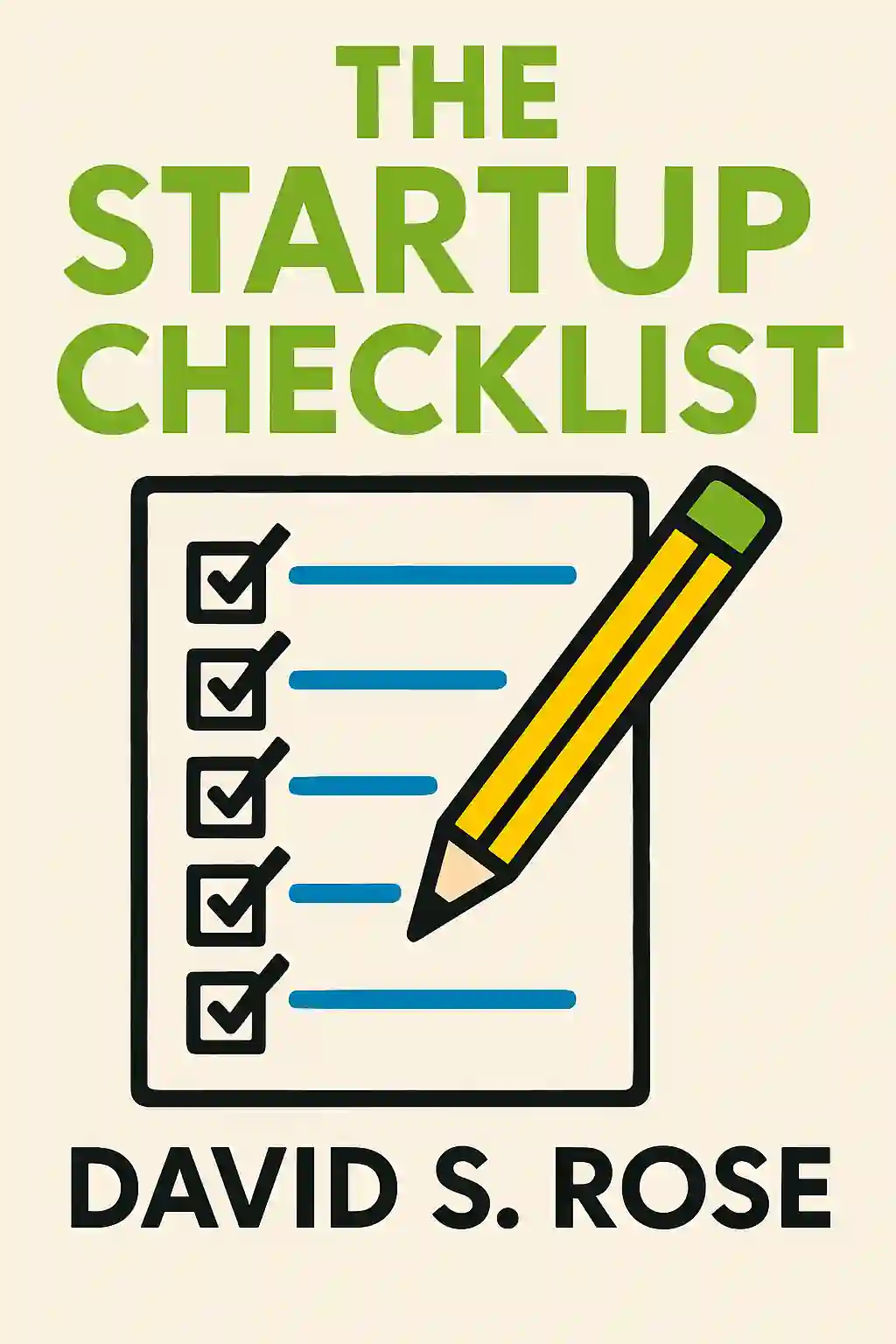


常见问题
The Indian government has launched several initiatives, most notably the Startup India program, to foster a culture of innovation and entrepreneurship. These policies focus on simplifying regulatory processes, providing financial support through various funding schemes, and offering networking opportunities for founders. By reducing the administrative burden on new businesses, these initiatives aim to accelerate growth and make Indian startups more competitive on a global scale.
Tax incentives for startups are designed to help new companies reinvest their capital into growth and development. Eligible startups can benefit from income tax exemptions for a specific period and relief from capital gains taxes. These fiscal measures are crucial for maintaining liquidity during the early stages of a business, allowing Indian entrepreneurship to thrive by lowering the overall cost of operations and encouraging long-term investment.
Regulatory reforms are essential for creating a business-friendly environment by removing bureaucratic hurdles and simplifying compliance. The government has introduced measures such as self-certification for labor and environmental laws, faster patent examinations, and easier exit processes for failed ventures. These reforms reduce the time and resources startups spend on legal formalities, allowing founders to focus more on product innovation and scaling their operations within the Indian market.
The government provides various funding schemes to address the capital needs of startups at different stages of their lifecycle. This includes the Fund of Funds for Startups (FFS) and the Startup India Seed Fund Scheme, which provide essential early-stage capital. By offering grants, soft loans, and equity investments, these schemes ensure that promising Indian startups have access to the necessary financial resources to move from the idea phase to commercialization.
"Instead of endless scrolling, I just hit play on BeFreed. It saves me so much time."


"I never knew where to start with nonfiction—BeFreed’s book lists turned into podcasts gave me a clear path."


"Perfect balance between learning and entertainment. Finished ‘Thinking, Fast and Slow’ on my commute this week."
"Crazy how much I learned while walking the dog. BeFreed = small habits → big gains."
"Reading used to feel like a chore. Now it’s just part of my lifestyle."

"Feels effortless compared to reading. I’ve finished 6 books this month already."
"BeFreed turned my guilty doomscrolling into something that feels productive and inspiring."

"BeFreed turned my commute into learning time. 20-min podcasts are perfect for finishing books I never had time for."
"BeFreed replaced my podcast queue. Imagine Spotify for books — that’s it. 🙌"

"It is great for me to learn something from the book without reading it."
"The themed book list podcasts help me connect ideas across authors—like a guided audio journey."
"Makes me feel smarter every time before going to work"
"Instead of endless scrolling, I just hit play on BeFreed. It saves me so much time."
"I never knew where to start with nonfiction—BeFreed’s book lists turned into podcasts gave me a clear path."
"Perfect balance between learning and entertainment. Finished ‘Thinking, Fast and Slow’ on my commute this week."
"Crazy how much I learned while walking the dog. BeFreed = small habits → big gains."
"Reading used to feel like a chore. Now it’s just part of my lifestyle."
"Feels effortless compared to reading. I’ve finished 6 books this month already."
"BeFreed turned my guilty doomscrolling into something that feels productive and inspiring."
"BeFreed turned my commute into learning time. 20-min podcasts are perfect for finishing books I never had time for."
"BeFreed replaced my podcast queue. Imagine Spotify for books — that’s it. 🙌"
"It is great for me to learn something from the book without reading it."
"The themed book list podcasts help me connect ideas across authors—like a guided audio journey."
"Makes me feel smarter every time before going to work"
"Instead of endless scrolling, I just hit play on BeFreed. It saves me so much time."
"I never knew where to start with nonfiction—BeFreed’s book lists turned into podcasts gave me a clear path."
"Perfect balance between learning and entertainment. Finished ‘Thinking, Fast and Slow’ on my commute this week."
"Crazy how much I learned while walking the dog. BeFreed = small habits → big gains."
"Reading used to feel like a chore. Now it’s just part of my lifestyle."
"Feels effortless compared to reading. I’ve finished 6 books this month already."
"BeFreed turned my guilty doomscrolling into something that feels productive and inspiring."
"BeFreed turned my commute into learning time. 20-min podcasts are perfect for finishing books I never had time for."
"BeFreed replaced my podcast queue. Imagine Spotify for books — that’s it. 🙌"
"It is great for me to learn something from the book without reading it."
"The themed book list podcasts help me connect ideas across authors—like a guided audio journey."
"Makes me feel smarter every time before going to work"
"Instead of endless scrolling, I just hit play on BeFreed. It saves me so much time."
"I never knew where to start with nonfiction—BeFreed’s book lists turned into podcasts gave me a clear path."
"Perfect balance between learning and entertainment. Finished ‘Thinking, Fast and Slow’ on my commute this week."
"Crazy how much I learned while walking the dog. BeFreed = small habits → big gains."
"Reading used to feel like a chore. Now it’s just part of my lifestyle."
"Feels effortless compared to reading. I’ve finished 6 books this month already."
"BeFreed turned my guilty doomscrolling into something that feels productive and inspiring."
"BeFreed turned my commute into learning time. 20-min podcasts are perfect for finishing books I never had time for."
"BeFreed replaced my podcast queue. Imagine Spotify for books — that’s it. 🙌"
"It is great for me to learn something from the book without reading it."
"The themed book list podcasts help me connect ideas across authors—like a guided audio journey."
"Makes me feel smarter every time before going to work"