Debt Financing Options for Indian Businesses: Loans, ECBs, and Bonds最佳语录
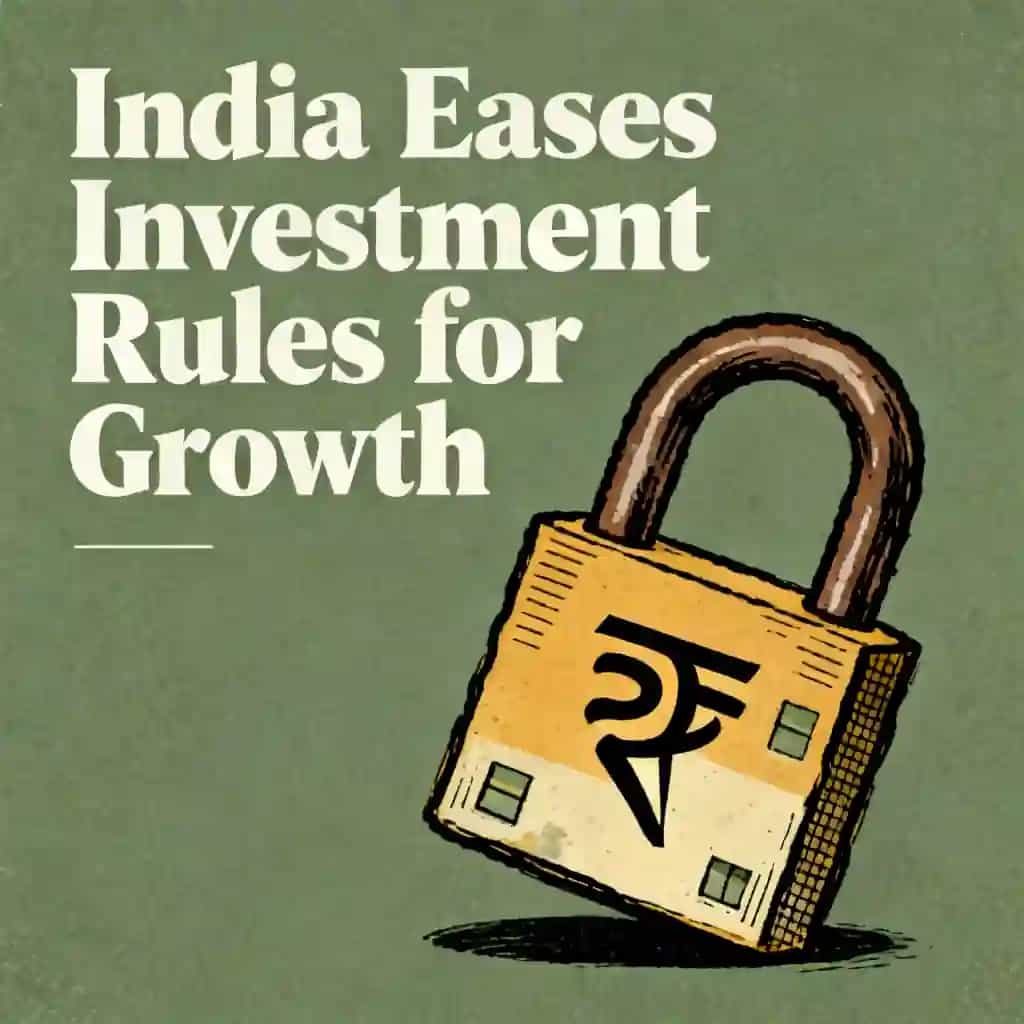
The 2026 reforms have shifted the Indian credit market toward a principle-based system, moving from a rigid 'thou shalt not' approach to one where the market determines terms as long as they are commercially justified and defensible.

此音频课程由 BeFreed 社区成员创建
This subtopic would discuss the debt financing options available to Indian businesses, including term loans, working capital loans, external commercial borrowings (ECBs), and bond issues, and explore the factors that influence the choice between different debt financing options.


常见问题
Indian businesses can access several debt financing avenues depending on their specific needs and scale. Common options include term loans for long-term investments and working capital loans to manage day-to-day operational expenses. Additionally, larger corporations often utilize bond issues to raise capital from the public or institutional investors, as well as External Commercial Borrowings (ECBs) to tap into foreign currency funds from international lenders.
External Commercial Borrowings, or ECBs, allow Indian businesses to borrow money from non-resident lenders in foreign currency. This option is particularly attractive because it often provides access to lower interest rates compared to domestic markets and allows for larger loan amounts. However, companies must consider factors like exchange rate volatility and regulatory compliance with Reserve Bank of India guidelines when choosing this debt financing route.
The decision to choose a specific debt instrument depends on several critical factors, including the purpose of the funds, the cost of borrowing, and the desired repayment tenure. Businesses must evaluate their current cash flow, the prevailing interest rates for term loans versus bonds, and the level of security or collateral required. Furthermore, the company's risk appetite and the regulatory environment significantly impact whether they pursue domestic loans or international ECBs.
Term loans are typically used for long-term capital expenditures, such as purchasing machinery or expanding infrastructure, and are repaid over a fixed schedule. In contrast, working capital loans are short-term credit facilities designed to cover immediate operational costs like inventory purchases and payroll. Choosing between them requires an analysis of the business's liquidity needs and the specific project timeline the debt is intended to fund.
发现更多

Finance Podcast Series for Indian Pros
Finance Podcast Series for Indian Pros
This series is essential for Indian professionals seeking to bridge the gap between basic savings and sophisticated wealth creation. It combines market-specific investment strategies with corporate finance expertise to accelerate both personal net worth and career trajectory.

CA & Finance: GST, Tax & Compliance Updates
CA & Finance: GST, Tax & Compliance Updates
This learning plan is essential for finance professionals and business owners navigating India's complex regulatory environment. It bridges the gap between traditional tax compliance and modern, AI-driven financial advisory roles.

Finance, Environment & Education Study
Finance, Environment & Education Study
This study is essential for professionals looking to bridge the gap between capital markets and social responsibility. It is ideal for investors, policymakers, and educators aiming to master the intersection of green finance and impact-driven learning systems.

Finace and business
Finace and business
This comprehensive curriculum bridges the gap between personal wealth management and professional corporate strategy. It is ideal for aspiring entrepreneurs and professionals looking to master the financial mechanics of both their personal lives and global business markets.
Growth, Mindset, Finance & Global Insights
Growth, Mindset, Finance & Global Insights
In an increasingly volatile world, success requires a blend of mental resilience, financial literacy, and global awareness. This curriculum is designed for aspiring entrepreneurs and professionals who want to master the internal and external drivers of wealth and influence.

Nepal Banking
Nepal Banking
This plan provides a deep dive into the evolution of banking within developing economies like Nepal. It is ideal for finance students, policy enthusiasts, and banking professionals looking to navigate the intersection of traditional central banking and the modern digital revolution.

learn fintech
learn fintech
As digital transformation reshapes global finance, understanding the intersection of technology and capital is essential for staying competitive. This plan is designed for professionals, entrepreneurs, and investors looking to navigate the complex landscape of blockchain, AI-driven banking, and fintech innovation.

India-China Import-Export Business Guide
India-China Import-Export Business Guide
This guide is essential for entrepreneurs and trade professionals looking to capitalize on the massive economic corridor between India and China. It provides the cultural intelligence and operational expertise needed to navigate complex regulations and build sustainable cross-border partnerships.
"Instead of endless scrolling, I just hit play on BeFreed. It saves me so much time."


"I never knew where to start with nonfiction—BeFreed’s book lists turned into podcasts gave me a clear path."


"Perfect balance between learning and entertainment. Finished ‘Thinking, Fast and Slow’ on my commute this week."
"Crazy how much I learned while walking the dog. BeFreed = small habits → big gains."
"Reading used to feel like a chore. Now it’s just part of my lifestyle."

"Feels effortless compared to reading. I’ve finished 6 books this month already."
"BeFreed turned my guilty doomscrolling into something that feels productive and inspiring."

"BeFreed turned my commute into learning time. 20-min podcasts are perfect for finishing books I never had time for."
"BeFreed replaced my podcast queue. Imagine Spotify for books — that’s it. 🙌"

"It is great for me to learn something from the book without reading it."
"The themed book list podcasts help me connect ideas across authors—like a guided audio journey."
"Makes me feel smarter every time before going to work"
"Instead of endless scrolling, I just hit play on BeFreed. It saves me so much time."
"I never knew where to start with nonfiction—BeFreed’s book lists turned into podcasts gave me a clear path."
"Perfect balance between learning and entertainment. Finished ‘Thinking, Fast and Slow’ on my commute this week."
"Crazy how much I learned while walking the dog. BeFreed = small habits → big gains."
"Reading used to feel like a chore. Now it’s just part of my lifestyle."
"Feels effortless compared to reading. I’ve finished 6 books this month already."
"BeFreed turned my guilty doomscrolling into something that feels productive and inspiring."
"BeFreed turned my commute into learning time. 20-min podcasts are perfect for finishing books I never had time for."
"BeFreed replaced my podcast queue. Imagine Spotify for books — that’s it. 🙌"
"It is great for me to learn something from the book without reading it."
"The themed book list podcasts help me connect ideas across authors—like a guided audio journey."
"Makes me feel smarter every time before going to work"
"Instead of endless scrolling, I just hit play on BeFreed. It saves me so much time."
"I never knew where to start with nonfiction—BeFreed’s book lists turned into podcasts gave me a clear path."
"Perfect balance between learning and entertainment. Finished ‘Thinking, Fast and Slow’ on my commute this week."
"Crazy how much I learned while walking the dog. BeFreed = small habits → big gains."
"Reading used to feel like a chore. Now it’s just part of my lifestyle."
"Feels effortless compared to reading. I’ve finished 6 books this month already."
"BeFreed turned my guilty doomscrolling into something that feels productive and inspiring."
"BeFreed turned my commute into learning time. 20-min podcasts are perfect for finishing books I never had time for."
"BeFreed replaced my podcast queue. Imagine Spotify for books — that’s it. 🙌"
"It is great for me to learn something from the book without reading it."
"The themed book list podcasts help me connect ideas across authors—like a guided audio journey."
"Makes me feel smarter every time before going to work"
"Instead of endless scrolling, I just hit play on BeFreed. It saves me so much time."
"I never knew where to start with nonfiction—BeFreed’s book lists turned into podcasts gave me a clear path."
"Perfect balance between learning and entertainment. Finished ‘Thinking, Fast and Slow’ on my commute this week."
"Crazy how much I learned while walking the dog. BeFreed = small habits → big gains."
"Reading used to feel like a chore. Now it’s just part of my lifestyle."
"Feels effortless compared to reading. I’ve finished 6 books this month already."
"BeFreed turned my guilty doomscrolling into something that feels productive and inspiring."
"BeFreed turned my commute into learning time. 20-min podcasts are perfect for finishing books I never had time for."
"BeFreed replaced my podcast queue. Imagine Spotify for books — that’s it. 🙌"
"It is great for me to learn something from the book without reading it."
"The themed book list podcasts help me connect ideas across authors—like a guided audio journey."
"Makes me feel smarter every time before going to work"