M&A Regulatory Framework in India: CCI and SEBI Compliance
Explore the regulatory framework for mergers and acquisitions in India. Learn about CCI and SEBI compliance requirements for successful M&A transactions.

M&A Regulatory Framework in India: CCI and SEBI Compliance最佳语录
The days of 'light-touch' regulation for minority deals are over. If you have 'material influence'—defined as the ability to exercise influence over strategic commercial decisions—you are in the system.
Generated by VIKASH KUMAR JAIN
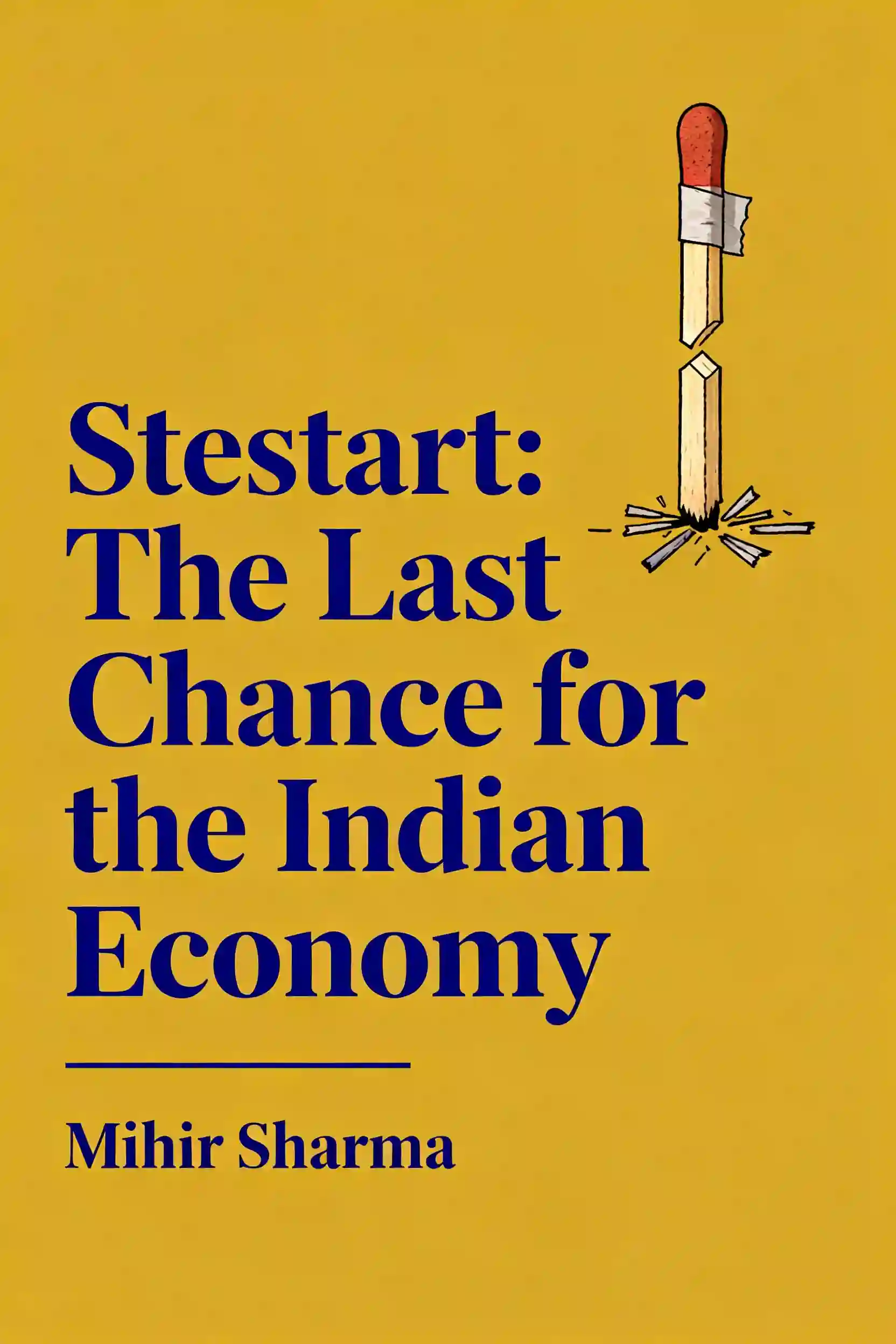
This subtopic would outline the regulatory framework governing mergers and acquisitions in India, including the roles of key regulatory bodies such as the Competition Commission of India (CCI) and SEBI, and the compliance requirements for M&A transactions.






常见问题
The regulatory framework for mergers and acquisitions in India is a comprehensive system designed to oversee corporate consolidations. It involves strict compliance with guidelines set by key governing bodies, primarily the Competition Commission of India (CCI) and the Securities and Exchange Board of India (SEBI). These regulations ensure that M&A transactions are conducted transparently, protecting market competition and investor interests while outlining the legal requirements for domestic and cross-border deals.
The Competition Commission of India (CCI) acts as the primary watchdog for M&A transactions to prevent practices that have an appreciable adverse effect on competition. Under the Indian regulatory framework, parties involved in large-scale mergers and acquisitions must seek CCI approval to ensure the deal does not lead to a monopoly or unfair market dominance. This oversight is crucial for maintaining a healthy, competitive business environment within the Indian economy.
SEBI regulates M&A transactions specifically involving listed companies to protect the interests of public shareholders. Its role includes enforcing the Substantial Acquisition of Shares and Takeovers (SAST) Regulations and ensuring that all disclosures are made accurately during a merger or acquisition. By setting these compliance requirements, SEBI ensures that M&A activities in India remain fair and that minority shareholders are given an exit opportunity or a fair price during a change in control.
Key M&A compliance requirements in India involve a multi-step process including due diligence, regulatory filings, and obtaining necessary approvals from bodies like the CCI and SEBI. Companies must adhere to the Companies Act, 2013, and follow specific sectoral caps or foreign direct investment (FDI) policies where applicable. Ensuring full compliance with these legal mandates is essential for the successful execution of M&A transactions and to avoid significant legal penalties or deal delays.
"Instead of endless scrolling, I just hit play on BeFreed. It saves me so much time."


"I never knew where to start with nonfiction—BeFreed’s book lists turned into podcasts gave me a clear path."


"Perfect balance between learning and entertainment. Finished ‘Thinking, Fast and Slow’ on my commute this week."
"Crazy how much I learned while walking the dog. BeFreed = small habits → big gains."
"Reading used to feel like a chore. Now it’s just part of my lifestyle."

"Feels effortless compared to reading. I’ve finished 6 books this month already."
"BeFreed turned my guilty doomscrolling into something that feels productive and inspiring."

"BeFreed turned my commute into learning time. 20-min podcasts are perfect for finishing books I never had time for."
"BeFreed replaced my podcast queue. Imagine Spotify for books — that’s it. 🙌"

"It is great for me to learn something from the book without reading it."
"The themed book list podcasts help me connect ideas across authors—like a guided audio journey."
"Makes me feel smarter every time before going to work"
"Instead of endless scrolling, I just hit play on BeFreed. It saves me so much time."
"I never knew where to start with nonfiction—BeFreed’s book lists turned into podcasts gave me a clear path."
"Perfect balance between learning and entertainment. Finished ‘Thinking, Fast and Slow’ on my commute this week."
"Crazy how much I learned while walking the dog. BeFreed = small habits → big gains."
"Reading used to feel like a chore. Now it’s just part of my lifestyle."
"Feels effortless compared to reading. I’ve finished 6 books this month already."
"BeFreed turned my guilty doomscrolling into something that feels productive and inspiring."
"BeFreed turned my commute into learning time. 20-min podcasts are perfect for finishing books I never had time for."
"BeFreed replaced my podcast queue. Imagine Spotify for books — that’s it. 🙌"
"It is great for me to learn something from the book without reading it."
"The themed book list podcasts help me connect ideas across authors—like a guided audio journey."
"Makes me feel smarter every time before going to work"
"Instead of endless scrolling, I just hit play on BeFreed. It saves me so much time."
"I never knew where to start with nonfiction—BeFreed’s book lists turned into podcasts gave me a clear path."
"Perfect balance between learning and entertainment. Finished ‘Thinking, Fast and Slow’ on my commute this week."
"Crazy how much I learned while walking the dog. BeFreed = small habits → big gains."
"Reading used to feel like a chore. Now it’s just part of my lifestyle."
"Feels effortless compared to reading. I’ve finished 6 books this month already."
"BeFreed turned my guilty doomscrolling into something that feels productive and inspiring."
"BeFreed turned my commute into learning time. 20-min podcasts are perfect for finishing books I never had time for."
"BeFreed replaced my podcast queue. Imagine Spotify for books — that’s it. 🙌"
"It is great for me to learn something from the book without reading it."
"The themed book list podcasts help me connect ideas across authors—like a guided audio journey."
"Makes me feel smarter every time before going to work"
"Instead of endless scrolling, I just hit play on BeFreed. It saves me so much time."
"I never knew where to start with nonfiction—BeFreed’s book lists turned into podcasts gave me a clear path."
"Perfect balance between learning and entertainment. Finished ‘Thinking, Fast and Slow’ on my commute this week."
"Crazy how much I learned while walking the dog. BeFreed = small habits → big gains."
"Reading used to feel like a chore. Now it’s just part of my lifestyle."
"Feels effortless compared to reading. I’ve finished 6 books this month already."
"BeFreed turned my guilty doomscrolling into something that feels productive and inspiring."
"BeFreed turned my commute into learning time. 20-min podcasts are perfect for finishing books I never had time for."
"BeFreed replaced my podcast queue. Imagine Spotify for books — that’s it. 🙌"
"It is great for me to learn something from the book without reading it."
"The themed book list podcasts help me connect ideas across authors—like a guided audio journey."
"Makes me feel smarter every time before going to work"