How to Be Good in Bed: Tips for Better Sexual Intimacy
Improve your sexual intimacy with practical tips on communication, performance, and connection. Learn how to be good in bed and enhance your relationship today.

How to Be Good in Bed: Tips for Better Sexual Intimacy最佳语录
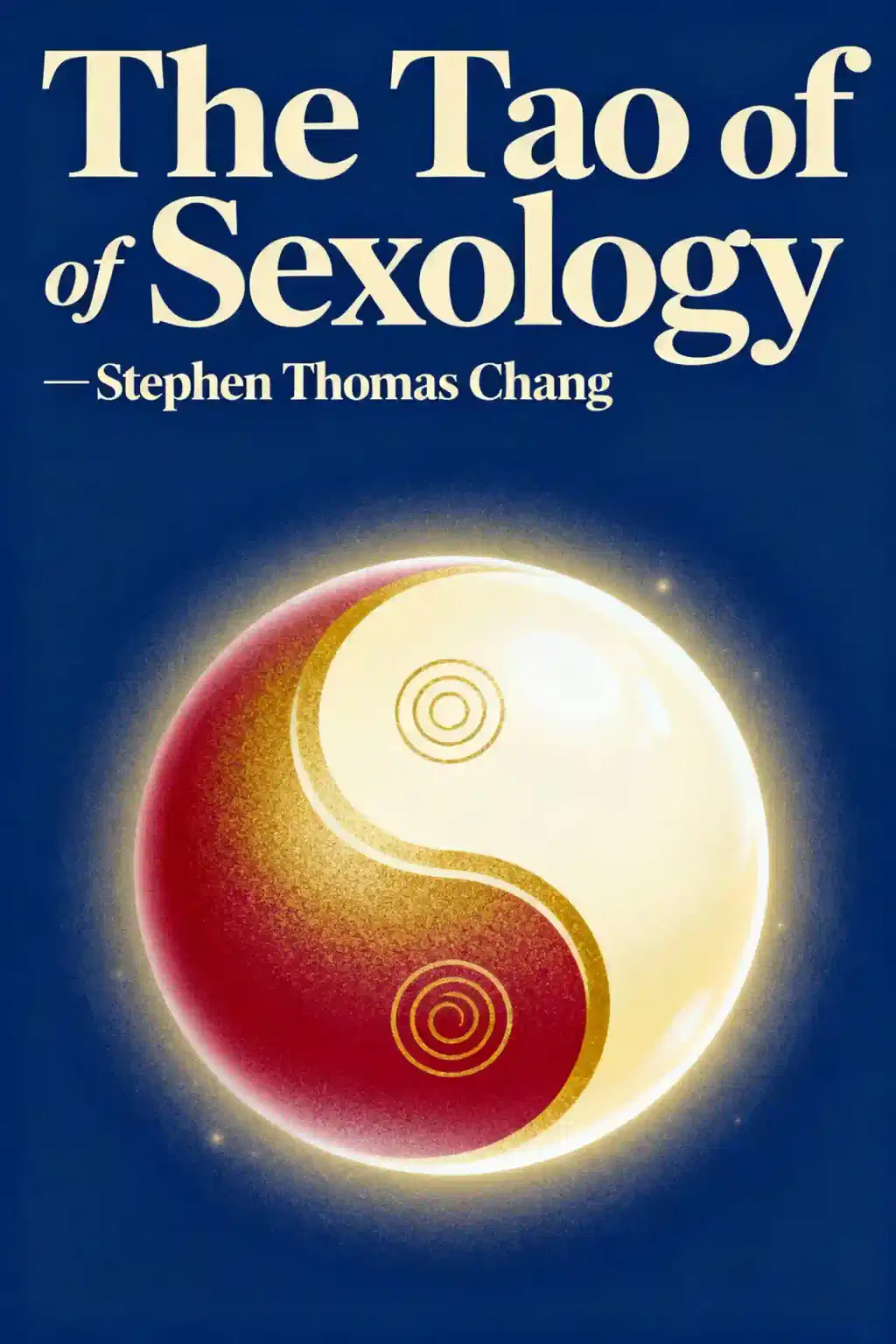
Being 'good in bed' is less about what you do with your body and more about how you show up with your heart and your words. It is a shift from performance to attunement, where the secret sauce is making sex a priority and being emotionally attuned to each other.
Generated by Brandi
How to be good in bed






常见问题
Improving your performance starts with shifting the focus from physical stamina to emotional connection and mutual satisfaction. Being good in bed involves understanding your partner's unique needs and being present in the moment. By practicing relaxation techniques and focusing on the journey rather than just the end result, you can reduce anxiety and create a more fulfilling experience for both you and your partner.
Sexual communication is the foundation of a healthy and vibrant sex life. It involves openly discussing your desires, boundaries, and preferences with your partner outside and inside the bedroom. When you communicate clearly, you build trust and eliminate guesswork, which leads to deeper intimacy. This honest exchange helps both partners feel safe and valued, ultimately making the physical connection much stronger and more enjoyable.
To achieve a better sex life, prioritize quality time and relationship health as much as the physical act itself. Incorporating variety, focusing on foreplay, and maintaining a sense of curiosity can keep the spark alive. Additionally, following expert relationship advice regarding stress management and physical health can significantly impact your libido and overall sexual satisfaction, ensuring that your intimate moments remain a positive part of your partnership.
Building intimacy requires a combination of emotional vulnerability and physical affection. Beyond the bedroom, small gestures like holding hands, sharing your thoughts, and active listening create a secure bond. These actions foster a sense of closeness that naturally translates into better sexual intimacy. When both partners feel emotionally supported, they are more likely to be adventurous and expressive, leading to a more rewarding and connected sex life.
"Instead of endless scrolling, I just hit play on BeFreed. It saves me so much time."


"I never knew where to start with nonfiction—BeFreed’s book lists turned into podcasts gave me a clear path."


"Perfect balance between learning and entertainment. Finished ‘Thinking, Fast and Slow’ on my commute this week."
"Crazy how much I learned while walking the dog. BeFreed = small habits → big gains."
"Reading used to feel like a chore. Now it’s just part of my lifestyle."

"Feels effortless compared to reading. I’ve finished 6 books this month already."
"BeFreed turned my guilty doomscrolling into something that feels productive and inspiring."

"BeFreed turned my commute into learning time. 20-min podcasts are perfect for finishing books I never had time for."
"BeFreed replaced my podcast queue. Imagine Spotify for books — that’s it. 🙌"

"It is great for me to learn something from the book without reading it."
"The themed book list podcasts help me connect ideas across authors—like a guided audio journey."
"Makes me feel smarter every time before going to work"
"Instead of endless scrolling, I just hit play on BeFreed. It saves me so much time."
"I never knew where to start with nonfiction—BeFreed’s book lists turned into podcasts gave me a clear path."
"Perfect balance between learning and entertainment. Finished ‘Thinking, Fast and Slow’ on my commute this week."
"Crazy how much I learned while walking the dog. BeFreed = small habits → big gains."
"Reading used to feel like a chore. Now it’s just part of my lifestyle."
"Feels effortless compared to reading. I’ve finished 6 books this month already."
"BeFreed turned my guilty doomscrolling into something that feels productive and inspiring."
"BeFreed turned my commute into learning time. 20-min podcasts are perfect for finishing books I never had time for."
"BeFreed replaced my podcast queue. Imagine Spotify for books — that’s it. 🙌"
"It is great for me to learn something from the book without reading it."
"The themed book list podcasts help me connect ideas across authors—like a guided audio journey."
"Makes me feel smarter every time before going to work"
"Instead of endless scrolling, I just hit play on BeFreed. It saves me so much time."
"I never knew where to start with nonfiction—BeFreed’s book lists turned into podcasts gave me a clear path."
"Perfect balance between learning and entertainment. Finished ‘Thinking, Fast and Slow’ on my commute this week."
"Crazy how much I learned while walking the dog. BeFreed = small habits → big gains."
"Reading used to feel like a chore. Now it’s just part of my lifestyle."
"Feels effortless compared to reading. I’ve finished 6 books this month already."
"BeFreed turned my guilty doomscrolling into something that feels productive and inspiring."
"BeFreed turned my commute into learning time. 20-min podcasts are perfect for finishing books I never had time for."
"BeFreed replaced my podcast queue. Imagine Spotify for books — that’s it. 🙌"
"It is great for me to learn something from the book without reading it."
"The themed book list podcasts help me connect ideas across authors—like a guided audio journey."
"Makes me feel smarter every time before going to work"
"Instead of endless scrolling, I just hit play on BeFreed. It saves me so much time."
"I never knew where to start with nonfiction—BeFreed’s book lists turned into podcasts gave me a clear path."
"Perfect balance between learning and entertainment. Finished ‘Thinking, Fast and Slow’ on my commute this week."
"Crazy how much I learned while walking the dog. BeFreed = small habits → big gains."
"Reading used to feel like a chore. Now it’s just part of my lifestyle."
"Feels effortless compared to reading. I’ve finished 6 books this month already."
"BeFreed turned my guilty doomscrolling into something that feels productive and inspiring."
"BeFreed turned my commute into learning time. 20-min podcasts are perfect for finishing books I never had time for."
"BeFreed replaced my podcast queue. Imagine Spotify for books — that’s it. 🙌"
"It is great for me to learn something from the book without reading it."
"The themed book list podcasts help me connect ideas across authors—like a guided audio journey."
"Makes me feel smarter every time before going to work"