Forgotten Aboriginal Heroes of WWI
'Black Diggers' reveals the untold stories of Aboriginal soldiers who fought for Australia in WWI despite facing discrimination, experiencing equality in battle only to return to racism at home.

Forgotten Aboriginal Heroes of WWI最佳语录
Mick's words prove prophetic: 'For you the war's over. What's starting to dawn on me is that, for us, it's never going to end.'

此音频课程由 BeFreed 社区成员创建
Black Diggers Book by Tom Wright summary

发现更多

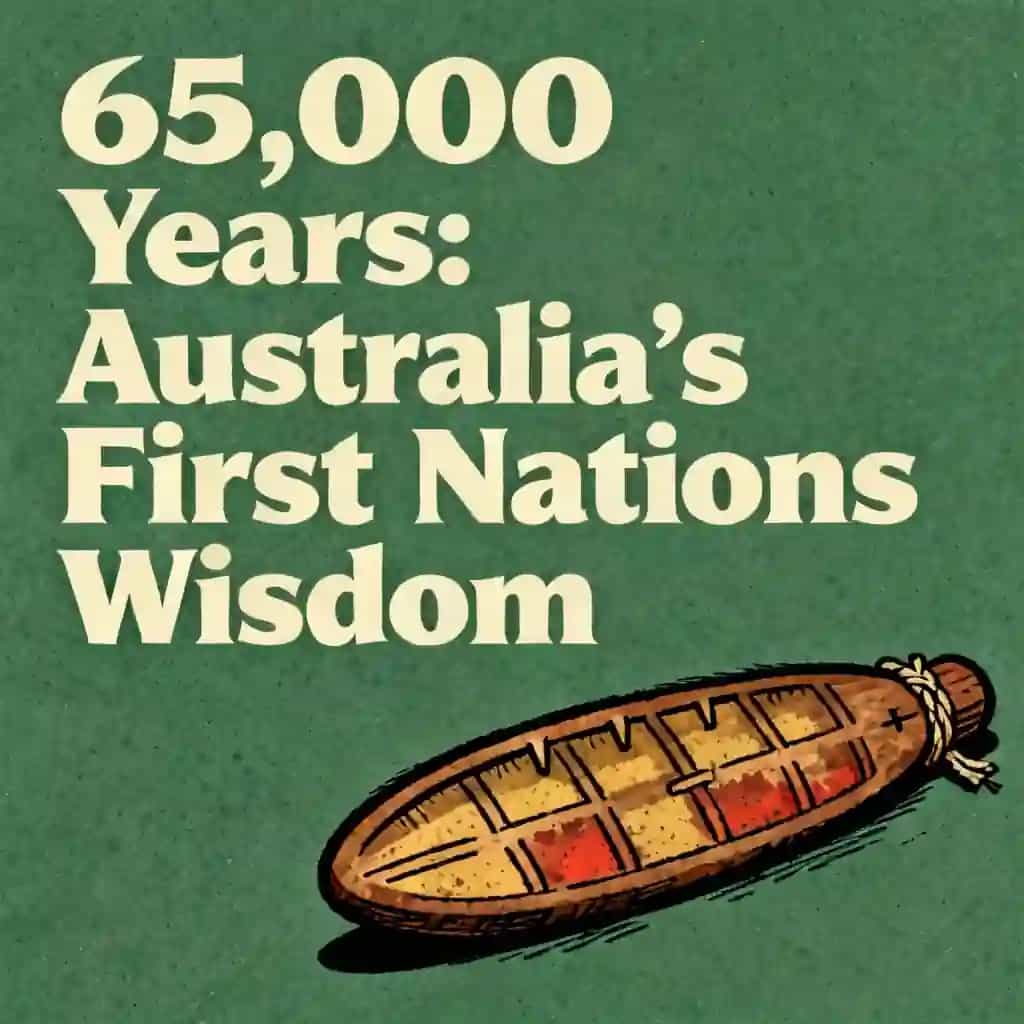
Aboriginal history & culture
This learning plan provides essential knowledge for anyone living in or connected to Australia, as well as those interested in indigenous rights and decolonization globally. It's particularly valuable for educators, policymakers, health workers, and anyone seeking to engage respectfully with Aboriginal communities or understand the foundations of reconciliation and social justice in Australia.

Learn to travel & survive in Australia
Australia's diverse environments, from scorching deserts to dense rainforests, present unique challenges and rewards for travelers. This learning plan equips adventurers with essential knowledge and survival skills to safely explore the continent while respecting its ancient cultures and delicate ecosystems.

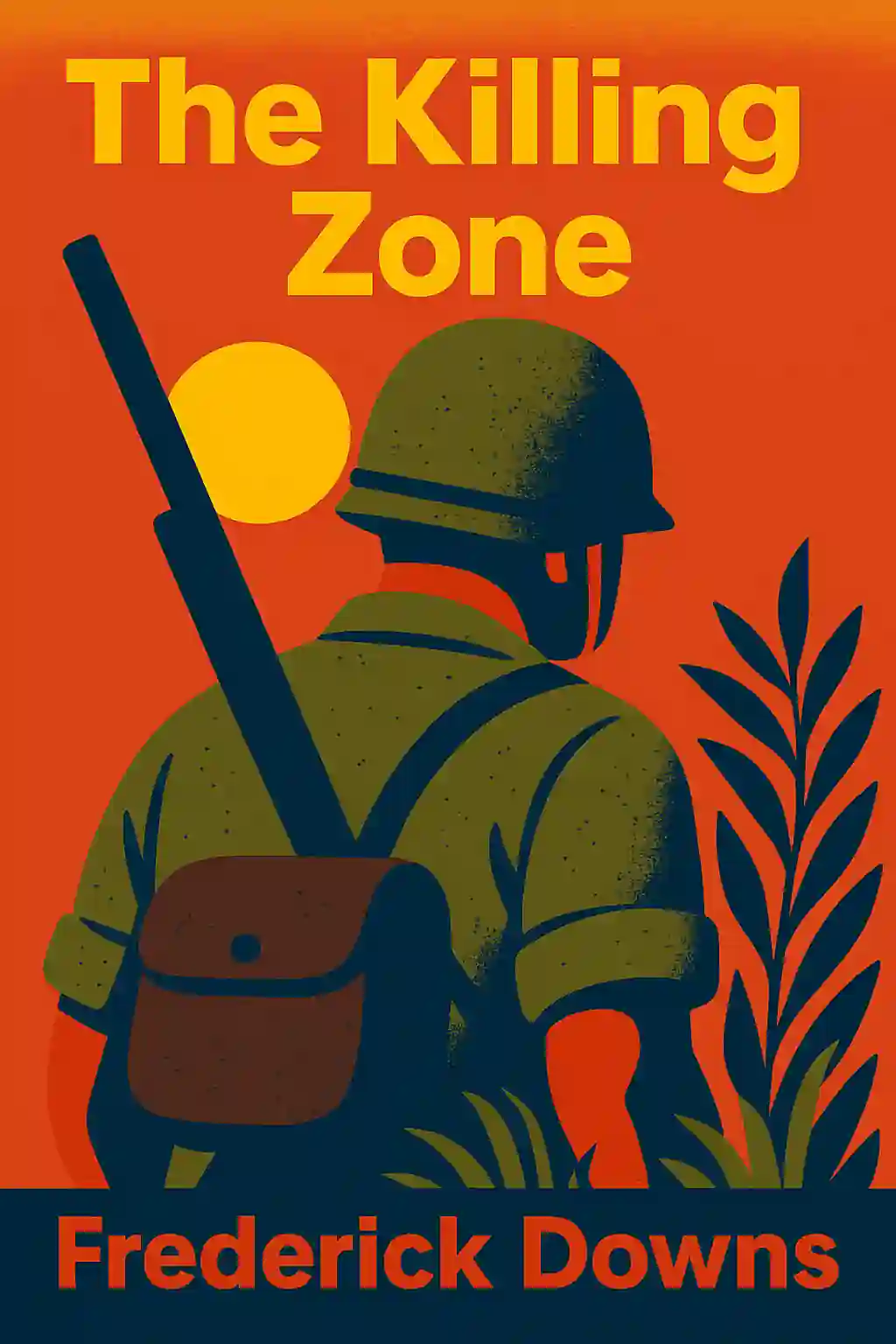
Abdulahi: US Army in Afghanistan & Iraq
This learning plan offers a comprehensive look at modern warfare through the lens of the US Army's experiences in the Middle East. It is essential for military historians, aspiring defense professionals, and anyone seeking to understand the profound human and strategic complexities of 21st-century combat.

Appreciating Black Women's Beauty
This learning plan is essential for anyone seeking to dismantle systemic beauty biases and celebrate the profound cultural impact of Black women. It is particularly beneficial for individuals looking to strengthen their self-image, educators, and allies committed to understanding intersectional feminism and authentic representation.

Dawn of the Ice Age Hunters
This plan offers a deep dive into the pivotal era when human survival evolved into sophisticated cultural expression. It is ideal for history enthusiasts and anthropology students eager to understand how Ice Age innovations laid the groundwork for modern civilization.

Learn about John Kiriakou
This plan provides a deep dive into the intersection of national security, ethics, and personal sacrifice. It is essential for students of political science, human rights advocates, or anyone interested in the real-world consequences of government whistleblowing.
Homegoing: Key Characters & Plot Summary
This plan is essential for readers and students seeking a deep dive into the historical and psychological layers of Yaa Gyasi’s epic. It is perfect for literature enthusiasts interested in how generational trauma and colonial legacies shape modern identity.

The Bronze Age Silence
This learning plan offers a deep dive into the catastrophic end of the first globalized era, making it essential for history enthusiasts and students of archaeology. It provides a comprehensive framework for understanding how environmental, military, and systemic failures converge to reshape human history.
"Instead of endless scrolling, I just hit play on BeFreed. It saves me so much time."


"I never knew where to start with nonfiction—BeFreed’s book lists turned into podcasts gave me a clear path."


"Perfect balance between learning and entertainment. Finished ‘Thinking, Fast and Slow’ on my commute this week."
"Crazy how much I learned while walking the dog. BeFreed = small habits → big gains."
"Reading used to feel like a chore. Now it’s just part of my lifestyle."

"Feels effortless compared to reading. I’ve finished 6 books this month already."
"BeFreed turned my guilty doomscrolling into something that feels productive and inspiring."

"BeFreed turned my commute into learning time. 20-min podcasts are perfect for finishing books I never had time for."
"BeFreed replaced my podcast queue. Imagine Spotify for books — that’s it. 🙌"

"It is great for me to learn something from the book without reading it."
"The themed book list podcasts help me connect ideas across authors—like a guided audio journey."
"Makes me feel smarter every time before going to work"
"Instead of endless scrolling, I just hit play on BeFreed. It saves me so much time."
"I never knew where to start with nonfiction—BeFreed’s book lists turned into podcasts gave me a clear path."
"Perfect balance between learning and entertainment. Finished ‘Thinking, Fast and Slow’ on my commute this week."
"Crazy how much I learned while walking the dog. BeFreed = small habits → big gains."
"Reading used to feel like a chore. Now it’s just part of my lifestyle."
"Feels effortless compared to reading. I’ve finished 6 books this month already."
"BeFreed turned my guilty doomscrolling into something that feels productive and inspiring."
"BeFreed turned my commute into learning time. 20-min podcasts are perfect for finishing books I never had time for."
"BeFreed replaced my podcast queue. Imagine Spotify for books — that’s it. 🙌"
"It is great for me to learn something from the book without reading it."
"The themed book list podcasts help me connect ideas across authors—like a guided audio journey."
"Makes me feel smarter every time before going to work"
"Instead of endless scrolling, I just hit play on BeFreed. It saves me so much time."
"I never knew where to start with nonfiction—BeFreed’s book lists turned into podcasts gave me a clear path."
"Perfect balance between learning and entertainment. Finished ‘Thinking, Fast and Slow’ on my commute this week."
"Crazy how much I learned while walking the dog. BeFreed = small habits → big gains."
"Reading used to feel like a chore. Now it’s just part of my lifestyle."
"Feels effortless compared to reading. I’ve finished 6 books this month already."
"BeFreed turned my guilty doomscrolling into something that feels productive and inspiring."
"BeFreed turned my commute into learning time. 20-min podcasts are perfect for finishing books I never had time for."
"BeFreed replaced my podcast queue. Imagine Spotify for books — that’s it. 🙌"
"It is great for me to learn something from the book without reading it."
"The themed book list podcasts help me connect ideas across authors—like a guided audio journey."
"Makes me feel smarter every time before going to work"
"Instead of endless scrolling, I just hit play on BeFreed. It saves me so much time."
"I never knew where to start with nonfiction—BeFreed’s book lists turned into podcasts gave me a clear path."
"Perfect balance between learning and entertainment. Finished ‘Thinking, Fast and Slow’ on my commute this week."
"Crazy how much I learned while walking the dog. BeFreed = small habits → big gains."
"Reading used to feel like a chore. Now it’s just part of my lifestyle."
"Feels effortless compared to reading. I’ve finished 6 books this month already."
"BeFreed turned my guilty doomscrolling into something that feels productive and inspiring."
"BeFreed turned my commute into learning time. 20-min podcasts are perfect for finishing books I never had time for."
"BeFreed replaced my podcast queue. Imagine Spotify for books — that’s it. 🙌"
"It is great for me to learn something from the book without reading it."
"The themed book list podcasts help me connect ideas across authors—like a guided audio journey."
"Makes me feel smarter every time before going to work"