Finding Peace When Life Falls Apart
Discover how David's midnight prayer in Psalm 3 reveals three powerful practices for unshakable confidence amid overwhelming opposition, teaching us that perfect peace comes from perfect trust, not perfect circumstances.

Finding Peace When Life Falls Apart最佳语录
Genuine peace isn't found in perfect circumstances but in perfect trust. The feelings of being outnumbered, outmaneuvered, and overwhelmed aren't signs of spiritual failure—they're simply the landscape in which faith operates.

此音频课程由 BeFreed 社区成员创建
Psalm 3-5 application and summary

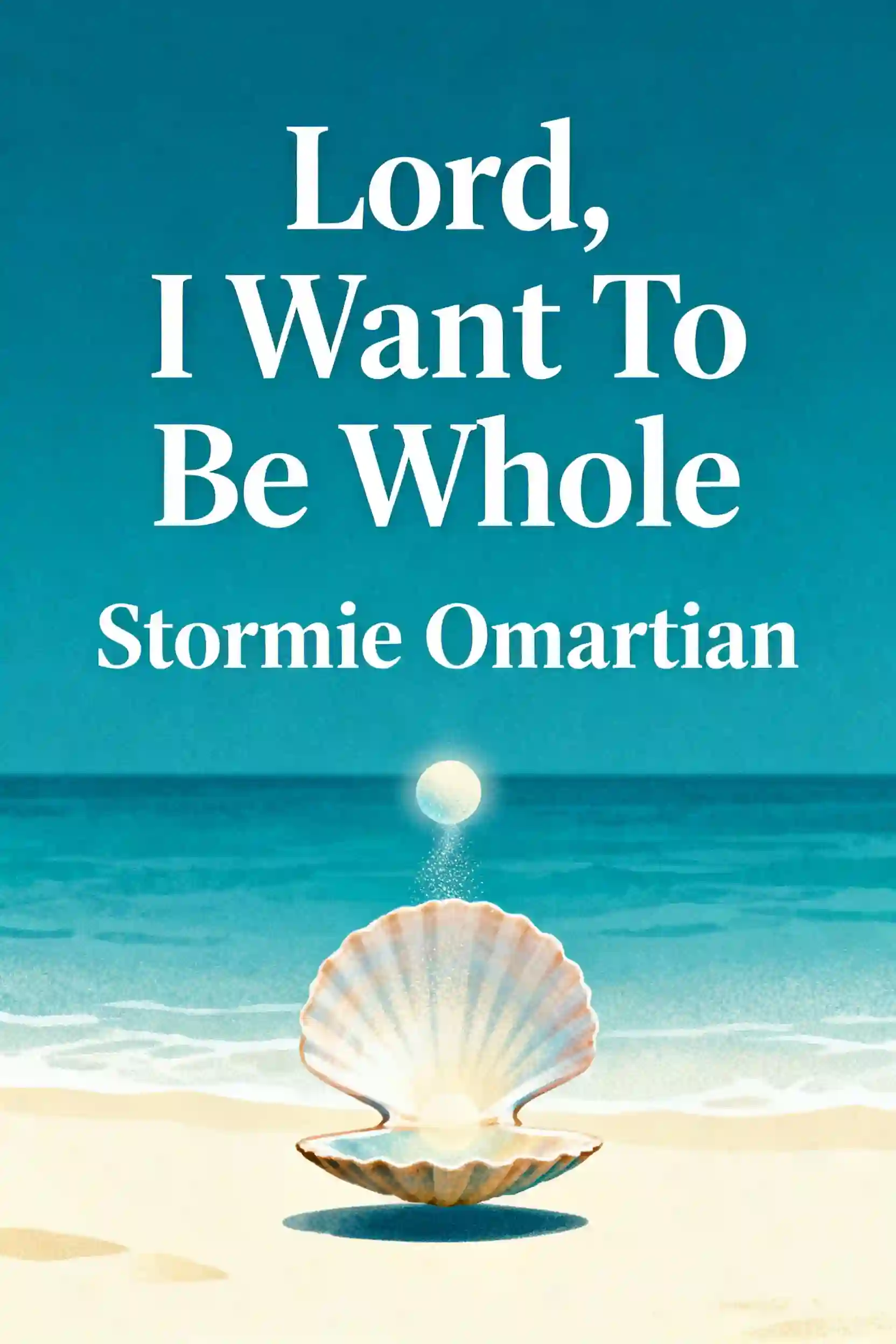
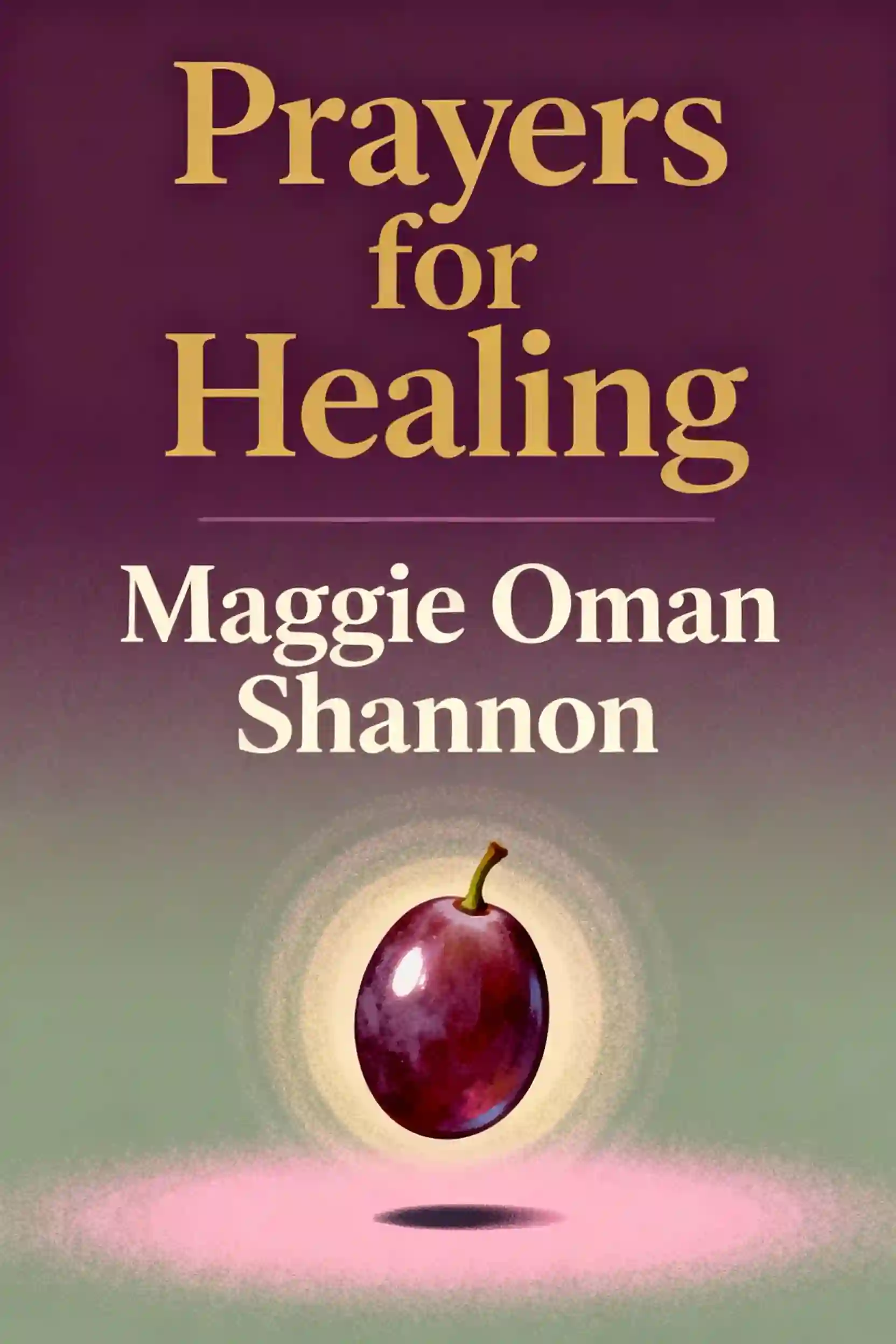
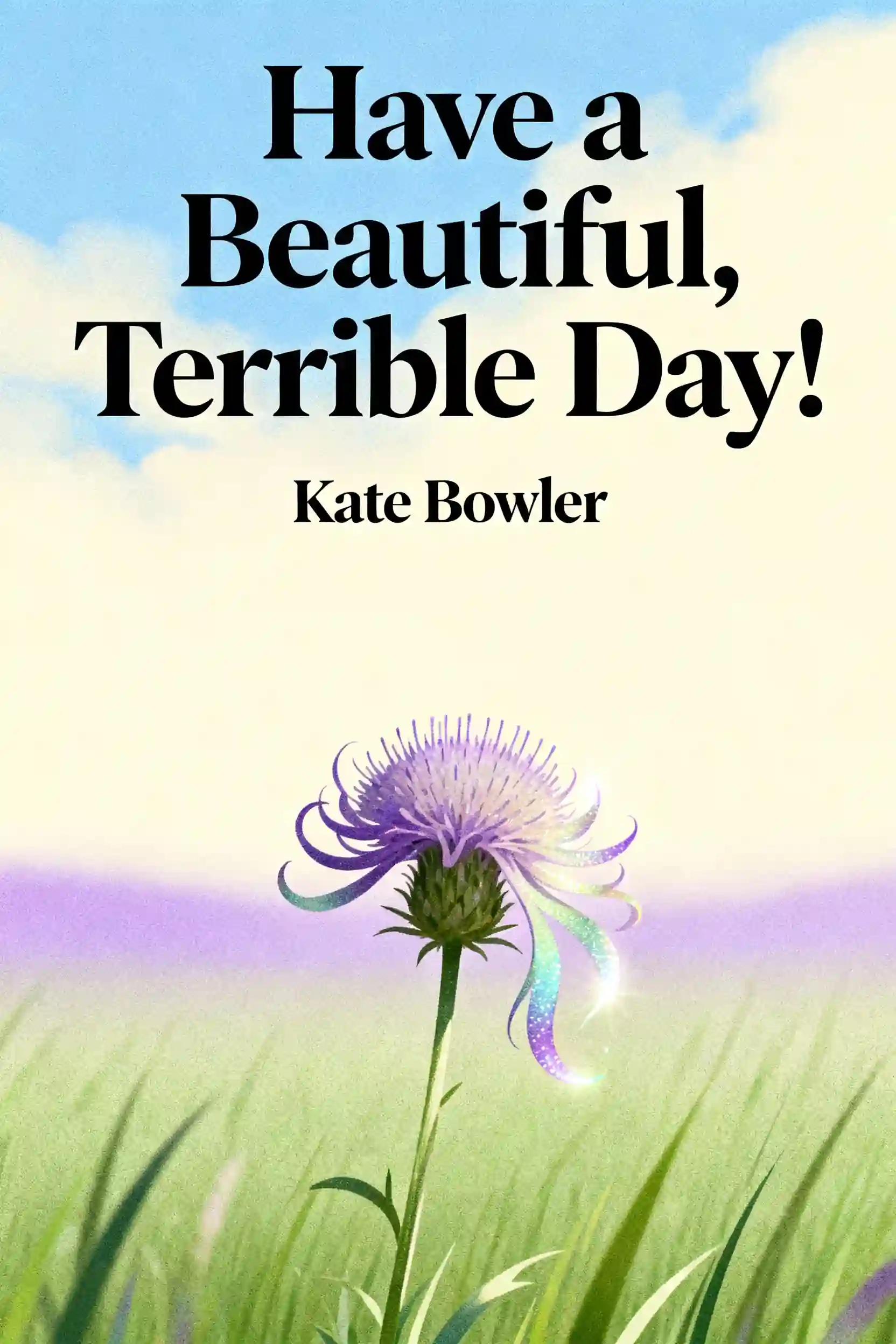
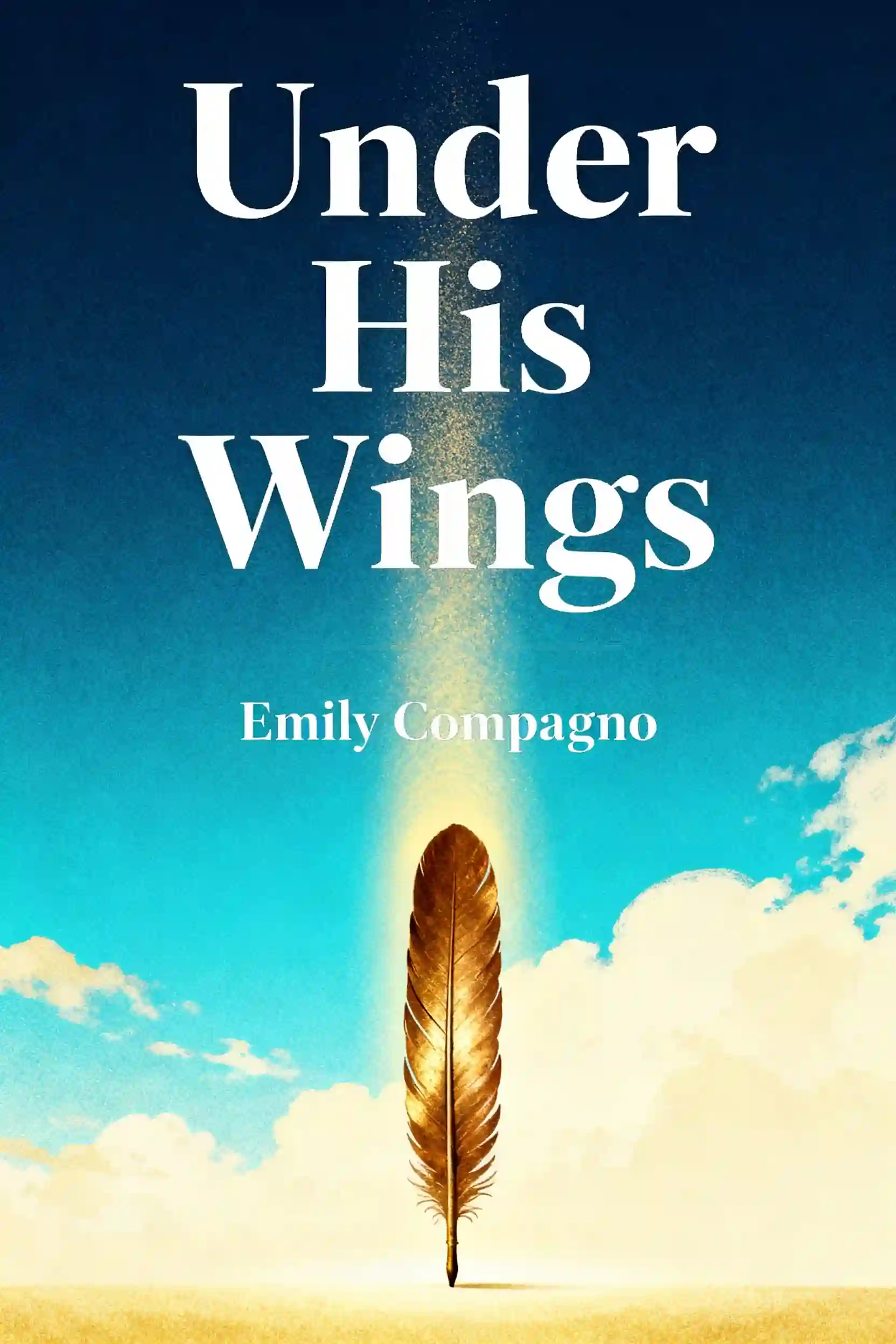
发现更多

The Daily Peace Practice
This plan is essential for professionals and individuals facing high-stress environments who need practical tools to maintain mental equilibrium. It provides a structured path from initial mental decluttering to mastering advanced emotional resolution techniques.

Philosophy for Personal Peace
In an era of constant digital noise and global uncertainty, internal stability is a vital skill rather than a luxury. This plan is designed for anyone feeling overwhelmed by modern stressors who seeks a practical, secular approach to tranquility through time-tested wisdom.

Peace , consciousness and graditude
In an increasingly chaotic world, mastering the internal landscape is essential for emotional resilience and mental clarity. This plan is ideal for individuals seeking to reduce stress, find deeper meaning, and transition from a state of scarcity to one of profound abundance and awareness.

The Art of Quiet Confidence
In an age of constant noise, true influence comes from a place of internal stability rather than outward volume. This plan is designed for professionals and individuals seeking to transition from seeking approval to embodying a grounded, authoritative presence.

Bedtime Peace and Tantrum De-escalation
This plan is essential for parents struggling with high-conflict evenings and emotional meltdowns. It provides practical tools to replace reactive yelling with proactive, connection-based strategies for a more peaceful home.

Unshakable Self-Trust
This plan is designed for individuals who struggle with chronic second-guessing and social anxiety. It provides a practical roadmap to shift from paralyzing overthinking to decisive action by building a foundation of internal validation.

Unshakable Presence: From Silence to Command
This plan is essential for professionals who feel overlooked or struggle to speak up in high-pressure environments. It provides a roadmap for transforming internal anxiety into external authority, making it ideal for emerging leaders and introverts.

Kindness Under Pressure
In a fast-paced world, maintaining a Christ-like demeanor during conflict is a vital skill for personal and professional growth. This plan is ideal for anyone seeking to replace reactive anger with intentional grace and build the endurance needed to love challenging people.
"Instead of endless scrolling, I just hit play on BeFreed. It saves me so much time."


"I never knew where to start with nonfiction—BeFreed’s book lists turned into podcasts gave me a clear path."


"Perfect balance between learning and entertainment. Finished ‘Thinking, Fast and Slow’ on my commute this week."
"Crazy how much I learned while walking the dog. BeFreed = small habits → big gains."
"Reading used to feel like a chore. Now it’s just part of my lifestyle."

"Feels effortless compared to reading. I’ve finished 6 books this month already."
"BeFreed turned my guilty doomscrolling into something that feels productive and inspiring."

"BeFreed turned my commute into learning time. 20-min podcasts are perfect for finishing books I never had time for."
"BeFreed replaced my podcast queue. Imagine Spotify for books — that’s it. 🙌"

"It is great for me to learn something from the book without reading it."
"The themed book list podcasts help me connect ideas across authors—like a guided audio journey."
"Makes me feel smarter every time before going to work"
"Instead of endless scrolling, I just hit play on BeFreed. It saves me so much time."
"I never knew where to start with nonfiction—BeFreed’s book lists turned into podcasts gave me a clear path."
"Perfect balance between learning and entertainment. Finished ‘Thinking, Fast and Slow’ on my commute this week."
"Crazy how much I learned while walking the dog. BeFreed = small habits → big gains."
"Reading used to feel like a chore. Now it’s just part of my lifestyle."
"Feels effortless compared to reading. I’ve finished 6 books this month already."
"BeFreed turned my guilty doomscrolling into something that feels productive and inspiring."
"BeFreed turned my commute into learning time. 20-min podcasts are perfect for finishing books I never had time for."
"BeFreed replaced my podcast queue. Imagine Spotify for books — that’s it. 🙌"
"It is great for me to learn something from the book without reading it."
"The themed book list podcasts help me connect ideas across authors—like a guided audio journey."
"Makes me feel smarter every time before going to work"
"Instead of endless scrolling, I just hit play on BeFreed. It saves me so much time."
"I never knew where to start with nonfiction—BeFreed’s book lists turned into podcasts gave me a clear path."
"Perfect balance between learning and entertainment. Finished ‘Thinking, Fast and Slow’ on my commute this week."
"Crazy how much I learned while walking the dog. BeFreed = small habits → big gains."
"Reading used to feel like a chore. Now it’s just part of my lifestyle."
"Feels effortless compared to reading. I’ve finished 6 books this month already."
"BeFreed turned my guilty doomscrolling into something that feels productive and inspiring."
"BeFreed turned my commute into learning time. 20-min podcasts are perfect for finishing books I never had time for."
"BeFreed replaced my podcast queue. Imagine Spotify for books — that’s it. 🙌"
"It is great for me to learn something from the book without reading it."
"The themed book list podcasts help me connect ideas across authors—like a guided audio journey."
"Makes me feel smarter every time before going to work"
"Instead of endless scrolling, I just hit play on BeFreed. It saves me so much time."
"I never knew where to start with nonfiction—BeFreed’s book lists turned into podcasts gave me a clear path."
"Perfect balance between learning and entertainment. Finished ‘Thinking, Fast and Slow’ on my commute this week."
"Crazy how much I learned while walking the dog. BeFreed = small habits → big gains."
"Reading used to feel like a chore. Now it’s just part of my lifestyle."
"Feels effortless compared to reading. I’ve finished 6 books this month already."
"BeFreed turned my guilty doomscrolling into something that feels productive and inspiring."
"BeFreed turned my commute into learning time. 20-min podcasts are perfect for finishing books I never had time for."
"BeFreed replaced my podcast queue. Imagine Spotify for books — that’s it. 🙌"
"It is great for me to learn something from the book without reading it."
"The themed book list podcasts help me connect ideas across authors—like a guided audio journey."
"Makes me feel smarter every time before going to work"