DIY Space Weather: Capture Satellite Images
Learn how to receive live NOAA satellite weather images using just a $30 RTL-SDR dongle and a simple V-dipole antenna you can build at home—no expensive equipment required, just the right geometry.

DIY Space Weather: Capture Satellite Images最佳语录
The beauty is in the simplicity—it's all about the geometry rather than complicated electronic components. With just an RTL-SDR dongle and some basic hardware store parts, you can build an antenna that pulls down live images from weather satellites passing overhead.

此音频课程由 BeFreed 社区成员创建
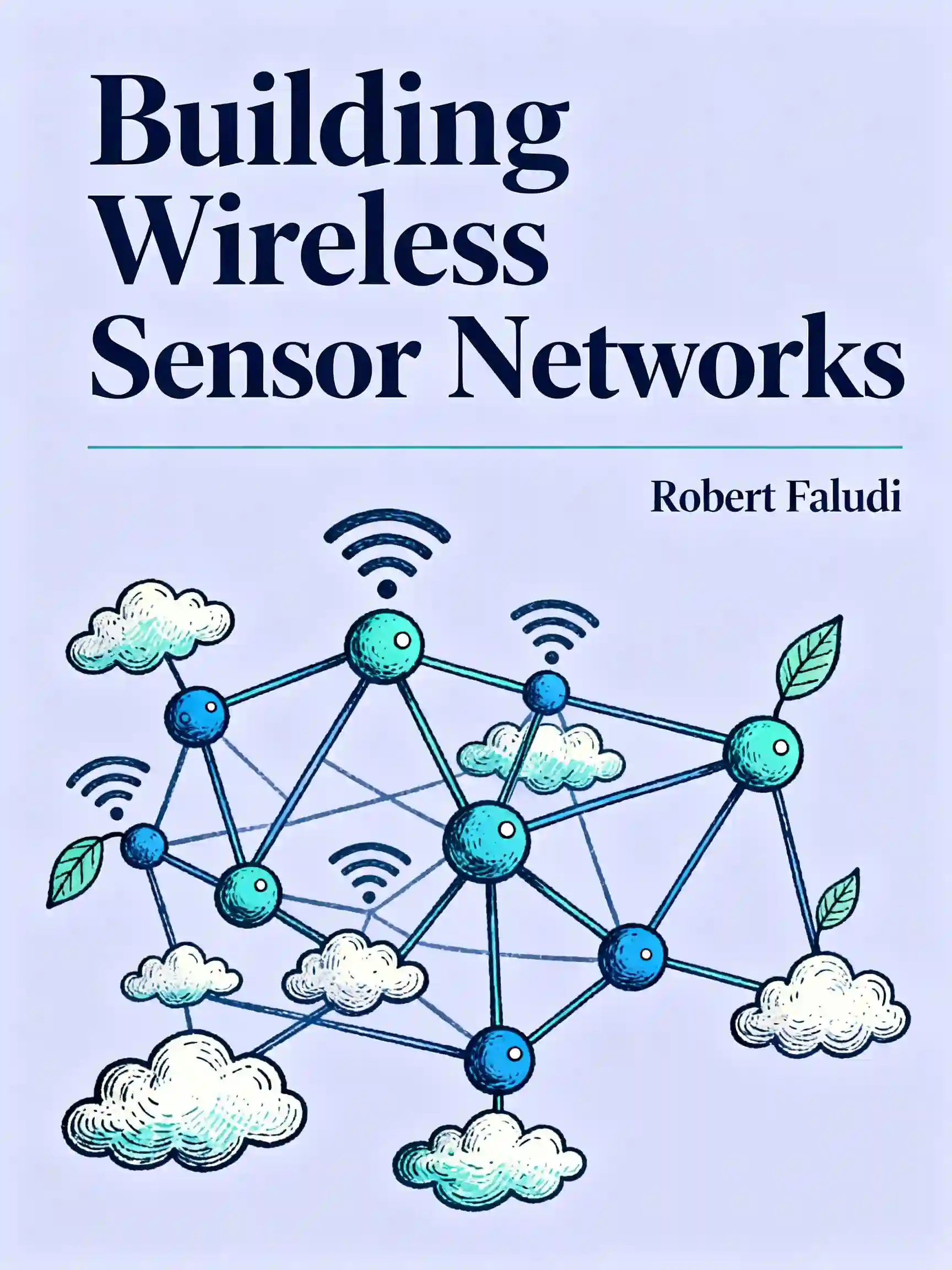
Receiving live weather images from NOAA-18/19 satellites using a simple RTL-SDR dongle (v4). System Logic: Constructing a "V-Dipole" antenna tuned specifically to 137.5 MHz. The challenge is not electronics, but geometry: The antenna arms must be exactly 53.4cm long with a 120-degree separation angle to match the satellite's circular polarization signal path. 2026 software update: "SatDump" now automates the Doppler effect correction. System Focus: Signal Processing and Antenna Geometry.

发现更多

Build a DIY Solar-Powered Water Fountain
This plan is ideal for DIY enthusiasts and makers looking to merge renewable energy with practical engineering. It provides a comprehensive bridge between theoretical solar physics and hands-on hydraulic construction for sustainable outdoor projects.

Emergency Communications Explorer Program
In an era of increasing climate and infrastructure instability, the ability to maintain communication when traditional networks fail is a critical life-saving skill. This program is designed for emergency responders, community leaders, and radio enthusiasts who want to bridge the gap between technical RF mastery and crisis leadership.

Europa: Ozeano ezkutua eta Clipper misioa
Ikastaro hau funtsezkoa da astrobiologiaren eta espazio-esplorazioaren muga berriak ulertzeko. Astronomia zaleentzat eta zientzia teknikoan interesa dutenentzat aproposa da, Europa ilargiaren sekretuak eta Clipper misioaren erronka teknologikoak uztartzen baititu.

V-2 Rocket Tech: Design, Guidance & Physics
This learning plan is essential for aerospace enthusiasts and students of history who want to understand the technological bridge between wartime weaponry and the Space Age. It offers a unique blend of historical context and rigorous physics, making it ideal for those interested in the evolution of modern rocketry.

Aviation weather
Weather remains one of the most significant factors in aviation safety and operational efficiency. This curriculum is essential for aspiring pilots and aviation enthusiasts who need to bridge the gap between theory and practical, high-stakes decision-making in the cockpit.

Astronomy
Astronomy connects us to the vastness beyond Earth, offering profound insights about our place in the cosmos. This learning plan benefits curious minds seeking to understand celestial mechanics, cosmic evolution, and the frontiers of space exploration without requiring advanced physics or mathematics.

Profit from Remote Satellite Orbit Operations
As the commercial space sector shifts toward private enterprise, mastering the intersection of orbital physics and automation is essential for modern aerospace professionals. This plan is designed for entrepreneurs and engineers looking to capitalize on the NewSpace economy through scalable, AI-driven satellite operations.

HAM Radio, Antenna Theory & EMT Skills
This multidisciplinary curriculum bridges the gap between technical communication and emergency medicine, providing a unique toolkit for crisis management. It is ideal for preppers, first responders, and hobbyists looking to build resilient community support systems during critical infrastructure failures.
"Instead of endless scrolling, I just hit play on BeFreed. It saves me so much time."


"I never knew where to start with nonfiction—BeFreed’s book lists turned into podcasts gave me a clear path."


"Perfect balance between learning and entertainment. Finished ‘Thinking, Fast and Slow’ on my commute this week."
"Crazy how much I learned while walking the dog. BeFreed = small habits → big gains."
"Reading used to feel like a chore. Now it’s just part of my lifestyle."

"Feels effortless compared to reading. I’ve finished 6 books this month already."
"BeFreed turned my guilty doomscrolling into something that feels productive and inspiring."

"BeFreed turned my commute into learning time. 20-min podcasts are perfect for finishing books I never had time for."
"BeFreed replaced my podcast queue. Imagine Spotify for books — that’s it. 🙌"

"It is great for me to learn something from the book without reading it."
"The themed book list podcasts help me connect ideas across authors—like a guided audio journey."
"Makes me feel smarter every time before going to work"
"Instead of endless scrolling, I just hit play on BeFreed. It saves me so much time."
"I never knew where to start with nonfiction—BeFreed’s book lists turned into podcasts gave me a clear path."
"Perfect balance between learning and entertainment. Finished ‘Thinking, Fast and Slow’ on my commute this week."
"Crazy how much I learned while walking the dog. BeFreed = small habits → big gains."
"Reading used to feel like a chore. Now it’s just part of my lifestyle."
"Feels effortless compared to reading. I’ve finished 6 books this month already."
"BeFreed turned my guilty doomscrolling into something that feels productive and inspiring."
"BeFreed turned my commute into learning time. 20-min podcasts are perfect for finishing books I never had time for."
"BeFreed replaced my podcast queue. Imagine Spotify for books — that’s it. 🙌"
"It is great for me to learn something from the book without reading it."
"The themed book list podcasts help me connect ideas across authors—like a guided audio journey."
"Makes me feel smarter every time before going to work"
"Instead of endless scrolling, I just hit play on BeFreed. It saves me so much time."
"I never knew where to start with nonfiction—BeFreed’s book lists turned into podcasts gave me a clear path."
"Perfect balance between learning and entertainment. Finished ‘Thinking, Fast and Slow’ on my commute this week."
"Crazy how much I learned while walking the dog. BeFreed = small habits → big gains."
"Reading used to feel like a chore. Now it’s just part of my lifestyle."
"Feels effortless compared to reading. I’ve finished 6 books this month already."
"BeFreed turned my guilty doomscrolling into something that feels productive and inspiring."
"BeFreed turned my commute into learning time. 20-min podcasts are perfect for finishing books I never had time for."
"BeFreed replaced my podcast queue. Imagine Spotify for books — that’s it. 🙌"
"It is great for me to learn something from the book without reading it."
"The themed book list podcasts help me connect ideas across authors—like a guided audio journey."
"Makes me feel smarter every time before going to work"
"Instead of endless scrolling, I just hit play on BeFreed. It saves me so much time."
"I never knew where to start with nonfiction—BeFreed’s book lists turned into podcasts gave me a clear path."
"Perfect balance between learning and entertainment. Finished ‘Thinking, Fast and Slow’ on my commute this week."
"Crazy how much I learned while walking the dog. BeFreed = small habits → big gains."
"Reading used to feel like a chore. Now it’s just part of my lifestyle."
"Feels effortless compared to reading. I’ve finished 6 books this month already."
"BeFreed turned my guilty doomscrolling into something that feels productive and inspiring."
"BeFreed turned my commute into learning time. 20-min podcasts are perfect for finishing books I never had time for."
"BeFreed replaced my podcast queue. Imagine Spotify for books — that’s it. 🙌"
"It is great for me to learn something from the book without reading it."
"The themed book list podcasts help me connect ideas across authors—like a guided audio journey."
"Makes me feel smarter every time before going to work"