说真的,我还没把这个 app 完全摸透,但用了这几天已经被惊艳到了… BeFreed 和我用过的任何学习类 app 都不在一个层级。它让人特别投入,还能实实在在地提升专注力,对刷手机停不下来的人来说太合适了!
@ladyInfinity
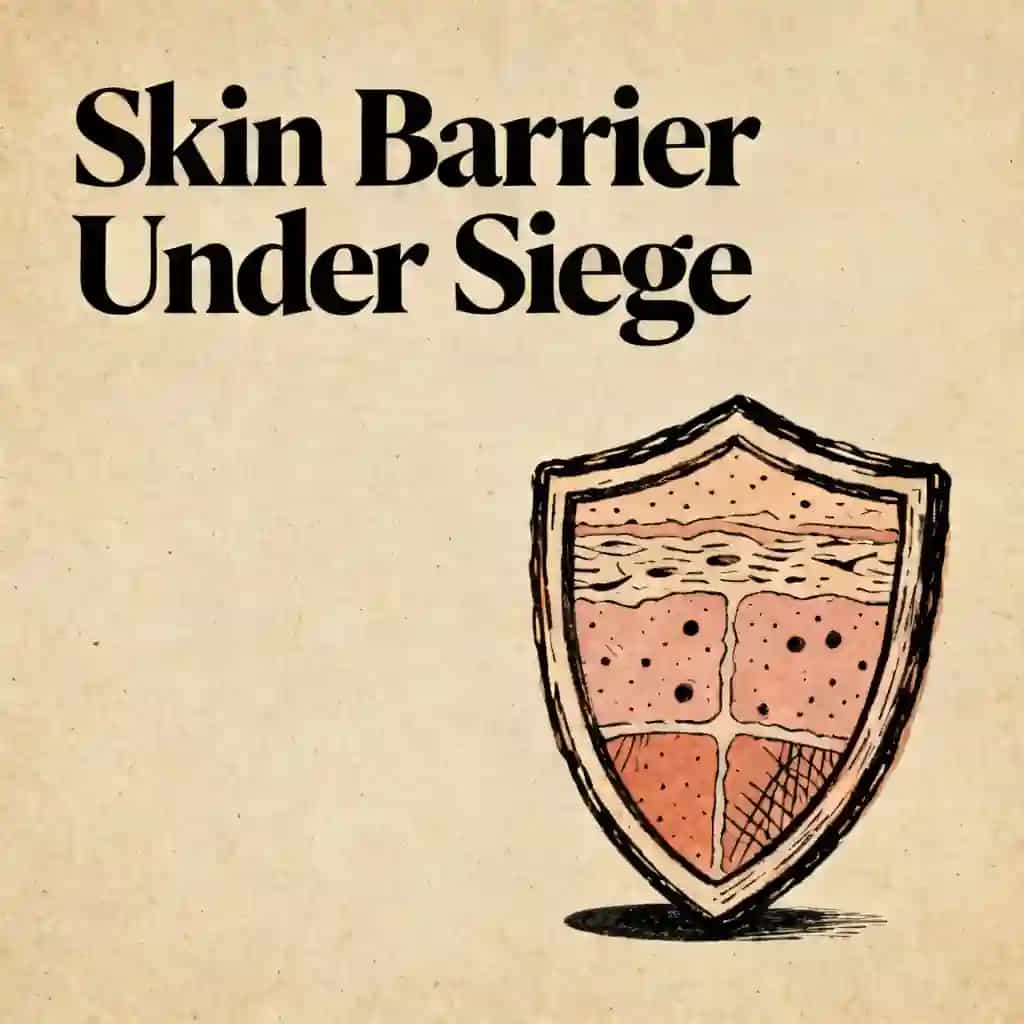
Waiting for a blister to appear is a common mistake. Learn to spot early warning signs and use antivirals to shorten the viral cycle before it starts.

The biggest mistake people make is waiting for the blister to appear before doing anything; if you can intercept that viral travel during the 24-hour 'prodrome' window, you can stop the virus from fully replicating and shorten the entire ordeal.
Cold sores


The prodrome stage is the initial 24 to 48-hour window where the virus begins to travel from the nerve cells to the surface of the skin. It is characterized by a specific tingling, itching, or burning sensation. This window is the most critical time for treatment because the virus is actively replicating but has not yet created a blister. Intervening during this stage with antivirals can significantly shorten the duration of the outbreak or even stop the blister from forming entirely.
Prescription oral antivirals like Valacyclovir and Acyclovir are considered the gold standard because they work from the inside out to shut down the "engine" the virus uses to copy itself. Valacyclovir is often preferred because it is better absorbed by the body, allowing for a convenient one-day "burst" treatment. In contrast, over-the-counter creams like Docosanol (Abreva) act as a physical shield to prevent the virus from entering healthy cells. While helpful if applied within 12 hours, creams are generally less effective than oral pills at stopping viral replication happening deeper in the skin.
There is evidence that certain natural remedies can support treatment, though they are not replacements for medical care. The amino acid Lysine is believed to compete with Arginine, which the virus needs to replicate, though clinical results are mixed. Other natural options with supportive data include Lemon Balm extract, which blocks the virus from attaching to cells, and Propolis (bee glue), which has antiviral properties. Additionally, avoiding high-Arginine foods like chocolate and nuts during an outbreak may help "starve" the virus.
Suppressive therapy involves taking a daily low dose of an antiviral medication to keep the virus in a permanent dormant state. This approach is typically recommended for individuals who suffer from frequent recurrences, defined as six or more outbreaks per year. This long-term strategy can reduce the frequency of outbreaks by 75% or more and significantly decreases "asymptomatic shedding," which helps prevent the spread of the virus to partners even when no sores are visible.
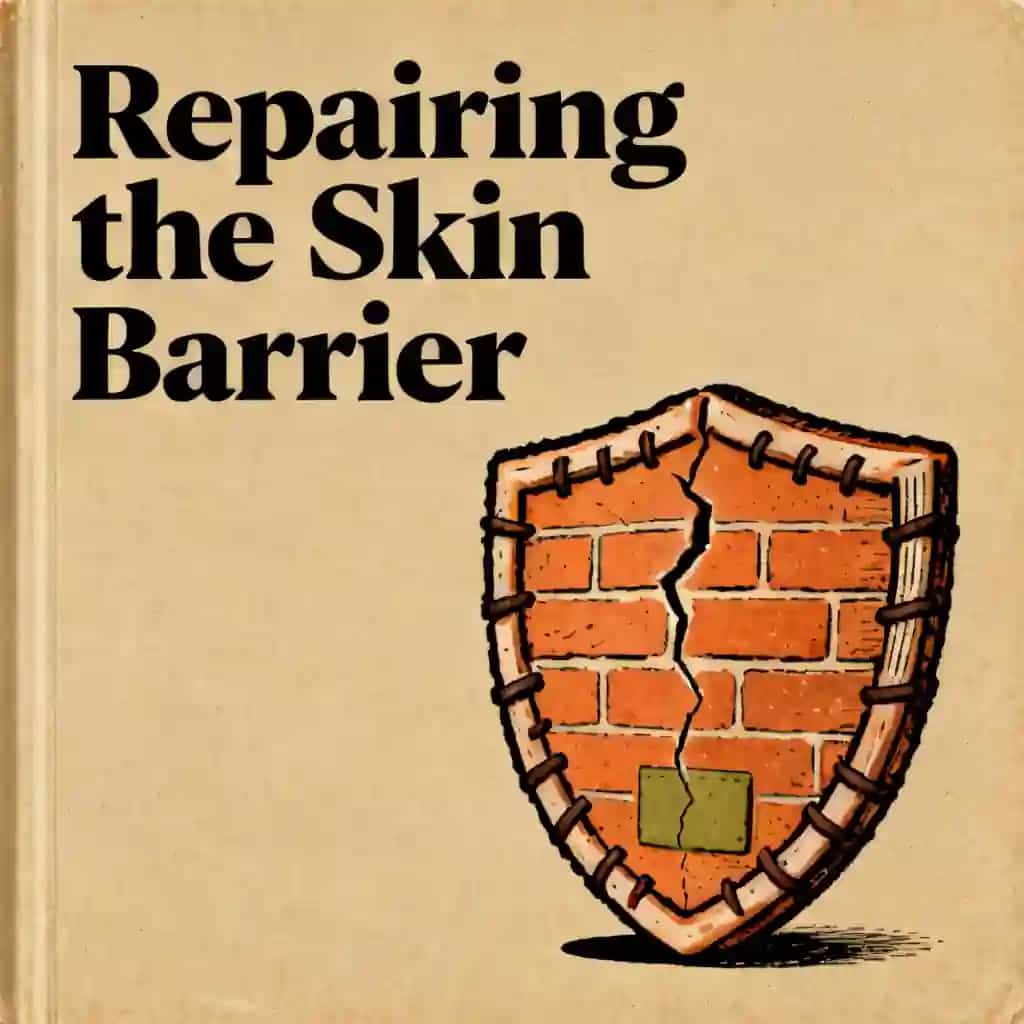
To prevent spreading the virus to other people or other parts of your own body, you should avoid touching, picking, or popping the blister, as the fluid is highly infectious. It is essential to avoid sharing glasses, utensils, or lip products, and to refrain from kissing until the sore is completely healed. A key practical tip is to replace your toothbrush twice: once when the sore first appears and again after it has fully healed, to ensure the virus does not linger on the bristles.
由哥伦比亚大学校友创建 | 源自旧金山
平均评分
7,840+ 条 App 评分
BeFreed 社区
说真的,我还没把这个 app 完全摸透,但用了这几天已经被惊艳到了… BeFreed 和我用过的任何学习类 app 都不在一个层级。它让人特别投入,还能实实在在地提升专注力,对刷手机停不下来的人来说太合适了!
@ladyInfinity
我买 BeFreed 正好 23 天,从那以后每天都在用。它已经完全融入了我的日常工作流和学习习惯。
@jayallen
说实话,这个 app 超出了我所有的预期。我可以让它就任何主题生成音频,无论是什么,效果都很惊艳。我的专业领域是心理治疗方向,而且是多学科交叉的,但它给出的内容非常准确。
@Raguipa
我最感激的是它大大减少了我刷手机的时间——花在搜索上的时间少了,吸收信息的时间多了。完整有声书、播客加上学习计划的组合,真的很出色。
@colonyofcreatorsNGO
我做 PhotoReading 快速学习讲师已经 24 年了… 书籍、阅读和学习就是我的本行,而 BeFreed 用一种创新的方式,把知识变得特别容易吸收,做得非常出色。
@BeFreed user
它不只是一个书籍摘要 app。我用过「有趣」这个阅读模式,比传统方式的摘要好得多,理解观点也更容易,光这一点就值回票价。
@austinakon
我爱这个 app。用了几天,完全停不下来。作为开始,再好不过了。
@jcrules328
我真的很喜欢这个产品;已经试用了大概一个月,感觉挖到宝了。它特别好用,因为我可以用 BeFreed 创建自己想学的主题,声音也很棒,旁白选择多到用不完。
@DanielCZ
我特别喜欢它能把有用的信息和想法浓缩成 8-15 分钟的播客式音频。我本来不太爱听播客,因为废话太多,但它把这些全都去掉了。
@BeFreed user
我正在读博士的最后阶段,需要读大量不熟悉的材料… 用 BeFreed,只要输入一个提示,app 就会帮你找到源材料并生成一期音频播客。我觉得 BeFreed 的流程比 NotebookLM 更顺畅。
@Brad
我经常在做早餐、散步、通勤的时候上 YouTube 找点东西听,而 BeFreed 提供了更有针对性的选择,没有广告,也没有废话!
@BeFreed user
这个平台最棒的地方是它的多面性。真的没有任何主题是它讲不了的,你丢给它什么它都能处理… 很少能找到一个毫无限制、又真正兑现承诺的学习工具。
@jayallen
BeFreed 太棒了。界面好用,让我花在找功能上的时间更少,花在学习上的时间更多。有声书、播客和学习计划的组合是天才设计,彻底改变了我的日常。
@BeFreed user
一开始我花了点时间才弄明白怎么生成意大利语的播客,然后就——哇!太棒了!我可以让它讲解任何一个话题,它讲得又好又聪明!
@matteo77
BeFreed 已经成了我每天都用的有声书 app… 我最喜欢的是,把自己的文字放进去,它就能生成随时随地都能听的音频。
@kotanzu1




This learning plan is essential for sales professionals and entrepreneurs who want to transform cold calling from a source of anxiety into a reliable revenue driver. It combines psychological mastery with practical systems to ensure consistent success in high-stakes outreach.

This learning plan is essential for individuals feeling stuck in chronic emotional numbness or functional freeze. It provides a compassionate bridge between biological understanding and somatic recovery for anyone seeking to reclaim their vitality.

This learning plan is essential for sales professionals looking to transform cold outreach into a predictable revenue engine. It is ideal for SDRs and account executives who want to master the psychology of high-stakes phone conversations and improve their conversion rates.

This plan is designed for individuals who experience physical 'freezing' or shutdown in social settings. It offers a practical roadmap to transition from anxiety-driven avoidance to confident, warm engagement by addressing both physiological responses and social skills.

This plan is essential for professionals who struggle with mental blocks during high-stakes meetings or presentations. It provides a practical toolkit for anyone looking to transform their nervous freeze response into calm, authoritative communication.

This plan is essential for anyone who feels stuck in a loop of chasing emotionally distant partners and mistaking instability for passion. It provides a roadmap for healing childhood wounds and shifting from anxious attachment toward secure, fulfilling relationships.

This learning plan is essential for laboratory technicians and medical students looking to bridge the gap between manual lab skills and clinical diagnosis. It provides a comprehensive foundation in the physical mechanics and diagnostic logic required for modern immunology and serology.

Compulsive sexual behavior affects millions of people, causing significant distress, relationship damage, and feelings of shame and isolation. This learning plan is designed for anyone struggling with unwanted sexual behaviors who wants to understand the root causes and develop practical tools for lasting change. It's especially valuable for those who have tried to stop through willpower alone and are seeking a compassionate, science-based approach to recovery.