Cocina sin miedo: Domina el arte culinario desde cero
Descubre por qué aprender a cocinar no es seguir recetas, sino dominar técnicas básicas y el control del fuego. Acompaña a Blythe y Nia en esta guía práctica para transformar tus desastres en la cocina en platos dignos de un chef.

Cocina sin miedo: Domina el arte culinario desde cero最佳语录
No se trata de memorizar recetas, sino de aprender técnicas. Si aprendes a usar el fuego o a picar bien, puedes cocinar lo que sea.

此音频课程由 BeFreed 社区成员创建
I would like to learn how to be a better cook. Create a lesson using simple words as if I am learning the language, but curate the content around how to be a better cook.

常见问题
Mise en place is a French culinary term that means "putting everything in its place." It involves washing, chopping, measuring, and organizing all your ingredients and tools before you ever turn on the stove. This practice is essential because it prevents the stress of improvising mid-recipe, which often leads to burning food or making mistakes. By having everything ready in small bowls, you ensure that the cooking process is fluid, faster, and much more organized.
A sharp knife is significantly safer because it requires less pressure to cut through food, allowing for more control. When a knife is dull, you have to apply excessive force, which increases the likelihood of the blade slipping and causing an accident. Additionally, using proper techniques like the "claw grip"—tucking your fingertips inward and using your knuckles as a guide—further protects your hands while ensuring precise and uniform cuts.
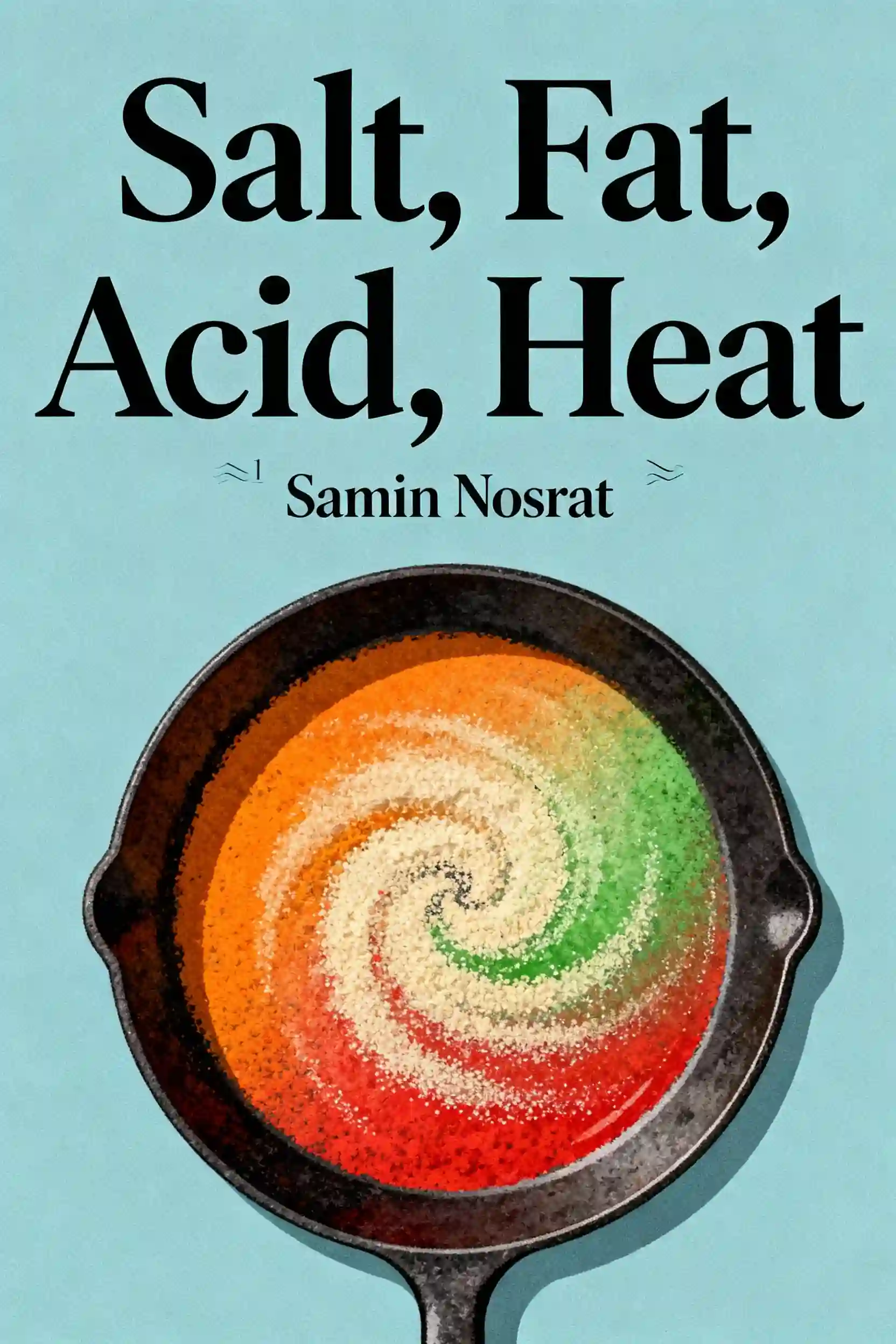
These four elements are the foundation of a balanced dish. Salt acts as a conductor that enhances the natural flavors of ingredients; fat serves as a vehicle for carrying aromas and providing a satisfying mouthfeel; and acid (like lemon or vinegar) "wakes up" the palate by cutting through heaviness and adding brightness. Heat is the transformative element that creates texture and triggers chemical reactions like the Maillard reaction, which browns and adds depth to the food. Balancing these four pillars prevents a dish from tasting "flat."
The primary difference lies in the temperature of the liquid and the intensity of the heat. Boiling occurs at 100°C with large, aggressive bubbles, making it ideal for sturdy foods like pasta or legumes. Simmering happens between 85°C and 96°C with small, gentle bubbles, perfect for stews and long-cooking sauces. Poaching is the gentlest method, occurring between 70°C and 80°C with almost no visible bubbles; it is used for delicate items like fish or eggs to ensure they don't break apart or become tough.
To avoid foodborne illnesses, it is crucial to prevent cross-contamination by using separate cutting boards for raw proteins and fresh produce, or by washing boards thoroughly with hot water and soap between uses. You should also avoid leaving cooked food, especially rice, at room temperature for extended periods; it should be refrigerated as soon as it stops being piping hot. Finally, using a food thermometer to ensure meats reach a safe internal temperature (such as 74°C for poultry) is the only certain way to guarantee the food is safe to eat.
发现更多

Learn food basics & cooking
This learning plan transforms complete beginners into confident, intuitive cooks who understand the fundamental principles behind great food. It's perfect for anyone tired of relying on recipes, wanting to reduce food waste by cooking creatively with what they have, or aspiring to develop the skills and confidence to prepare delicious meals consistently.

life skills cooking
Cooking is one of life's most valuable skills, offering independence, creativity, and the ability to nourish yourself and others with confidence. This learning plan is perfect for beginners seeking kitchen confidence, intermediate cooks wanting to break free from recipe dependence, or anyone looking to transform cooking from a chore into an enjoyable creative practice.

Baking
Baking is both an art and a science that combines creativity with precise chemistry, making it essential for anyone who wants to move beyond following recipes to truly understanding their craft. This learning plan is perfect for home bakers ready to elevate their skills, aspiring professional bakers, and food enthusiasts who want to master the 'why' behind baking techniques. Whether you're looking to start a baking business or simply create impressive baked goods for family and friends, this comprehensive approach builds expertise from foundational principles through advanced techniques.

Master the Art of the Perfect Pizza Dough
This plan is designed for aspiring pizzaiolos and home cooks who want to move beyond basic recipes and master the science of baking. It provides a deep dive into the technical and creative aspects of dough making, making it essential for anyone seeking professional-grade results.

Hablar sin bloqueos
Este plan de aprendizaje es esencial para profesionales y estudiantes que sienten que los nervios limitan su capacidad de expresión. Al combinar neurociencia, técnicas de control físico y entrenamiento conductual, ofrece una ruta práctica para transformar la ansiedad social en seguridad comunicativa.
Domina tu calma bajo presión
Este plan de aprendizaje integra investigaciones sobre la fisiología del estrés, la psicología del trabajo emocional y técnicas de regulación cognitiva para transformar la reactividad en compostura. Los materiales cubren desde el Modelo de Proceso de James Gross hasta estrategias prácticas para detener la procrastinación impulsada por el afecto negativo. Aprenderás a identificar los 'saboteadores' mentales que disparan la ansiedad, a utilizar micro-habilidades de atención para frenar espirales de pensamiento y a aplicar la comunicación asertiva en entornos de alta tensión. El objetivo es moverte de un estado de 'secuestro emocional' a uno de 'agilidad emocional', donde las respuestas sean elegidas conscientemente en lugar de ser reacciones impulsivas ante críticas o conflictos.

Domina tu tiempo y energía
Este plan es esencial para profesionales saturados que buscan recuperar el control de su agenda. Aprenderás a alinear tu biología con tu productividad para lograr resultados sostenibles sin sacrificar tu bienestar.

Knowing more about how to cook
This learning plan bridges the gap between following recipes and cooking with true intuition. It is ideal for home cooks looking to master professional techniques, understand flavor science, and express their creativity in the kitchen.
"Instead of endless scrolling, I just hit play on BeFreed. It saves me so much time."


"I never knew where to start with nonfiction—BeFreed’s book lists turned into podcasts gave me a clear path."


"Perfect balance between learning and entertainment. Finished ‘Thinking, Fast and Slow’ on my commute this week."
"Crazy how much I learned while walking the dog. BeFreed = small habits → big gains."
"Reading used to feel like a chore. Now it’s just part of my lifestyle."

"Feels effortless compared to reading. I’ve finished 6 books this month already."
"BeFreed turned my guilty doomscrolling into something that feels productive and inspiring."

"BeFreed turned my commute into learning time. 20-min podcasts are perfect for finishing books I never had time for."
"BeFreed replaced my podcast queue. Imagine Spotify for books — that’s it. 🙌"

"It is great for me to learn something from the book without reading it."
"The themed book list podcasts help me connect ideas across authors—like a guided audio journey."
"Makes me feel smarter every time before going to work"
"Instead of endless scrolling, I just hit play on BeFreed. It saves me so much time."
"I never knew where to start with nonfiction—BeFreed’s book lists turned into podcasts gave me a clear path."
"Perfect balance between learning and entertainment. Finished ‘Thinking, Fast and Slow’ on my commute this week."
"Crazy how much I learned while walking the dog. BeFreed = small habits → big gains."
"Reading used to feel like a chore. Now it’s just part of my lifestyle."
"Feels effortless compared to reading. I’ve finished 6 books this month already."
"BeFreed turned my guilty doomscrolling into something that feels productive and inspiring."
"BeFreed turned my commute into learning time. 20-min podcasts are perfect for finishing books I never had time for."
"BeFreed replaced my podcast queue. Imagine Spotify for books — that’s it. 🙌"
"It is great for me to learn something from the book without reading it."
"The themed book list podcasts help me connect ideas across authors—like a guided audio journey."
"Makes me feel smarter every time before going to work"
"Instead of endless scrolling, I just hit play on BeFreed. It saves me so much time."
"I never knew where to start with nonfiction—BeFreed’s book lists turned into podcasts gave me a clear path."
"Perfect balance between learning and entertainment. Finished ‘Thinking, Fast and Slow’ on my commute this week."
"Crazy how much I learned while walking the dog. BeFreed = small habits → big gains."
"Reading used to feel like a chore. Now it’s just part of my lifestyle."
"Feels effortless compared to reading. I’ve finished 6 books this month already."
"BeFreed turned my guilty doomscrolling into something that feels productive and inspiring."
"BeFreed turned my commute into learning time. 20-min podcasts are perfect for finishing books I never had time for."
"BeFreed replaced my podcast queue. Imagine Spotify for books — that’s it. 🙌"
"It is great for me to learn something from the book without reading it."
"The themed book list podcasts help me connect ideas across authors—like a guided audio journey."
"Makes me feel smarter every time before going to work"
"Instead of endless scrolling, I just hit play on BeFreed. It saves me so much time."
"I never knew where to start with nonfiction—BeFreed’s book lists turned into podcasts gave me a clear path."
"Perfect balance between learning and entertainment. Finished ‘Thinking, Fast and Slow’ on my commute this week."
"Crazy how much I learned while walking the dog. BeFreed = small habits → big gains."
"Reading used to feel like a chore. Now it’s just part of my lifestyle."
"Feels effortless compared to reading. I’ve finished 6 books this month already."
"BeFreed turned my guilty doomscrolling into something that feels productive and inspiring."
"BeFreed turned my commute into learning time. 20-min podcasts are perfect for finishing books I never had time for."
"BeFreed replaced my podcast queue. Imagine Spotify for books — that’s it. 🙌"
"It is great for me to learn something from the book without reading it."
"The themed book list podcasts help me connect ideas across authors—like a guided audio journey."
"Makes me feel smarter every time before going to work"