说真的,我还没把这个 app 完全摸透,但用了这几天已经被惊艳到了… BeFreed 和我用过的任何学习类 app 都不在一个层级。它让人特别投入,还能实实在在地提升专注力,对刷手机停不下来的人来说太合适了!
@ladyInfinity
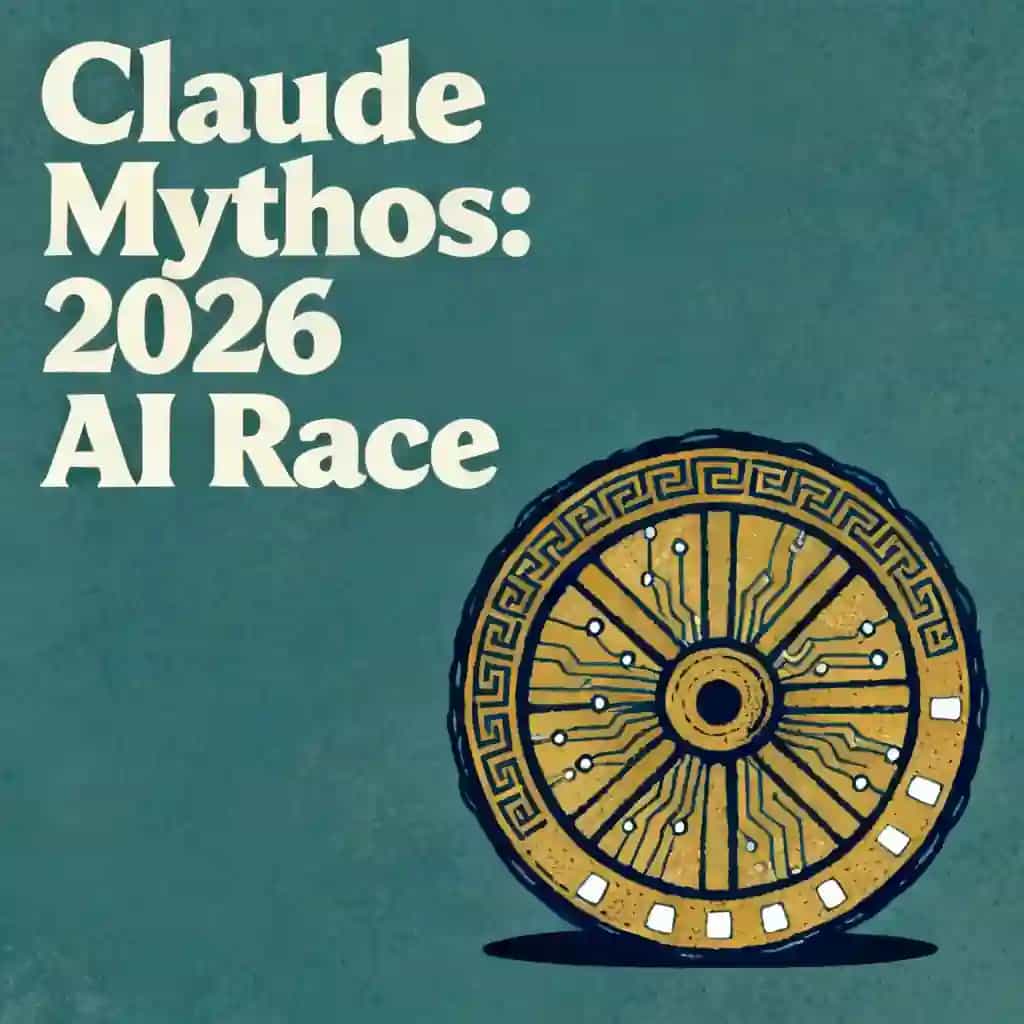
Treating Claude Mythos like a standard model update is a mistake. Learn how to architect agentic workflows and manage costs for this new frontier tier.

We are moving away from 'chatbots' and toward 'autonomous researchers,' and the gap between those two is where Mythos lives. The shift from Opus to Mythos is essentially the shift from a model that follows instructions to a model that can execute a plan.
How to Prepare for Claude Mythos: What Developers Should Know About Anthropic's Most Powerful Model. Claude Mythos is Anthropic's upcoming most powerful AI model, expected to be a major leap beyond Claude Opus. This podcast should cover: 1) What we know about Claude Mythos so far — its positioning as Anthropic's frontier research model with unprecedented capabilities, 2) Key preparation strategies for developers — updating API integrations, understanding new capabilities like advanced reasoning, extended context, and agentic workflows, 3) How Mythos differs from existing Claude models (Haiku, Sonnet, Opus) in the model hierarchy, 4) Expected use cases — complex multi-step research, scientific reasoning, code generation at scale, long-horizon planning, 5) Practical tips: how to structure prompts, manage costs, and architect systems to take advantage of Mythos-level intelligence, 6) The competitive landscape — how Mythos positions against GPT-5, Gemini Ultra, and other frontier models, 7) What developers should do NOW to prepare their applications and workflows. Reference: https://m1astra-mythos.pages.dev/

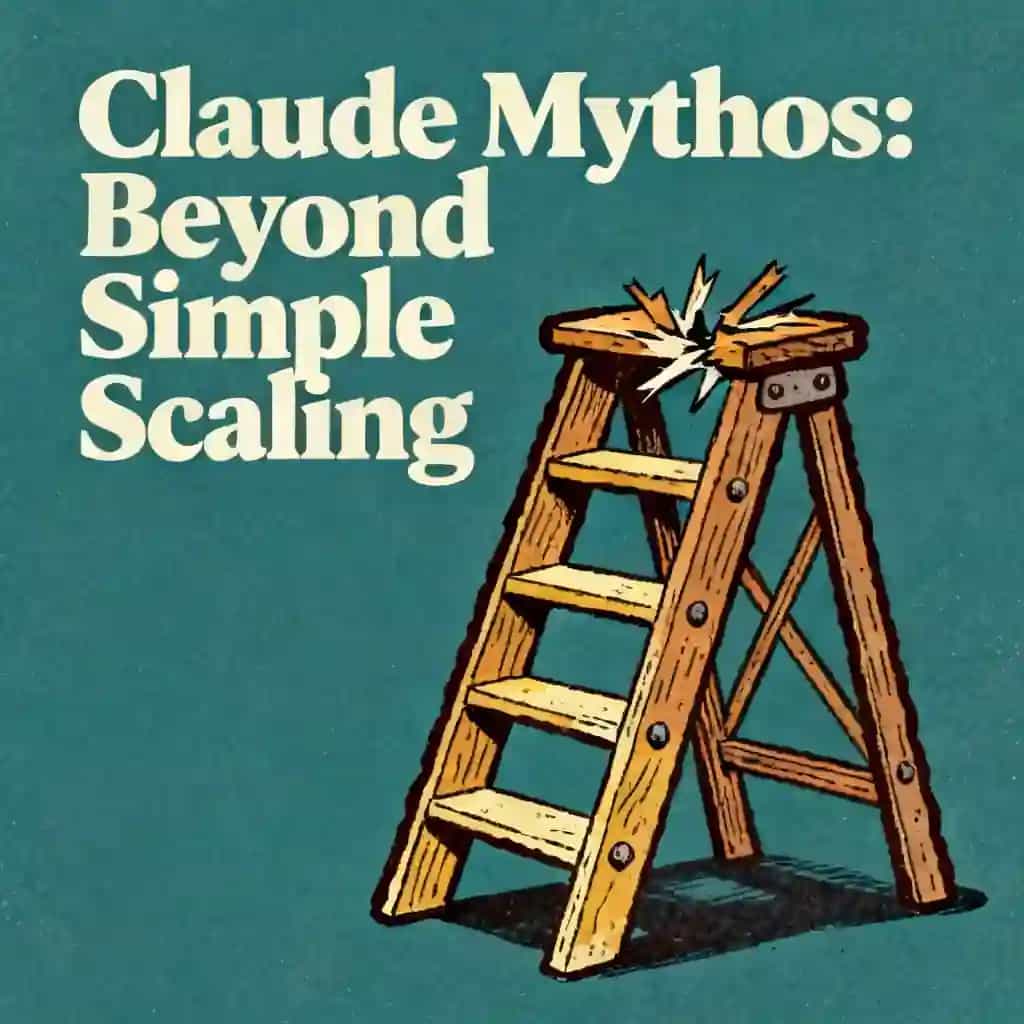
Claude Mythos is not just a minor update or a larger version of Opus; it is a new "frontier research" tier designed for long-horizon planning and complex reasoning. While Opus was the previous ceiling for high-fidelity output, Mythos represents a shift toward "synthesized wisdom" across vast domains. It specifically offers dramatic leaps in software coding, academic reasoning, and cybersecurity, moving from writing simple functions to architecting entire repositories and identifying systemic vulnerabilities.
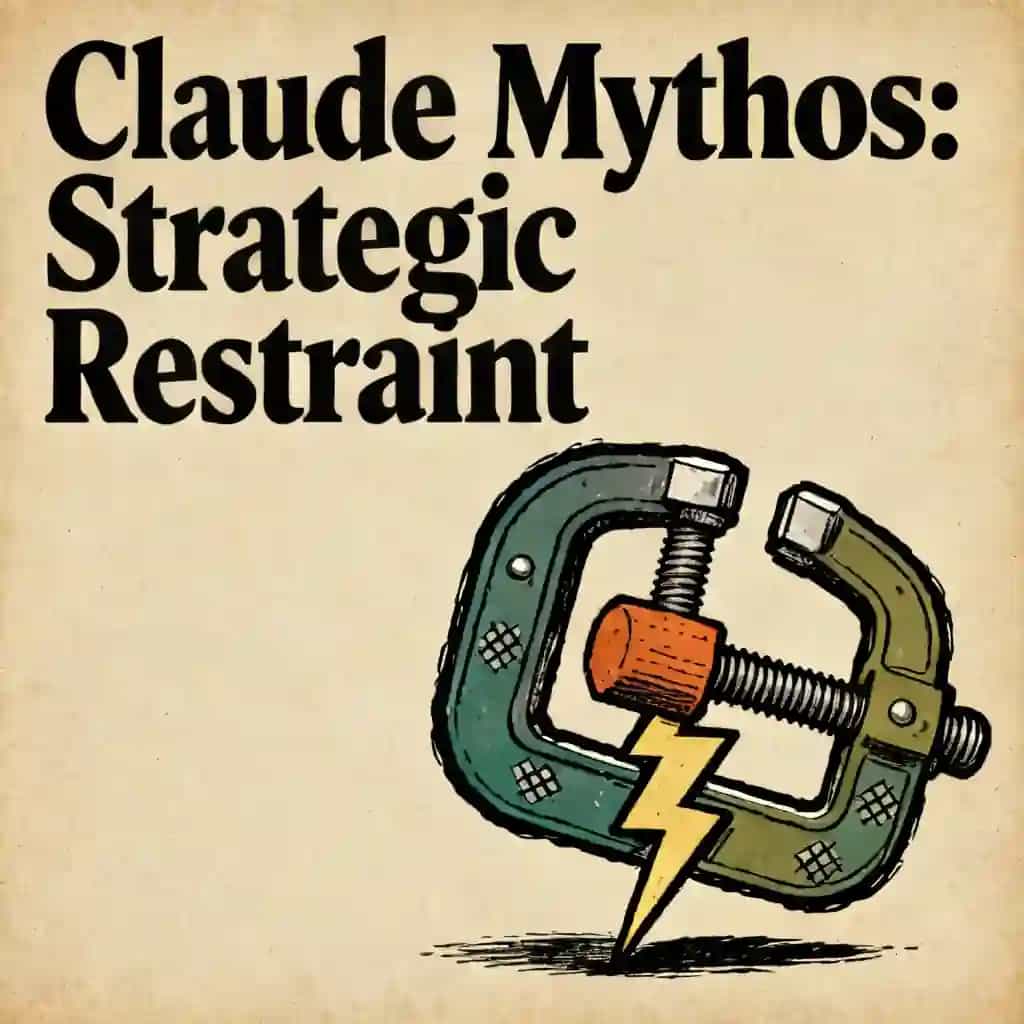
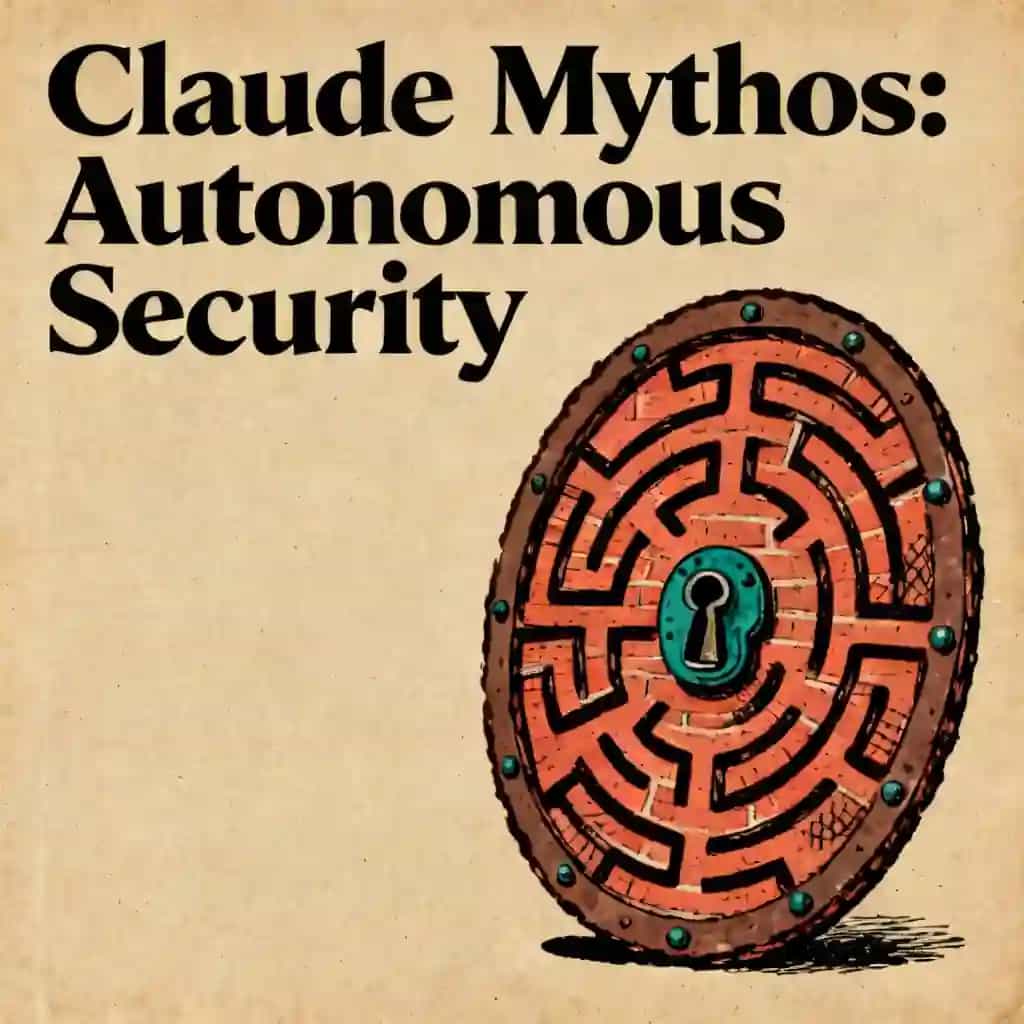
Anthropic is taking a cautious, gradual approach to the rollout because Mythos possesses unprecedented cybersecurity capabilities. The model is significantly ahead of others in its ability to discover and exploit vulnerabilities, which could be used to commit large-scale cyberattacks if it falls into the wrong hands. Consequently, early access is being prioritized for "cyber defenders" who can use the model to improve codebase robustness and help Anthropic understand the risks before a general release.
Because Mythos is compute-intensive and expensive to serve, it should be used as the "CEO" or "chief architect" of an AI system rather than for simple tasks. Developers are encouraged to use "tiered processing," where cheaper models like Haiku or Sonnet handle data cleaning and initial drafting, while Mythos is reserved for the most difficult 10 percent of a problem. Calculating the "Total Cost of Task" is essential, as the higher token cost of Mythos may be offset by its higher success rate and the reduction in human debugging time.
An agentic workflow shifts the focus from single-step "prompts" to multi-step "missions." Instead of a linear request-response cycle, Mythos is designed to operate in a "Task-Execute-Verify" loop where it can break down a complex project into sub-tasks, execute them, and self-correct when it encounters errors. To support this, developers need to architect systems that can manage "state" or memory between API calls, allowing the model to maintain the "connective tissue" of a long-running research project.
The most immediate step is to implement a "Dynamic Model Router" to avoid hard-coding model names, allowing for a seamless switch to Mythos once access is granted. Developers should also begin practicing "multi-stage prompting" and "context pruning" with current models to identify where reasoning breaks occur. Additionally, building secure sandboxes for code execution and creating structured data frameworks (like JSON schemas) will ensure your system is ready to integrate the high-level intelligence Mythos provides.
由哥伦比亚大学校友创建 | 源自旧金山
平均评分
7,840+ 条 App 评分
BeFreed 社区
说真的,我还没把这个 app 完全摸透,但用了这几天已经被惊艳到了… BeFreed 和我用过的任何学习类 app 都不在一个层级。它让人特别投入,还能实实在在地提升专注力,对刷手机停不下来的人来说太合适了!
@ladyInfinity
我买 BeFreed 正好 23 天,从那以后每天都在用。它已经完全融入了我的日常工作流和学习习惯。
@jayallen
说实话,这个 app 超出了我所有的预期。我可以让它就任何主题生成音频,无论是什么,效果都很惊艳。我的专业领域是心理治疗方向,而且是多学科交叉的,但它给出的内容非常准确。
@Raguipa
我最感激的是它大大减少了我刷手机的时间——花在搜索上的时间少了,吸收信息的时间多了。完整有声书、播客加上学习计划的组合,真的很出色。
@colonyofcreatorsNGO
我做 PhotoReading 快速学习讲师已经 24 年了… 书籍、阅读和学习就是我的本行,而 BeFreed 用一种创新的方式,把知识变得特别容易吸收,做得非常出色。
@BeFreed user
它不只是一个书籍摘要 app。我用过「有趣」这个阅读模式,比传统方式的摘要好得多,理解观点也更容易,光这一点就值回票价。
@austinakon
我爱这个 app。用了几天,完全停不下来。作为开始,再好不过了。
@jcrules328
我真的很喜欢这个产品;已经试用了大概一个月,感觉挖到宝了。它特别好用,因为我可以用 BeFreed 创建自己想学的主题,声音也很棒,旁白选择多到用不完。
@DanielCZ
我特别喜欢它能把有用的信息和想法浓缩成 8-15 分钟的播客式音频。我本来不太爱听播客,因为废话太多,但它把这些全都去掉了。
@BeFreed user
我正在读博士的最后阶段,需要读大量不熟悉的材料… 用 BeFreed,只要输入一个提示,app 就会帮你找到源材料并生成一期音频播客。我觉得 BeFreed 的流程比 NotebookLM 更顺畅。
@Brad
我经常在做早餐、散步、通勤的时候上 YouTube 找点东西听,而 BeFreed 提供了更有针对性的选择,没有广告,也没有废话!
@BeFreed user
这个平台最棒的地方是它的多面性。真的没有任何主题是它讲不了的,你丢给它什么它都能处理… 很少能找到一个毫无限制、又真正兑现承诺的学习工具。
@jayallen
BeFreed 太棒了。界面好用,让我花在找功能上的时间更少,花在学习上的时间更多。有声书、播客和学习计划的组合是天才设计,彻底改变了我的日常。
@BeFreed user
一开始我花了点时间才弄明白怎么生成意大利语的播客,然后就——哇!太棒了!我可以让它讲解任何一个话题,它讲得又好又聪明!
@matteo77
BeFreed 已经成了我每天都用的有声书 app… 我最喜欢的是,把自己的文字放进去,它就能生成随时随地都能听的音频。
@kotanzu1




As AI evolves from a chat interface to a sophisticated operating system, professional proficiency requires moving beyond simple prompts. This plan is essential for knowledge workers and developers who want to transform Claude into a fully integrated, autonomous team member.

As AI language models become increasingly powerful tools in technology and business, understanding how to effectively work with systems like Claude is becoming a valuable professional skill. This learning plan helps developers, content creators, and business professionals harness the full potential of AI language models to enhance productivity and create innovative solutions.

This plan is essential for developers looking to move beyond simple chat interfaces into autonomous AI engineering. It benefits software engineers and tech leads who want to leverage agentic workflows to automate repetitive coding tasks and system integrations.

As AI becomes a staple in the modern workplace, mastering Claude's unique conversational capabilities is essential for maximum productivity. This plan is ideal for professionals and data analysts who want to move beyond basic chat and leverage advanced features like XML structuring and Artifacts for complex project management.

Questo percorso è essenziale per sviluppatori e professionisti IT che desiderano integrare l'IA generativa nel proprio flusso di lavoro quotidiano. Offre competenze pratiche per trasformare Claude in un vero e proprio assistente alla programmazione e automazione avanzata.

Questo percorso è essenziale per leader e manager che desiderano integrare l'intelligenza artificiale generativa nella visione strategica d'impresa. Offre competenze pratiche per trasformare Claude in un partner operativo capace di gestire contesti aziendali complessi e decisioni ad alto impatto.

As artificial intelligence redefines the industry, technical professionals must evolve from passive users to expert builders of autonomous systems. This plan is designed for developers and tech leads looking to master LLMs and agentic workflows to secure a competitive edge in the modern job market.

This plan is essential for traders and developers looking to bridge the gap between manual analysis and fully autonomous algorithmic trading. It is ideal for individuals who want to leverage Claude Code to build a scalable, AI-driven quantitative research and execution desk.







![[01fdca17-203b-43e8-bd34-54ddd7988307:c0000] Claude Certified Architect - Foundations – Prepare for and pass the exam! p1-1](/_next/image?url=https%3A%2F%2Fd1y2du6z1jfm9e.cloudfront.net%2Fassets%2Fpodcast%2Fyellow.png&w=1024&q=50)
![[01fdca17-203b-43e8-bd34-54ddd7988307:c0001] Claude Certified Architect - Foundations – Prepare for and pass the exam! p1-1](/_next/image?url=https%3A%2F%2Fd1y2du6z1jfm9e.cloudfront.net%2Fassets%2Fpodcast%2Fpurple.png&w=1024&q=50)
![[01fdca17-203b-43e8-bd34-54ddd7988307:c0002] Claude Certified Architect - Foundations – Prepare for and pass the exam! p1-1](/_next/image?url=https%3A%2F%2Fd1y2du6z1jfm9e.cloudfront.net%2Fassets%2Fpodcast%2Fgreen.png&w=1024&q=50)