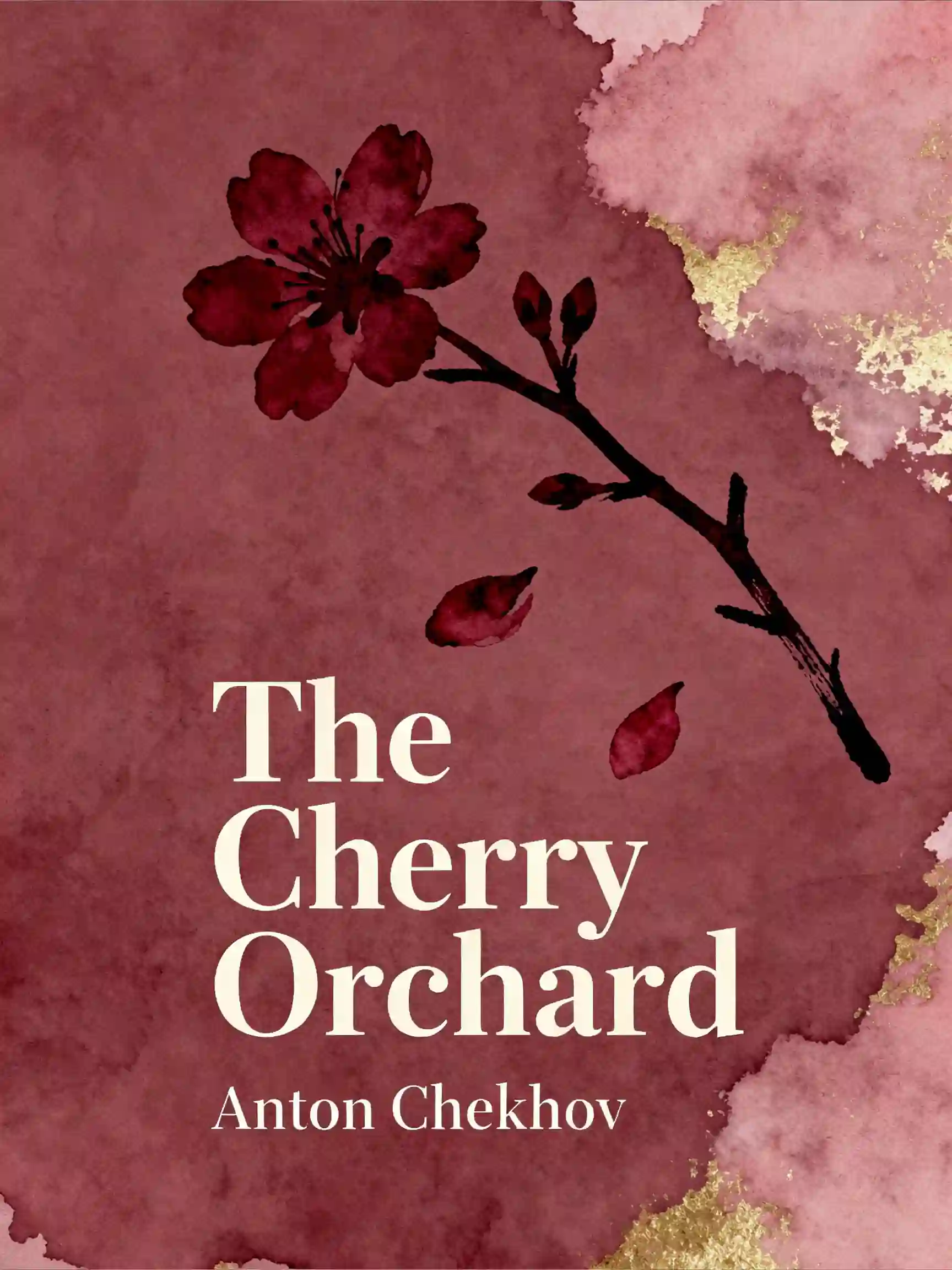
Chekhov's Dramatic Parallels: Cherry Orchard and Uncle Vanya
A comprehensive comparative analysis exploring how these two masterworks illuminate each other through shared themes of paralysis, dispossession, and inaction amid Russia's changing landscape, revealing Chekhov's unique vision of human nature.

Chekhov's Dramatic Parallels: Cherry Orchard and Uncle Vanya最佳语录
The comedy of The Cherry Orchard isn't just in the absurd behavior of the characters—it's in the cosmic joke that their desperate clinging to the past is completely irrelevant to the future that's already arriving.

此音频课程由 BeFreed 社区成员创建
Choose a play of anton Chekhov’s for comparative study with his play The Cherry Orchard. Also provide 15000 words detail analysis

发现更多

Analyse de "L'Œuvre au noir" de Yourcenar
Analyse de "L'Œuvre au noir" de Yourcenar
Cette analyse approfondie de "L'Œuvre au noir" s'adresse aux passionnés de littérature française et aux étudiants souhaitant explorer l'un des chefs-d'œuvre de Marguerite Yourcenar. Le parcours offre des clés de lecture essentielles pour comprendre cette œuvre complexe qui mêle histoire de la Renaissance, philosophie et symbolisme alchimique.
Russian Art Alternative
Russian Art Alternative
This learning plan is essential for art historians, cultural students, and activists interested in how creativity survives under censorship. It provides a deep dive into the resilient spirit of Russian artists who challenged totalitarianism and redefined modern aesthetics.

Analyze Colorless Tsukuru
Analyze Colorless Tsukuru
This learning plan offers a comprehensive framework for engaging with one of Haruki Murakami's most psychologically complex novels. It's ideal for literature students, book club members, and readers seeking to move beyond surface-level understanding to appreciate the novel's layered symbolism, psychological depth, and place within both Japanese and global literary contexts.

Learning about shakespeares plays
Learning about shakespeares plays
This plan offers a comprehensive journey into the Bard's genius, bridging the gap between 16th-century theater and modern relevance. It is ideal for students, literature enthusiasts, or anyone looking to deepen their cultural literacy and analytical skills through the world's most famous plays.
Explore Adler, Jung, Freud after Courage
Explore Adler, Jung, Freud after Courage
This learning plan bridges the gap between classical theory and modern self-development for those seeking a deeper understanding of human behavior. It is ideal for students of psychology or fans of 'The Courage to Be Disliked' who want to master the competing frameworks of the three giants of depth psychology.
2026 ASWB Clinical Exam: Vignette Prep Lesson
2026 ASWB Clinical Exam: Vignette Prep Lesson
This prep lesson is essential for social workers aiming to pass the 2026 ASWB Clinical Exam by focusing on high-stakes vignette analysis. It bridges the gap between theoretical knowledge and the practical decision-making skills required for professional licensure.

Develop my literary analysis skills
Develop my literary analysis skills
This curriculum is essential for students, educators, and literature enthusiasts seeking to move beyond surface-level reading toward professional-grade analysis. It provides a structured pathway from foundational observation to complex theoretical application, making it ideal for anyone looking to master the art of critical interpretation.

Master fiction writing and chess.
Master fiction writing and chess.
This plan bridges the gap between creative artistry and logical strategy, perfect for polymaths and writers seeking mental discipline. It benefits anyone looking to sharpen their narrative skills while mastering the calculated depth of competitive chess.
"Instead of endless scrolling, I just hit play on BeFreed. It saves me so much time."


"I never knew where to start with nonfiction—BeFreed’s book lists turned into podcasts gave me a clear path."


"Perfect balance between learning and entertainment. Finished ‘Thinking, Fast and Slow’ on my commute this week."
"Crazy how much I learned while walking the dog. BeFreed = small habits → big gains."
"Reading used to feel like a chore. Now it’s just part of my lifestyle."

"Feels effortless compared to reading. I’ve finished 6 books this month already."
"BeFreed turned my guilty doomscrolling into something that feels productive and inspiring."

"BeFreed turned my commute into learning time. 20-min podcasts are perfect for finishing books I never had time for."
"BeFreed replaced my podcast queue. Imagine Spotify for books — that’s it. 🙌"

"It is great for me to learn something from the book without reading it."
"The themed book list podcasts help me connect ideas across authors—like a guided audio journey."
"Makes me feel smarter every time before going to work"
"Instead of endless scrolling, I just hit play on BeFreed. It saves me so much time."
"I never knew where to start with nonfiction—BeFreed’s book lists turned into podcasts gave me a clear path."
"Perfect balance between learning and entertainment. Finished ‘Thinking, Fast and Slow’ on my commute this week."
"Crazy how much I learned while walking the dog. BeFreed = small habits → big gains."
"Reading used to feel like a chore. Now it’s just part of my lifestyle."
"Feels effortless compared to reading. I’ve finished 6 books this month already."
"BeFreed turned my guilty doomscrolling into something that feels productive and inspiring."
"BeFreed turned my commute into learning time. 20-min podcasts are perfect for finishing books I never had time for."
"BeFreed replaced my podcast queue. Imagine Spotify for books — that’s it. 🙌"
"It is great for me to learn something from the book without reading it."
"The themed book list podcasts help me connect ideas across authors—like a guided audio journey."
"Makes me feel smarter every time before going to work"
"Instead of endless scrolling, I just hit play on BeFreed. It saves me so much time."
"I never knew where to start with nonfiction—BeFreed’s book lists turned into podcasts gave me a clear path."
"Perfect balance between learning and entertainment. Finished ‘Thinking, Fast and Slow’ on my commute this week."
"Crazy how much I learned while walking the dog. BeFreed = small habits → big gains."
"Reading used to feel like a chore. Now it’s just part of my lifestyle."
"Feels effortless compared to reading. I’ve finished 6 books this month already."
"BeFreed turned my guilty doomscrolling into something that feels productive and inspiring."
"BeFreed turned my commute into learning time. 20-min podcasts are perfect for finishing books I never had time for."
"BeFreed replaced my podcast queue. Imagine Spotify for books — that’s it. 🙌"
"It is great for me to learn something from the book without reading it."
"The themed book list podcasts help me connect ideas across authors—like a guided audio journey."
"Makes me feel smarter every time before going to work"
"Instead of endless scrolling, I just hit play on BeFreed. It saves me so much time."
"I never knew where to start with nonfiction—BeFreed’s book lists turned into podcasts gave me a clear path."
"Perfect balance between learning and entertainment. Finished ‘Thinking, Fast and Slow’ on my commute this week."
"Crazy how much I learned while walking the dog. BeFreed = small habits → big gains."
"Reading used to feel like a chore. Now it’s just part of my lifestyle."
"Feels effortless compared to reading. I’ve finished 6 books this month already."
"BeFreed turned my guilty doomscrolling into something that feels productive and inspiring."
"BeFreed turned my commute into learning time. 20-min podcasts are perfect for finishing books I never had time for."
"BeFreed replaced my podcast queue. Imagine Spotify for books — that’s it. 🙌"
"It is great for me to learn something from the book without reading it."
"The themed book list podcasts help me connect ideas across authors—like a guided audio journey."
"Makes me feel smarter every time before going to work"