The Ceuta Barrier: Why Physical Fixes Fail Complex Problems
Explore the Ceuta Barrier and the Tarajal breakwater crisis. Learn why physical fixes like pneumatic buoys often fail to solve complex, systemic border problems.
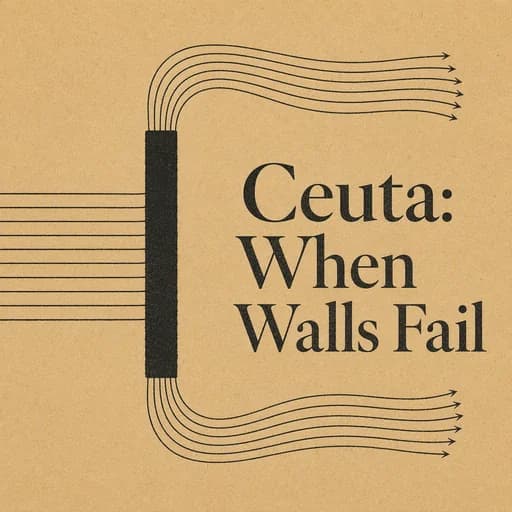
The Ceuta Barrier: Why Physical Fixes Fail Complex Problems最佳语录
A physical barrier is a decoy that draws resources away from the actual drivers of a crisis; it might buy you time, but it can't buy you a solution if the underlying pressure is persistent.
Generated by Deska
Teach a border-policy risk framework I can reuse to judge whether physical barriers solve systemic problems. Use Spain’s new 500-meter sea barrier in Ceuta after the deadly Morocco frontier rush as the case study, and give me 3 trade-offs and decision rules.






常见问题
The Ceuta Barrier refers to a 500-meter line of pneumatic buoys installed by Spain at the Tarajal breakwater in North Africa. This floating wall was completed on August 1, 2026, as a direct response to a massive border crisis where tens of thousands of people attempted to cross into the territory over a single weekend. It serves as a physical intervention designed to provide immediate order during intense migration events.
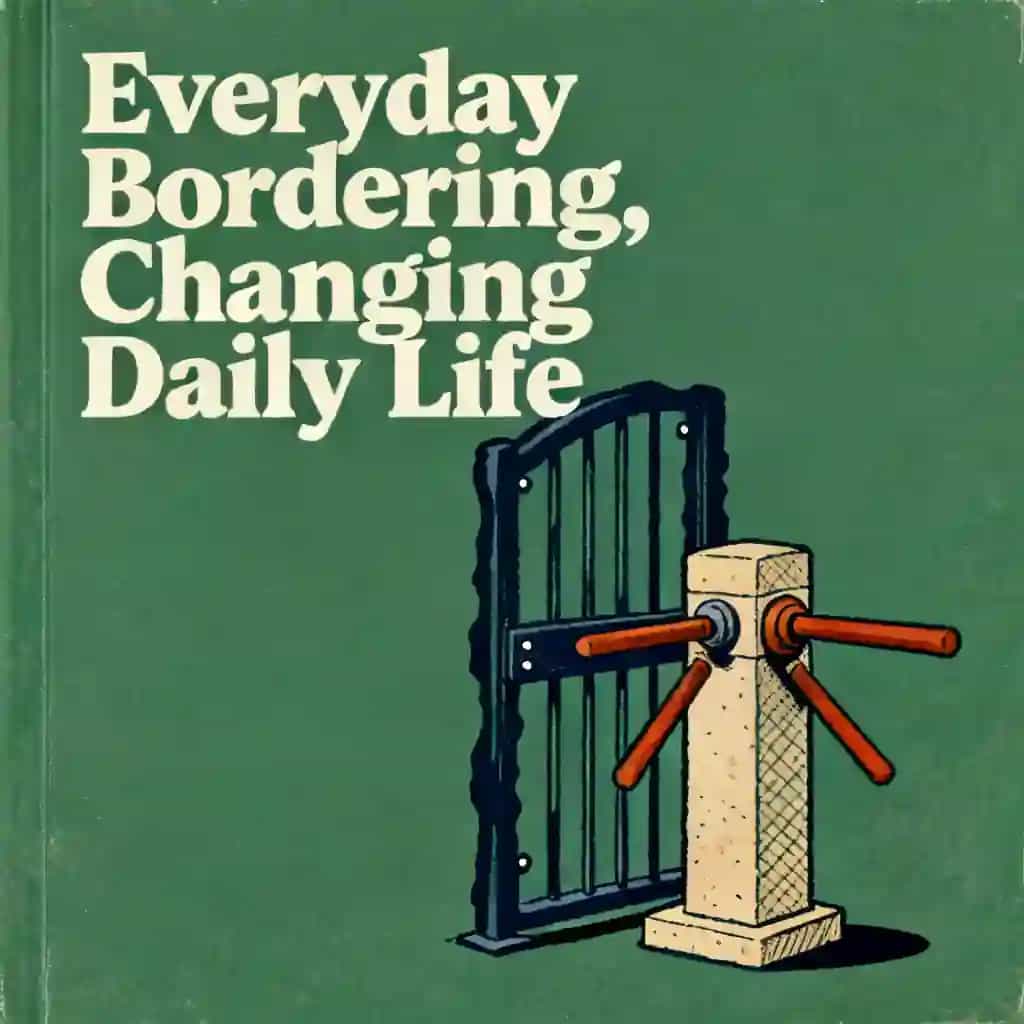
While physical barriers like the pneumatic buoy line offer a visible response to immediate crises, they are often viewed as rigid obstacles attempting to solve 'soft' systemic problems. The framework discussed suggests that concrete and steel solutions may fail to address the underlying complexities of migration. Relying solely on hard fixes can be problematic when the issue is a flowing, complex challenge that requires more than just a physical deterrent.
The Spanish border crisis in Ceuta saw 50,000 to 60,000 people descend on a small territory of 85,000 residents in just 48 hours. This scale of migration creates a tension between the immediate need for physical security and the necessity for systemic thinking. The situation serves as a case study for evaluating whether a physical barrier is a functional solution or a temporary fix that fails to address the deeper, flowing problems at the heart of the crisis.
"Instead of endless scrolling, I just hit play on BeFreed. It saves me so much time."


"I never knew where to start with nonfiction—BeFreed’s book lists turned into podcasts gave me a clear path."


"Perfect balance between learning and entertainment. Finished ‘Thinking, Fast and Slow’ on my commute this week."
"Crazy how much I learned while walking the dog. BeFreed = small habits → big gains."
"Reading used to feel like a chore. Now it’s just part of my lifestyle."

"Feels effortless compared to reading. I’ve finished 6 books this month already."
"BeFreed turned my guilty doomscrolling into something that feels productive and inspiring."

"BeFreed turned my commute into learning time. 20-min podcasts are perfect for finishing books I never had time for."
"BeFreed replaced my podcast queue. Imagine Spotify for books — that’s it. 🙌"

"It is great for me to learn something from the book without reading it."
"The themed book list podcasts help me connect ideas across authors—like a guided audio journey."
"Makes me feel smarter every time before going to work"
"Instead of endless scrolling, I just hit play on BeFreed. It saves me so much time."
"I never knew where to start with nonfiction—BeFreed’s book lists turned into podcasts gave me a clear path."
"Perfect balance between learning and entertainment. Finished ‘Thinking, Fast and Slow’ on my commute this week."
"Crazy how much I learned while walking the dog. BeFreed = small habits → big gains."
"Reading used to feel like a chore. Now it’s just part of my lifestyle."
"Feels effortless compared to reading. I’ve finished 6 books this month already."
"BeFreed turned my guilty doomscrolling into something that feels productive and inspiring."
"BeFreed turned my commute into learning time. 20-min podcasts are perfect for finishing books I never had time for."
"BeFreed replaced my podcast queue. Imagine Spotify for books — that’s it. 🙌"
"It is great for me to learn something from the book without reading it."
"The themed book list podcasts help me connect ideas across authors—like a guided audio journey."
"Makes me feel smarter every time before going to work"
"Instead of endless scrolling, I just hit play on BeFreed. It saves me so much time."
"I never knew where to start with nonfiction—BeFreed’s book lists turned into podcasts gave me a clear path."
"Perfect balance between learning and entertainment. Finished ‘Thinking, Fast and Slow’ on my commute this week."
"Crazy how much I learned while walking the dog. BeFreed = small habits → big gains."
"Reading used to feel like a chore. Now it’s just part of my lifestyle."
"Feels effortless compared to reading. I’ve finished 6 books this month already."
"BeFreed turned my guilty doomscrolling into something that feels productive and inspiring."
"BeFreed turned my commute into learning time. 20-min podcasts are perfect for finishing books I never had time for."
"BeFreed replaced my podcast queue. Imagine Spotify for books — that’s it. 🙌"
"It is great for me to learn something from the book without reading it."
"The themed book list podcasts help me connect ideas across authors—like a guided audio journey."
"Makes me feel smarter every time before going to work"
"Instead of endless scrolling, I just hit play on BeFreed. It saves me so much time."
"I never knew where to start with nonfiction—BeFreed’s book lists turned into podcasts gave me a clear path."
"Perfect balance between learning and entertainment. Finished ‘Thinking, Fast and Slow’ on my commute this week."
"Crazy how much I learned while walking the dog. BeFreed = small habits → big gains."
"Reading used to feel like a chore. Now it’s just part of my lifestyle."
"Feels effortless compared to reading. I’ve finished 6 books this month already."
"BeFreed turned my guilty doomscrolling into something that feels productive and inspiring."
"BeFreed turned my commute into learning time. 20-min podcasts are perfect for finishing books I never had time for."
"BeFreed replaced my podcast queue. Imagine Spotify for books — that’s it. 🙌"
"It is great for me to learn something from the book without reading it."
"The themed book list podcasts help me connect ideas across authors—like a guided audio journey."
"Makes me feel smarter every time before going to work"