Build Spanish Instinct, Not Rules
Discover why traditional methods fail and how to learn Spanish naturally through comprehensible input and pattern recognition - the way children acquire language, regardless of age or 'talent'.

Build Spanish Instinct, Not Rules最佳语录
The traditional approach to language learning is what fails people, not some lack of ability. Our brains are natural pattern-matching machines that excel at picking up language when we feed them the right kind of input.

此音频课程由 BeFreed 社区成员创建
Can you teach me to learn Spanish as a beginner?

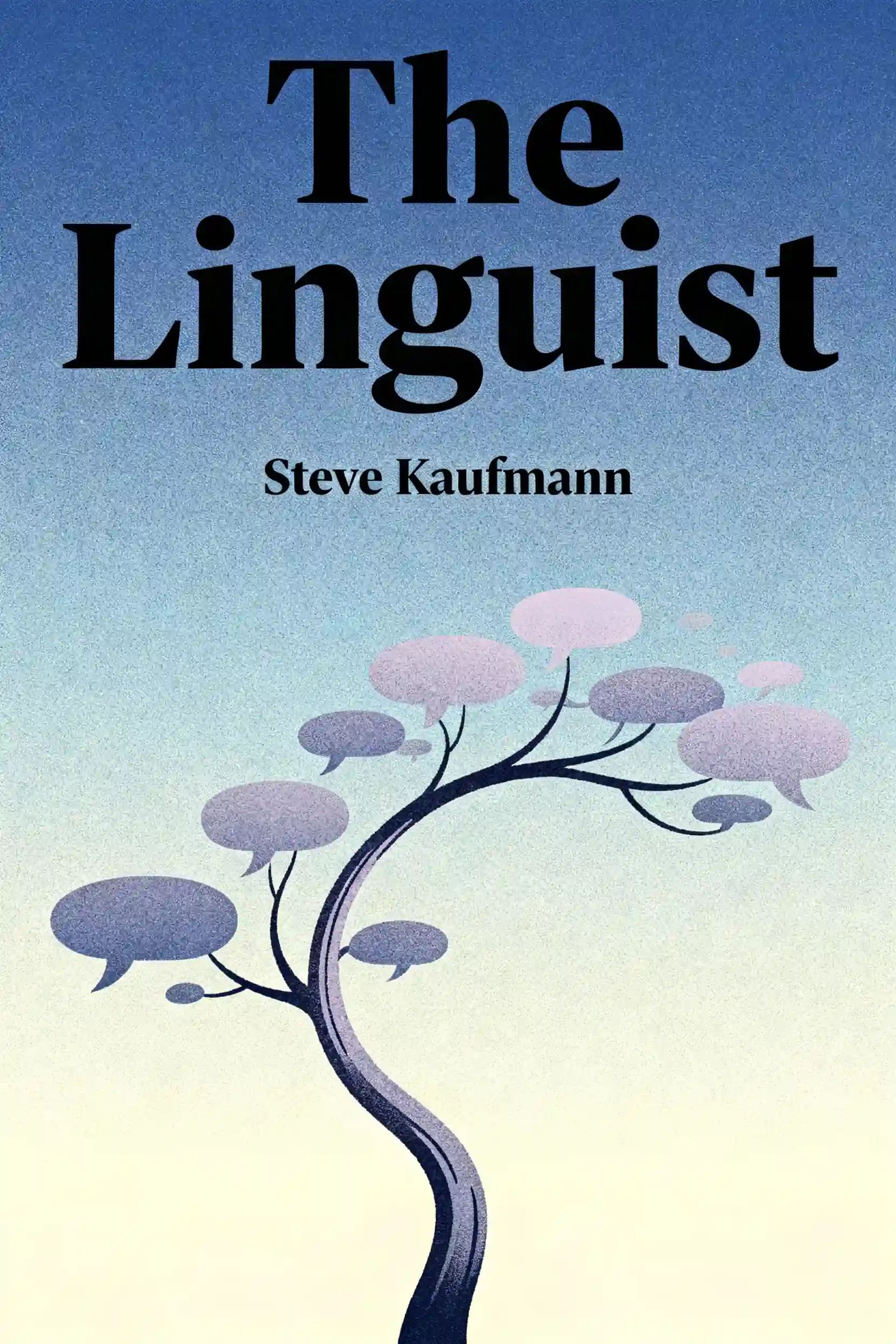
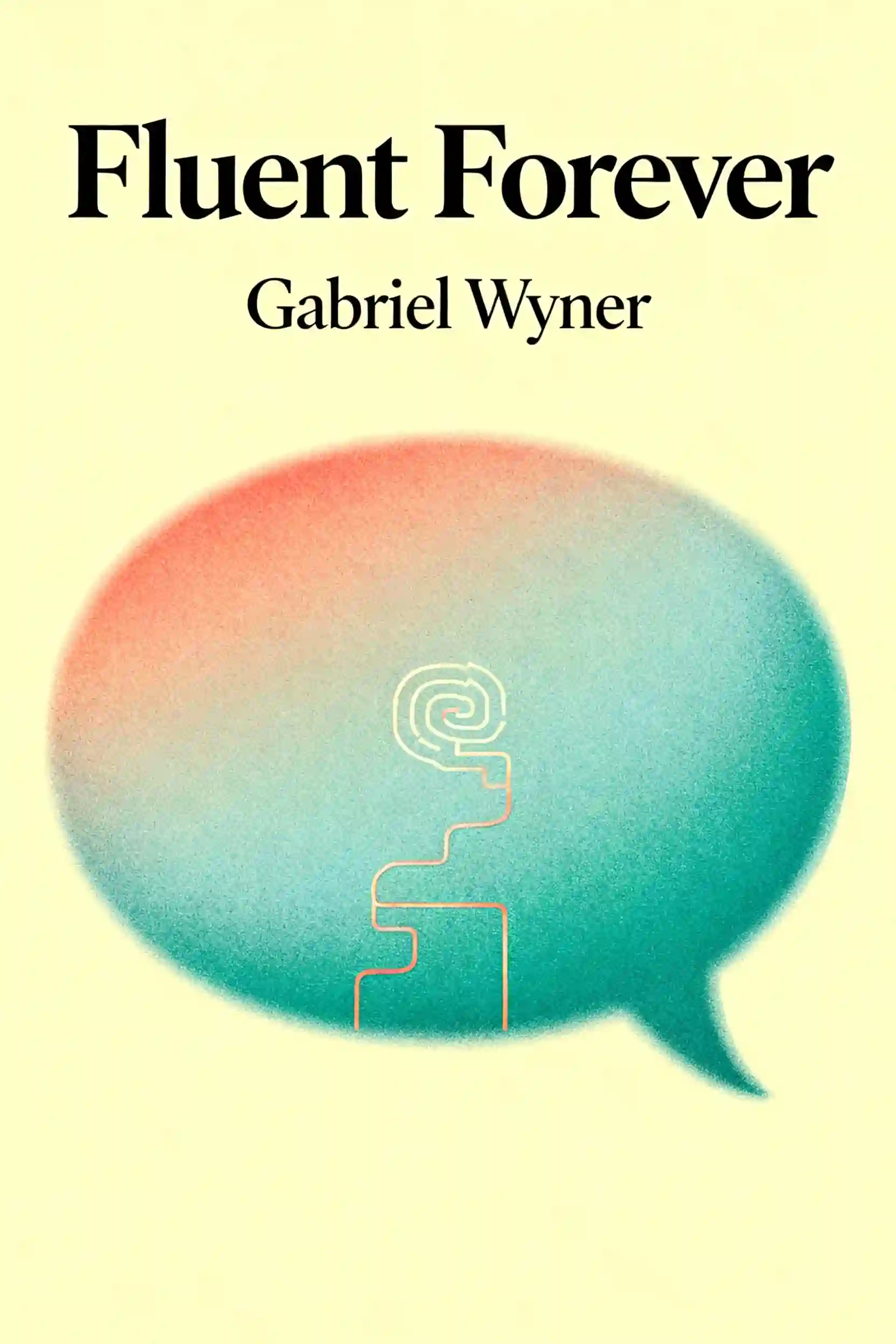
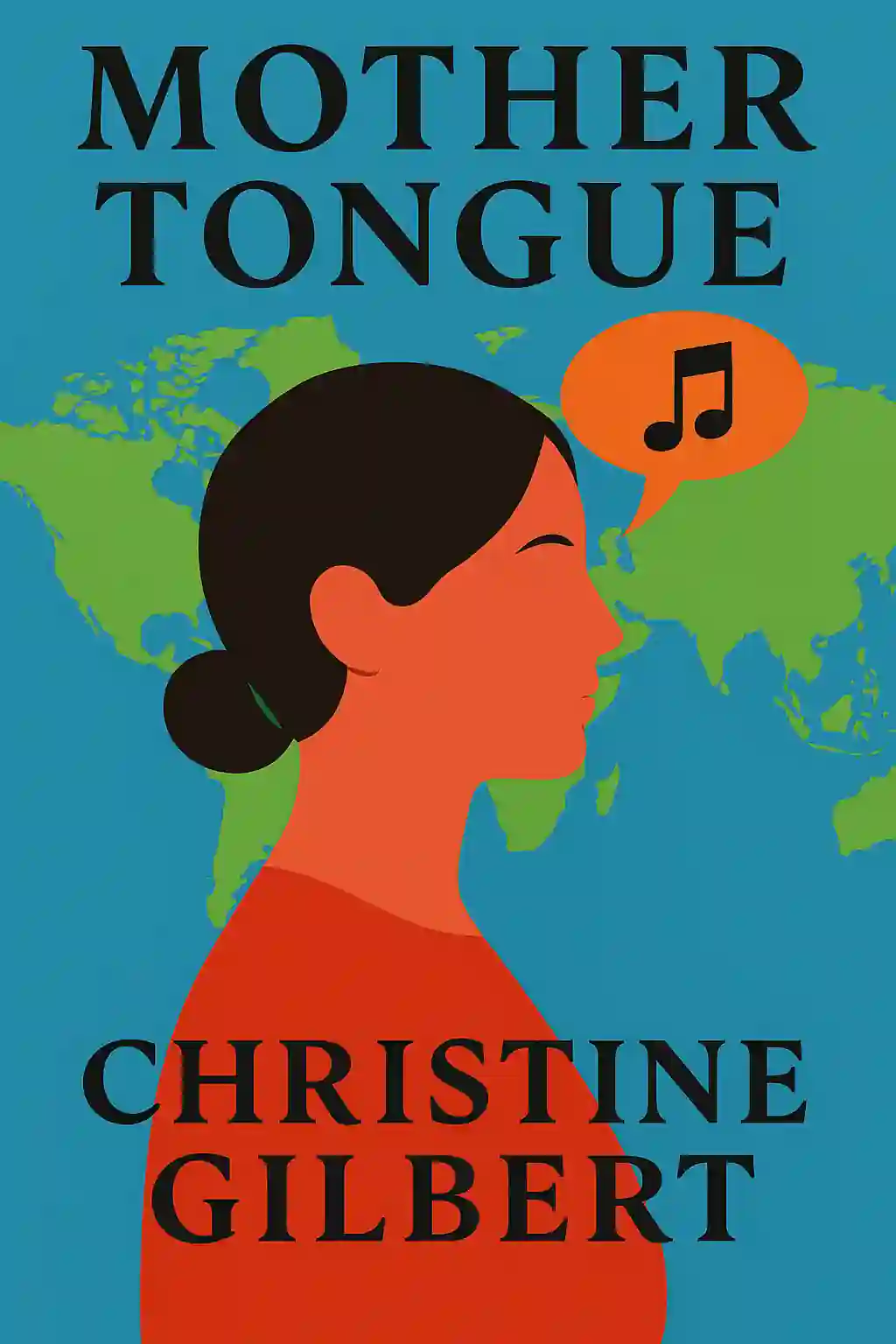
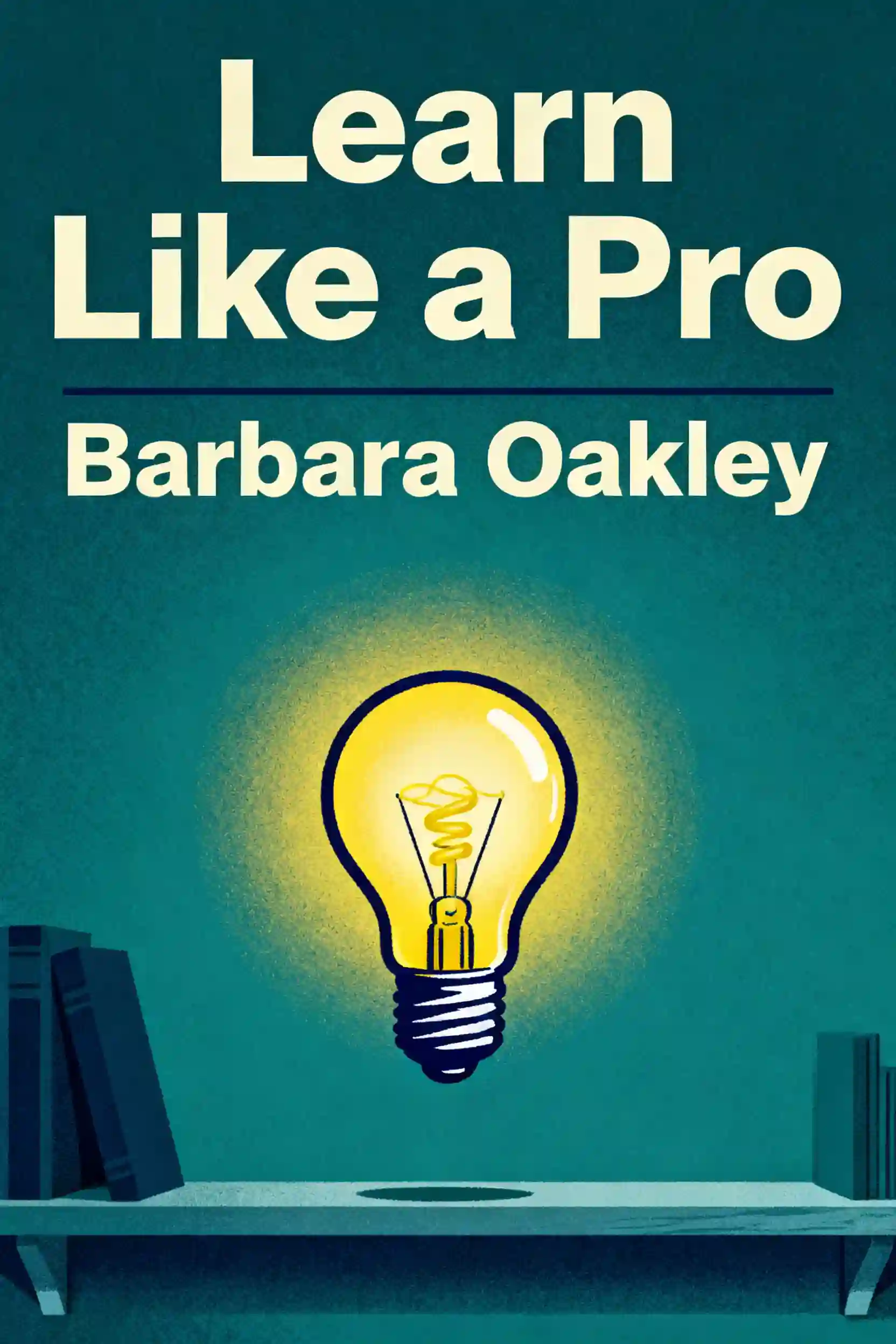
发现更多
Design Your Spanish Immersion System
This plan is essential for intermediate learners who feel stuck and need a structured approach to daily Spanish usage. It benefits busy professionals and students by transforming their existing environment into a powerful engine for natural language acquisition.
Learn Basic Spanish Grammar Step-by-Step
This structured plan is essential for beginners who want to move beyond simple memorization to functional fluency. It is ideal for travelers, students, or professionals seeking a logical progression from basic sounds to advanced grammatical structures.

Learn spanish in 3 months
This plan is designed for dedicated beginners who need a structured, fast-track route to Spanish fluency. It combines linguistic foundations with practical conversational patterns, making it ideal for travelers or professionals moving to Spanish-speaking regions.

Spanish
This comprehensive Spanish learning plan is designed for anyone seeking to achieve genuine fluency, from complete beginners to intermediate learners ready to reach advanced levels. It's ideal for travelers, professionals working with Spanish-speaking communities, literature enthusiasts, or anyone wanting to deeply connect with one of the world's most spoken languages and its rich cultural heritage.

How to build a great language learning app
Building a successful language app requires a unique blend of pedagogical science, psychological triggers, and high-performance product design. This plan is essential for developers, product managers, and educators looking to transform language learning into a scalable, high-retention digital experience.

Spanish Fluency: The 20-Hour Sprint
This accelerated learning plan is designed for busy professionals and travelers who need to achieve functional Spanish proficiency quickly. By focusing on linguistic Pareto principles and high-impact communication patterns, it transforms beginners into confident speakers in a fraction of the usual time.
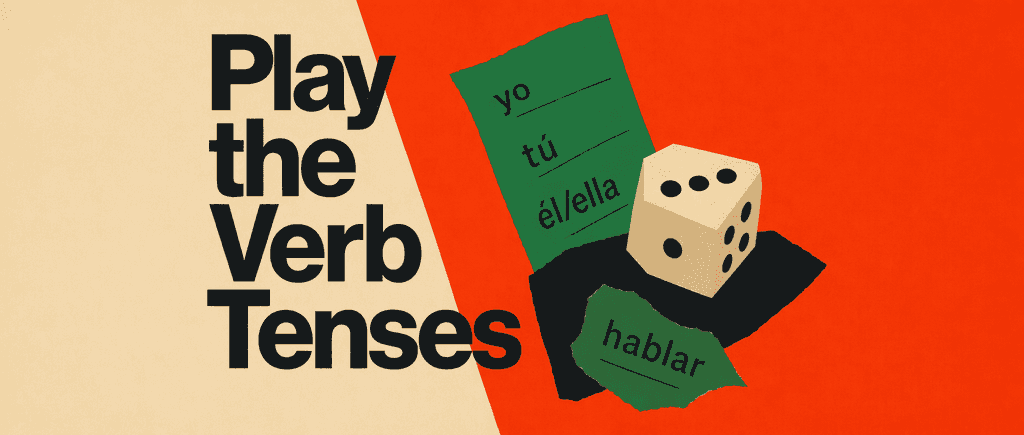
Gamified Spanish Verb Tense Learning Tools
This plan bridges the gap between linguistic mastery and digital engagement, making it essential for educators and developers. It is ideal for those looking to transform dry grammar drills into immersive, high-impact educational games.

Spanish for the Savvy Traveler
This learning plan is designed for travelers who want to move beyond basic phrases and navigate Spanish-speaking countries with independence. It is ideal for tourists and business travelers who need practical communication skills for real-world transit, dining, and emergency scenarios.
"Instead of endless scrolling, I just hit play on BeFreed. It saves me so much time."


"I never knew where to start with nonfiction—BeFreed’s book lists turned into podcasts gave me a clear path."


"Perfect balance between learning and entertainment. Finished ‘Thinking, Fast and Slow’ on my commute this week."
"Crazy how much I learned while walking the dog. BeFreed = small habits → big gains."
"Reading used to feel like a chore. Now it’s just part of my lifestyle."

"Feels effortless compared to reading. I’ve finished 6 books this month already."
"BeFreed turned my guilty doomscrolling into something that feels productive and inspiring."

"BeFreed turned my commute into learning time. 20-min podcasts are perfect for finishing books I never had time for."
"BeFreed replaced my podcast queue. Imagine Spotify for books — that’s it. 🙌"

"It is great for me to learn something from the book without reading it."
"The themed book list podcasts help me connect ideas across authors—like a guided audio journey."
"Makes me feel smarter every time before going to work"
"Instead of endless scrolling, I just hit play on BeFreed. It saves me so much time."
"I never knew where to start with nonfiction—BeFreed’s book lists turned into podcasts gave me a clear path."
"Perfect balance between learning and entertainment. Finished ‘Thinking, Fast and Slow’ on my commute this week."
"Crazy how much I learned while walking the dog. BeFreed = small habits → big gains."
"Reading used to feel like a chore. Now it’s just part of my lifestyle."
"Feels effortless compared to reading. I’ve finished 6 books this month already."
"BeFreed turned my guilty doomscrolling into something that feels productive and inspiring."
"BeFreed turned my commute into learning time. 20-min podcasts are perfect for finishing books I never had time for."
"BeFreed replaced my podcast queue. Imagine Spotify for books — that’s it. 🙌"
"It is great for me to learn something from the book without reading it."
"The themed book list podcasts help me connect ideas across authors—like a guided audio journey."
"Makes me feel smarter every time before going to work"
"Instead of endless scrolling, I just hit play on BeFreed. It saves me so much time."
"I never knew where to start with nonfiction—BeFreed’s book lists turned into podcasts gave me a clear path."
"Perfect balance between learning and entertainment. Finished ‘Thinking, Fast and Slow’ on my commute this week."
"Crazy how much I learned while walking the dog. BeFreed = small habits → big gains."
"Reading used to feel like a chore. Now it’s just part of my lifestyle."
"Feels effortless compared to reading. I’ve finished 6 books this month already."
"BeFreed turned my guilty doomscrolling into something that feels productive and inspiring."
"BeFreed turned my commute into learning time. 20-min podcasts are perfect for finishing books I never had time for."
"BeFreed replaced my podcast queue. Imagine Spotify for books — that’s it. 🙌"
"It is great for me to learn something from the book without reading it."
"The themed book list podcasts help me connect ideas across authors—like a guided audio journey."
"Makes me feel smarter every time before going to work"
"Instead of endless scrolling, I just hit play on BeFreed. It saves me so much time."
"I never knew where to start with nonfiction—BeFreed’s book lists turned into podcasts gave me a clear path."
"Perfect balance between learning and entertainment. Finished ‘Thinking, Fast and Slow’ on my commute this week."
"Crazy how much I learned while walking the dog. BeFreed = small habits → big gains."
"Reading used to feel like a chore. Now it’s just part of my lifestyle."
"Feels effortless compared to reading. I’ve finished 6 books this month already."
"BeFreed turned my guilty doomscrolling into something that feels productive and inspiring."
"BeFreed turned my commute into learning time. 20-min podcasts are perfect for finishing books I never had time for."
"BeFreed replaced my podcast queue. Imagine Spotify for books — that’s it. 🙌"
"It is great for me to learn something from the book without reading it."
"The themed book list podcasts help me connect ideas across authors—like a guided audio journey."
"Makes me feel smarter every time before going to work"